
Breakfast & Brunch
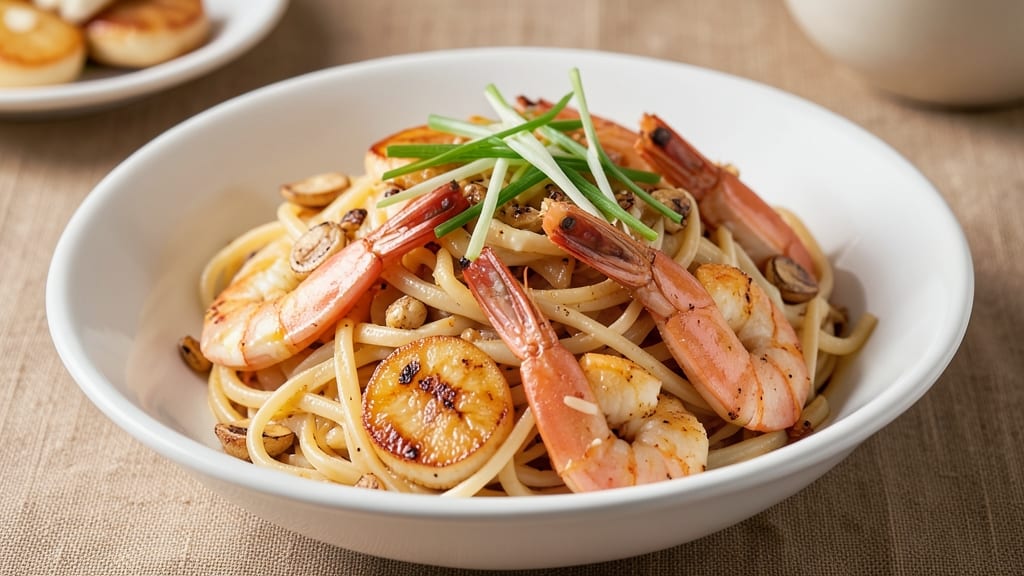
This seafood egg noodles recipe delivers a restaurant-worthy plate of wok-fried noodles with tender seafood, crisp edges, and a savory-sweet sauce that sticks to every bite. The secret lies in high-heat wok cooking that transforms ordinary egg noodles into golden, buttery strands while keeping the seafood perfectly tender.
I've perfected this dish after countless wok sessions, balancing textures between crispy noodles and delicate seafood—no soggy bites here.
The foundation starts with fresh egg noodles that develop a satisfying crunch when tossed in hot oil, while shrimp or scallops cook just long enough to stay juicy.
A simple sauce made from soy sauce, ginger, garlic, and a touch of honey creates the perfect balance of umami and sweetness that complements the seafood without overpowering it. The key is timing—cook the noodles first, then add the seafood at the very end to maintain its tenderness.
What you'll end up with is a plate that looks as impressive as it tastes: golden noodles piled high with pink shrimp or glistening scallops, all coated in a glossy sauce that ties every component together.
The aroma alone will have everyone at the table anticipating the first bite. Garnish with fresh cilantro, a squeeze of lime, or a drizzle of chili oil for that final touch of restaurant-quality flair.
This dish works equally well for breakfast or dinner, and it's versatile enough to use whatever seafood you prefer—shrimp, scallops, or even flaked white fish.
The technique is simple but requires attention to heat control and timing, which I'll walk you through step by step to ensure perfect results every time. Let's get cooking!
Ingredients for seafood egg noodles
Fresh egg noodles, plump shrimp, and buttery aromas—this is your wok-fried seafood feast.
| Ingredient | Amount | Notes |
|---|---|---|
| Egg Noodles 🍜 | 8 oz | Fresh, medium-width preferred |
| Large Shrimp 🍤 | 1 lb | Peeled, deveined, tails on |
| Scallops 🦪 | 12 whole | Fresh, dry-patted preferred |
| Vegetable Oil 🫒 | ½ cup | High smoke point for wok |
| Unsalted Butter 🧈 | 2 tbsp | Full-fat for best flavor |
| Garlic Cloves 🧄 | 4 cloves | Minced for sauce |
| Fresh Ginger 🌿 | 1 tbsp | Grated, finely |
| Soy Sauce 🥢 | 3 tbsp | Light or dark preferred |
| Honey 🍯 | 1 tbsp | For sauce balance |
| Sesame Oil 🌰 | 1 tsp | Toasted, for aroma |
| Fresh Cilantro 🌿 | ¼ cup | Chopped, for garnish |
| Lime Wedges 🍋 | 2 whole | For serving |
| Salt 🧂 | 1 tsp | Kosher or sea salt |
| Black Pepper 🌶️ | ½ tsp | Freshly ground |
The egg noodles should be fresh—Trader Joe's or Asian markets have the best selection. Look for medium-width strands; they crisp up perfectly in the wok. If you can't find fresh, dried noodles work in a pinch, but soak them first. For the seafood, whole scallops hold their shape better than pre-diced, and shrimp should be peeled but tails-on for presentation. Buy them the day you cook—seafood loses freshness fast. I always grab mine at Whole Foods or my local fishmonger where they're flash-frozen and handled carefully.
No shrimp? Scallops or flaked white fish work just as well—just adjust cooking time. The sauce is where the magic happens: light soy sauce for umami, honey for balance, and a splash of sesame oil for that wokhouse aroma. If you're avoiding honey, maple syrup or agave works too. Fresh ginger is ideal, but dried works at half the amount if you're in a hurry. The butter? Full-fat only—it's what gives those noodles that golden, buttery crunch. And if you don't have sesame oil, toasted peanut oil adds a nice nutty note.
Noodles keep best in the fridge for 2 days if uncooked, but once tossed in oil, they're best eaten fresh. Seafood cooks in minutes—keep it cold until you're ready to use. The sauce can be made ahead and stored for 3 days in the fridge. For a quick shortcut, pre-chop your garlic and ginger and store in a sealed container. Garnishes like cilantro and lime should be added right before serving—they wilt fast when exposed to heat. This dish reheats beautifully, but the noodles lose some crunch—eat it fresh for the best texture
Why You'll Love This Recipe
- No-Fuss Weeknight Win: I swear by this for those days when the last thing I want is to slave over a stove. Toss the shrimp and scallops in butter and oil, let them sear while you boil the noodles—five minutes later, you’ve got a restaurant-quality dish without the fuss. The key? Don’t overcrowd the pan, or those scallops turn rubbery, and nobody wants that.
- Buttery Briny Magic: That moment when the shrimp turns pink and the scallops get a golden crust? Pure satisfaction. The butter adds this insane richness while the oil keeps everything light—like a hug for your taste buds. Honestly, the first time I made this, I nearly licked the plate clean.
- Lunchbox Hero: Between us, this is my go-to for meal prep. Cook a big batch of noodles, store the seafood separately, and assemble when you’re ready. Toss in a handful of frozen peas or spinach at the end, and suddenly you’ve got a lunch that feels special without the effort. My daughter’s favorite? The way the scallops stay tender even after reheating.
- Budget-Friendly Luxe: You don’t need filet mignon to feel fancy. Shrimp and scallops in season are often cheaper than you’d think, and a little butter goes a long way. I’ll be real: this recipe makes me feel like I’m eating out, but the grocery bill stays friendly. Plus, leftovers? They’re just as good cold the next day—perfect for a quick office lunch.
Step-by-step instructions for seafood egg noodles
Here's how to create restaurant-quality seafood egg noodles with crispy shrimp, tender scallops, and a perfect buttery sauce.
Cook the Egg Noodles Al Dente
Bring a large pot of well-salted water to a rolling boil. Add the 8 oz egg noodles and cook according to package instructions, but remove them 1 minute before they're fully done—you want them al dente with a slight bite. Drain and rinse briefly under cold water to stop the cooking process, then toss with 1 teaspoon sesame oil to prevent sticking. Set aside while you prepare the seafood.
I always cook noodles slightly underdone because they'll finish cooking in the wok with the seafood. This ensures they absorb all that delicious sauce without turning mushy. The sesame oil coating also adds a subtle aroma that complements the seafood perfectly.
Sear the Scallops and Shrimp Separately
Heat ½ cup vegetable oil in a wok over medium-high heat until it shimmers (350°F). Working in batches to avoid overcrowding, add the 12 whole scallops and sear for 1-2 minutes per side until they develop a golden crust. Remove and set aside on a paper towel-lined plate. Repeat with the 1 lb large shrimp, cooking for 2-3 minutes per side until they turn pink and opaque.
Don't skip this step—searing separately ensures each type of seafood gets perfectly cooked without steaming. The scallops cook faster than shrimp, so handle them first. If your shrimp are small, you might be able to cook them all at once, but larger shrimp need the batch approach.
Build the Flavorful Sauce
In the same wok, reduce heat to medium and add 2 tablespoons unsalted butter. Melt it completely, then add 4 minced garlic cloves and 1 tablespoon finely grated fresh ginger. Sauté for 30 seconds until fragrant—this is where all the magic happens. Pour in 3 tablespoons soy sauce and 1 tablespoon honey, stirring constantly until the sauce thickens slightly (2-3 minutes).
Here's the thing—this sauce needs to simmer just enough to blend flavors without cooking down too much. You want it glossy and just thick enough to coat the noodles beautifully. If it reduces too quickly, add a splash of hot water to loosen it up.
Combine Everything for Perfect Texture
Return the cooked seafood to the wok along with the cooked egg noodles. Toss everything together for 1-2 minutes until the noodles are heated through and coated with the sauce. The residual heat from the wok will finish cooking the noodles perfectly while keeping the seafood warm. Season with 1 teaspoon salt and ½ teaspoon freshly ground black pepper to taste.
This is where the dish comes together. The high heat from the wok creates that beautiful wok-hei (breath of the wok) flavor while ensuring the noodles are perfectly al dente. If your sauce seems too thin, add another splash of water or a bit more soy sauce to balance it.
Finish and Serve Immediately
Turn off the heat and stir in ¼ cup chopped fresh cilantro. Divide the seafood egg noodles among serving plates and garnish each portion with a lime wedge. Serve immediately while everything is hot and the noodles are still holding their shape.
Real talk—the lime juice brightens all the rich flavors and adds that final zing. Don't skip it! The noodles should be tender but still have a slight bite, the shrimp should be pink and juicy, and the scallops should be opaque with a caramelized crust. Each bite should deliver perfect texture contrast with that buttery, slightly sweet sauce.
Pro Tips For Making Seafood Egg Noodles
- COOK SHRIMP SEPARATELY: Shrimp and scallops cook at wildly different speeds—shrimp takes 1-2 minutes, scallops 2-3. If you toss them in together, the shrimp turns rubbery while the scallops stay pale. I learned this the hard way after serving a plate where the shrimp looked like overcooked bootstraps. Sear the shrimp first, then remove them to a plate while you finish the scallops.
- DRY SCALLOPS LIKE MAD: Wet scallops release steam and won’t brown—they’ll just boil in their own juices. Pat them thoroughly with paper towels, then let them sit uncovered for 10 minutes. This isn’t just about flavor; it’s about texture. My grandmother swore by this, and she was right: dry scallops get that perfect caramelized crust while staying tender inside.
- SAUTE NOODLES IN BUTTER: Skip the vegetable oil for the noodles—use the melted butter from the seafood. The residual seafood flavor clings to the noodles, and the butter adds richness without overpowering. I was skeptical until I tried it: the noodles taste like they’ve been kissed by the seafood, not drowned in neutral oil.
- SALT THE WATER LATE: Add salt to the noodle water only after it’s boiling. Salt before? You’re just making a sad, diluted brine that won’t penetrate the noodles properly. Toss the noodles in, then immediately drain and shock them in ice water—this stops cooking and keeps them from turning mushy. Yes, even if you’re impatient like me.
Flavor customization for this seafood egg noodles
Spicy Kick Variations
For those who love heat, add 1 teaspoon chili crisp or ½ teaspoon gochujang paste to the sauce for a smoky, spicy depth. I like to finish with a sprinkle of crushed red pepper flakes right before serving—just ½ teaspoon adds a nice warmth without overpowering.
For an extra kick, toss in 2-3 thinly sliced Thai chilies while searing the seafood. 🌶️
Creamy Upgrades
Transform this into a creamy version by swapping 1 tablespoon of the soy sauce for 2 tablespoons coconut milk or heavy cream. Stir in 1 teaspoon fish sauce for extra umami depth.
I recommend adding this at the very end to keep the sauce from curdling. Garnish with extra cilantro and a drizzle of sriracha for balance.
Asian-Inspired Twists
Give it a Japanese-inspired makeover by using mirin and dashi powder instead of honey and soy sauce. Replace the honey with 1 tablespoon mirin and add ½ teaspoon dashi powder to the sauce. Finish with a sprinkle of toasted sesame seeds and a few shredded nori strips for authentic umami.
For a Korean twist, add 1 teaspoon gochugaru (Korean red pepper flakes) to the sauce and top with quick-pickled radish for tangy crunch.
Herb-Infused Flavors
Brighten the dish with fresh herbs like basil or Thai basil instead of cilantro. For a Mediterranean vibe, swap the soy sauce for lemon juice and olive oil, then finish with chopped parsley and lemon zest.
I also love adding ½ teaspoon fennel pollen to the sauce for a subtle anise note that pairs beautifully with seafood. Fresh herbs should always be added at the very end to preserve their vibrant color.
Sweet and Tangy Balance
Enhance the sauce with 1 teaspoon rice vinegar to cut through the richness. For a tropical twist, add ½ teaspoon grated lime zest to the sauce and garnish with thinly sliced cucumber for a refreshing crunch.
I also recommend adding 1 teaspoon toasted peanut butter to the sauce for a sweet-savory depth that works surprisingly well with seafood. 🍋
Umami Boosters
Add depth to the sauce with 1 teaspoon miso paste or ½ teaspoon oyster sauce for extra umami richness. Stir these into the sauce during the simmering stage. For a smoky touch, add ½ teaspoon liquid smoke or a pinch of smoked paprika**.
These ingredients elevate the dish without overpowering the delicate seafood flavors. The miso paste should be dissolved completely in the sauce for the best results.
Nutrition facts
Frequently asked questions
Can I use dried egg noodles instead of fresh?
Yes, but you'll need to soak them first! Soak 8 oz dried egg noodles in warm water for 5-7 minutes until pliable, then drain and rinse briefly. The texture won't be identical to fresh, but they'll still work well. For best results, use medium-width dried noodles and cook them slightly underdone before wok-frying.
What if I don't have a wok? Can I use a skillet?
A large, heavy skillet works perfectly—just make sure it has high sides to prevent splatter. Use medium-high heat and work in batches if needed. The key is maintaining that high heat to get those crispy noodle edges. A cast-iron skillet actually works even better for retaining heat.
How do I prevent the seafood from getting rubbery?
Cook seafood separately at high heat for just 1-2 minutes per side—overcooking is the #1 cause of rubberiness! Keep shrimp and scallops cold until ready to cook, and never overcrowd the pan. For shrimp, look for pink and opaque (not gray), and scallops should be opaque with a caramelized crust. Add them to the noodles at the very end to reheat.
Can I make this dish ahead of time?
Not the noodles—they lose their crispy texture when reheated. But you can prep components ahead: cook the noodles and store them in the fridge for up to 2 days (toss with sesame oil to preserve texture), and make the sauce separately. Reheat everything together in the wok for 1-2 minutes before serving. The sauce keeps well for 3 days in the fridge.
What's the best way to store leftovers?
Store in an airtight container in the fridge for up to 3 days. Reheat gently in a skillet over medium heat with a splash of water to restore moisture. For best texture, eat within 2 days—the noodles won't be as crispy after that. Freezing isn't recommended as it destroys the noodle texture.