
Breakfast & Brunch
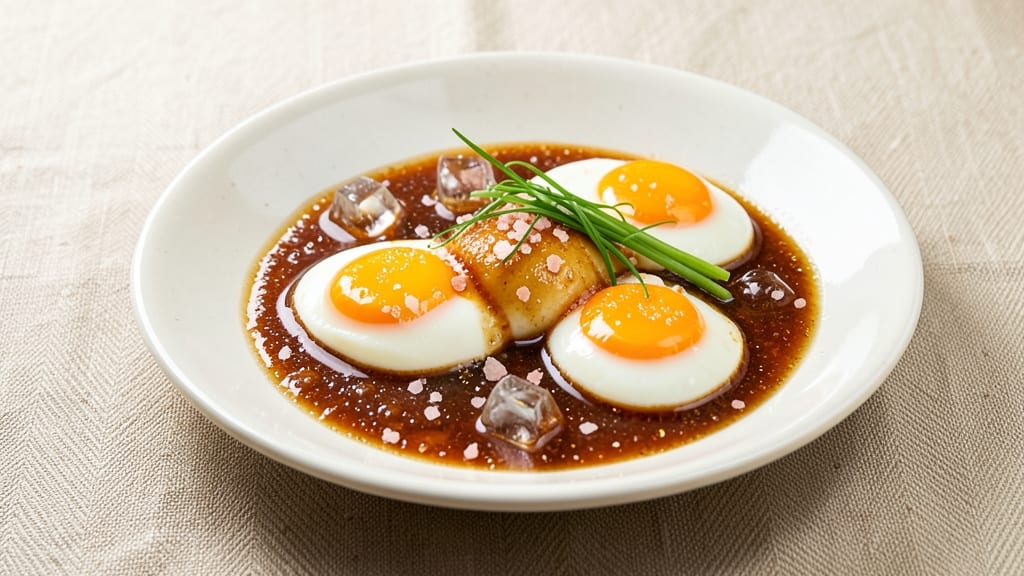
This shoyu tamago recipe transforms ordinary eggs into a luxurious, umami-rich centerpiece that steals every meal. The secret lies in perfectly boiled eggs with silken yolks, then marinated in a balanced blend of soy sauce, sugar, and mirin—a technique that creates irresistible depth of flavor.
I developed this version after years of experimenting with Japanese home cooking, and it's now a staple in my kitchen for both weeknight dinners and special occasions.
The process begins with achieving the ideal doneness—firm whites and perfectly set yet creamy yolks—before gently peeling and marinating in the shoyu mixture. This isn't just about flavor; it's about texture too. The eggs develop a subtle glossiness from the marinade while maintaining their delicate, velvety interior.
What makes this recipe special is how versatile it is—serve them sliced over rice, nestled in bento boxes, or as an elegant appetizer with toasted nori.
What you'll end up with is a dish that bridges comfort food and fine dining, offering that satisfying pop of umami in every bite. The marinade transforms simple eggs into something restaurant-worthy, with just the right balance of salty, sweet, and savory notes.
This recipe delivers professional results without requiring advanced techniques—just patience and attention to detail.
The best part? These eggs keep beautifully in the fridge for up to a week, making them perfect for meal prep or gifting.
Whether you're preparing for a traditional Japanese feast or simply want to elevate a simple meal, shoyu tamago delivers flavor and presentation that will impress anyone at your table. Let's get started with this foolproof method.
Ingredients for shoyu tamago egg
Eight essential ingredients transform simple eggs into umami-rich shoyu tamago masterpieces.
| Ingredient | Amount | Notes |
|---|---|---|
| Large Eggs 🥚 | 8 whole | Room temperature for even cooking |
| Japanese Soy Sauce (Shoyu) 🥢 | ½ cup | High-quality, preferably Kikkoman or Yamasa |
| Granulated Sugar 🍚 | ¼ cup | Fine grain preferred for even dissolving |
| Mirin 🍶 | ¼ cup | Sweet cooking rice wine, not mirin sauce |
| Water 💧 | 1 cup | Filtered or distilled for clarity |
| Ice Cubes ❄️ | 2 cups | For immediate shock cooling |
| White Vinegar 🍶 | 1 tbsp | For easier peeling |
| Toasted Sesame Oil 🫒 | 1 tsp | For final aroma enhancement |
| Nori Sheets 🍣 | 4 whole | For garnish, optional |
| Diamond Crystal Kosher Salt 🧂 | ½ tsp | For final seasoning |
| White Rice 🍚 | 1 cup | Uncooked, for serving suggestion |
The eggs are the foundation—use room temperature eggs for even cooking. For best results, source fresh, high-quality eggs from a trusted supplier like Pete and Gerry's or local farm markets. The shoyu should be Japanese-style soy sauce (not American soy sauce), with brands like Kikkoman or Yamasa delivering authentic flavor. Mirin must be pure mirin (not mirin sauce), which you'll find in the international aisle of most grocery stores or at specialty Asian markets. The sugar should be fine grain to dissolve completely in the marinade, and the sesame oil should be toasted for maximum aroma.
No shoyu? Tamari or high-quality soy sauce works in a pinch, though the flavor profile will differ slightly. Running short on mirin? Replace with 1 tbsp honey plus 1 tbsp water for a similar sweetness level. For easier peeling, add 1 tbsp vinegar to the ice water bath. The nori sheets should be dried and crisp—store them in a cool, dry place to maintain freshness. If you can't find toasted sesame oil, lightly toast regular sesame oil in a pan and let it cool before using. The rice for serving should be short-grain Japanese rice if possible, though any white rice will work in a pinch.
Marinated eggs keep beautifully in the fridge for up to 7 days when stored in an airtight container covered with their marinade. For best texture, reheat gently in warm water before serving. Freeze for up to 3 months by wrapping each egg individually in plastic wrap. The marinade itself can be made 2 days ahead—just store it separately and combine with the eggs before serving. These eggs reheat beautifully, making them perfect for meal prep or gifting—just package them with a small container of the marinade for that authentic touch.
Why You'll Love This Recipe
- Five-Ingredient Magic: I swear by this recipe—just eggs, shoyu, sugar, mirin, and water. That’s it. No chopping, no fussing, no hunting for obscure spices. The simplicity is what makes it my go-to when I’m too tired to overthink dinner.
- Umami Bomb: The shoyu and mirin combo? Chef’s kiss. That deep, salty-sweet glaze clings to the eggs like a hug—crispy edges, jammy centers, and a brightness that cuts through rich dishes. Honestly, I’ll take these over plain boiled eggs any day.
- Breakfast to Snack: These eggs are everywhere in my life. Cold in my lunchbox, warm on toast for breakfast, or even as a quick snack when I’m craving something savory. My kids grab them straight from the fridge—no complaints, just seconds.
- Budget Brilliance: A dozen eggs and a bottle of shoyu last me weeks. The sugar and mirin? Tiny amounts. I make a batch on Sundays, store them in the fridge, and forget about grocery runs for days. Zero waste, maximum flavor—what’s not to love?
Step-by-step instructions for shoyu tamago egg recipe
Master this delicate technique for restaurant-quality silken yolk eggs with perfect umami balance.
Prepare the Umami Syrup Mixture
In a small saucepan, combine the 0.5 cup Japanese Soy Sauce (Shoyu), 0.25 cup Granulated Sugar, 0.25 cup Mirin, and 1 cup Water. Bring to a gentle simmer over medium-low heat and cook for 5-7 minutes until the sugar has completely dissolved and the mixture reduces slightly—you'll notice it thickens just enough to coat the back of a spoon.
This reduction creates the concentrated umami base that will infuse the eggs. Taste the syrup at this stage—it should be sweet, salty, and subtly tangy. If you prefer a stronger soy flavor, you can reduce it an additional 2 minutes, but don't let it caramelize. Remove from heat and let cool completely before using.
Blanch the Eggs for Perfect Silken Texture
Bring a separate pot of water to a rolling boil. While waiting, carefully crack each of the 8 whole Large Eggs into individual ramekins or small heatproof bowls. The eggs should be at room temperature for even cooking—this prevents cracking during the hot water bath.
When the water boils vigorously, gently lower the ramekins into the pot using a slotted spoon. The water should come just below the top of the eggs—this prevents them from cracking while allowing even heat penetration. Simmer for exactly 6 minutes and 30 seconds—this precise timing creates that signature silken yolk while keeping the whites just set.
Shock Cool in Ice Water Bath
Prepare an ice bath by filling a large bowl with 2 cups Ice Cubes and enough cold water to create a slurry. Using a slotted spoon, transfer the blanched eggs to this ice bath. Let them cool for 5 minutes while you prepare the plating.
The ice bath stops the cooking process instantly and firms up the eggs for easier peeling. The contrast between the hot eggs and cold water creates condensation on the ramekins—this is normal and indicates proper shock cooling. Don't skip this step; it's what gives shoyu tamago their clean separation between yolk and white.
Assemble and Infuse with Umami
Remove the eggs from the ice bath and peel away any remaining white membrane. Place each egg in its original ramekin and carefully pour the cooled umami syrup over them, filling each ramekin about ¾ full. Let the eggs sit at room temperature for 15-20 minutes to absorb the flavor.
Here's where the magic happens: the eggs will gently steam in their own moisture while absorbing the concentrated soy-mirin syrup. The result should be eggs with a deep umami flavor that permeates both the yolk and white. For extra presentation, you can garnish each with a small piece of the 4 whole Nori Sheets after serving.
Finish with Sesame Oil and Serve
Just before serving, drizzle each egg with 1 tsp Toasted Sesame Oil (divided among all eggs) and sprinkle with a pinch of 0.5 tsp Diamond Crystal Kosher Salt. Serve immediately with steamed 1 cup White Rice on the side—this helps balance the rich umami flavor.
The sesame oil adds a final aromatic layer that enhances the soy's depth while the salt provides a clean finish. Each bite should deliver that perfect balance of sweet, salty, and umami with a silken yolk that melts effortlessly. The nori sheets add a subtle crunch and visual contrast, completing this Japanese bistro classic.
Pro Tips For Making Shoyu Tamago Egg
- STIR CONSTANTLY AT FIRST: The first 30 seconds after adding the eggs is when the mixture wants to fight you—it’ll clump like a stubborn cat if you let it. Use a wooden spoon and keep those arms moving until the eggs are fully emulsified, or you’ll end up with a lumpy mess instead of that silky, glossy texture.
- USE COLD EGGS: I learned this the hard way—room-temperature eggs make the custard split like a bad relationship. Crack them straight from the fridge into your bowl, then whisk them vigorously. The cold helps the sugar dissolve faster and keeps the final texture smooth.
- SIMMER ON LOW: After the initial boil, drop the heat to a gentle simmer—think "barely there" rather than "rolling." I used to rush this, and the eggs would curdle or stick to the pan. Keep it at 160°F (70°C) max, or the sugar will caramelize too fast and burn before the eggs set properly.
- SKIP THE MIRIN SUB: Watered-down mirin or cheap substitutes ruin the balance—this isn’t the time to skimp. If you’re out, use a 1:1 ratio of sugar + water, but add a splash of rice vinegar (½ tsp) to mimic the acidity. The mirin’s depth is what makes the shoyu’s saltiness sing, not just sweetness.
Flavor customization for this dish
Sweet-Savory Balance
Adjust the sugar-to-soy ratio to suit your taste. For a more balanced flavor, use 3 tbsp sugar with ½ cup shoyu—this creates a classic sweet-salty harmony. If you prefer bold umami, reduce sugar to 2 tbsp and add 1 tsp grated ginger to the marinade.
I find this works beautifully with dark soy sauce for deeper color and richer taste. 🌶️
Spicy Kick Variations
Add heat with 1 tsp gochujang (Korean chili paste) or ½ tsp red pepper flakes to the cooled marinade. For a smoky twist, stir in ½ tsp toasted chili oil just before serving.
These additions pair perfectly with the eggs' silken texture, adding complexity without overpowering. I recommend starting with ½ tsp and adjusting to taste.
Herbaceous Infusions
Fresh herbs elevate the marinade's brightness. Try 1 tbsp finely chopped scallions or 1 tsp minced chives in the syrup before reducing. For a more robust flavor, add ½ tsp dried shiso leaves (available at Asian markets) or 1 tsp chopped cilantro after the eggs have marinated.
These herbs complement the soy's depth while adding freshness. 🌿
Umami Boosters
Deepening the umami profile transforms these eggs into a restaurant-worthy dish. Add 1 tbsp fish sauce or 1 tsp dashi powder to the marinade for extra richness. For a vegetarian option, use 1 tbsp mushroom powder or 1 tsp nutritional yeast.
These ingredients enhance the soy's natural umami without altering the dish's delicate balance.
Citrus Brightness
Balance the marinade's richness with 1 tsp freshly grated lemon zest or 1 tbsp lemon juice. The acidity cuts through the soy's intensity while adding a refreshing note.
I also love adding ½ tsp yuzu kosho (Japanese citrus chili paste) for a perfect sweet-spicy-citrus combination. This works especially well with the sesame oil finish. 🍋
Regional Twists
For a Korean-inspired version, replace mirin with 1 tbsp honey and add 1 tsp sesame seeds to the marinade. A Chinese-style adaptation swaps mirin for 1 tbsp Shaoxing wine and adds ½ tsp five-spice powder.
These variations keep the core technique intact while offering exciting cultural flavors. Each twist maintains the eggs' signature silken texture while delivering unique taste profiles. 🗺️
Nutrition facts
Frequently asked questions
Why do shoyu tamago eggs need to marinate?
The marinade transforms simple eggs into restaurant-quality bites by infusing them with deep umami flavor. The soy-mirin mixture penetrates both the yolk and white, creating that signature sweet-salty balance while adding a subtle glossiness. Without marinating, you'd miss the complex flavor layers that make this dish special.
Can I make shoyu tamago with store-bought hard-boiled eggs?
Store-bought eggs often have thicker whites that don't peel cleanly, which makes marinating difficult. For perfect results, always use fresh eggs and follow the precise blanching method. The ice bath step is especially critical for clean peeling and even flavor absorption. If you must use store-bought, choose eggs with the thinnest shells possible.
How long can I store the marinade separately?
The cooled marinade keeps in an airtight container in the refrigerator for up to 7 days. For longer storage, freeze it for 3 months. When ready to use, simply reheat the marinade (without the eggs) to room temperature before pouring over the blanched eggs. This preserves all the flavor compounds for maximum impact.
What's the best way to serve these eggs?
Shoyu tamago shines as a side dish with steamed rice, nestled in bento boxes, or sliced over salads. For a Japanese bistro presentation, serve them whole on a small plate with nori strips and pickled vegetables. The eggs also make an elegant appetizer when halved and arranged on a platter with sesame seeds.
Can I adjust the marinade for less sugar?
Reduce sugar to 2 tbsp and add 1 tsp grated ginger for a more savory profile. For extra umami depth, substitute 1 tbsp fish sauce or 1 tsp dashi powder. The key is maintaining balance—each adjustment should complement rather than overpower the soy's natural flavor.