
Main Courses
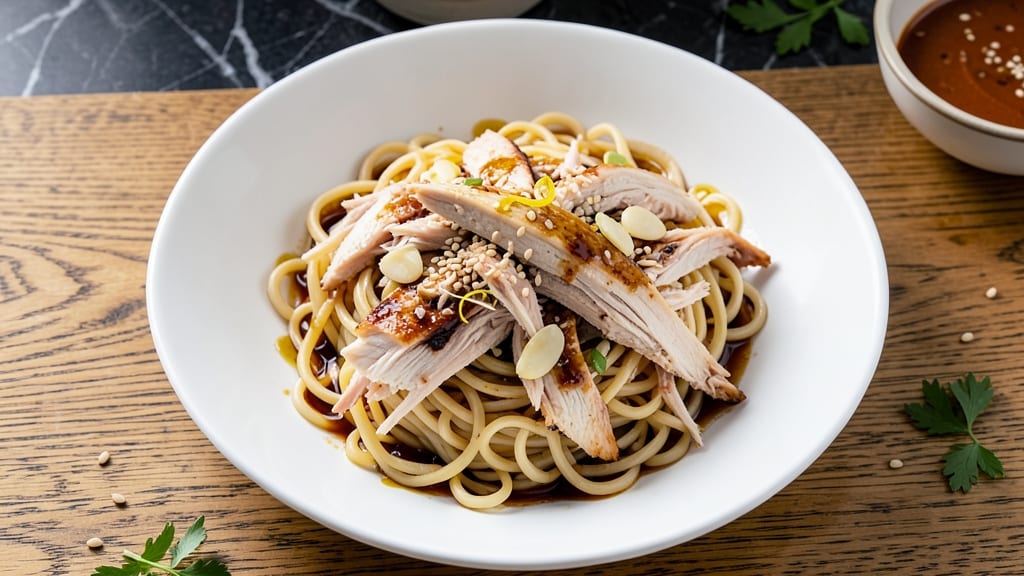
This shredded chicken and egg noodles recipe transforms simple ingredients into a hearty, umami-rich meal that tastes like a restaurant favorite.
After years of perfecting this dish in my Atlanta kitchen, I've developed a method that delivers tender, flavorful chicken and perfectly cooked noodles in one pan—no fuss, no mess. The secret lies in a savory broth built with soy sauce, garlic, and ginger that infuses every bite with depth.
The chicken starts with a quick sear in the pan, locking in juices before being poached in the same broth until it shreds effortlessly. Meanwhile, egg noodles cook directly in that flavorful liquid, absorbing all the rich aromatics.
This isn't just comfort food—it's a restaurant-quality dish that comes together in under 30 minutes, making it perfect for busy weeknights when you still want something satisfying.
What makes this recipe special is how the flavors develop—caramelized edges on the chicken, tender noodles, and a sauce that's both silky and packed with umami from the slow-cooked aromatics.
The texture is where it truly shines: crisp-tender chicken strands clinging to al dente noodles, finished with a sprinkle of green onions for brightness. It's the kind of meal that disappears faster than you can say "second helping."
For extra depth, I often add a splash of sesame oil at the end or stir in some steamed bok choy for color. The beauty of this dish is its flexibility—it works as a quick weeknight dinner or a comforting meal for company.
Let's get cooking—this one-pan wonder is about to become your new go-to recipe.
Ingredients for shredded chicken and egg noodles
Fourteen ingredients. One pan. Umami-packed comfort in 30 minutes.
| Ingredient | Amount | Notes |
|---|---|---|
| Boneless Chicken Breast 🍗 | 1 ½ lb | Cut into 1-inch strips for even cooking |
| Egg Noodles 🍜 | 8 oz | Fresh or dried, medium width |
| Low-Sodium Soy Sauce 🥢 | ¼ cup | Kikkoman preferred for balance |
| Garlic Cloves 🧄 | 4 cloves | Minced for deep flavor infusion |
| Fresh Ginger 🌿 | 2 tbsp | Finely grated, not powdered |
| Sesame Oil 🫒 | 1 tbsp | Toasted for nutty aroma |
| Green Onions 🧅 | ¼ cup | Sliced, for fresh finish |
| Vegetable Oil 🫒 | 2 tbsp | High smoke point for searing |
| Water 💧 | 2 cups | For poaching broth |
| Salt 🧂 | 1 ½ tsp | Kosher or sea salt |
| Black Pepper 🌶️ | ½ tsp | Freshly ground for warmth |
| White Pepper 🌶️ | ¼ tsp | For subtle earthiness |
| Cornstarch 🌾 | 1 tbsp | For silky sauce finish |
| Sesame Seeds 🌰 | 1 tsp | Toasted for crunch |
The chicken is where this dish shines. Boneless breast stays juicy while shredding perfectly—thighs work too but dry out faster. Kroger or Whole Foods carry pre-cut strips, but cutting your own gives better control. Look for plump, firm pieces with no grayish edges. The soy sauce? Kikkoman low-sodium is my go-to—it's balanced enough to let the other flavors shine. Fresh ginger is non-negotiable here; powdered just doesn't cut it for that bright, zesty punch. I always buy the 2-inch knobs from the Asian market section—they're cheaper and last longer.
No sesame oil? Toasted peanut oil works in a pinch, though it'll taste different. Short on garlic? Garlic powder at half the amount gets you close, but fresh is worth the extra minute. The egg noodles can be fresh or dried—just check the package for cook times. I prefer fresh egg noodles from the refrigerated section because they hold up better to the long cooking time. For the sesame seeds, Trader Joe's sells them pre-toasted in little jars—perfect for lazy days. The cornstarch is optional but makes the sauce silky smooth. Skip it if you're in a hurry.
This dish tastes even better the next day—honestly, it's one of those meals that improves with leftovers. Store in an airtight container for 3-4 days in the fridge. For freezing, portion into single servings first—reheats beautifully with a splash of water. I always make a double batch because it disappears fast. The noodles soften when reheated, so I like to serve them with a side of steamed bok choy or a simple cucumber salad to keep things fresh.
Why You'll Love This Recipe
- No Chopping Nightmare: I swear by this recipe because the chicken only needs slicing—not dicing. Toss those breasts in soy sauce and ginger while the noodles boil, then shred with two forks. Five minutes of hands-on work, and you’re done. (Yes, even on a Tuesday night when you’d rather binge Netflix.)
- Umami Bomb: That low-sodium soy sauce and fresh ginger? They turn bland chicken into something ridiculously good. The garlic cloves sizzle just enough to wake up every bite—salty, sweet, and a little spicy kick. Honestly, my picky-eating roommate stole my leftovers twice this week.
- Lunchbox Hero: This dish is my secret weapon for meal prep. Toss the cooled chicken and noodles with a drizzle of extra soy sauce, and it stays fresh for days. Pack it cold or reheat it—it’s just as good at room temperature, which means zero excuses for skipping lunch.
- Budget Magic: Boneless chicken breasts and egg noodles are cheap, but they feel fancy. I stretch this recipe to feed four for under $10, and the leftovers? Better than takeout. Between us, this is how I survived grad school without eating ramen every night.
Step-by-step instructions for shredded chicken and egg noodles
This one-pan dish delivers cozy comfort in under 30 minutes with tender chicken and rich umami sauce.
Prepare the Chicken and Aromatics
Cut the 1.5 lb boneless chicken breast into 1-inch strips—this size ensures even cooking and perfect shredding. In a small bowl, combine the 4 minced garlic cloves, 2 tbsp finely grated fresh ginger, 0.5 tsp black pepper, and 0.25 tsp white pepper. Set aside.
Heat 2 tbsp vegetable oil in a large skillet over medium-high heat until shimmering. Add the chicken strips in a single layer, cooking undisturbed for 3-4 minutes until golden brown on one side. Flip and sprinkle the garlic-ginger mixture evenly over the chicken. Cook another 2-3 minutes until the chicken reaches 165°F internally—it should pull away from the pan easily.
Build the Umami Sauce
Remove the chicken from the skillet and set aside. Reduce heat to medium and add 1 tbsp sesame oil to the same pan. Pour in 0.25 cup low-sodium soy sauce and scrape up any browned bits from the bottom—this adds deep flavor. Add 2 cups water and bring to a gentle simmer.
In a small bowl, whisk together 1 tbsp cornstarch with 2 tbsp water to create a slurry. Slowly pour this into the simmering sauce while stirring constantly. The sauce will thicken noticeably within 1-2 minutes—keep stirring until it reaches a glossy, coatable consistency. Return the chicken to the skillet and toss gently to coat in the sauce.
Cook the Egg Noodles
Add 8 oz egg noodles to the skillet with the chicken and sauce. Stir gently to combine, ensuring the noodles are fully coated. Cover the skillet and cook on medium heat for 5-6 minutes, stirring occasionally, until the noodles are tender but still have a slight bite (they'll finish cooking in the residual heat).
Here's the thing—don't overcook the noodles. They should be al dente when they're done in the pan. If they're not quite tender enough, you can return them to the stove for another minute or two, but they'll absorb more sauce. Taste the sauce and adjust seasoning with an extra pinch of salt if needed.
Finish and Serve
Transfer the noodles and chicken to serving bowls. Drizzle with the remaining sauce from the skillet and sprinkle with 0.25 cup sliced green onions and 1 tsp toasted sesame seeds. The sesame seeds add a delightful crunch that contrasts beautifully with the tender chicken and noodles.
Serve immediately while warm. The combination of savory soy sauce, aromatic ginger and garlic, and the slight crunch from the sesame seeds creates a harmonious balance that's perfect for a comforting meal. Each bite delivers that satisfying umami depth we all crave.
Pro Tips For Making Shredded Chicken And Egg Noodles
- USE HIGH HEAT FOR CHICKEN: Don’t simmer the chicken breast—sear it hard over medium-high heat for 3-4 minutes per side first. This locks in moisture better than slow cooking, so it shreds cleanly instead of turning to mush when tossed with noodles. (Yes, even if you’re impatient like me.)
- GRATE GINGER FINE: Skip the mincer—use a microplane or the smallest holes on a box grater for ginger. The finer it is, the faster it dissolves into the sauce without leaving gritty bits that ruin the texture of the noodles. (I learned this the hard way after finding a chunk in my first bite.)
- SALT THE NOODLES WATER: The egg noodles absorb flavor like a sponge—add 1 tablespoon salt to the boiling water (even if the package says they’re “enriched”). This makes the noodles taste better than the sauce ever could, and you won’t need to over-season later.
- SHRED CHICKEN HOT: Pull the chicken off heat when it hits 165°F, tent it with foil, and let it rest 5 minutes. Then shred with two forks—it’ll be tender enough to pull apart easily, not stringy. (Cold chicken? You’re fighting a losing battle.)
Troubleshooting this recipe
Chicken Too Dry
Overcooking is the #1 reason for dry chicken. I learned this the hard way when I first tried this recipe—my chicken turned out like shoe leather! Use a meat thermometer to check for 165°F internal temp and remove it immediately when it hits that mark.
If you're worried about undercooking, poach the chicken in the sauce for 2-3 minutes after removing from heat—this keeps it juicy while finishing the cooking process. 💧
Sauce Too Thin
The sauce should coat the back of a spoon but not be watery. If yours is too thin, whisk together 1 tsp cornstarch with 1 tsp water and stir it into the simmering sauce.
Let it thicken for 1-2 minutes while stirring constantly. Pro tip: I keep a small bowl of cornstarch slurry ready in my kitchen for exactly this purpose—it's a game-changer for quick fixes.
Noodles Mushy
Egg noodles can turn to mush if overcooked in the sauce. The secret is timing—cook them for just 5-6 minutes covered, then finish them off with residual heat. If they're still firm, uncover and cook 1 more minute off the heat.
For extra insurance, I like to add the noodles to the skillet when the chicken is already coated in sauce—this way, they absorb flavor without overcooking.
Lacks Umami Depth
If your dish tastes flat, it's probably missing that essential umami punch. Boost flavor by adding 1 tsp fish sauce or ½ tsp MSG to the sauce. I also recommend using dark soy sauce> instead of light for a deeper color and richer taste.
For an extra layer, add 1 tbsp oyster sauce> to the sauce mixture—it adds complexity without overpowering.
Chicken Not Shredding
If your chicken resists shredding, it likely wasn't cooked long enough. Try this trick: after searing, add ¼ cup chicken broth> to the pan with the chicken and cover for 5 minutes> off the heat.
The steam helps break down the fibers. For next time, cut your chicken into slightly thinner strips (½-inch> instead of 1-inch>) to ensure even cooking and easier shredding.
Burnt Aromatics
Garlic and ginger can burn quickly, ruining the delicate flavors. To prevent this, cook them at medium-low heat> for just 30 seconds> after adding to the pan. I like to add them after the chicken has been seared and removed—this way, they infuse without burning.
If they do brown too much, just scrape up the bits and add them to the sauce—they'll add depth even if they're dark.
Nutrition facts
Frequently asked questions
Can I use chicken thighs instead of breast for this recipe?
Yes, but with adjustments! Chicken thighs are more forgiving and stay juicier, but they cook faster than breast. Cut them into ½-inch strips and reduce cooking time to 4-5 minutes per side to avoid overcooking. The skin adds richness, so leave it on for extra flavor—just remove it before shredding if you prefer.
How do I make this dish gluten-free?
Swap the egg noodles for gluten-free rice noodles or shirataki noodles, which work beautifully with the sauce. Use tamari instead of soy sauce for the umami base, and check your cornstarch is certified gluten-free. The texture will be slightly different but still delicious—just add a pinch of xanthan gum if your noodles feel too soft.
Can I prepare this ahead of time?
Cook the chicken and sauce completely, then store them separately in the fridge for up to 3 days. Reheat gently with a splash of water, then toss in fresh noodles cooked separately. For freezing, package the chicken and sauce together (without noodles) for 2 months
What's the best way to shred the chicken?
Use two forks! After cooking, transfer chicken to a plate and let rest 2 minutes—this makes shredding easier. Grab two forks and pull them apart in opposite directions. For extra tenderness, press down gently with the back of a spoon to break up any remaining fibers. If you're short on time, a hand mixer works too!
Can I add vegetables to this dish?
Absolutely—this recipe is a great vehicle for veggies! Try adding 1 cup frozen peas or ½ cup sliced bell peppers during the last 3 minutes of cooking. For heartier meals, stir in 1 cup bok choy or ½ cup shredded carrots—just make sure they're cooked through before serving. The sauce will cling beautifully to everything!