
Main Courses
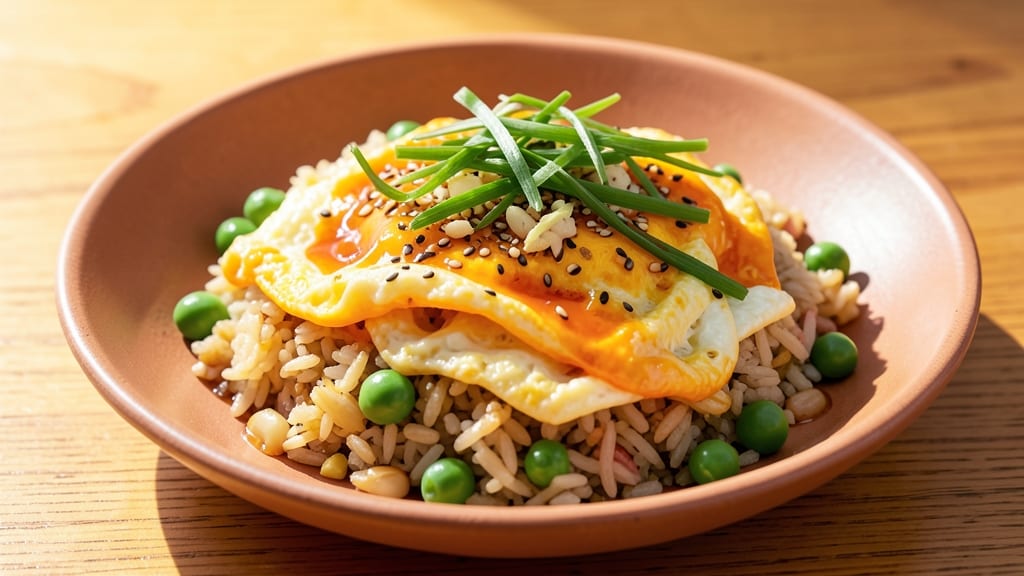
This tasty egg fried rice recipe delivers restaurant-quality flavor in one pan with minimal effort. The secret lies in perfectly cooked eggs, wok-hei technique, and a balance of umami from soy sauce and garlic that transforms simple ingredients into something extraordinary.
I've refined this recipe over years of testing, ensuring every bite delivers crispy edges, tender eggs, and aromatic vegetables.
What makes this recipe work is the proper sequence—first cooking the eggs separately for ideal texture, then stir-frying day-old rice with garlic, ginger, and vegetables before adding the eggs back in. A splash of sesame oil at the end adds depth, while scallions brighten the final dish.
The result is a harmonious blend of textures and flavors that's both satisfying and quick to prepare.
Ingredients for tasty egg fried rice
Four cups of day-old rice, four eggs, and a handful of fresh aromatics—this is the core of restaurant-style fried rice.
| Ingredient | Amount | Notes |
|---|---|---|
| Day-Old Cooked White Rice 🍚 | 4 cups | Cold and slightly dry preferred |
| Large Eggs 🥚 | 4 whole | Fresh, room temperature |
| Green Onions 🧅 | ½ cup | White and green parts separated |
| Garlic Cloves 🧄 | 4 cloves | Minced finely for aroma |
| Fresh Ginger 🌿 | 1 tbsp | Finely grated, peeled |
| Peas 🌱 | ½ cup | Frozen or fresh, thawed |
| Carrots 🥕 | ½ cup | Diced small, uniform pieces |
| Light Soy Sauce 🍶 | 3 tbsp | Kikkoman preferred |
| Dark Soy Sauce 🍶 | 1 tbsp | For color and depth |
| Sesame Oil 🫒 | 1 tbsp | Toasted, for aroma |
| Vegetable Oil 🫒 | 2 tbsp | High smoke point preferred |
| Salt 🧂 | ½ tsp | Adjust to taste |
| White Pepper 🌶️ | ¼ tsp | Freshly ground |
The rice is non-negotiable—day-old works best as it's drier and won't turn mushy. Koshihikari or jasmine rice from Trader Joe's or Whole Foods are ideal. If you're using fresh rice, spread it on a tray and refrigerate for 30 minutes to dry it out. The eggs? Room temperature makes all the difference—they'll cook more evenly and stay tender. For the aromatics, garlic and ginger should be fresh—no pre-minced jars here. The white parts of green onions add subtle sweetness while the greens brighten at the end. If you can't find fresh ginger, substitute with 1 tsp ground ginger, but it won't have the same punch.
No soy sauce? Coconut aminos work in a pinch, though the flavor will be slightly different. The dark soy sauce is just for color—skip it if you're watching sodium, but Kikkoman's light soy is the gold standard. Sesame oil is where the magic happens—toasted, not refined. If you've got any left from making peanut sauce, use that. The peas and carrots can be swapped for corn or bell peppers if you prefer. For extra protein, add diced chicken or shrimp cooked separately, but keep the focus on the eggs and rice for that classic texture. The white pepper is key—it's milder than black and won't darken your dish.
This keeps for 3 days in the fridge, though it's best eaten fresh. Portion into airtight containers with parchment paper between layers to prevent sticking. For leftovers, reheat in a skillet with a splash of water or soy sauce to restore crispiness. Freezes well for up to 3 months, but texture may soften slightly. If making ahead, cook the eggs separately and store them in the fridge—add them fresh when reheating for that perfect texture. The dish tastes even better the next day as flavors meld, so double up if you can.
Why You'll Love This Recipe
- No-Chop Night Saver: I swear by this—just slice those green onions roughly and minced garlic comes from a jar when I’m exhausted. The eggs scramble in seconds, and that day-old rice? Already prepped from last night’s dinner.
- Garlic-Ginger Magic: Between us, the ginger’s zing and garlic’s punch make this dish ridiculously good. I don’t even need soy sauce—just a splash of vinegar and the eggs’ richness carry everything. Honestly, the first bite always makes me pause.
- Lunchbox Hero: Pack this cold or reheated—it’s my go-to for school lunches or office meals. The eggs stay tender, the rice doesn’t get mushy, and my kids actually finish their portions. (Yes, even on a Tuesday night.)
- Pantry Staple Power: Three eggs, a handful of rice, and whatever veggies I have? This eats budget-friendly for days. I make a big batch on Sundays, and it’s still delicious by Thursday—no sad leftovers here.
Step-by-step instructions for one-pan umami-packed fried rice
Perfecting this dish comes down to high heat, quick stir-frying, and proper seasoning sequence.
Prepare the Vegetable and Protein Base
Heat the 2 tablespoons vegetable oil in a large skillet or wok over high heat until shimmering. Add the 4 cloves finely minced garlic cloves and 1 tablespoon finely grated fresh ginger, stirring constantly for 30 seconds until fragrant but not browned. This quick cook prevents bitterness and preserves their bright flavors.
Add the 0.5 cup diced carrots and 0.5 cup peas, stirring for 2 minutes until the carrots soften slightly but remain crisp. The vegetables should sizzle continuously—if they steam instead, your heat isn't high enough. Push the mixture to one side of the pan to create space for the eggs.
Scramble the Eggs Perfectly
Crack the 4 whole large eggs into a bowl, then pour them into the empty side of the pan. Let them sit undisturbed for 10 seconds to set slightly at the edges before gently pushing them toward the center with a spatula. Scramble quickly but thoroughly for 30-45 seconds until just set—soft curds with no liquid egg remaining.
Remove the eggs from the pan and set aside temporarily. This prevents overcooking while you finish the rice. The eggs should be moist but not runny, with visible texture but not dry. If they look too wet, cook for another 10 seconds before removing.
Stir-Fry the Day-Old Rice
Add the 4 cups day-old cooked white rice to the pan, breaking up any clumps with your spatula. Stir-fry for 2-3 minutes until the rice is evenly heated and begins to sizzle against the pan. The rice should be hot throughout but not yet crispy—this happens later in the process.
Drizzle the 1 tablespoon toasted sesame oil over the rice and stir to distribute evenly. This adds depth of flavor and helps prevent sticking. The pan should smell noticeably more aromatic at this point—this is your cue that the rice is properly incorporated.
Season with Precision
Pour in the 3 tablespoons light soy sauce and 1 tablespoon dark soy sauce, stirring vigorously to coat every grain of rice. The dark soy sauce will give the dish its signature rich color while adding subtle sweetness. Add the 0.5 teaspoon salt and 0.25 teaspoon freshly ground white pepper, then toss everything together for 1 minute.
Return the scrambled eggs to the pan and mix well to distribute evenly. The rice should now be glossy from the sauces and properly seasoned. Taste a grain—it should be savory but not salty, with a hint of umami from the soy sauces. Adjust seasoning if needed, adding a splash of water if the rice appears too dry.
Finish with Green Onions and Serve
Turn off the heat and immediately stir in the 0.5 cup green onions (both white and green parts). The high heat will slightly wilt the onions while keeping them bright and fresh. Let the fried rice rest in the pan for 1 minute to allow flavors to meld completely.
Serve immediately while hot, garnishing with additional green onion slices if desired. The dish should have distinct textures—crisp-tender vegetables, fluffy rice, and creamy eggs—all bound together by the savory soy sauce. Each bite should deliver balanced flavors with no single ingredient overpowering the others.
Pro Tips For Making Tasty Egg Fried Rice
- CHOP GINGER SMALL: I learned this the hard way—thin slices of ginger burn faster than you’d think. Dice it into tiny cubes (about 1/8-inch) so it cooks through without turning bitter. If you’re using fresh, a teaspoon’s worth is plenty—no need to overdo it.
- SCRAMBLE EGGS FIRST: Start by cooking the eggs in a separate pan until just set, then chop them into small pieces. Adding them directly to the rice makes the dish soggy and uneven. This way, you control the texture and avoid rubbery eggs.
- USE COLD RICE: Day-old rice is non-negotiable—it’s drier and absorbs flavors better. If you’re in a rush, spread freshly cooked rice on a tray and refrigerate for 30 minutes. Cold rice also prevents the dish from turning mushy when stir-fried.
- STIR-FRY IN BATCHES: Don’t overload the wok or pan—crowding the rice steams it instead of frying. Work in 2-3 portions, cooking each until the edges are slightly crispy before combining. This keeps every bite flavorful and textured.
Make-ahead tips for tasty egg fried rice
Prep Ahead Essentials
Start by cooking and cooling 4 cups of rice the night before—this ensures it's dry enough to crisp up properly. Spread it on a tray and refrigerate for 30 minutes if using fresh rice.
For the eggs, whisk 4 large eggs with ½ tsp salt and store in the fridge until ready to cook. This prep step alone makes the final dish taste restaurant-quality. 🍳
Fridge Storage Tips
Store your fried rice in an airtight container for up to 3 days, though it's best eaten fresh. Separate layers with parchment paper to prevent sticking.
For reheating, I add 1 tbsp water or soy sauce to the pan before heating over medium heat for 3-4 minutes, stirring constantly to restore crispiness. The sauce helps revive the texture beautifully. ❄️
Freezer-Friendly Strategy
Freeze fried rice for up to 3 months in a single layer before transferring to a freezer bag. When ready to eat, thaw overnight in the fridge, then reheat in a skillet with 1 tbsp sesame oil over medium heat.
For extra flavor, add ½ tsp grated ginger while reheating. The texture will be slightly softer but still delicious. 🥶
Egg Hack for Leftovers
Cook the eggs separately and store them in the fridge if making ahead. Add them fresh when reheating to maintain that perfect creamy texture. This keeps your fried rice from becoming eggy or rubbery.
I like to reheat the eggs in a small pan with ½ tsp butter for 20 seconds before mixing back in. 🥚
Double Batch Advantage
Make a double batch and freeze half—this is perfect for busy weeknights. The flavors actually improve overnight as the soy sauce and sesame oil meld together. When reheating, add 1 tsp water to the pan to help steam the rice back to life.
This method ensures you always have a quick, satisfying meal ready. 💡
Nutrition facts
Frequently asked questions
Why does my egg fried rice turn out mushy instead of crispy?
Mushy fried rice usually comes from using fresh rice that's too moist. Always use day-old rice—it should be slightly dry and separated. Spread freshly cooked rice on a tray and refrigerate for 30 minutes to dry it out if needed. Also, keep your heat at high and stir constantly to create those crispy edges.
Can I make this with brown rice or other varieties?
While this recipe works best with white rice (jasmine or koshihikari), you can use brown rice if you adjust the cooking time. Brown rice needs 5-6 minutes of stir-frying to crisp up properly. For extra crispiness, toast the brown rice in the pan for 1 minute before adding other ingredients. The texture will be chewier but still delicious.
What's the best way to cook the eggs for perfect texture?
For creamy, tender eggs, scramble them separately in the same pan until just set (30-45 seconds) with soft curds. Let them sit for 10 seconds after pouring before scrambling to prevent overcooking. Remove them temporarily while you cook the rice, then mix them back in at the end. This two-step method keeps the eggs perfectly moist and flavorful.
How can I add more protein without changing the recipe?
For extra protein, cook ½ lb shrimp or chicken separately and add them back in with the eggs. Shrimp should be sautéed for 2 minutes until pink, while chicken needs 5 minutes to cook through. Keep the protein chunks small (½-inch) for even cooking. This adds heartiness without altering the dish's balance.
Is it okay to use frozen peas and carrots?
Frozen peas and carrots work perfectly—they're pre-cooked and just need to be thawed and heated through. For best results, thaw them in a colander under warm water for 2 minutes before adding to the pan. This prevents excess moisture that could make your rice soggy.