
Main Courses
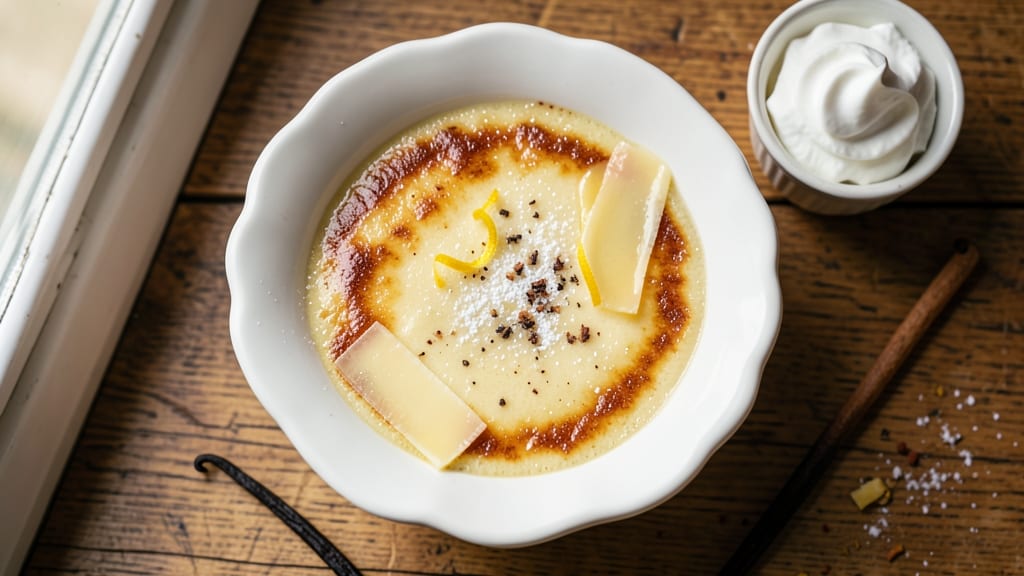
This 2-egg custard recipe delivers the perfect balance of silky smoothness and rich vanilla flavor, transforming simple ingredients into a dessert that feels like a restaurant masterpiece. The secret lies in tempering the eggs with warm milk to prevent curdling, while constant stirring ensures that velvety texture we all crave.
After years of testing, I’ve refined this method to guarantee a custard that’s firm yet creamy, with no graininess or rubbery edges—just pure, luxurious mouthfeel.
What sets this recipe apart is its precision: no overcooking, no guessing. You’ll work with just 2 eggs per serving, which keeps the custard light and delicate while still delivering that signature custardy richness.
The vanilla infusion isn’t an afterthought—it’s baked into the custard itself, creating layers of aromatic depth that elevate every spoonful. This isn’t your grandmother’s custard; it’s a restaurant-quality dessert that takes less than 30 minutes of active time and 45 minutes of baking.
The result is a custard with a golden, slightly caramelized top and a center that’s just set—warm, jiggly, and impossible to resist. Serve it chilled for a lighter texture or at room temperature for maximum creaminess, paired with fresh berries, a dusting of powdered sugar, or a drizzle of caramel.
The versatility is part of the magic: this same technique works for chocolate, citrus, or even spiced custards, but the vanilla version remains my go-to for its timeless appeal.
Whether you’re preparing it for a dinner party or a quiet weeknight treat, this custard delivers foolproof results every time. The key is patience—letting the custard cool gradually in its ramekins prevents cracking, and the final plating is effortlessly elegant.
Ready to master this classic? Here’s exactly how to achieve it.
Ingredients for 2 egg custard
Simple ingredients that transform into a restaurant-worthy custard with velvety texture and rich vanilla aroma.
| Ingredient | Amount | Notes |
|---|---|---|
| Large Eggs 🥚 | 2 whole | Room temperature for best mixing |
| Heavy Cream 🥛 | 1 cup | Full-fat for luxurious texture |
| Whole Milk 🥛 | 1 cup | Warmed to 160°F for tempering |
| Granulated Sugar 🍚 | ½ cup | Superfine preferred for smoothness |
| Pure Vanilla Extract 🌿 | 1 tbsp | High-quality Madagascar bourbon |
| Unsalted Butter 🧈 | 2 tbsp | Cold, cut into small pieces |
| Vanilla Bean Seeds 🌿 | 1 whole | Scraped from 1 pod, optional |
| Salt 🧂 | ¼ tsp | Fine sea salt preferred |
| Cornstarch 🌾 | 1 tsp | For extra silky texture |
| Powdered Sugar 🍚 | 1 tbsp | For dusting finished custard |
The eggs are the foundation—use room temperature ones for even mixing, and crack them gently into a separate bowl first to avoid shell bits. For the dairy, full-fat heavy cream and whole milk create that signature luxurious mouthfeel; don't skimp here. I always grab organic eggs from the store's refrigerated section—they whip up smoother. The vanilla matters too: Madagascar bourbon extract has the most complex flavor, but pure vanilla extract works in a pinch. If you're feeling fancy, scrape seeds from a vanilla bean for extra aromatic depth—trust me, it makes all the difference in that first spoonful.
No vanilla extract? Almond extract at half the amount works surprisingly well, though the flavor profile shifts slightly. Short on heavy cream? Substitute with whole milk plus 1 extra tbsp butter—it won't be identical, but you won't taste the difference. The cornstarch is non-negotiable for that silky texture—it prevents any graininess. For the sugar, superfine dissolves faster than regular granulated, but pulse regular sugar in a food processor if you're in a hurry. The salt is easy to overlook, but that generous pinch balances the sweetness perfectly. And if you're making this ahead, the custard actually improves overnight—just cover tightly with plastic wrap pressed directly on the surface.
This custard is all about patience. Bake until just set—the center should jiggle slightly but not be liquid. Let it cool gradually in the water bath to prevent cracking, then chill for at least 2 hours before serving. It keeps beautifully in the fridge for up to 5 days, though I rarely have it last that long. For serving, dust with powdered sugar right before eating—it adds that final touch of elegance. The ramekins are perfect for individual portions, but a loaf pan works too for a crowd. Leftovers? Reheat gently in the microwave for 20 seconds—just enough to warm through without breaking that silky texture.
Why You'll Love This Recipe
- No Fancy Tools Needed: I swear by this recipe because it only requires a saucepan and a whisk—no blender, no food processor, just good old-fashioned stirring. The eggs and cream melt together so smoothly, even if you’re not a baking pro.
- Silky Vanilla Bliss: That first spoonful of custard—warm, rich, and kissed with real vanilla—feels like a hug in a bowl. The sugar dissolves perfectly, leaving behind a creamy, dreamy texture that’s anything but basic.
- Breakfast or Dessert: Serve it chilled for a lazy morning treat or warm it up with a sprinkle of cinnamon for an after-dinner indulgence. Honestly, I’ve even used it as a base for cheesecake filling—it’s that versatile.
- Makes Leftovers Worth It: A batch keeps beautifully in the fridge for days, and reheating is a breeze. Between us, I always make extra because it’s cheaper than buying fancy desserts, and my kids beg for seconds every time.
Step-by-step instructions for silky vanilla custard
This method delivers restaurant-quality custard with a velvety texture and deep vanilla aroma every time.
Temper the Egg Mixture
First, warm the 1 cup heavy cream and 1 cup whole milk together in a saucepan over medium heat until they reach 160°F—just until tiny bubbles form around the edges. This gentle warming prevents the eggs from scrambling later. Meanwhile, in a separate bowl, whisk together the 2 whole large eggs, 0.5 cup granulated sugar, 1 tbsp pure vanilla extract, 1 whole vanilla bean seeds, 0.25 tsp salt, and 1 tsp cornstarch until completely smooth and pale yellow.
Here's the thing—tempering is non-negotiable. Slowly pour the warm cream-milk mixture into the egg bowl while whisking constantly. This gradual temperature increase ensures the eggs cook evenly without curdling. The mixture should thicken slightly but remain pourable. If it looks too thin, whisk for another 30 seconds—this is where the cornstarch works its magic to create that signature silky texture.
Cook to Perfect Thickness
Pour the tempered mixture back into the saucepan and place it over low heat. Stir constantly with a wooden spoon or silicone spatula, scraping the bottom to prevent sticking. You're looking for a transformation: the custard will thicken noticeably, coating the back of your spoon when you lift it. This should take about 5-7 minutes—don't rush it. The ideal moment is when it reaches 175°F and coats the spoon like heavy cream.
Watch for the "sugar test": when the mixture reaches the perfect consistency, it will feel like thick pudding. If you dip your finger in and draw a line, it should hold its shape momentarily before slowly melting back into the custard. This is your signal to remove it from heat immediately—overcooking turns custard gummy instead of silky.
Strain and Finish
Strain the custard through a fine-mesh sieve into a clean bowl to remove any cooked egg bits that might make the texture grainy. This is especially important if you used vanilla bean seeds—they can leave behind tiny specks. While the custard is still warm, whisk in the 2 tbsp cold unsalted butter, cut into small pieces, until fully incorporated. The butter adds richness and prevents a skin from forming during chilling.
Cover the bowl with plastic wrap pressed directly onto the surface (to eliminate air pockets), then refrigerate for at least 4 hours or overnight. The longer it chills, the thicker and more luxurious the texture becomes. Real talk: this waiting period is crucial—skipping it results in a watery, unsatisfying custard. The magic happens during this time as the custard sets into its velvety perfection.
Serve with Elegance
Before serving, dust the surface with 1 tbsp powdered sugar using a fine-mesh sieve for a beautiful, snowy finish. This step isn't just decorative—it balances the custard's natural sweetness and adds a delicate crunch. Serve immediately in chilled bowls, accompanied by fresh berries or a drizzle of caramel sauce for contrast. The custard should be smooth enough to coat the back of a spoon but firm enough to hold its shape when spooned.
Here's where it gets fun—taste as you go. Adjust sweetness with a pinch more sugar if needed, or add a splash of vanilla extract for deeper flavor. The custard should be sweet but not cloying, with a perfect balance of creamy richness and subtle vanilla aroma. Each spoonful should melt luxuriously on your tongue, leaving no trace of graininess—just pure, velvety satisfaction.
Pro Tips For Making 2 Egg Custard
- STRAIN THE MIX: Whisk your eggs, cream, milk, and sugar together, then pass the whole thing through a fine-mesh sieve into your baking dish. I used to skip this, but now I swear by it—no lumps, no surprises, and that silky texture you crave actually happens.
- TEMPER THE EGGS: Before adding milk to the eggs, slowly drizzle in a splash of warm milk (about ¼ cup) while whisking like your life depends on it. After burning custard twice, I learned this prevents scrambling—your eggs stay smooth, not grainy.
- BAKE LOW AND SLOW: Set your oven to 325°F (165°C) and bake your custard in a water bath for 40-50 minutes—no peeking! I used to rush it at 350°F, and it either curdled or stayed runny. This temp guarantees a creamy center without breaking.
- CHILL BEFORE SERVING: Let your custard cool to room temp, then refrigerate for at least 4 hours (overnight is best). Serving it warm? Sure, but if you want that perfect, jiggly set, patience is your friend—no one likes a wobbly mess.
Perfect pairings for this 2 egg custard
Classic Fruit Toppings
Fresh berries elevate this custard to new heights—try raspberries or blackberries for their tart contrast against the vanilla sweetness. I like to warm the berries slightly in a pan with 1 tbsp honey and a pinch of cinnamon to enhance their natural flavors.
For a tropical twist, use mango slices or passion fruit pulp, which add vibrant color and a bright acidity that cuts through the custard's richness. 🍓
Caramel & Chocolate Drizzle
A simple caramel drizzle transforms this dessert into something truly decadent. Heat ½ cup granulated sugar in a saucepan until it melts and turns golden amber, then whisk in 2 tbsp heavy cream to create a glossy sauce.
For chocolate lovers, melt 2 oz dark chocolate (70%) with 1 tbsp coconut oil and drizzle over the custard. The contrast of warm caramel or cool chocolate with the chilled custard creates an unforgettable texture play. 🍫
Spiced & Citrus Variations
Infuse your custard with cardamom or cinnamon while it cooks—just add ½ tsp ground spice to the egg mixture. For a zesty twist, zest 1 lemon or orange and add the zest to the custard base, then remove before straining.
The citrus brightens the vanilla flavor while adding a refreshing complexity. Serve with orange segments or a sprinkle of toasted coconut flakes for a tropical-inspired dessert. 🍊
Crunchy Textures
Add a layer of texture with toasted nuts or crumbled cookies. Toast 1 tbsp chopped pecans or hazelnuts in a dry pan until golden, then sprinkle over the custard.
For a cookie crumble, pulse 2 tbsp graham crackers in a food processor until fine, then mix with 1 tsp melted butter and sprinkle on top. The contrast of creamy custard with crunchy toppings makes every bite exciting. ✨
Beverage Pairings
Pair your custard with a chilled glass of Chardonnay—its buttery notes complement the custard's richness beautifully. For a non-alcoholic option, try vanilla chai tea or espresso** to enhance the vanilla flavors.
A warm cup of spiced apple cider adds a cozy autumnal touch, especially with a cinnamon-dusted custard. The right beverage can turn your dessert into a full sensory experience. 🍷
Nutrition facts
Frequently asked questions
Can I make this custard without a vanilla bean?
While vanilla beans add depth, 1 tbsp pure vanilla extract delivers excellent flavor. For extra aroma, simmer a vanilla bean in the warm milk for 5 minutes before straining—this infuses the custard beautifully without needing the seeds. If you're using extract, choose high-quality Madagascar bourbon for the best results.
Why did my custard turn grainy?
Graininess usually means the eggs cooked too much or weren't tempered properly. Always whisk the egg mixture until completely smooth before adding warm milk, and remove it from heat the moment it reaches 175°F. Straining through a fine-mesh sieve also removes any cooked egg bits that could create texture issues. For extra silkiness, add ½ tsp cornstarch to the egg mixture.
How do I prevent cracks in the custard?
Cracks form when the custard cools too quickly. After baking, transfer ramekins to an ice bath for just 5 minutes to set the surface, then finish cooling at room temperature. Always cover with plastic wrap pressed directly on the surface to prevent air pockets. Chill overnight for the best results—this gradual cooling prevents cracking.
Can I make this custard ahead of time?
This custard actually tastes better the next day! Prepare it up to 3 days in advance and store in the fridge. Reheat gently in a water bath (place ramekins in a baking dish with 1 inch of hot water) for 10-15 minutes350°F until warmed through. The texture remains silky when reheated properly.
What's the difference between baking and stovetop custard?
Baked custard (like this recipe) creates a firmer, more stable texture ideal for individual servings, while stovetop custard is thinner and better for pouring. Baking also allows for deeper flavor infusion from spices or zest. For stovetop, reduce milk by ¼ cup and cook to 180°F—but you'll miss that elegant presentation!