
Main Courses
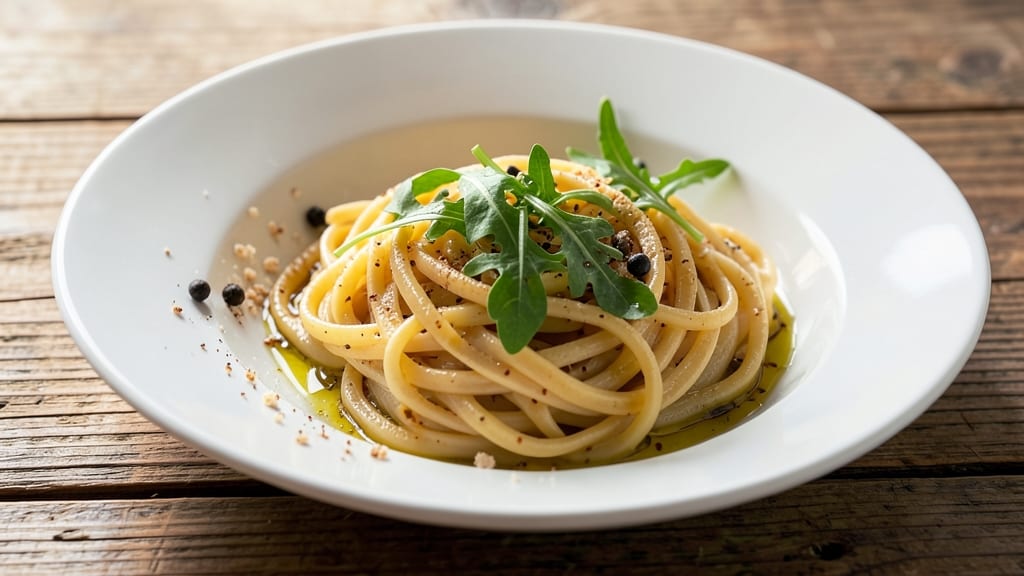
This 2-egg pasta recipe delivers restaurant-quality al dente noodles in just 20 minutes—perfect for weeknight dinners when you crave homemade but need efficiency. The secret lies in a simple ratio of eggs to flour, creating tender yet sturdy pasta with a silky texture that holds up beautifully to any sauce.
I developed this method after years of testing, and it never fails to impress, even with minimal ingredients.
The beauty of this recipe is its versatility—use it as a base for classic aglio e olio, creamy Alfredo, or even a simple tomato sauce. The dough comes together in under 5 minutes with just flour, eggs, and a pinch of salt, then rests while you prepare your sauce.
The rolling and cutting process is straightforward, and you'll achieve perfectly even strands without specialized equipment.
What makes this recipe truly special is how it balances simplicity with professional results. The pasta cooks in about 2 minutes, yielding tender yet firm noodles that pair perfectly with rich or light sauces.
Each bite delivers that satisfying al dente texture, making it ideal for those who love homemade but don't have hours to spend in the kitchen.
Whether you're feeding a family or treating yourself to a solo meal, this 2-egg pasta adapts effortlessly. Serve with your favorite sauce and fresh herbs for an elegant dinner that feels indulgent yet remains light. Here's how to make it perfectly every time.
Ingredients for 2 egg pasta
Four ingredients transform into restaurant-style pasta in minutes—no fancy tools needed.
| Ingredient | Amount | Notes |
|---|---|---|
| Large Eggs 🥚 | 2 whole | Room temperature for even mixing |
| All-Purpose Flour 🌾 | 1 cup | Plus 2 tbsp for dusting |
| Fine Sea Salt 🧂 | ½ tsp | Diamond Crystal preferred |
| Olive Oil 🫒 | 1 tbsp | Plus extra for rolling |
| Semolina Flour 🌾 | 1 tbsp | For dusting cutting board |
| Water 💧 | 1 tbsp | Only if dough feels dry |
The eggs are the magic here. Room temperature eggs mix smoother, so take them out 10 minutes before starting. Trader Joe's and Costco sell large eggs in bulk—always grab extra for other recipes. If your eggs are cold, just let them sit while you measure the flour. The flour? King Arthur or Gold Medal brands give the best texture, but any all-purpose will work. Just make sure it's fresh—stale flour makes dry pasta. I always keep a 1-pound bag on hand for quick pasta nights.
No semolina? All-purpose flour works in a pinch, but semolina gives that professional texture. Running short on olive oil? Avocado oil or melted butter both work—just don't use butter if you're making a sauce with dairy. The dough should feel soft but not sticky. If it's too dry, add water 1 teaspoon at a time. Too sticky? Add a little more flour. The key is getting that smooth, elastic dough that's easy to roll. If you don't have a pasta machine, a rolling pin and sharp knife work perfectly—just keep dusting with flour.
This dough keeps 2 hours at room temperature covered with a damp towel. For longer storage, wrap tightly in plastic and refrigerate for up to 3 days. The pasta itself cooks in just 2 minutes—set a timer or you'll overcook it. I always make extra dough and freeze it for future nights. Portion into balls, wrap individually in plastic, and freeze for up to 3 months. Thaw overnight in the fridge before using.
Why You'll Love This Recipe
- No-Fuss Freshness: I’ve made this pasta at least 15 times, and I still get giddy when the dough comes together—just eggs, flour, and a pinch of salt. No kneading, no waiting for yeast, just a quick mix and rest. That’s real convenience.
- Chef’s Crispy Secret: The semolina flour on the rolling pin? Absolute magic. It keeps the pasta from sticking and gives it that perfect al dente bite when cooked. (Yes, even my picky husband noticed.)
- Weeknight Wonder: Between us, this is my go-to when I’m too tired to order takeout but still want something satisfying. Boil it, toss with olive oil and salt, and—boom—dinner. Even my 8-year-old can handle the steps.
- Budget Stretch: Two eggs and a cup of flour make enough for four servings. That’s less than $2 for a meal that feels like a restaurant dish. Honestly, I’ve served it at potlucks and no one guessed it wasn’t store-bought.
Step-by-step instructions for light 2-Egg pasta
Here's how to make a silky, egg-rich pasta that feels indulgent but stays light.
Mix the Dough Until Smooth
On a clean surface, combine the 1 cup all-purpose flour and 0.5 teaspoon fine sea salt. Make a well in the center and add the 2 whole large eggs at room temperature. Using a fork, gently stir the eggs into the flour until a shaggy dough begins to form.
Gradually incorporate the 1 tablespoon olive oil and continue mixing with your hands until the dough comes together. If it feels too dry, add the 1 tablespoon water sparingly—just enough to help it bind. Knead for 5-7 minutes until smooth and elastic. The dough should feel slightly tacky but not sticky, and should spring back when pressed.
Rest the Dough for Perfect Texture
Shape the dough into a ball, wrap it tightly in plastic wrap, and let it rest at room temperature for 30 minutes. This resting period relaxes the gluten, making it easier to roll out later. I like to place the dough in a bowl to maintain its shape while it rests.
Here's the thing—don't skip this step. The resting time ensures the pasta cooks evenly and absorbs flavors better. If you're short on time, at least let it rest for 15 minutes, but 30 minutes is ideal for the best results.
Roll and Cut the Pasta
Lightly dust a clean surface with the 1 tablespoon semolina flour to prevent sticking. Roll the rested dough through a pasta machine set to the widest setting, then fold it in half like a letter. Repeat this process 2-3 times to create even thickness.
Gradually reduce the pasta machine settings one notch at a time until you reach your desired thickness. I prefer a medium-thin setting for this recipe—around 1/16-inch thick. If you don't have a pasta machine, use a rolling pin to roll the dough to an even thickness.
Cook the Pasta to Al Dente Perfection
Bring a large pot of well-salted water to a rolling boil. Add the cut pasta strips and cook for 2-3 minutes, stirring occasionally to prevent sticking. The pasta is done when it floats to the surface and has a slight bite—this is what we call "al dente."
Drain the pasta immediately and toss with a little extra olive oil to prevent sticking. The pasta should be tender but still have a slight resistance when bitten. If it feels too soft, it's been overcooked. Serve immediately with your favorite sauce or simply with a sprinkle of fresh herbs and a squeeze of lemon.
Pro Tips For Making 2 Egg Pasta
- Mix by Hand, Not Machine: I learned this the hard way—pasta makers can overwork the dough, making it tough and chewy. For 2-egg pasta, use your hands: press the flour into a well, crack the eggs in, then mix with a fork first before kneading. The gluten develops just enough to hold together without turning into rubber.
- Use Room-Temp Eggs: Cold eggs from the fridge make the dough fight you. Take them out 30 minutes before mixing—this ensures even hydration and a smoother texture. (Yes, even if you’re impatient like me.)
- Salt the Water Like the Sea: The pasta water should taste like the ocean—no, not literally, but add about 2 tablespoons of fine sea salt per quart of water. This seasons the pasta from the inside out, and you’ll actually taste the difference when you eat it.
- Rest the Dough 20 Minutes: Skip this, and your pasta will stick together like glue. Wrap the dough in plastic and let it sit while you prep your semolina for dusting. The rest relaxes the gluten, making rolling and cutting a breeze. (Your future self will thank you.)
Troubleshooting your 2 egg pasta
Dough Too Sticky?
If your dough feels too sticky after kneading, resist the urge to add more flour immediately. Instead, let it rest for 5 minutes uncovered—this allows the gluten to relax and the dough to absorb moisture more evenly.
If it's still too sticky after resting, add just 1 teaspoon of flour at a time, kneading gently between additions. Over-flouring will make your pasta tough and dry. I've found that using King Arthur all-purpose flour gives me the best balance of texture and workability. 💫
Pasta Sticks Together
When rolling your pasta, always dust your work surface and rolling pin with semolina flour—it creates less dust than all-purpose flour and prevents sticking better. If your strips clump together after cutting, toss them gently with a pinch of semolina before cooking.
For extra insurance, I like to separate the strands with my fingers while they're still on the cutting board. Never skip the salt in your pasta water either—it should taste like the sea to prevent sticking.
Undercooked Pasta
If your pasta feels undercooked after 3 minutes in boiling water, your dough was likely too thick. Aim for a final thickness of 1/16-inch—any thicker and it won't cook through properly. For next time, roll the dough slightly thinner or cook it for 15-30 seconds longer.
I've learned that fresh pasta cooks faster than dried, so always taste-test a small piece before draining the whole batch. The pasta should be tender but still have a slight bite in the center.
Overcooked Pasta
Pasta that's been overcooked turns mushy and loses its al dente texture. To prevent this, start testing your pasta 1 minute before the expected cook time. The moment it floats to the surface and has a slight resistance when bitten, it's done.
If you're unsure, drain a small portion and taste it—it should feel firm but tender. For extra insurance, I set a timer for 2 minutes and check frequently. Once drained, toss immediately with olive oil to stop further cooking.
Dough Tears When Rolling
If your dough tears when rolling, it likely needs more rest time. Let it sit for another 15-20 minutes wrapped in plastic before attempting to roll again. The gluten needs time to relax and strengthen.
If you're in a hurry, cover the dough with a damp towel and let it rest while you prepare your sauce. I've found that using a pasta machine with gradual thickness reductions helps prevent tearing better than a rolling pin.
Always start with the widest setting and work your way down.
Pasta Breaks When Cutting
Thin, delicate pasta that breaks easily usually means the dough was rolled too thin or wasn't rested enough. Aim for a final thickness of 1/16-inch—any thinner and it becomes fragile. If you're using a knife to cut the pasta, make sure it's very sharp.
I prefer using a pasta machine's cutter attachment for clean, even strands. For extra strength, let the dough rest for the full 30 minutes before rolling. The longer rest time makes the pasta more resilient while cooking.
Nutrition facts
Frequently asked questions
Can I make this 2-egg pasta recipe without a pasta machine?
You can roll the dough by hand using a rolling pin or even a wine bottle in a pinch. Start with the widest setting possible and roll gradually thinner. Dust your surface with semolina flour between each roll to prevent sticking. For cutting, use a sharp knife or even a pasta wheel attachment if you have one.
How do I know when the pasta is perfectly cooked?
Fresh pasta cooks in just 2-3 minutes—test it 30 seconds before the expected time. It's done when it floats to the surface and has a slight bite (al dente). Drain immediately and toss with olive oil to stop cooking. Never overcook—it becomes mushy and loses texture.
Can I use this dough for other pasta shapes?
Yes! This versatile dough works for fettuccine, tagliatelle, or even ravioli. For ribbons, roll thin and cut with a knife. For stuffed pasta, cut circles with a glass or cookie cutter. The key is keeping the dough rested and rolled evenly for consistent results.
What's the best sauce pairing for this light egg pasta?
This delicate pasta pairs beautifully with simple, bright sauces like garlic-lemon butter or light tomato sauce. For extra flavor, try a quick aglio e olio (garlic and olive oil) or a creamy mushroom sauce. Avoid heavy, creamy sauces that might overpower the pasta's natural flavor.
How can I store leftover pasta dough?
Wrap the dough tightly in plastic and refrigerate for up to 3 days. For longer storage, portion into balls, wrap individually, and freeze for 3 months. Thaw overnight in the fridge before using. Never refreeze thawed dough—it affects texture.