
Breakfast & Brunch
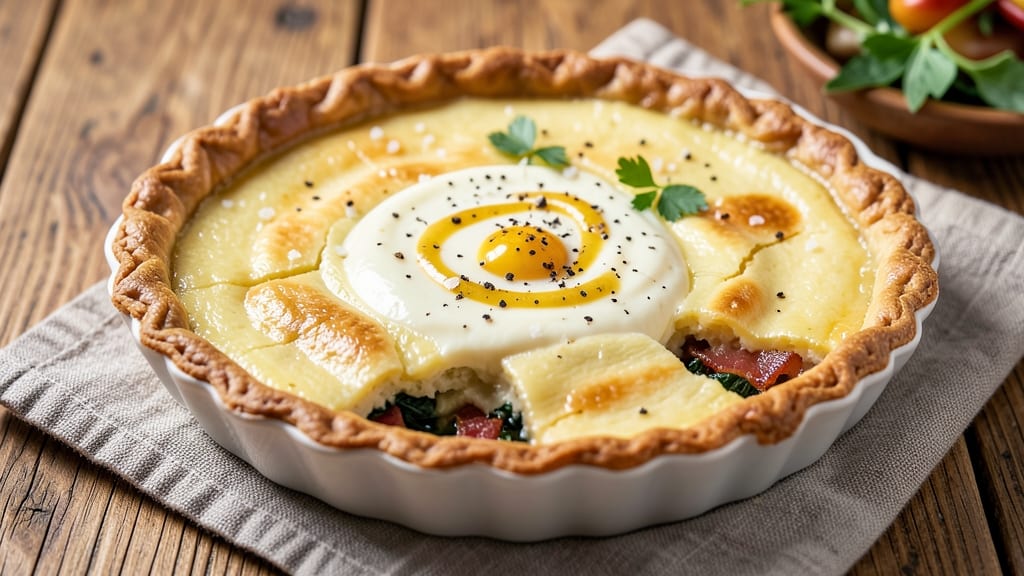
This 2-egg quiche recipe delivers a perfectly crisp crust and silky, golden eggs—no shortcuts, just restaurant-quality results. The secret lies in pre-baking the crust just enough to hold its shape while keeping it tender inside, then pouring a rich egg custard that transforms into velvety perfection.
I've perfected this method after years of trial and error, ensuring every bite offers that satisfying contrast of crisp edges and creamy filling.
The beauty of this recipe is its simplicity: just two eggs, a few pantry staples, and 15 minutes of prep work. Whether you use a store-bought crust for convenience or make your own for that extra flaky texture, the technique remains the same.
The egg mixture is seasoned with a touch of mustard and herbs, creating depth that elevates every forkful. What makes this quiche truly special is how it balances texture and flavor without relying on heavy cheese or excessive fillings.
By the time it emerges from the oven, you'll have a quiche with a crispy golden crust and a custard so silky it practically melts in your mouth. The edges stay perfectly set while the center remains tender, proving that great quiche doesn't require a dozen eggs or complicated techniques.
This is the kind of breakfast that transforms an ordinary morning into something memorable—ideal for brunch, a light lunch, or even a dinner when paired with a fresh salad.
Ready to elevate your breakfast game? The best part is how versatile this recipe is—add sautéed spinach, diced ham, or shredded cheese for customizable variations. Here's everything you need to make it happen.
Ingredients for 2 egg quiche
Two eggs, a crisp crust, and pantry staples—this quiche delivers restaurant-quality texture with zero fuss.
| Ingredient | Amount | Notes |
|---|---|---|
| Pie Crust (Store-Bought or Homemade) 🥧 | 1 whole | Pre-baked for 10 minutes at 375°F |
| Large Eggs 🥚 | 2 whole | Room temperature for best blending |
| Heavy Cream 🥛 | ½ cup | Full-fat for richness |
| Whole Milk 🥛 | ¼ cup | Warmed slightly for smooth custard |
| Dijon Mustard 🍯 | 1 tbsp | For subtle depth of flavor |
| Salt 🧂 | ½ tsp | Kosher or sea salt |
| Freshly Ground Black Pepper 🌶️ | ¼ tsp | Freshly cracked for best flavor |
| Fresh Chives 🌿 | 2 tbsp | Chopped finely for garnish |
| Fresh Dill 🌿 | 1 tbsp | Chopped, for herby brightness |
| Unsalted Butter 🧈 | 2 tbsp | Melted for brushing crust |
| Shredded Gruyère Cheese (Optional) 🧀 | ½ cup | For extra richness |
| Spinach (Optional) 🍃 | 1 cup | Sautéed until wilted |
The crust is non-negotiable for that perfect crisp edge. Pillsbury refrigerated crust is my go-to for convenience, but homemade wins for texture. Pre-bake it at 375°F for 10 minutes—just enough to set the shape without overcooking. For extra flakiness, brush the bottom with melted butter before adding the filling. The Gruyère adds a luxurious touch, but if you skip it, the mustard and herbs still deliver that savory depth. Fresh herbs are ideal, but dried dill at one-third the amount works in a pinch.
No heavy cream? Full-fat coconut milk mimics the richness surprisingly well. Short on chives? Green onion tops or extra dill work just as well. The mustard is key—it cuts through the richness and adds complexity. If you're adding spinach, sauté it until completely wilted to avoid a soggy quiche. For a vegan version, swap the butter for olive oil and use flax eggs (1 tbsp ground flaxseed + 3 tbsp water per egg). The crust can be pre-made and frozen for up to 3 months—just thaw before using.
This quiche reheats beautifully—just 5 minutes at 350°F to restore that crisp edge. Store leftovers in an airtight container for 3 days in the fridge. The crust stays crisp for 2 days if you reheat it properly. For meal prep, slice it into wedges and freeze individual portions for up to 2 months. The filling reheats best than the crust, so plan accordingly if you're freezing.
Why You'll Love This Recipe
- No-Fuss Assembly: I swear by this recipe because it’s literally just whisking eggs, cream, and milk—no measuring cups, no confusing ratios. The Dijon mustard adds depth without extra effort, and the crust goes in last. Honestly, I’ve made it while waiting for dinner to cook.
- Rich Without Guilt: That creamy custard? Just two eggs and heavy cream—no butterfat overload, but still velvety smooth. The whole milk keeps it luscious without tasting heavy, and the mustard gives it a tangy punch that makes it feel fancy. (Yes, even on a Tuesday night.)
- Lunchbox Hero: Between us, this is my go-to for packed lunches. Slice it up, wrap in foil, and it stays perfect for days—no soggy crust here. My kids (and my husband) fight over who gets the last piece, and I haven’t had to grocery shop for leftovers in weeks.
- Budget Breakfast Win: Store-bought crust, a couple eggs, and a splash of cream? This quiche costs me pennies per serving. I’ll be real: it’s not the prettiest, but the taste makes up for it, and it stretches to feed the whole family—or me for three days straight. No regrets.
Step-by-step instructions for perfect 2 egg quiche
Let's build this silky, golden quiche with a crisp crust and custard so smooth it'll disappear in minutes.
Prep the Crust for Maximum Crisp
First, preheat your oven to 375°F—this is crucial for getting that perfect golden crust. Place the pie crust in a 9-inch pie dish and press it gently into the edges to create a flat base. Here's the thing—I like to use a fork to poke about 12 small holes in the bottom of the crust. This prevents air bubbles from forming and ensures an even bake.
Next, melt the 2 tablespoons unsalted butter in a small saucepan over low heat. Once fully melted, use a pastry brush to coat the crust evenly with the butter. This step is non-negotiable—it creates that signature crispy texture and rich flavor. Bake the crust for 10 minutes until it's just starting to turn golden around the edges. Watch closely after 8 minutes—you want it to be set but not fully browned yet.
Sauté Optional Spinach (If Using)
If you're including the 1 cup spinach, heat a small skillet over medium heat and add a tiny bit of olive oil if needed. Add the spinach and cook for 2-3 minutes until it's just wilted and bright green. The key is to not overcook it—you want it to retain that vibrant color and just enough texture to hold together in the quiche. Drain any excess liquid and spread the spinach evenly over the pre-baked crust.
This step makes all the difference for texture. If you skip the spinach, you can press the 0.5 cup shredded Gruyère cheese (optional) directly onto the crust now, but I find the spinach layer creates a beautiful contrast with the creamy custard.
Whisk the Custard to Perfection
In a medium bowl, crack the 2 whole large eggs and add the 0.5 cup heavy cream, 0.25 cup whole milk, 1 tablespoon Dijon mustard, 0.5 teaspoon salt, and 0.25 teaspoon freshly ground black pepper. Here's where it gets important—whisk vigorously for 2-3 minutes until the mixture is completely smooth and pale yellow. You're incorporating air into the custard, which will give you that light, fluffy texture.
I always use a fork first to break up any egg whites, then switch to a whisk for thorough blending. The mixture should be homogeneous with no visible streaks of egg white. If you're using the Gruyère, sprinkle half of it over the crust now, then pour the custard mixture evenly over the top. The cheese will melt beautifully into the custard.
Bake Until Golden and Set
Return the quiche to the oven and bake for 25-30 minutes until the custard is set and the top is golden brown. Here's how to test for doneness: the center should look just slightly puffed but not jiggly. If you run a knife through it, the custard should come out clean with no runny egg. The crust should be deep golden brown—if it's not brown enough, broil for 1-2 minutes at the end, watching closely to avoid burning.
I like to bake mine on the middle rack to ensure even heat distribution. The quiche is done when it's firm to the touch but still has that silky sheen on top. Let it rest for 10 minutes before slicing—this allows the custard to set completely and makes it easier to serve.
Garnish and Serve Warm
While the quiche rests, chop the 2 tablespoons fresh chives and 1 tablespoon fresh dill finely. Sprinkle them evenly over the top just before serving. The fresh herbs add a bright contrast to the rich custard and create that restaurant-quality presentation. If you used the remaining Gruyère, sprinkle it on now while the quiche is still warm.
Slice into wedges and serve immediately. The crust should be crisp and flaky, the custard silky with just a slight wobble in the center, and the herbs adding freshness with every bite. This quiche tastes even better the next day, but it's so good fresh out of the oven that you'll struggle to wait!
Pro Tips For Making 2 Egg Quiche
- Preheat Crust Blind: Slap a pie crust in a 9-inch pan, prick it all over with a fork, then blind-bake it for 10 minutes with pie weights or dried beans before filling. I learned this the hard way—skipping it leads to a soggy bottom that ruins the whole quiche, no matter how good the custard.
- Whip Cream First: Beat the heavy cream and milk together until slightly thickened before adding eggs and mustard. This lightens the custard, giving your quiche that airy texture instead of a dense, eggy slab. (Yes, even if you’re impatient like me—just 30 seconds with a whisk makes a difference.)
- Salt the Custard: Add ½ teaspoon of salt to the egg-milk mixture before baking, not just to the crust. Dijon mustard already packs flavor, but the custard itself needs balance—this prevents a bland or metallic taste that sneaks in when you skip it.
- Bake Low and Slow: Start quiche at 375°F (200°C) for 15 minutes, then drop to 325°F (160°C) until the center jiggles like Jell-O. High heat sets the outside too fast, leaving the middle undercooked or rubbery. (Your future self will thank you for the patience.)
Serving suggestions for 2 egg quiche
Brunch Plating
Serve your quiche warm with 4-6 slices of crispy bacon scattered on top for a savory contrast. I love pairing it with a simple mixed greens salad tossed in lemon vinaigrette—the acidity cuts through the richness beautifully.
For extra flair, arrange the quiche wedges on a wooden board with fresh sliced radishes and cherry tomatoes around the edges. 🥗
Coffee Pairings
A medium-roast French press coffee with hazelnut cream enhances the quiche's nutty notes from the Gruyère. If you prefer tea, a chamomile or Earl Grey complements the mustard and herbs without overpowering. For a festive touch, serve with sparkling apple cider—the bubbles cleanse the palate between bites. ☕
Cheese Board Twist
Turn your quiche into a cheese board centerpiece by slicing it into small wedges and arranging it alongside aged cheddar, brie, and goat cheese. Add cured meats like prosciutto and sliced apples for a sophisticated brunch spread. The quiche's creamy texture balances the bold flavors perfectly. 🧀
Meal Prep Strategy
For grab-and-go breakfasts, slice the quiche into individual portions and store in glass meal prep containers. Pair each serving with a small side of roasted sweet potatoes or avocado slices for a balanced meal. The quiche reheats beautifully—just 5 minutes at 350°F to restore crispness. ⏰
Kid-Friendly Serving
Cut the quiche into fun shapes using cookie cutters—stars, hearts, or dinosaurs make it irresistible for little ones. Serve with fruit skewers and yogurt parfaits for a colorful, balanced meal. The mild flavors and creamy texture always win over picky eaters. 🦖
Garnish Upgrade
Elevate your presentation with edible flowers like nasturtiums or microgreens. A drizzle of truffle oil (just ½ teaspoon) adds luxury, while crispy fried shallots bring a delightful crunch. These finishing touches make your quiche look like it came from a high-end café. ✨
Nutrition facts
Frequently asked questions
Why does this recipe use only 2 eggs?
Two eggs create a lighter, more delicate texture perfect for a quick breakfast or brunch. The custard stays silky rather than dense, and the crust's flavor shines through. This version also bakes faster (just 25-30 minutes) and uses less dairy than traditional recipes.
Can I make this quiche ahead of time?
Assemble it up to 24 hours ahead and refrigerate uncovered. Bake straight from the fridge (add 5-10 minutes to baking time). For best texture, reheat slices at 350°F for 5 minutes to restore crispness. The crust stays fresh for 2 days this way.
What's the secret to a crisp crust?
Pre-bake the crust for 10 minutes at 375°F before adding filling, then brush with melted butter. The holes in the bottom prevent sogginess, and the butter adds golden color. For extra flakiness, blind-bake with pie weights or dried beans for 5 minutes first.
Can I substitute the heavy cream?
Yes! Use ½ cup whole milk + 2 tablespoons melted butter for richness, or ½ cup full-fat coconut milk for a dairy-free option. The mustard and herbs still deliver depth—just whisk everything vigorously to maintain texture. Avoid low-fat versions that can make the custard watery.
How do I fix a runny center?
If the center's still jiggly, return to 350°F for 5-10 more minutes covered with foil. For next time, whisk the eggs longer (aim for 3 minutes) and use room-temperature dairy. A water bath (placing the dish in a larger pan with 1 inch hot water) also helps even baking.