
Desserts
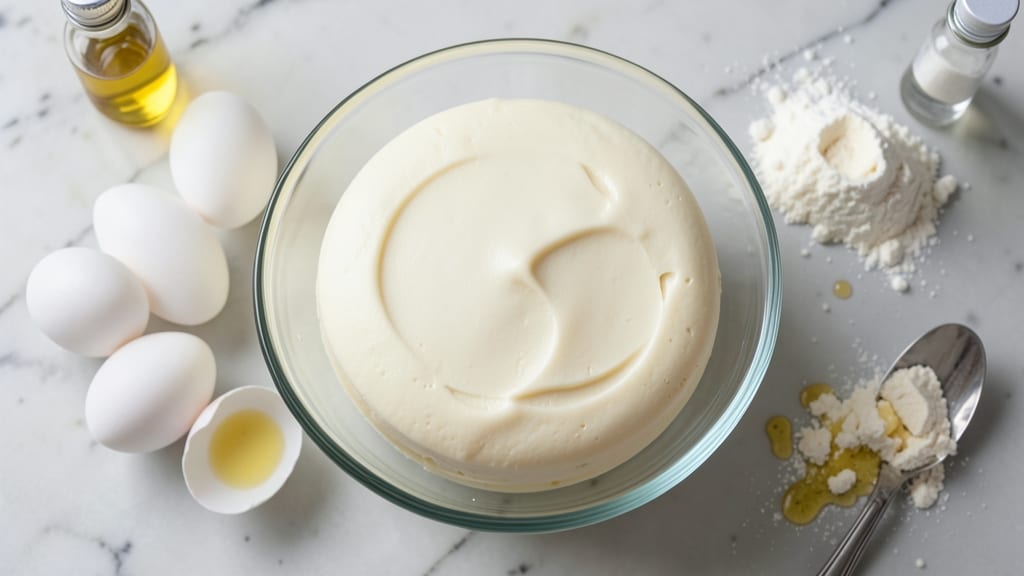
This 2 egg white cake recipe delivers ethereal layers so light they practically disappear on your tongue—no heavy butter or grease in sight. The secret lies in properly whipped egg whites and a delicate balance of sugar, creating a structure that's both sturdy and airy.
I've perfected this technique over years of baking experiments, and it never fails to impress even the most skeptical cake lovers.
What makes this recipe truly special is its versatility—it works beautifully as a simple sponge cake, a showstopping layered dessert, or even a gluten-free option when paired with the right flour blend.
The cake rises dramatically in the oven yet remains tender, with a fine crumb that melts in your mouth. Perfect for special occasions or when you want something elegant yet simple to prepare.
By the time you're done, you'll have a cake that's light-as-air with clean, sweet flavors and no aftertaste of fat.
The texture is what truly sets this apart—no dense layers or greasy mouthfeel, just pure, delicate cake that's perfect for filling with cream, fruit, or even leaving as-is for a refreshing treat. This is baking at its most refined.
The best part? This recipe requires just basic kitchen tools and about 45 minutes of active time (plus cooling). Whether you're a seasoned baker or just starting out, the technique is straightforward once you understand the key steps.
Let's create something extraordinary with just two egg whites and a few simple ingredients.
Ingredients for 2 egg white cake
Just eleven ingredients transform into ethereal layers that vanish on your tongue—no grease, no guilt.
| Ingredient | Amount | Notes |
|---|---|---|
| Large Egg Whites 🥚 | 4 whole | Room temperature, pasteurized if preferred |
| Granulated Sugar 🍚 | 1 ½ cups | Superfine preferred for smoother texture |
| All-Purpose Flour 🌾 | 1 ½ cups | Sifted for lightness, gluten-free blend optional |
| Unsalted Butter 🧈 | ¼ cup | Cold, cubed for even melting |
| Vanilla Extract 🌸 | 1 tsp | Pure vanilla preferred |
| Baking Powder 🍞 | ½ tsp | Freshly opened for best rise |
| Salt 🧂 | ¼ tsp | Fine sea salt preferred |
| Lemon Juice 🍋 | 1 tbsp | Freshly squeezed for brightness |
| Cornstarch 🌾 | 1 tbsp | For tender crumb |
| Whole Milk 🥛 | ¼ cup | Room temperature for smooth batter |
| Powdered Sugar 🍚 | ½ cup | For dusting layers |
The egg whites are your magic ingredient—room temperature is non-negotiable, or you'll fight bubbles. Pasteurized works if you're worried about raw eggs, but fresh is ideal. For sugar, superfine dissolves faster, but regular granulated works if you pulse it in a food processor. The flour? King Arthur or Bob's Red Mill are my go-tos—they're consistent. If you're gluten-free, use a 1:1 blend but add an extra 0.5 tsp xanthan gum for structure. And that butter? Cold cubes melt evenly, so don't let it sit out while you're measuring.
No vanilla extract? Vanilla bean paste or even vanilla sugar (use half the amount) works in a pinch. The lemon juice can be swapped for white vinegar or apple cider vinegar at the same amount—just don't skip the acid. For a richer flavor, add 1 tsp almond extract with the vanilla. The baking powder needs to be fresh—if it's over a year old, toss it. And if you're making this gluten-free, add 1 tbsp ground flaxseed to the dry ingredients for extra tenderness. The milk can be any kind, but whole milk** gives the best texture.
This cake keeps beautifully—3 days covered at room temperature or 1 week in the fridge. For longer storage, wrap layers in plastic and freeze for up to 3 months. To reheat, warm slices at 300°F for 5 minutes—they'll taste fresh-baked. I always make a double batch and freeze half. The powdered sugar? Store it in an airtight container away from moisture—it's for dusting, not baking, so it doesn't need to be fresh. And if you're filling it, Italian meringue buttercream** is the perfect partner—light as the cake itself.
Why You'll Love This Recipe
- No Whipped Cream Needed: I swear by this trick—whipping the egg whites with sugar first cuts the cake time in half. No standing over a hot oven, no waiting for layers to set. Just fold in the dry stuff, pop it in, and you’re out in 25 minutes. (Yes, even on a Tuesday night.)
- Butter-Soft Tenderness: That pat of cold butter folded into the batter? It keeps the crumb so light and melt-in-your-mouth. Honestly, it’s the kind of cake that makes you pause mid-bite—like biting into a cloud with a whisper of vanilla. No dry, chalky aftertaste here.
- Weeknight Meal Prep Star: Slice it, wrap it, and stash it for days. The texture holds up better than boxed cake, and it’s perfect for breakfast toast or a quick dessert. I make a batch on Sundays, and it disappears faster than my willpower on Monday mornings.
- Budget Baking Win: Two egg whites? That’s half the cost of a full cake recipe. You’ll use less sugar, less flour, and still end up with something that tastes like it belongs on a bakery shelf. My secret weapon for feeding a crowd without breaking the bank.
Step-by-step instructions for light-as-air egg white cake
Here's the secret to fluffy, fat-free layers that crumble like heaven—every step matters!
Whip the Egg Whites to Stiff Peaks
In a spotlessly clean, grease-free mixing bowl, combine the 4 whole Large Egg Whites and begin whipping on medium speed until soft peaks form. I like to use a stand mixer with the whisk attachment for this—it creates more air incorporation than hand whipping. Gradually add the 1.5 cups Granulated Sugar while continuing to whip, about 1 tablespoon at a time, until the sugar fully dissolves and the meringue becomes glossy and thick.
Here's the thing—this is where the magic happens. Whip until the meringue forms stiff peaks that stand straight up when the whisk is lifted. You'll know it's ready when the peaks hold their shape and the meringue is thick enough to hold a ridge when you drag the whisk through it. This takes about 5-7 minutes total, so don't rush it. The meringue should be smooth, glossy, and hold its shape perfectly.
Fold in Dry Ingredients Gently
In a separate bowl, whisk together the 1.5 cups All-Purpose Flour, 0.5 tsp Baking Powder, 0.25 tsp Salt, and 1 tbsp Cornstarch. Sift this mixture directly into the meringue, folding it in with a spatula using gentle, downward motions. You want to maintain as much air as possible—this is why we fold instead of mix. Add about ⅓ of the flour mixture at first, then fold until just combined before adding more.
I use a silicone spatula for this step because it's flexible and helps cut through the meringue without deflating it. Fold until the batter is smooth and no flour streaks remain, but be careful not to overmix—this can make the cake dense. The batter should be thick and glossy, almost like a thick pudding. If it looks too stiff, add 1 tablespoon of the Whole Milk to loosen it slightly, but don't add it all yet.
Incorporate Wet Ingredients and Butter
In a small bowl, combine the 0.25 cup Whole Milk, 1 tbsp Lemon Juice, 1 tsp Vanilla Extract, and the 0.25 cup Unsalted Butter (cold and cubed). Warm this mixture in the microwave for 15-20 seconds until the butter just begins to melt—it should be warm to the touch but not liquid. Pour this into the batter and gently fold until just combined.
This step ensures the cake stays moist and adds richness without fat. The lemon juice brightens the flavor, while the vanilla adds depth. Fold carefully to maintain the airiness—you're looking for a smooth, thick batter that holds its shape when spooned. If the batter looks too thin, add a bit more of the dry ingredients, but don't overdo it. The consistency should be like thick, glossy pudding.
Bake in Layers for Maximum Lightness
Preheat your oven to 350°F and grease two 8-inch round cake pans lightly with nonstick spray or butter. Divide the batter evenly between the pans, spreading it out to the edges. Bake for 20-25 minutes, or until the tops spring back when gently touched and a toothpick inserted comes out clean. Rotate the pans halfway through baking for even cooking.
Here's where precision matters: the cake should be golden on top but still tender in the center. Overbaking dries it out, so pull it out as soon as it passes the toothpick test. Let the cakes cool in the pans for 10 minutes, then transfer to a wire rack to cool completely. This cooling step is crucial—it prevents the layers from falling apart when you stack them.
Assemble with Powdered Sugar Layers
Once the cakes are completely cool, place one layer on a cake stand or plate. Dust the top evenly with 0.25 cup Powdered Sugar, then spread a thin layer of lemon juice mixed with 1 tablespoon of the remaining milk (about 1 tablespoon lemon juice + 1 tablespoon milk) for moisture. Repeat with the second layer, then dust the top with the remaining 0.25 cup Powdered Sugar. Slice and serve immediately for the lightest texture!
This assembly trick keeps the cake moist and prevents it from drying out. The powdered sugar layers add sweetness without heaviness, while the lemon-milk mixture ensures each bite stays tender. Slice with a serrated knife for clean, elegant layers that reveal the airy crumb inside. Serve with fresh berries or a dollop of whipped cream for the perfect finish!
Pro Tips For Making 2 Egg White Cake
- Use Room-Temp Egg Whites: Cold egg whites fold in like stubborn lumps—your cake will end up lumpy or dense. Let them sit in a warm (not hot) water bath for 5 minutes before whipping. I learned this the hard way after making a cake so tough it could’ve been a doorstop.
- Sift the Flour Twice: Skimping on sifting means pockets of flour that won’t dissolve, leaving dry spots in your cake. Use a fine-mesh sieve and do it right before mixing—no rushing here. My grandmother swore by this, and she was right: the texture is noticeably smoother.
- Don’t Overmix the Batter: Once you fold in the flour, stop after 10 strokes max. Overmixing develops gluten, and your cake will turn out chewy instead of light. Think "just until combined," not "until it looks perfect"—it won’t, and that’s okay.
- Butter the Pan and Dust with Sugar: Grease the pan with softened butter, then dust it with a thin layer of granulated sugar before pouring the batter. The sugar creates a barrier so the cake doesn’t stick, and it adds a subtle caramelized crust when baking. Sounds weird, but it works—my cakes now release cleanly every time.
Perfect pairings for this 2 egg white cake
Fruit Toppings
Fresh berries are the perfect match for this delicate cake. I love using raspberries or blackberries because their tartness balances the sweetness.
Arrange them in a circular pattern on top or create a berry compote by simmering 1 cup mixed berries with 2 tbsp sugar and 1 tsp lemon juice for 5 minutes—then drizzle over the cake. 🍓
Creamy Pairings
For a richer pairing, try Italian meringue buttercream—its light texture complements the airy cake beautifully. I make mine with 1 cup egg whites, 1.5 cups sugar, and 1 cup unsalted butter, whipped to fluffy perfection.
A dollop of mascarpone cheese mixed with whipped cream also works wonderfully, adding a velvety contrast.
Whipped Cream
Classic heavy whipped cream is foolproof for this cake. Whip 1 cup heavy cream with 2 tablespoons powdered sugar and ½ teaspoon vanilla extract until soft peaks form. Pipe it directly onto the cake or serve it on the side for dipping.
For extra flair, dust with edible gold leaf or a sprinkle of toasted coconut flakes.
Chocolate Drizzle
Melt ½ cup dark chocolate (I use 70% cacao) with 1 tablespoon coconut oil over a double boiler, then drizzle over the cake in elegant zigzags.
The bitterness of the chocolate contrasts the cake’s sweetness beautifully. For a sweeter option, use white chocolate mixed with 1 tbsp almond butter for added richness.
Citrus Zest
Brighten the cake with a sprinkle of lemon or orange zest before serving. The citrus notes enhance the cake’s natural flavor without overpowering it. I also love adding a few drops of orange blossom water (about ½ teaspoon) to the powdered sugar for a floral touch. 🍊
Nutty Crunch
For texture, toast ½ cup chopped pecans or almonds in a dry skillet over medium heat for 3-4 minutes until golden. Sprinkle them over the cake just before serving. If you prefer a sweeter crunch, toss the nuts with 1 tbsp brown sugar and ½ teaspoon cinnamon** before toasting.
Nutrition facts
Frequently asked questions
Why does this recipe use only egg whites?
Egg whites create a light, airy texture without any fat—perfect for a delicate, melt-in-your-mouth cake. The proteins in egg whites form stable foam when whipped, trapping air for that signature fluffiness. This recipe achieves the same structure as traditional cakes but with a cleaner, lighter result. The butter and milk add just enough richness to balance the airiness.
Can I make this cake without a stand mixer?
Yes! Use a hand mixer or even whisk by hand—just be patient. Whip the egg whites on high speed for 8-10 minutes until stiff peaks form. Work in short bursts to avoid overheating the bowl. For folding, a rubber spatula works great—just be extra gentle to maintain airiness. The key is patience, not power.
What if my cake sinks in the middle?
This usually happens from overmixing or opening the oven too soon. Make sure your egg whites reach stiff peaks (not soft) and fold gently. Bake until a toothpick comes out clean—don't peek! Let the cake cool completely in the pan for 10 minutes before removing. If it still sinks, try reducing the oven temp to 325°F next time for a slower rise.
How do I store leftovers?
Keep the cake in an airtight container at room temperature for 2 days or refrigerate for up to 5 days. For longer storage, wrap layers individually in plastic and freeze for 3 months. Thaw overnight in the fridge—never at room temperature. Reheat slices at 300°F for 5 minutes to restore freshness. The powdered sugar layers help preserve moisture.
Can I make this gluten-free?
Replace the all-purpose flour with a 1:1 gluten-free blend and add 0.5 tsp xanthan gum to the dry ingredients. The cake will still be light but may need 2-3 extra minutes in the oven. Test with a toothpick—it should come out clean. For best results, use a blend with fine texture like Bob's Red Mill 1:1.