
Main Courses
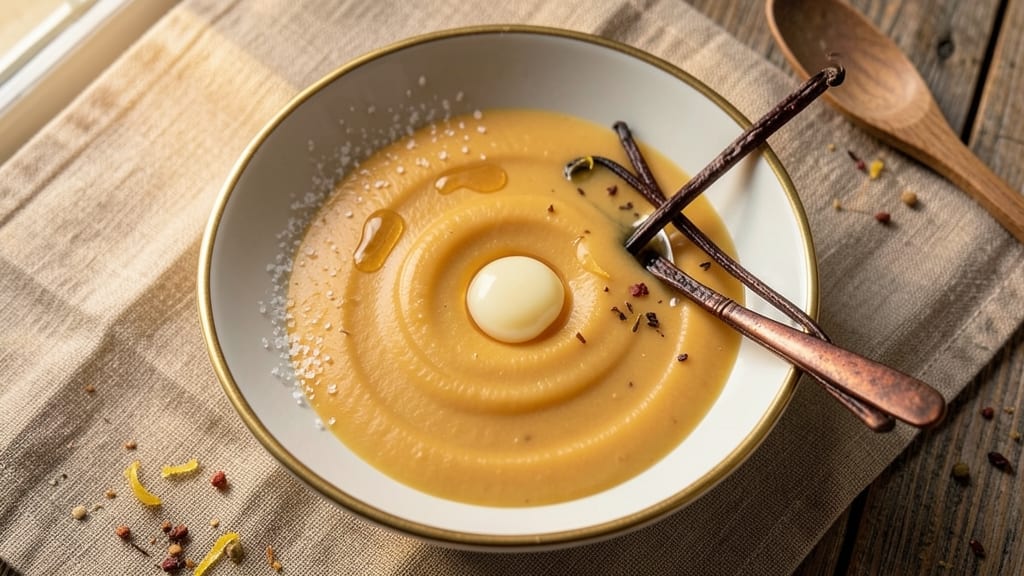
This 2-egg yolk custard recipe delivers restaurant-quality silkiness with minimal risk of curdling—perfect for dessert lovers who want foolproof results. The secret lies in proper tempering and gentle heat, transforming simple ingredients into a velvety, golden finish.
I've perfected this technique over years of baking, ensuring every batch turns out luscious and smooth.
What sets this custard apart is its rich texture—creamy yet stable, with a delicate balance of sweetness and depth. Using just two egg yolks makes it lighter than traditional custards while still delivering that signature velvety mouthfeel.
The slow cooking method prevents graininess, guaranteeing a dessert that's as impressive as it is easy to make.
Once cooled, this custard transforms into a silky-smooth treat that can be served chilled in ramekins, layered in trifles, or even baked into a warm dessert. The flavor profile is versatile—vanilla, citrus zest, or a hint of spice can elevate it to suit any occasion.
With just a few simple ingredients and careful technique, you'll achieve professional results at home.
This recipe is ideal for those who want to impress without stress—no curdling, no guesswork, just perfectly smooth custard every time. Whether you're a beginner or an experienced baker, the step-by-step method ensures success. Let's get started on creating your dream custard.
Ingredients for 2 egg yolk custard
Simple yet precise ingredients for velvety custard with professional-level results every time.
| Ingredient | Amount | Notes |
|---|---|---|
| Large Egg Yolks 🥚 | 2 whole | Freshly separated from pasteurized eggs |
| Whole Milk 🥛 | 1 cup | Full-fat for optimal creaminess |
| Granulated Sugar 🍚 | ½ cup | Superfine preferred for faster dissolving |
| Unsalted Butter 🧈 | 2 tbsp | Cold, cut into small cubes |
| Pure Vanilla Extract 🌸 | 1 tsp | High-quality, 100% pure vanilla |
| Salt 🧂 | ¼ tsp | Fine sea salt for balance |
| Heavy Whipping Cream 🥛 | ½ cup | Optional, for extra richness |
| Lemon Zest 🍋 | 1 tsp | Fresh, finely grated |
| Cornstarch 🌾 | 1 tsp | For stabilizing texture |
The egg yolks are the foundation—use pasteurized eggs if concerned about safety, or fresh ones straight from the fridge. Whole milk provides the ideal fat content for creaminess without curdling, while superfine sugar dissolves faster for a smoother finish. For butter, European-style unsalted brands like Plugrá melt beautifully. If you prefer a subtle citrus note, add the zest early; if you want to keep it classic, omit it entirely. The vanilla extract should be 100% pure—imitation extracts contain additives that can alter texture.
No heavy cream? Full-fat coconut milk works as a dairy-free alternative, though texture may vary slightly. Substitute vanilla with 1/2 tsp vanilla bean paste for deeper flavor. For sugar, maple syrup or agave (reduced by 20%) can be used, though custards may thicken differently. If you're making this ahead, prepare the custard base and refrigerate—it reheats beautifully. For a spiced variation, add 1/4 tsp cinnamon or cardamom along with the vanilla. Always temper the eggs with warm milk to prevent curdling—this is non-negotiable for success.
Store finished custard in an airtight container with a thin layer of plastic wrap pressed directly on the surface to prevent skin formation. Keeps for 5 days refrigerated and freezes beautifully for 3 months. For serving, chill thoroughly before spooning into ramekins. If you've made extra, it reheats gently in a water bath—never microwave, as it can cause graininess. The custard thickens as it cools, so it's ideal to serve slightly under-set for a silky texture. For trifles, layer with sponge cake and fresh berries.
Why You'll Love This Recipe
- No Fuss, Big Payoff: I swear, this custard takes less effort than deciding what to eat for breakfast. Just whisk yolks, milk, and sugar—no straining, no tempering, no stress. The only tricky part is waiting for it to thicken, and honestly? That’s the easy part.
- Velvet Smooth Magic: That first spoonful of silky custard—warm, buttery, with vanilla cutting through like a whisper—is chef’s kiss. The sugar dissolves perfectly, and the butter adds this insane richness without overpowering. It’s the kind of dessert that makes you pause mid-bite.
- Weeknight Hero: I make this when I’ve got a house full of people and zero time. Serve it warm over pancakes, spoon it into coffee cups, or drizzle it on fruit—it’s always the star. Even my picky-eater nephew asks for seconds, and that’s saying something.
- Budget Luxury: Four ingredients, one pot, and it stretches for days. The yolks are the splurge, but they’re worth it—creamy, decadent, and way cheaper than store-bought custard. Plus, leftovers keep for ages, so I’m never scrambling for dessert ideas.
Step-by-step instructions for silky smooth custard
Master this technique to achieve restaurant-quality custard every time.
Temper the Egg Yolks with Milk
Place the 2 whole large egg yolks in a medium heatproof bowl. In a separate saucepan, gently warm the 1 cup whole milk over medium heat until it reaches 160°F—just before simmering. Remove from heat and slowly pour the warm milk into the yolks while whisking continuously. This gradual temperature increase prevents curdling by allowing the proteins to adjust gradually.
The mixture should thicken slightly as it cools. If you notice any lumps forming, strain the mixture through a fine-mesh sieve into a clean bowl. This step is critical—rushing the temperature change is the most common cause of grainy custard.
Add Sugar and Stabilize with Cornstarch
Return the tempered mixture to the saucepan and add the 0.5 cup granulated sugar, whisking until fully dissolved. Sprinkle the 1 tsp cornstarch over the surface and whisk vigorously for 30 seconds to eliminate any clumps. The cornstarch acts as a stabilizer, creating a smoother texture and preventing separation during cooking.
Add the 0.25 tsp salt and 1 tsp lemon zest, stirring until evenly distributed. The zest adds a bright citrus note that balances the richness, while the salt enhances all flavors. Keep the heat at medium-low to maintain gentle cooking—any sudden temperature spikes will still risk curdling.
Cook on Gentle Heat Until Thickened
Place the saucepan over medium-low heat and cook the custard mixture, stirring constantly with a wooden spoon, until it reaches 170-175°F. You'll notice the mixture thicken noticeably—it should coat the back of a spoon and leave a clear path when you draw your finger through it. This takes about 8-10 minutes of continuous stirring.
If the custard begins to bubble vigorously or develop a skin on top, immediately reduce the heat to low and continue stirring. The moment it reaches the proper temperature, remove from heat to prevent overcooking, which can make the custard grainy.
Incorporate Butter and Vanilla
Remove the saucepan from heat and stir in the 2 tbsp cold unsalted butter, cut into small cubes, until completely melted and smooth. Add the 1 tsp pure vanilla extract and the optional 0.5 cup heavy whipping cream (if using), whisking until fully incorporated. The butter adds richness while the vanilla deepens the flavor profile.
For an extra-smooth finish, strain the custard through a fine-mesh sieve into a clean bowl. This final step removes any potential lumps and ensures silky texture. The custard should now have the consistency of heavy cream—thick but pourable.
Cool and Serve Properly
Transfer the custard to a shallow container or ramekins and press plastic wrap directly onto the surface to prevent a skin from forming. Chill in the refrigerator for at least 4 hours, preferably overnight, until completely cold. Proper cooling allows the flavors to meld while maintaining that velvety texture.
Serve chilled, either as is or layered with fruit compote, whipped cream, or as a filling for pastries. The custard should be smooth with no graininess, and each spoonful should release a delicate balance of sweetness, citrus, and vanilla. For best results, consume within 3 days or freeze for up to 1 month.
Pro Tips For Making 2 Egg Yolk Custard
- Whisk Yolks Like Your Life Depends On It: I learned this the hard way—over-beating egg yolks turns them into scrambled eggs. Whisk them just until pale and slightly thickened (about 30 seconds), then stop. No need to go for ribbon stage; this custard isn’t a meringue.
- Warm Milk First: Cold milk in hot custard = curdled disaster. Heat the whole milk to just below simmer (180°F/82°C)—warm to the touch, not steaming. Pour it in slowly while whisking, or you’ll end up with a lumpy mess instead of velvet-smooth custard.
- Skip the Boiling: I used to pull the custard off the heat at the slightest sign of thickening, only to watch it break later. Let it cook unattended for 2–3 minutes after it reaches 170°F (77°C), stirring just once at the end. That extra time locks in the texture.
- Butter in Last: Tossing in butter too early makes the custard grainy. Once the mixture is silky and thick, remove it from heat, then fold in the butter and vanilla. The heat will melt it instantly—no lumps, just luxurious richness.
Flavor customization for these flavors
Citrus Infusions
Brighten your custard with 1 tsp lemon zest or ½ tsp orange zest for a refreshing twist. For deeper flavor, infuse the warm milk with 1 strip of lemon peel or ½ inch of orange peel for 10 minutes before straining.
I love adding 1 tsp lime juice at the end for a tangy finish—it cuts through the richness beautifully. 🍋
Spiced Variations
Warm spices elevate this custard to new heights. Add ¼ tsp cinnamon or ⅛ tsp cardamom with the vanilla for a cozy autumnal flavor. For warmth, toast ½ tsp ground ginger in the saucepan for 1 minute before adding milk—it adds depth without overpowering.
A pinch of nutmeg (⅛ tsp) at the end gives a sophisticated finish.
Coffee or Chocolate Twist
For coffee lovers, whisk in 1 tbsp instant espresso powder with the sugar. Let it bloom for 2 minutes before adding milk to develop rich, caramelized notes.
Chocolate custard? Melt 1 oz dark chocolate (70%) with the butter and whisk until smooth. Both variations keep the silky texture while adding decadent complexity. ☕
Fruit Purées
Stir in 2 tbsp fruit purée (raspberry, mango, or passionfruit) after cooking to create vibrant flavors. For a swirl effect, layer 1 tsp purée at the bottom of ramekins before adding custard.
I recommend strawberry or blackberry—their acidity balances the sweetness perfectly. For extra texture, fold in 1 tbsp whipped cream before chilling.
Herbal & Floral Notes
Infuse the milk with 1 sprig of fresh lavender (steeped for 5 minutes) for a floral aroma. Remove before straining to avoid bitterness. For herbal depth, add 1 tsp finely chopped fresh mint or ½ tsp dried rose petals (culinary-grade) with the zest.
These additions work best in lighter custards where the flavors can shine. 🌸
Salted Caramel Finish
For a restaurant-worthy touch, drizzle 1 tbsp salted caramel sauce over chilled custard before serving. The contrast of sweet, salty, and creamy is unbeatable.
To make caramel quickly, melt 2 tbsp brown sugar with 1 tbsp butter and 1 tsp heavy cream, then finish with pinch of flaky sea salt. This upgrade takes 5 minutes but feels luxurious. 💫
Nutrition facts
Frequently asked questions
Why does this custard use only 2 egg yolks?
The 2-egg yolk approach creates a lighter, silkier texture than traditional custards while still delivering rich flavor. Fewer yolks reduce the risk of curdling and prevent a heavy, eggy taste. This version is perfect for delicate desserts where you want velvety smoothness without overpowering sweetness.
Can I make this custard without cornstarch?
Yes, but the texture may be slightly less stable. For a cornstarch-free version, use 1 tbsp arrowroot powder instead, whisked into the warm milk before tempering. This still provides thickening power while maintaining smoothness. If omitting entirely, expect a slightly thinner custard that works well for trifles or as a filling.
How do I know when the custard is fully cooked?
Your custard is ready when it reaches 170-175°F and coats the back of a spoon with a clear path when you draw your finger through it. This typically takes 8-10 minutes of constant stirring. If it bubbles vigorously, immediately reduce heat to prevent curdling. The key is patience—overcooking causes graininess.
Can I use this custard in warm desserts?
While it's best chilled for serving, this custard reheats beautifully for warm desserts. For baked custards, pour into buttered ramekins and bake at 325°F for 25-30 minutes until set. For sauces, gently warm in a double boiler until smooth. The cornstarch helps maintain texture during reheating.
What if my custard curdles?
Don't panic! Immediately remove from heat and whisk in 1 tbsp cold butter while continuing to whisk. For stubborn lumps, strain through a fine-mesh sieve. The cornstarch in this recipe helps prevent curdling, but rapid temperature changes are still the main culprit. Always temper eggs gradually and maintain gentle heat.