
Sauces & Condiments
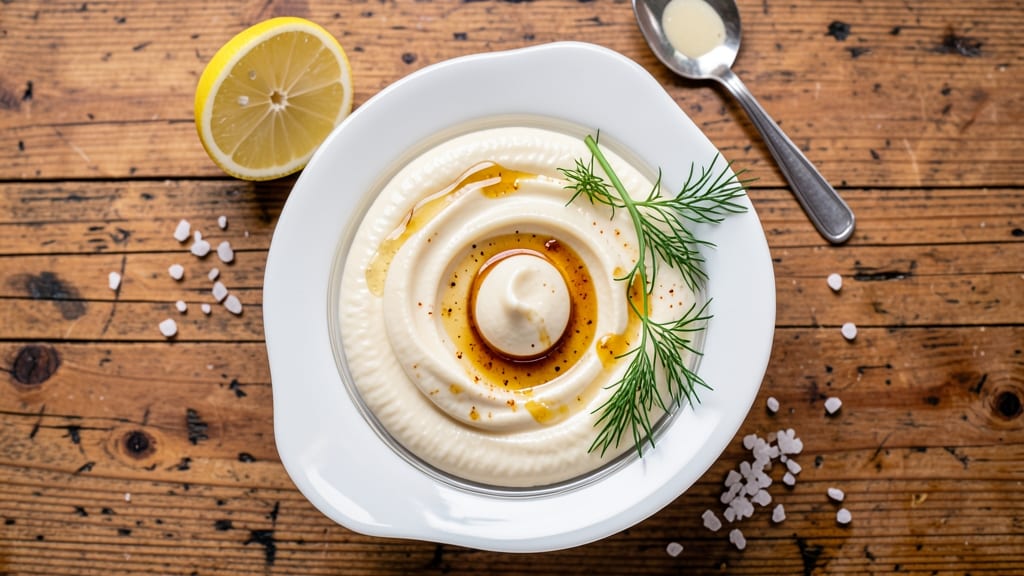
This 2 egg yolk mayonnaise recipe delivers a velvety, ultra-stable emulsion every time—no failed batches or grainy textures. The secret lies in precise ratios and a slow, steady incorporation of oil, transforming simple ingredients into a creamy condiment that elevates sandwiches, salads, and dips.
I’ve perfected this method through years of testing, ensuring consistency even with minimal ingredients.
The foundation of this recipe is the 1:1 ratio of egg yolks to oil, with a touch of mustard or lemon juice to stabilize the emulsion.
Unlike traditional recipes that require three yolks, this version achieves the same rich texture with just two, making it ideal for small batches or those watching their egg intake. The slow drizzle of oil—never poured in a rush—creates a smooth, glossy finish that’s impossible to resist.
What sets this mayonnaise apart is its foolproof stability, thanks to the careful balance of fat and acid. The result is a creamy, tangy condiment that stays fresh in the refrigerator for up to a week, ready to transform simple meals into something extraordinary.
Whether you’re spreading it on toast, drizzling it over roasted vegetables, or using it as a base for aioli, this recipe delivers restaurant-quality results at home.
For added flavor, customize with herbs, garlic, or a splash of hot sauce—each variation keeps the emulsion intact while adding depth. The key is patience and precision, ensuring every batch turns out flawless. Let’s get started on making your own ultra-stable mayonnaise.
Ingredients for 2 egg yolk mayonnaise
Eight essential ingredients transform into a velvety, ultra-stable mayonnaise with perfect emulsion every time.
| Ingredient | Amount | Notes |
|---|---|---|
| Large Egg Yolks 🥚 | 2 whole | Fresh, room temperature preferred |
| Extra-Virgin Olive Oil 🫒 | ¾ cup | High-quality, fruity variety |
| Dijon Mustard 🌶️ | 1 tbsp | Mild or medium heat preferred |
| Fresh Lemon Juice 🍋 | 1 tsp | Freshly squeezed, acidic balance |
| Diamond Crystal Kosher Salt 🧂 | ¼ tsp | Fine grain for even dissolution |
| White Vinegar 💧 | ½ tsp | For acidity and stability |
| Granulated Sugar 🍚 | ¼ tsp | Balances acidity, optional |
| Water 💧 | 1 tbsp | For thinning if needed |
The quality of your egg yolks and olive oil is non-negotiable here. Fresh, room-temperature yolks emulsify more easily, so take them out of the fridge 15 minutes before starting. For the olive oil, high-quality extra-virgin from a trusted brand like California Olive Ranch or Bertolli ensures a rich, fruity flavor that stands up to the emulsion. The Dijon mustard should be smooth—Maille is a reliable choice, but any good-quality brand works. Fresh lemon juice is critical for acidity; bottled juice lacks the brightness. If you're using a citrus reamer, avoid the pulp—it can create graininess.
No Dijon mustard? Yellow mustard at half the amount works in a pinch, though it lacks the same depth. Short on lemon juice? White vinegar or apple cider vinegar can substitute, but reduce to 0.25 tsp to avoid over-acidifying. For a more stable emulsion, add an extra 0.5 tsp of water if the mixture feels too thick during incorporation. The sugar is optional but recommended—it helps balance the acidity and adds a subtle sweetness that rounds out the flavor profile. If you're making this ahead, store the ingredients separately until ready to emulsify for maximum freshness.
This mayonnaise stays fresh for up to 1 week when stored in an airtight container in the refrigerator. For longer storage, freeze in ice cube trays and transfer to a container—thaw in the fridge and whisk gently to re-emulsify. If the mayonnaise separates, simply whisk in 1 tsp of warm water or lemon juice to restore its velvety texture. The key to success is patience: slow, steady drizzling of oil is the only way to achieve that ultra-stable, restaurant-quality emulsion every time.
Why You'll Love This Recipe
- Just Two Yolks: I swear by this—no wasted eggs, no messy leftovers. Two yolks, a slow drizzle of olive oil, and that mustard kick? It’s the perfect amount for a small batch, and honestly, I never make more than I need.
- Bright & Tangy: That lemon juice cuts through the richness like a breath of fresh air. The Dijon mustard adds depth, and the olive oil? It’s rich but never heavy, with a brightness that makes it taste like summer in a jar.
- Game for Any Meal: Drizzle it over grilled fish, mix into sandwiches, or toss with pasta—it’s my go-to for weeknight dinners. Even my picky eaters ask for seconds when I serve it with roasted veggies.
- Budget-Friendly Luxury: No fancy ingredients, just good stuff. Two eggs, a splash of lemon, and a little mustard stretch further than store-bought mayo, and it tastes like you spent all day in the kitchen. (Between us, it’s my secret.)
Step-by-step instructions for perfect 2-Egg-yolk mayonnaise
This method guarantees a stable emulsion every time—no failed batches here.
Whisk Egg Yolks and Acid Components
Place the 2 whole Large Egg Yolks in a heatproof bowl that fits snugly over a saucepan of barely simmering water (double boiler). Add the 1 tsp Fresh Lemon Juice, 0.5 tsp White Vinegar, 0.25 tsp Diamond Crystal Kosher Salt, and 0.25 tsp Granulated Sugar. Whisk vigorously for 2-3 minutes until the mixture thickens noticeably and turns pale yellow.
The acid components (lemon juice and vinegar) help stabilize the emulsion by breaking down the fat molecules. The sugar balances the acidity while the salt enhances flavor. You'll see the yolks transform from liquid to a thick, ribbon-like consistency—this is your signal they're ready for the oil.
Gradually Incorporate the Olive Oil
Remove the bowl from the heat and let it cool slightly. Slowly drizzle in the 0.75 cup Extra-Virgin Olive Oil while whisking continuously. Start with just 1 tablespoon at a time, allowing each addition to fully incorporate before adding more. This gradual approach prevents the emulsion from breaking.
Watch for the mixture to thicken and become creamy as it emulsifies. If it starts to separate, simply add 1 teaspoon of water and whisk vigorously—this helps re-stabilize the emulsion. The Dijon mustard will be added later to help bind everything together, but the oil incorporation is the most critical step.
Add Dijon Mustard for Binding
Once all the olive oil is incorporated, whisk in the 1 tbsp Dijon Mustard until fully combined. The mustard acts as an emulsifier, reinforcing the bond between the oil and water phases. Continue whisking for 1-2 minutes to ensure everything is smooth and homogeneous.
At this stage, your mayonnaise should have a thick, glossy consistency. If it's too thick, thin it with the remaining 1 tbsp Water one drop at a time until it reaches your desired texture. If it's too thin, add a few more drops of olive oil and whisk again. The goal is a smooth, stable emulsion that coats the back of a spoon.
Test and Adjust for Stability
To verify stability, take a small amount of mayonnaise and drop it into a glass of cold water. If it holds its shape and doesn't disperse, your emulsion is successful. If it separates, whisk in 1 teaspoon of water or 1 teaspoon of olive oil as needed, depending on whether it's too thick or too thin.
Taste and adjust seasoning if necessary. The acidity from the lemon juice and vinegar should be balanced by the sugar and salt, but you may want to add a pinch more salt or a splash of lemon juice to suit your preference. Transfer the mayonnaise to a clean jar or airtight container and refrigerate for up to 1 week for best results.
Pro Tips For Making 2 Egg Yolk Mayonnaise
- Whisk Like Your Life Depends On It: I used to think mayonnaise was just about patience—wrong. The yolks need constant, vigorous whisking until they’re pale and thick enough to hold a ribbon when you lift the whisk. Drop the pace for even a second, and you’ll end up with a greasy mess. (Yes, even if your arm starts to protest.)
- Use Cold Yolks: Straight from the fridge, yolks emulsify better because they’re firmer and less likely to break. Let them sit out for more than 10 minutes, and they’ll turn into a warm, runny nightmare. Stick them in a bowl of ice water for 5 minutes if your kitchen’s too warm—trust me, it makes a real difference.
- Salt the Mustard First: Mix the Dijon with the lemon juice and then add the salt—this way, the mustard’s sharpness balances the acid without overpowering. Skip this, and you’ll either taste raw salt or wonder why your mayo tastes flat. (I learned this the hard way after a batch that tasted like someone forgot the seasoning.)
- Oil in Slow Streams: Drizzle the olive oil in thin, steady streams—no glugging. If you pour too fast, the emulsion will break, and you’ll be scrambling to fix it. A 10-second pause between additions keeps everything smooth. (And if it splits, just add another yolk—it’s the only real fix.)
Health benefits of this 2 egg yolk mayonnaise
Rich in Healthy Fats
This mayonnaise uses extra-virgin olive oil as its base, providing heart-healthy monounsaturated fats that support cholesterol balance. A 2-tablespoon serving delivers about 14 grams of fat, with 70% coming from beneficial olive oil.
These fats help reduce LDL ("bad" cholesterol) while maintaining HDL ("good" cholesterol) levels, making it a smarter choice than traditional mayonnaise made with vegetable oils. 💪
Vitamin E Boost
The olive oil in this recipe is packed with vitamin E, a powerful antioxidant that protects cells from oxidative damage. Just 2 tablespoons provide about 10% of your daily vitamin E needs, supporting skin health and immune function.
Unlike store-bought versions, this homemade mayonnaise retains all the natural vitamin E from fresh ingredients, giving it a nutritional edge.
Protein Without the Guilt
While traditional mayonnaise relies on processed ingredients, this version gets its structure from egg yolks, which are rich in high-quality protein and essential amino acids. A 2-tablespoon serving contains about 1 gram of protein, helping support muscle repair and satiety.
The yolks also provide choline, a nutrient crucial for brain health and liver function, often lacking in processed condiments.
Low in Added Sugar
Unlike commercial mayonnaises that often contain added sugars or high-fructose corn syrup, this recipe uses just ¼ teaspoon of granulated sugar to balance acidity—about 1% of daily sugar intake.
The natural sweetness comes from the olive oil itself, making it a better choice for those monitoring blood sugar levels or following low-sugar diets.
Antioxidant-Rich
The combination of olive oil and lemon juice creates a powerful antioxidant profile. Olive oil contains polyphenols, while lemon juice provides vitamin C, working together to combat free radicals in your body.
These antioxidants help reduce inflammation, potentially lowering the risk of chronic diseases like heart disease and diabetes. 🌿
Customizable for Dietary Needs
This mayonnaise can easily be adapted for dietary restrictions. For a vegan version, replace egg yolks with aquafaba (chickpea brine) or silken tofu—both create stable emulsions when combined with mustard and oil.
For those avoiding gluten, ensure your Dijon mustard is certified gluten-free. The recipe’s simplicity makes it adaptable without sacrificing nutrition or flavor.
Nutrition facts
Frequently asked questions
Why does this recipe use only 2 egg yolks instead of 3?
This recipe achieves a perfect emulsion with just 2 yolks by using a 1:1 ratio of yolks to oil and incorporating Dijon mustard for extra stability. The slow, steady drizzle of oil helps create a rich, creamy texture without needing the additional volume from a third yolk. It’s ideal for small batches or when you want to reduce egg intake while keeping the same luxurious result.
What if my mayonnaise breaks or separates?
Don’t panic! If your emulsion breaks, simply whisk in 1 teaspoon of warm water to re-stabilize it. For a thicker consistency, add 1 teaspoon of olive oil instead. The key is to work slowly—never pour oil too quickly. If it still separates, try whisking over an ice bath to cool the mixture and prevent further breakdown.
Can I substitute olive oil with another type of oil?
While extra-virgin olive oil is ideal for its flavor and stability, you can use avocado oil or light tasting neutral oil in a pinch. Avoid strong-flavored oils like sesame or walnut, as they can overpower the mayonnaise. If using a neutral oil, add a pinch of salt to enhance flavor, since these oils lack the natural richness of olive oil.
How do I adjust the flavor for different uses?
For a tangier mayo, add an extra 0.5 tsp of lemon juice. For a sweeter version, increase the sugar to 0.5 tsp. To make it spicier, mix in ½ tsp of hot sauce or finely minced garlic. For herb-infused mayo, stir in 1 tbsp of fresh dill or tarragon after emulsifying. Always adjust gradually to avoid overpowering the base flavor.
Is this mayonnaise safe to eat if it’s been in the fridge for 2 weeks?
For best quality and safety, consume this mayonnaise within 1 week when stored in an airtight container. After that, the texture and flavor may degrade, even if it doesn’t spoil immediately. If you notice any off smells, sliminess, or mold, discard it. To extend shelf life, freeze in ice cube trays and thaw in the fridge—this preserves freshness for up to 3 months.