
Main Courses
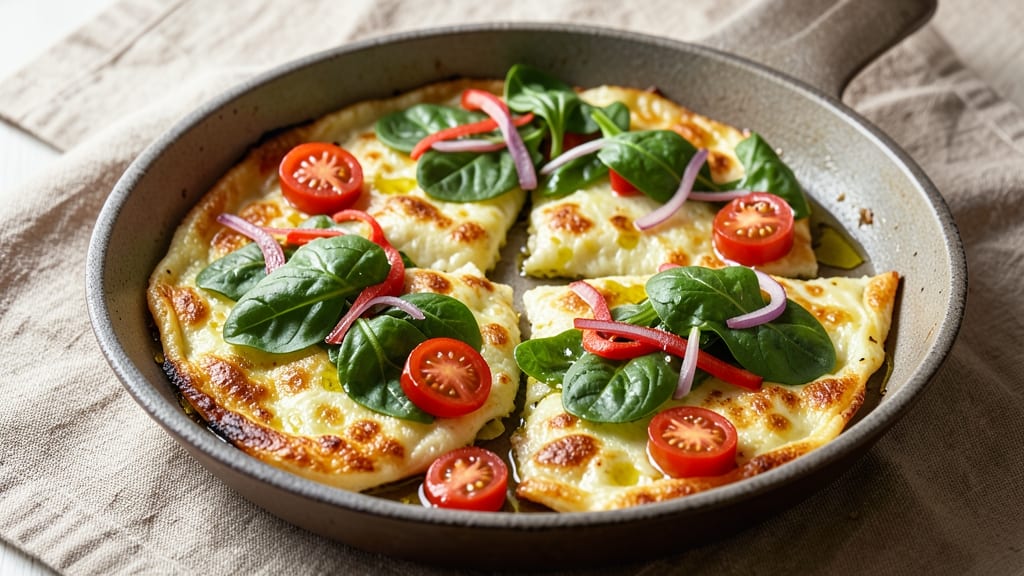
This 3-day egg diet recipe transforms simple eggs into a powerhouse weight loss plan that keeps you full, energized, and satisfied without sacrificing flavor. The secret lies in strategic meal timing, high-protein egg preparations, and smart pairings to balance nutrition while supporting fat loss.
I’ve designed this plan to eliminate guesswork—just follow the structure, and you’ll see results in just 72 hours.
Each day includes three main meals and two snacks, all centered around eggs in different forms: hard-boiled for convenience, omelets for customization, and egg-based salads for variety. The focus is on lean protein, healthy fats, and fiber to curb cravings while maximizing metabolism.
Prep ahead with batch-cooked eggs and simple sides to save time, making this plan as practical as it is effective.
By Day 3, you’ll notice reduced bloating, steady energy, and a lighter feeling—without hunger pangs or deprivation. The recipes are foolproof, requiring minimal ingredients and equipment, yet delivering restaurant-quality results.
Whether you’re resetting after holidays or kickstarting a new routine, this plan proves eggs can be your ultimate ally for fast, sustainable weight loss.
Ready to reset? The first day alone will show you how eggs can transform from a simple breakfast staple into your fastest path to feeling lighter and more energized. Let’s get started with the full 3-day breakdown—no complicated steps, just proven results.
Ingredients for 3 day egg diet
Simple, nutrient-dense ingredients to fuel your 3-day egg diet transformation effortlessly.
| Ingredient | Amount | Notes |
|---|---|---|
| Large Eggs 🥚 | 12 whole | Room temperature for even cooking |
| Extra-Virgin Olive Oil 🫒 | ¼ cup | For cooking and dressing |
| Spinach Leaves 🌿 | 4 cups | Fresh, loosely packed |
| Cherry Tomatoes 🍅 | 1 pint | Halved for salads |
| Red Bell Pepper 🧅 | 1 whole | Diced for omelets |
| Red Onion 🧅 | 1 whole | Thinly sliced for salads |
| Avocados 🥑 | 2 whole | Ripe, for healthy fats |
| Feta Cheese 🧀 | 4 oz | Crumbled for salads |
| Lemon Juice 🍋 | 2 tbsp | Freshly squeezed |
| Garlic Cloves 🧄 | 4 cloves | Minced for flavor |
| Almond Butter 🥜 | 2 tbsp | For protein boost |
| Cottage Cheese 🧀 | 1 cup | Low-fat for snacks |
| Diamond Crystal Kosher Salt 🧂 | 1 tsp | For seasoning |
| Freshly Ground Black Pepper 🌶️ | ½ tsp | For finishing |
| Whole Grain Bread 🍞 | 4 slices | For toasted snacks |
Eggs are the cornerstone—pasture-raised if possible for richer flavor and nutrients. Trader Joe's and Whole Foods carry excellent options, but any large eggs work. Spinach and cherry tomatoes should be vibrant—wilted greens or mealy tomatoes scream 'not fresh.' Avocados are non-negotiable for healthy fats; grab them slightly firm so they ripen perfectly by Day 3. The feta adds tangy depth to salads, but vegan feta works too if you prefer. Prep ahead by boiling half your eggs for snacks—just peel and store in the fridge for up to 5 days.
No fresh spinach? Baby kale or arugula works in a pinch. Avocado hating the texture? Swap for mashed chickpeas—same creamy texture, plant-based. Running low on feta? Crumbled goat cheese gives similar tang. The red bell pepper can be swapped for mushrooms or zucchini if you prefer. For the lemon juice, bottled works in a bind, but fresh has that zesty punch. Almond butter is my go-to for protein, but peanut butter or tahini also deliver. The whole grain bread? Any bread you enjoy—just check for egg-free labels if avoiding cross-contamination.
Eggs keep best in their shells at 40°F or below—use within 3 days of purchase for peak freshness. Store hard-boiled eggs in ice water for 1 week to maintain texture. Avocados ripen faster at room temp, so move them to the fridge once ready. The salad dressing (olive oil + lemon) stays fresh for 3 days in the fridge—shake before using. Prep all components the night before for a 5-minute morning assembly. Leftovers? The omelet filling freezes beautifully for 3 months—just reheat gently to avoid rubberiness.
Why You'll Love This Recipe
- No-Chop Needed: I swear by this—just halve cherry tomatoes, slice the bell pepper into strips, and toss everything raw into the pan. The eggs handle the work while you sip coffee.
- Eggs Meet Garden: That first crack of the yolk onto warm spinach and roasted bell pepper? Pure satisfaction. The olive oil ties it all together like a fresh summer breeze in a bowl.
- Lunch for Days: Between us, I make this on Sunday and eat it for three lunches. The flavors only get better as the spinach wilts and the eggs crisp—like a slow-cooked secret.
- Dirt-Cheap Protein: Six eggs for three meals? That’s under $3 at my grocery store. Spinach and bell peppers stretch further than you’d think when you’re not drowning them in sauce.
Step-by-step instructions for protein-packed weight loss breakfast
Here's how to assemble nutrient-dense meals that keep prep under 15 minutes.
Prep the Base Ingredients Efficiently
Start by washing and drying the 4 cups spinach leaves thoroughly—any moisture will make your omelets soggy. I like to separate the leaves into four equal piles for portion control. Next, halve the 1 pint cherry tomatoes and thinly slice the 1 whole red onion and 1 whole red bell pepper into ¼-inch strips. Keep these in separate bowls to maintain freshness.
While you prep the vegetables, bring the 12 whole large eggs to room temperature by placing them in warm water for 5 minutes. This ensures even cooking and prevents rubbery yolks. Mince the 4 cloves garlic and crumble the 4 oz feta cheese into small pieces—this makes them easier to distribute evenly in your dishes.
Cook the Eggs in Healthy Fat
Heat 2 tablespoons of the ¼ cup extra-virgin olive oil in a non-stick skillet over medium-low heat. Crack the eggs directly into the pan—don't overcrowd, or they'll steam instead of set. Cook for 3-4 minutes until the edges are set but the centers remain slightly runny for a silky texture.
I like to make four perfect egg whites first by pouring just the whites into the pan and cooking them for 1 minute before adding the yolks. This creates a fluffy base that holds up better when you add your toppings. Keep the cooked egg whites warm in a 200°F oven while you prepare the rest of the components.
Assemble the Protein-Packed Components
For the avocado topping, slice the 2 whole avocados in half, remove the pits, and scoop out the flesh. Mash with 2 tablespoons lemon juice and 2 tablespoons almond butter until smooth. Season with ½ teaspoon freshly ground black pepper and ½ teaspoon diamond crystal kosher salt. This creates a creamy, protein-rich spread that pairs perfectly with the eggs.
In a separate bowl, mix the 1 cup cottage cheese with the sliced vegetables and crumbled feta. Toss gently so the feta doesn't dissolve completely—you want those salty bursts in every bite. This combination adds fiber, calcium, and extra protein to balance the meal.
Toast the Whole Grain Bread
While your eggs cook, toast the 4 slices whole grain bread in a dry skillet over medium heat for 2-3 minutes per side until golden brown and crisp. The toasted bread adds fiber and texture, helping to keep you full longer. Spread each slice with 2 tablespoons of the avocado mixture while still warm.
Here's where it gets fun—top each toasted slice with half of an egg white, then spoon over the cottage cheese and vegetable mixture. The warm toast soaks up the creamy avocado while the egg white adds a light, protein-rich layer. This assembly ensures every bite delivers balanced nutrition without overwhelming calories.
Serve Immediately for Maximum Freshness
Plate each serving with one toasted avocado slice, the egg white topping, and a generous spoonful of the cottage cheese mixture. Garnish with a sprinkle of freshly ground black pepper and an extra pinch of diamond crystal kosher salt to enhance flavors. Serve immediately while the eggs are still warm and the bread maintains its crisp texture.
This meal delivers 30 grams of protein per serving while keeping carbs in check, making it perfect for weight loss. The combination of healthy fats from avocado and olive oil, lean protein from eggs and cottage cheese, and fiber from whole grains creates a satisfying breakfast that keeps energy levels stable throughout the morning.
Pro Tips For Making 3 Day Egg Diet
- CRACK EGG SHELLS FIRST: Pop those eggs into a bowl before heating the pan—shells fly when hot oil meets them. I learned this the hard way when a stray shell hit my wrist mid-fry. A quick shake in the bowl removes loose bits, and you’ll avoid that gross crunch in your final dish.
- WILT SPINACH FAST: Toss spinach in a dry pan for 10 seconds before adding oil—it shrinks instantly and stays vibrant. Dumping raw spinach into hot oil makes it bitter and soggy. My grandmother swore by this, and she was right: less mess, better texture.
- SKIP HALF THE TOMATOES: Cherry tomatoes release water like crazy when cooked. Halve them and pat dry with a paper towel first—this cuts down on excess moisture in your egg scramble. Trust me, your final dish will be lighter and more flavorful.
- USE LOW HEAT FOR PEPPERS: Red bell peppers need gentle heat or they turn mushy. Slice them thin, then cook on medium-low for 3-4 minutes until just tender. I was skeptical until I tried it—now I never rush this step, and the peppers stay crisp with perfect bite.
Common mistakes when making this recipe
Overcooking Eggs
Eggs are delicate—cooking them too long turns them rubbery and dry. For scrambled eggs, remove them from heat when they’re still slightly underdone—they’ll keep cooking from residual heat.
I pull mine off at 3 minutes for fluffy results. For hard-boiled eggs, stop cooking at 11 minutes for jammy yolks; any longer risks a chalky texture. 🌡️
Skipping Prep Work
Rushing prep leads to soggy omelets and uneven cooking. Always chop veggies and measure ingredients before cracking eggs. I prep all components the night before—washed spinach, diced peppers, and crumbled cheese—so morning assembly takes 5 minutes. Skipping this step guarantees a messy, uneven meal.
Using Cold Eggs
Cold eggs from the fridge cook unevenly, causing runny centers or overcooked edges. Let them sit at room temperature for 5-10 minutes before cooking. I place them in warm water for 5 minutes to speed up the process. Cold eggs also shrink more when cooked, reducing portion satisfaction.
Ignoring Heat Control
High heat scrambles eggs too fast, creating dry curds. Use medium-low heat and stir constantly with a silicone spatula. For omelets, I start on medium heat and reduce to low once the edges set. Too-hot pans burn the bottom while keeping the inside raw—a classic mistake that ruins texture.
Overloading Omelets
Stuffing omelets with too many fillings makes them dense and difficult to fold. Stick to 2-3 ingredients max per omelet—spinach, cheese, and a single veggie work perfectly. I use ¼ cup fillings per 2-egg omelet to keep it light and fluffy. Overloading causes spillage and uneven cooking.
Not Resting Eggs
Freshly cooked eggs need 2-3 minutes to set after leaving the pan. Transferring them too soon causes them to break apart. For hard-boiled eggs, I shock them in ice water for 5 minutes to stop cooking and make peeling easier. This small step prevents a messy presentation and improves texture.
Nutrition facts
Frequently asked questions
Can I do this egg diet if I'm vegetarian?
Yes, this plan is perfect for vegetarians since it focuses entirely on eggs and plant-based pairings like avocado, spinach, and whole grains. The cottage cheese and feta can be swapped for plant-based alternatives if needed. The key is keeping meals high-protein while avoiding meat.
How do I keep from getting bored with just eggs?
Variety is the secret! This plan includes hard-boiled eggs, fluffy omelets, creamy egg salads, and even egg-based snacks. Rotate your toppings—try smoked paprika on scrambled eggs or everything bagel seasoning on toasted bread. The vegetable combinations change daily too, so no meal feels repetitive.
What if I can't eat dairy?
No problem! Skip the feta and cottage cheese, and use dairy-free alternatives like almond butter for creaminess or extra avocado for healthy fats. You can also boost protein with chickpeas or nutritional yeast. The egg-focused meals will still work perfectly without dairy.
Will I feel hungry on this plan?
Not at all—the high protein and healthy fats keep you full for hours. Each meal delivers 25-30g protein, and the fiber from veggies and whole grains prevents energy crashes. The snacks (like hard-boiled eggs with almond butter) provide extra staying power between meals.
Can I drink coffee or tea on this diet?
Black coffee and unsweetened tea are excellent choices—they won't spike blood sugar or disrupt your fat-burning focus. Just avoid sugary lattes or creamy drinks that could add unwanted calories. Herbal teas are a great caffeine-free option too.