
Breakfast & Brunch
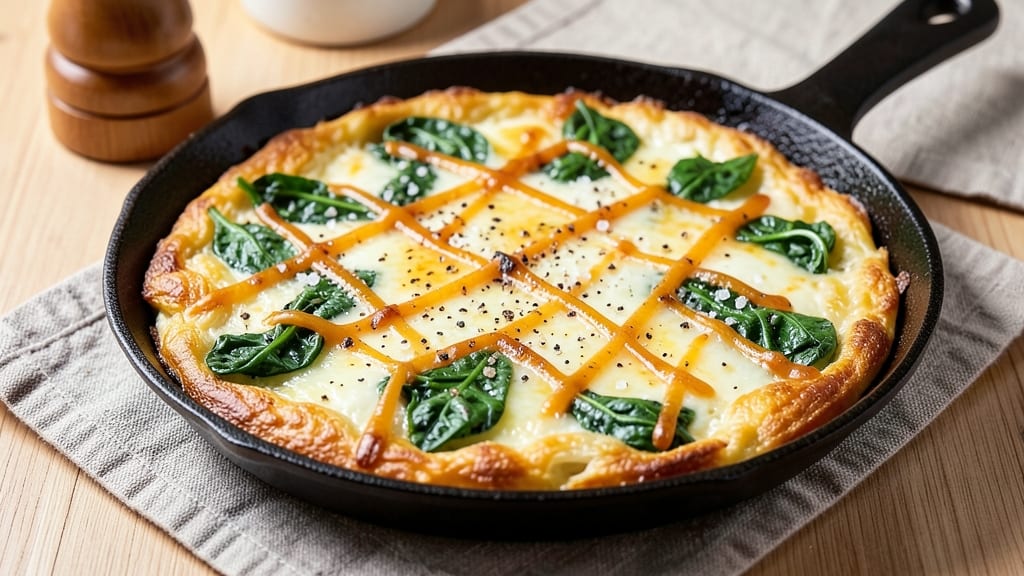
This 3-egg frittata recipe delivers the perfect balance of fluffy texture and crispy edges—no foil required and ready in just 15 minutes. The secret lies in a hot skillet and a precise egg-to-ingredient ratio that transforms simple components into a restaurant-worthy breakfast.
I’ve perfected this method after years of testing, ensuring every bite is tender yet sturdy enough to slice neatly.
What sets this frittata apart is its versatility—start with basic eggs, cheese, and salt, then customize with spinach, mushrooms, or herbs for endless variations. The key technique involves gentle stirring while cooking to distribute heat evenly, preventing a dry or rubbery texture.
Unlike traditional frittatas, this version skips foil, allowing the edges to develop a golden crunch while keeping the center silky.
By the time you’re done, you’ll have a fluffy, foolproof frittata with a crisp exterior and creamy interior, perfect for breakfast or a light dinner. The egg-to-ingredient ratio ensures every bite is balanced, and the method is simple enough for beginners but refined enough for experienced cooks.
Whether you’re feeding one or four, this recipe scales beautifully without sacrificing texture.
Serve it warm with a sprinkle of fresh herbs or a side of crusty bread for the full experience. The best part? No flipping, no foil, and no waiting—just 15 minutes to a satisfying, protein-packed meal. Let’s get started with the full recipe.
Ingredients for 3 egg frittata
Three eggs, a hot skillet, and these simple ingredients transform into a golden, crisp-edged frittata in record time.
| Ingredient | Amount | Notes |
|---|---|---|
| Large Eggs 🥚 | 3 whole | Room temperature for best blend |
| Shredded Sharp Cheddar Cheese 🧀 | ½ cup | Aged for maximum flavor |
| Fresh Spinach 🌿 | 1 cup | Chopped, stems removed |
| Unsalted Butter 🧈 | 1 tbsp | European-style preferred |
| Diamond Crystal Kosher Salt 🧂 | ¼ tsp | Fine grain for even distribution |
| Freshly Ground Black Pepper 🌶️ | ⅛ tsp | Cracked peppercorns preferred |
| Extra-Virgin Olive Oil 🫒 | ½ tbsp | Lightly fruity variety |
| Garlic Cloves 🧄 | 1 whole | Minced, for depth of flavor |
| Fresh Chives 🌱 | 2 tbsp | Finely chopped, for garnish |
| Heavy Cream 🥛 | 1 tbsp | Optional, for extra richness |
| All-Purpose Flour 🌾 | 1 tsp | For dusting skillet |
The eggs are non-negotiable—room temperature blends best for a silky texture. Pasture-raised eggs from Trader Joe's or your local farm store add extra richness, but any large eggs work. Sharp cheddar is ideal, but Parmigiano-Reggiano or Gruyère add gourmet depth. Spinach should be fresh—wilting means bitterness. If you're short on time, frozen chopped spinach (thawed and drained) is a decent swap, but fresh is always better. The butter matters too—European-style like Plugrá has a lower smoke point, perfect for this delicate technique.
No sharp cheddar? Pepper Jack or Monterey Jack work in a pinch, though they lack the same sharp bite. Substituting dairy-free cheese is tricky—Miyoko's or Violife can mimic the texture, but expect a different flavor profile. Fresh spinach too much? Mushrooms or sun-dried tomatoes add umami without overpowering. The heavy cream is optional but game-changing for that ultra-creamy interior. For a lighter version, swap it for unsweetened almond milk—just know the texture will be slightly less rich. Always measure your salt carefully—Diamond Crystal is 20% less salty than table salt, so adjust accordingly.
This frittata is best served immediately, but leftovers reheat beautifully. Store in an airtight container for up to 3 days in the fridge—reheat in a dry skillet over medium heat for 2-3 minutes per side. For meal prep, slice into wedges and freeze between parchment paper for up to 1 month. The secret to reheating? Low and slow—high heat makes frittatas rubbery. Garnish with fresh chives right before serving, as they wilt quickly. Double the recipe? Use two 8-inch skillets for perfect portions every time.
Why You'll Love This Recipe
- No-Fuss Breakfast: I swear, this is the kind of meal where you can measure eggs while the coffee brews. Three eggs, a handful of spinach, and a sprinkle of cheese—no flipping required, just a quick whisk and a low oven. Honestly, I’ve made it in my pajamas.
- Cheesy Crispy Magic: That sharp cheddar melts into gooey pockets while the edges get just crisp enough to hold your fork. Between us, the first bite is always the best—salty, savory, with that fresh spinach cutting through the richness. It’s the kind of flavor that makes you pause mid-bite.
- Lunchbox Hero: Between us, this is my secret weapon for packed lunches. Slice it up, wrap it in foil, and it stays fresh for days—no sad soggy salads here. My kid brings it to school, and I still sneak bites from the container.
- Pantry-Proof Budget Win: Three eggs, a little butter, and whatever cheese you have on hand—this recipe costs me pennies per serving. No fancy ingredients, no wasted leftovers (unless you count the fact that I always make extra). It’s the kind of dish that turns grocery money into meals.
Step-by-step instructions for a perfect 3 egg frittata
Here's how to make a fluffy, golden frittata with crispy edges—no foil needed, just foolproof technique.
Prep Ingredients for Maximum Flavor
Start by chopping the 1 cup fresh spinach into small pieces and removing any tough stems. Minced the 1 whole garlic cloves finely—this ensures even distribution of flavor throughout the frittata. I like to use a microplane for the garlic to avoid any large pieces that might burn before the eggs cook.
Measure out the 0.5 cup shredded sharp cheddar cheese and set it aside. Crack the 3 whole large eggs into a medium bowl, add the 0.25 tsp diamond crystal kosher salt and 0.125 tsp freshly ground black pepper, and whisk vigorously for 30 seconds until the yolks and whites are fully combined. This step creates a smooth batter that will yield a fluffy texture.
Create the Perfect Crispy Base
Heat an 8-inch oven-safe skillet over medium heat until it's hot enough to sizzle when you add the 0.5 tbsp extra-virgin olive oil. Swirl the oil around to coat the entire surface evenly. Sprinkle the 1 tsp all-purpose flour into the skillet and tilt it to distribute evenly—this creates a light, crispy crust that prevents sticking.
Let the flour cook for 1 minute until it turns a light golden color and smells nutty. This is your foundation—don't rush this step. Immediately pour in the egg mixture and stir gently with a spatula for 10 seconds to distribute the flour evenly. Then let it sit undisturbed for 2 minutes until the edges start to set and the top looks slightly dry around the edges.
Layer and Cook the Frittata
Reduce the heat to low and sprinkle half of the 1 cup chopped spinach evenly over the egg mixture. Dot the spinach with half of the 0.5 cup shredded sharp cheddar cheese, then scatter half of the 2 tbsp finely chopped fresh chives on top. Pour the 1 tbsp heavy cream (if using) over the center and gently swirl it into the eggs.
Cover the skillet with a lid and cook for 5 minutes on the stovetop. This steams the spinach and allows the eggs to cook gently. Then increase the heat to medium-low and cook uncovered for another 3 minutes, until the edges are golden and the center is just set but still slightly jiggly.
Finish Under the Broiler for Crispy Perfection
Transfer the skillet to a preheated broiler and broil for 1-2 minutes until the top is golden brown and slightly crispy. Watch it closely—you want it to brown quickly before it overcooks. Remove from the broiler and let it rest for 2 minutes before serving.
Slide the frittata onto a cutting board, sprinkle with the remaining chopped spinach, cheddar cheese, and chives, and slice into wedges. The crispy edges and fluffy interior will make this your new go-to breakfast—easy, elegant, and packed with flavor in just 15 minutes.
Pro Tips For Making 3 Egg Frittata
- CRANK THE HEAT FIRST: Start your 8-inch skillet on max heat with the butter until it’s foaming and smells nutty—this creates that golden crust you crave. I used to play it safe with medium heat, and my frittatas always came out pale and sad. Once the butter’s bubbling, pour in the eggs immediately.
- SALT THE EGGS BEFORE WHISKING: Mix in ½ teaspoon of kosher salt directly into the eggs while whisking—it dissolves better than sprinkling it later. I learned this after tasting a frittata where the salt was clumped in one spot. Works especially well with unsalted butter, which has zero salt to balance.
- WILT SPINACH FIRST, THEN STOP: Cook the spinach in the same skillet until just wilted—about 30 seconds—then remove it and set aside. Overcooking turns it bitter, and adding it back raw means soggy frittata. I now keep a separate bowl nearby to catch the spinach so I don’t forget this step.
- LET IT SET 2 MINUTES: After pouring the eggs, let them sit undisturbed for 2 full minutes before stirring. This lets the edges set slightly, so when you fold it, the frittata holds together instead of falling apart. Yes, it feels weird, but it makes all the difference—especially with just 3 eggs.
Common mistakes when making your 3 egg frittata
Overcrowding the Pan
This is the #1 mistake I see—adding too many fillings like spinach or cheese at once. When you overcrowd, the frittata steams instead of browning, resulting in a soggy center.
Stick to the 1 cup spinach and ½ cup cheese ratio for this recipe, and spread them evenly in a single layer. If you're adding extra veggies, do it in stages: cook half first, then add the rest after the initial 5-minute covered cook. 🌿
Skipping the Flour Base
The 1 tsp all-purpose flour isn't just for flavor—it creates a crispy, golden crust that prevents sticking and adds texture. If you skip it, your frittata will be rubbery and bland.
Cook the flour for 1 full minute until it's lightly golden and nutty-smelling before adding the eggs. This step is non-negotiable for that perfect crunch.
Overmixing the Eggs
Whisking the eggs too vigorously incorporates too much air, which can cause the frittata to puff up unevenly or even overflow. After cracking the 3 eggs, whisk just until the yolks and whites are combined—about 30 seconds.
Overmixing also creates a tougher texture. Think "lightly blended," not "fluffy meringue."
Using Cold Ingredients
Cold eggs, cheese, or spinach can cause your frittata to cook unevenly, with a watery center. Let your eggs sit at room temperature for 30 minutes before using, and take your cheese and spinach out of the fridge 15 minutes before cooking.
Even the skillet should be hot enough to sizzle the oil before adding anything. Cold ingredients slow down heat penetration, leading to a gummy texture.
Peeking Too Often
Every time you lift the lid during the 5-minute covered cook, you release steam and disrupt the cooking process. This can cause the frittata to dry out unevenly or develop a tough top.
Resist the urge to check—trust the timing. If you're worried, use a thermometer to check the center reaches 160°F before broiling. 🌡️
Broiling Too Long
The broiler is your friend for crispy edges, but it's easy to overdo it. Watch your frittata like a hawk during the 1-2 minute broil—it burns faster than you think. The top should be golden brown, not charred.
Remove it as soon as you see color, then let it rest. Overbroiling turns the top rubbery and bitter, which is a shame after all your hard work.
Nutrition facts
Frequently asked questions
Can I make this frittata with fewer than 3 eggs?
Yes, but the texture will be less fluffy and the edges may not crisp as well. For a 2-egg frittata, use a 6-inch skillet and reduce the spinach to ½ cup and cheese to ¼ cup. The cooking time stays the same, but expect slightly softer edges. For a 4-egg version, increase all ingredients proportionally and use an 8-inch skillet.
What are the best veggie add-ins for this frittata?
Beyond spinach, try sautéing ½ cup mushrooms or diced bell peppers in the skillet before adding the eggs for extra flavor. Sun-dried tomatoes or roasted red peppers add umami, while zucchini or asparagus work well if chopped small. For a heartier version, stir in cooked quinoa or black beans after the initial 5-minute cook.
Why did my frittata turn out rubbery?
Rubbery texture usually means the eggs were overcooked or the heat was too high. Keep the stovetop at medium-low during the 5-minute covered cook and broil for only 1-2 minutes. Also, avoid peeking too often—steam is crucial for a tender center. If using extra fillings, add them in stages to prevent steaming instead of browning.
Can I make this frittata ahead of time?
Let it cool completely, then store in an airtight container for up to 3 days in the fridge. For best results, reheat in a dry skillet over medium heat for 2-3 minutes per side until warmed through. To freeze, slice into wedges, wrap individually in parchment, and freeze for up to 1 month. Reheat frozen slices in a skillet for 3-4 minutes.
How do I adjust this for a gluten-free diet?
Replace the 1 tsp all-purpose flour with 1 tsp cornstarch or gluten-free flour blend. For extra crispiness, toast the cornstarch in the skillet for 1 minute before adding the eggs. The rest of the recipe stays the same—just ensure your cheese and other ingredients are certified gluten-free if needed.