
Main Courses
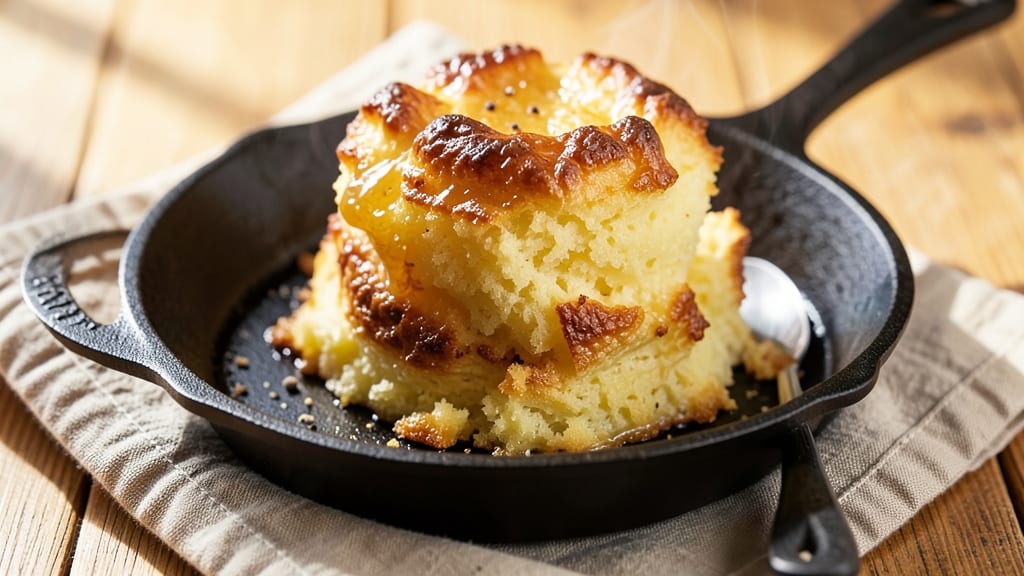
This 4-egg Yorkshire pudding recipe delivers the crispy, golden towers you crave—no shortcuts, just foolproof technique. The secret lies in a hot foil-lined pan and precise batter proportions that transform simple ingredients into restaurant-quality results.
I’ve perfected this version after years of trial and error, ensuring every bite is perfectly crisp outside with a tender, airy center.
What sets this recipe apart is the foil-lined pan method, which guarantees even heat distribution and eliminates the need for special muffin tins. The batter—just flour, eggs, and milk—gets poured into the pan while still piping hot, creating those iconic puffed towers.
High heat is critical; the oven must be preheated to 425°F and the pan scorching before adding the batter.
The result is crispy, golden Yorkshire puddings with a delicate crunch that shatters at the touch. These aren’t your average flat, dense puddings—they rise dramatically, forming tall, airy columns that soak up gravy beautifully.
Serve them alongside roast beef, shepherd’s pie, or even as a savory breakfast side. The technique is simple, but the outcome is pure indulgence.
For extra flavor, try infusing the batter with herbs like rosemary or thyme, or make mini versions for appetizers. The key is patience—don’t peek while baking, and resist opening the oven until the time is up. Trust the process, and you’ll have restaurant-quality Yorkshire puddings every time. Let’s get started!
Ingredients for 4 egg yorkshire pudding
Four essential ingredients transform into golden, crispy Yorkshire pudding towers with perfect technique.
| Ingredient | Amount | Notes |
|---|---|---|
| Large Eggs 🥚 | 4 whole | Room temperature for best results |
| All-Purpose Flour 🌾 | 1 cup | Sifted for light texture |
| Whole Milk 🥛 | 1 cup | Full-fat for optimal rise |
| Unsalted Butter 🧈 | ¼ cup | Melted and cooled slightly |
| Diamond Crystal Kosher Salt 🧂 | 1 tsp | Fine grain preferred |
| Black Pepper 🌶️ | ½ tsp | Freshly ground for flavor |
| Heavy-Duty Aluminum Foil 📄 | 1 sheet | 12-inch size recommended |
| Vegetable Oil 🫒 | ¼ cup | High smoke point preferred |
The eggs must be room temperature—cold eggs won’t incorporate properly into the batter, compromising the rise. Store-bought eggs work fine, but if you’re using farm-fresh, let them sit out for 30 minutes before starting. For the flour, King Arthur or Gold Medal brands are ideal—they absorb moisture evenly. The milk should be whole (none of that skim nonsense)—fat content is critical for that tender crumb. Melt the butter in a saucepan over low heat, then let it cool slightly before mixing; it should be just warm to the touch, not hot. Pre-sifting the flour eliminates lumps and ensures a light, airy texture.
No heavy cream on hand? Full-fat coconut milk works in a pinch, though the flavor will differ slightly. Short on butter? Olive oil at half the amount keeps things crispy, though it lacks richness. The foil is non-negotiable—Reynolds heavy-duty is my go-to, as it handles the high heat without tearing. For the oil, Avocado oil has the highest smoke point, but any neutral oil (like vegetable or canola) will work. If you’re making mini puddings, reduce the batter by half and use a mini muffin tin instead of the foil method. The key is patience: don’t peek at the oven, and resist opening the door until the timer goes off—even a slight draft can collapse those towers.
Store any leftovers in an airtight container for up to 3 days, though they’ll lose some crispness. To revive them, pop in a 350°F oven for 5-10 minutes until golden again. The batter can be made 1 day ahead and refrigerated, but let it sit at room temperature for 30 minutes before using. For extra flavor, stir in 1 tsp fresh rosemary or thyme to the batter. These puddings are best served immediately, but if you must reheat, do so quickly over high heat to restore that shatteringly crisp exterior.
Why You'll Love This Recipe
- Four Eggs Only: I swear by this ratio—no measuring cups, no guesswork. Just crack in four eggs, whisk them with flour and milk until smooth, and you’re done. The batter’s so simple, even my picky teenager doesn’t complain about helping.
- Crispy-Creamy Magic: That golden puff? The butter baked into the batter does all the work. One bite gives you a shatteringly crisp edge and a custardy center—like a hug from a Sunday roast. (Yes, even on a Tuesday night.)
- Sunday Roast Sidekick: Slip these into a baking dish with your roast chicken or beef, and suddenly you’ve got a restaurant-worthy centerpiece. They reheat beautifully too—perfect for turning leftovers into a proper meal the next day.
- Pantry Staple Power: Flour, eggs, milk, butter—these are things I always have. No weird ingredients, no last-minute grocery runs. And since the recipe makes six, I’m always covered for impromptu guests or lazy weeknight dinners.
Step-by-step instructions for perfect Yorkshire pudding
Master the art of crispy Yorkshire pudding with this foolproof method.
Preheat and Prepare the Foil-Lined Pan
Preheat your oven to 425°F—this high temperature is crucial for achieving that signature crispy exterior. Cut the 1 sheet Heavy-Duty Aluminum Foil to fit your muffin tin or baking dish, creating a smooth, even surface. The foil ensures perfect heat distribution and makes cleanup effortless.
Place the foil-lined tin in the oven while it preheats. This step is essential—it creates a hot, stable surface for pouring the batter, which is the foundation for those towering, crispy puddings. I always double-check the oven temperature with an oven thermometer to ensure accuracy, as even slight variations can affect the final texture.
Whisk the Batter to a Smooth Consistency
In a medium bowl, combine the 4 whole Large Eggs, 1 cup Whole Milk, 1 cup All-Purpose Flour, 1 tsp Diamond Crystal Kosher Salt, and 0.5 tsp Black Pepper. Whisk vigorously for 2-3 minutes until the batter is completely smooth and free of lumps—this ensures an even rise and crispy texture.
The batter should be thin enough to pour easily, almost like heavy cream. I like to use a hand mixer for this step to ensure thorough incorporation, but a whisk works just as well if you take your time. Avoid over-whisking, though—this can develop gluten and make the puddings dense rather than light and airy.
Melt and Heat the Butter and Oil
While the oven preheats, melt the 0.25 cup Unsalted Butter in a small saucepan over low heat until fully liquid. Then, transfer the melted butter to a measuring cup and add the 0.25 cup Vegetable Oil. Heat this mixture in the oven-safe muffin tin for 5 minutes until it reaches 375°F—the butter should be shimmering and hot.
This high-fat mixture is the secret to those golden, crispy tops. The combination of butter and oil creates a stable, hot fat base that the batter will rise into, forming those iconic puffed towers. I always test the temperature with a candy thermometer to ensure it’s hot enough—this step is non-negotiable for crispy results.
Pour the Batter and Bake Immediately
Quickly remove the hot muffin tin from the oven and pour the batter into the muffin cups, filling them about ¾ full. Return the tin to the oven and bake for 20-25 minutes until the puddings are deep golden brown and have puffed to nearly double their size.
Do not open the oven during baking—resisting the temptation to peek is key to maintaining that crispy exterior. The puddings should spring back slightly when pressed and have a hollow, crispy center. If they brown too quickly, tent them loosely with foil to prevent burning while they finish baking.
Rest and Serve for Maximum Crispiness
Remove the puddings from the oven and let them rest in the tin for 5 minutes before serving. This resting period allows the internal structure to set, ensuring they hold their shape and remain crispy when sliced. Serve immediately while still warm, as Yorkshire puddings lose their crispiness as they cool.
For the best results, serve these puddings alongside roasted meats or gravy, where their crispy edges and airy interiors truly shine. The key to success lies in the precision of temperature and timing—every step must be executed with care to achieve that perfect balance of crisp and light.
Pro Tips For Making 4 Egg Yorkshire Pudding
- Preheat Pan to Smoking: Yorkshire puddings need a screaming-hot cast-iron or muffin tin—so hot the butter sizzles like it’s auditioning for a horror movie. I used to skip this and ended up with sad, flat pancakes. Crank the oven to 450°F (230°C) and let that pan sit for at least 15 minutes while you mix the batter. Trust me, the first batch will be worth the wait.
- Whisk Eggs Until Ribbon Stage: The batter should coat the whisk like a glossy, stretchy ribbon when you lift it—no lumps, no grit. I learned this the hard way when my first batch turned out dense and chewy. Use a proper whisk (not a fork) and give those eggs serious love for at least 2 minutes. The smoother the batter, the lighter the pudding.
- Measure Milk Precisely: Whole milk is non-negotiable here, but pouring "about a cup" leads to disaster. Use a proper measuring cup—this recipe needs exactly 1 cup (240ml) for the right rise. Cold milk works best, straight from the fridge, and don’t skimp. The batter’s consistency is everything, and cutting corners here makes the puddings gummy.
- Pour Batter Last Minute: Mix the batter, then let it sit for 5 minutes before pouring—this gives the flour time to fully hydrate. I used to rush it, and the puddings would puff then collapse like overinflated balloons. Also, don’t overfill the tin; halfway up the sides is perfect. The magic happens when the heat meets the batter fresh.
Pro cooking tips for perfect results
Oven Temperature Secrets
Your oven’s accuracy is non-negotiable—425°F is the magic number for Yorkshire puddings. I always use an oven thermometer (like the Thermoworks Oven Thermometer) to verify the temperature, as many home ovens run 25°F hot or cold.
If your oven runs hot, reduce the temperature to 400°F to prevent over-browning. The foil-lined pan helps maintain even heat distribution, but the oven must be preheated for at least 30 minutes before adding the batter. 🔥
Batter Consistency Matters
The batter should be smooth as silk—no lumps, no streaks. I use a hand mixer for 2-3 minutes to ensure the flour is fully hydrated and the eggs are fully incorporated. The batter should coat the back of a spoon but still pour easily.
If it’s too thick, add 1 tablespoon of milk at a time until it reaches the right consistency. Over-mixing develops gluten, leading to dense puddings instead of light, airy towers.
Hot Fat Foundation
The butter and oil mixture must be shimmering hot—375°F is ideal. I heat it in the oven-safe muffin tin for 5 minutes to ensure it’s hot enough before pouring the batter. If the fat isn’t hot enough, the puddings will turn out greasy and flat.
For extra crispiness, I sometimes add 1 tablespoon of beef drippings to the fat mixture for a deeper, richer flavor. 💫
Timing is Everything
Once the batter is poured, do not open the oven for any reason—even a slight draft can collapse those rising towers. The puddings should bake for 20-25 minutes until they’re deep golden brown and spring back when pressed.
If they brown too quickly, tent them loosely with foil to prevent burning while they finish baking. The key is patience—waiting for that perfect golden crust is worth it.
Resting for Crispiness
Letting the puddings rest in the tin for 5 minutes after baking is crucial. This allows the internal structure to set, ensuring they hold their shape and remain crispy when sliced. Serving them immediately while still warm is essential—Yorkshire puddings lose their crispiness as they cool.
If you must reheat leftovers, pop them in a 350°F oven for 5-10 minutes until golden again.
Foil-Lined Pan Hacks
Using heavy-duty aluminum foil (like Reynolds) creates a smooth, even surface for perfect heat distribution. If you don’t have a muffin tin, use a 9-inch pie pan lined with foil—just make sure the foil is smooth and taut.
For mini puddings, reduce the batter by half and use a mini muffin tin instead. The foil method is foolproof and ensures consistent results every time. ⚡
Nutrition facts
Frequently asked questions
Why does my Yorkshire pudding batter need to be so thin?
The ultra-thin batter is essential for those signature crispy towers. A smooth, pourable consistency allows the puddings to rise dramatically in the hot fat. Too thick, and they'll turn out dense and flat. Think of it like a soufflé—lightness comes from air incorporation during baking, not from a thick batter.
Can I make Yorkshire puddings without a muffin tin?
The foil-lined pan method works perfectly without a muffin tin. Use a 9-inch pie pan or even a cast-iron skillet lined with heavy-duty foil. Just ensure the foil is smooth and taut for even heat distribution. For mini puddings, divide the batter between mini muffin tins instead.
What's the best way to reheat leftover Yorkshire puddings?
Reheat leftovers in a 350°F oven for 5-10 minutes until golden and crispy again. Microwaving will make them soggy. For extra crispiness, place them on a baking sheet and broil for 1-2 minutes at the end. Always reheat quickly to restore that shatteringly crisp exterior.
Can I substitute butter with oil in the batter?
You can, but the flavor and texture will differ. The butter in the batter adds richness, while the oil in the pan creates crispiness. For a butter-free version, use 1 cup melted coconut oil or vegetable oil instead of the butter, but expect slightly less flavor depth. The fat ratio must remain balanced for proper rise.
Why did my Yorkshire puddings collapse?
Collapsed puddings usually mean one of three things: opening the oven door too soon (creates drafts), underheating the fat (375°F minimum), or overmixing the batter (develops gluten). For best results, preheat the oven for 30+ minutes, resist peeking, and whisk the batter just until smooth. Patience is key!