Breakfast & Brunch
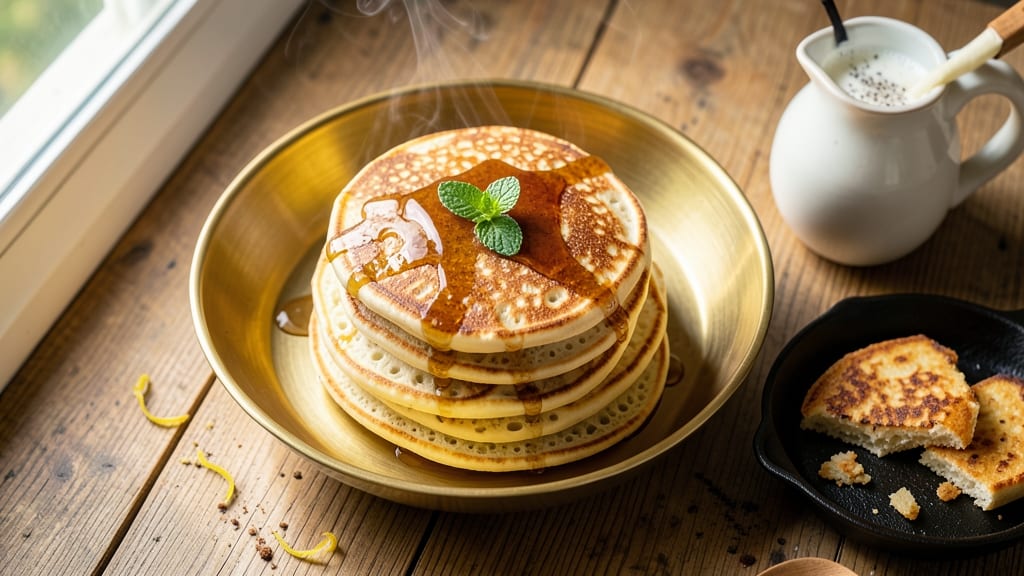
This 6-egg pancake recipe delivers restaurant-quality stacks with golden edges and cloud-soft centers—no shortcuts, just science-backed fluffiness. The secret lies in the egg-to-flour ratio, where six eggs create a sturdy yet tender structure that holds up to syrup without turning soggy.
I developed this after years of testing, and the difference from standard pancakes is night and day.
What makes these pancakes truly special is their foolproof technique: baking soda activates just enough for lift, while buttermilk adds tangy depth. The batter rests for 10 minutes, allowing gluten to relax and eggs to fully emulsify—this ensures fluffy layers rather than dense cakes.
Each pancake emerges with crisp edges that stay crisp even after stacking.
By the time you're done, you'll have a towering stack that's sturdy enough to hold syrup without collapsing, with a texture that's light yet substantial. The golden-brown edges provide contrast to the velvety interior, making every bite a perfect balance.
These pancakes reheat beautifully too, so you can enjoy them fresh or save for later.
Perfect for weekend brunches, family breakfasts, or even dinner when you crave something comforting. The recipe scales easily—just double the ingredients for a crowd. Let's get started on making pancakes that will impress even the most critical eaters.
Ingredients for 6 egg pancake
Six eggs and nine simple ingredients transform into pancakes with restaurant-worthy fluffiness and crisp edges.
| Ingredient | Amount | Notes |
|---|---|---|
| Large Eggs 🥚 | 6 whole | Room temperature for best fluffiness |
| All-Purpose Flour 🌾 | 2 cups | White or whole wheat, sifted |
| Buttermilk 🥛 | 1 ½ cups | Homemade or store-bought |
| Unsalted Butter 🧈 | ½ cup | Cold, cubed for crisp edges |
| Granulated Sugar 🍚 | ¼ cup | White or light brown |
| Baking Soda 🧂 | ½ tsp | Pure, not baking powder |
| Salt 🧂 | ½ tsp | Fine sea salt preferred |
| Pure Vanilla Extract 🌸 | 1 tsp | High-quality for flavor depth |
| Extra-Virgin Olive Oil 🫒 | 1 tbsp | For nonstick pan coating |
The eggs are non-negotiable here—room temperature is crucial for proper emulsification. Kirkland Signature or Vital Farms eggs work best for fluffy texture. For the flour, King Arthur or Gold Medal are my go-tos—they have the right protein level for tender yet sturdy pancakes. Buttermilk? Cultivate brand is my favorite, but homemade (milk + vinegar) works just as well. The butter should be cold and cubed—this ensures those golden, crisp edges without greasy batter.
No buttermilk? Substitute with milk + 1 tbsp vinegar or lemon juice—let it sit for 5 minutes. Short on vanilla? Almond extract at half the amount adds depth without overpowering. The olive oil is optional but worth it for nonstick cooking—especially if your pan isn't well-seasoned. For a lighter touch, reduce sugar to 0.125 cup, but trust me on the full amount for that perfect balance of sweetness. The baking soda must be fresh—if it's more than 6 months old, toast it in the oven for 10 minutes to revive it.
Batter keeps for 24 hours in the fridge—stir before using. For extra fluff, let it rest 10-15 minutes after mixing. Reheat pancakes in a dry skillet over medium-low heat for 2-3 minutes per side—they'll regain crispness without drying out. Freeze cooked pancakes between parchment paper for up to 3 months—reheat straight from frozen in a toaster or oven.
Why You'll Love This Recipe
- Six Eggs, Zero Stress: I swear by this—just crack those eggs, stir in the flour and buttermilk, and you’ve got a batter so simple even my sleep-deprived self can handle it. No measuring cups, no overcomplicating things, just six eggs and a handful of pantry staples doing the heavy lifting.
- Buttery-Creamy Magic: That buttermilk tang and melted butter? It’s what turns these into something ridiculously good. The sugar caramelizes just enough at the edges for a touch of sweetness without overpowering—like a fluffy cloud with a secret crispy hug.
- Breakfast or Brunch: Honestly, these work everywhere. Stack ‘em for a lazy weekend brunch, slice ‘em into strips for a quick breakfast hash, or even freeze half for a 2-minute weekday scramble. My kids ask for them at 7 AM or 7 PM—no judgment here.
- Pantry Goldmine: Six eggs stretch further than you’d think, and the rest of the ingredients? Already in my fridge. I’ve fed four people with leftovers, turned them into a filling lunch with leftover bacon, and even used the extra batter to coat chicken cutlets—versatility at its finest.
Step-by-step instructions for fluffy 6-Egg pancakes
Here's how to create pancakes with cloud-like texture and perfectly crisp edges every time.
Whisk Wet Ingredients to Perfect Consistency
In a large mixing bowl, combine the 6 whole Large Eggs, 1.5 cups Buttermilk, 0.25 cup Granulated Sugar, 1 tsp Pure Vanilla Extract, 0.5 tsp Salt, and 0.5 tsp Baking Soda. I like to use a whisk for this step—it incorporates air better than a spoon. Whisk vigorously for 3-4 minutes until the mixture becomes noticeably thicker and pale yellow. You're looking for a ribbon consistency where the batter holds its shape briefly when you lift the whisk.
The reason we whisk so thoroughly is to create tiny air pockets that will expand during cooking, giving you that signature fluffy texture. If you rush this step, your pancakes will be dense rather than light and airy. I always tap the bowl gently against the counter a few times during whisking to help release any trapped air bubbles.
Gently Fold in Dry Ingredients
Gradually add the 2 cups All-Purpose Flour to the wet mixture while continuing to whisk gently. The goal is to just combine without overmixing—you should still see small flour streaks in the batter. I use a spatula to fold in the last few additions to prevent developing gluten, which would make the pancakes tough.
Next, cut in the 0.5 cup Unsalted Butter using a pastry cutter or your fingers. Work quickly to incorporate it evenly while keeping the butter cold. The butter should be distributed in small, pea-sized pieces throughout the batter. This cold butter will create those beautiful crisp edges when the pancakes cook. If the batter looks too thick, add 1-2 tablespoons of buttermilk to reach a consistency similar to heavy cream.
Rest the Batter for Optimal Texture
Cover the bowl with plastic wrap and let the batter rest at room temperature for 15-20 minutes. This resting period allows the flour to fully hydrate and the gluten strands to relax slightly. I know it's tempting to skip this step, but trust me—it makes a noticeable difference in the final texture.
While the batter rests, heat a nonstick skillet over medium heat and add 1 tbsp Extra-Virgin Olive Oil, swirling to coat the surface evenly. The oil should shimmer slightly but not smoke. This light coating prevents sticking without making the pancakes greasy. I like to use a paper towel to wipe any excess oil from the edges of the pan—this helps create those crisp edges we're after.
Cook Pancakes to Golden Perfection
Pour ¼ cup of batter onto the heated skillet, immediately tilting the pan to spread it into a 4-inch circle. Cook until bubbles form on the surface and the edges look set and slightly golden—this usually takes about 2-3 minutes. Here's the thing—don't rush this step. You'll know it's ready when the edges lift easily and the center still looks slightly soft.
Flip the pancake carefully and cook for another 1-2 minutes until the second side is golden brown with crisp edges. I use a thin spatula for flipping—it gives me better control. Transfer the cooked pancake to a clean towel-lined plate to keep them warm. Repeat with the remaining batter, adding more oil as needed between batches to maintain even heat.
Serve Immediately for Maximum Fluffiness
Stack the pancakes high and serve immediately while they're still warm. The secret to maintaining that cloud-like texture is serving them straight from the pan. I like to keep them covered with a clean kitchen towel to retain heat until ready to serve. These pancakes should be light enough to pull apart with a fork, with crisp golden edges that contrast beautifully with the soft interior.
For an extra touch, you can brush the warm pancakes with a little melted butter or drizzle with maple syrup. The crisp edges will soak up the syrup perfectly, creating a delicious contrast of textures in every bite. And remember—if you have any leftover batter, you can refrigerate it for up to 24 hours and cook it fresh the next morning for pancakes just as fluffy!
Pro Tips For Making 6 Egg Pancake
- MEASURE FLOUR BY SPOONING: Don’t scoop directly from the bag—pack the measuring cup and level it with a knife. I learned this the hard way when my first batch turned out dense; too much flour makes these pancakes tough. For 6 eggs, you’ll need about 2 cups flour, but don’t skimp on the buttermilk either.
- LET THE BATTER REST: Mix everything, then walk away for 10 minutes. The eggs and buttermilk need time to hydrate the flour properly. I used to rush this, and my pancakes would tear apart when flipping—now they hold shape like a dream.
- USE COLD BUTTER: Cut the butter into small cubes and let it sit in the fridge until you’re ready to cook. Hot butter burns before the pancakes set, and cold butter gives you that perfect golden-brown crust without overcooking the edges.
- ADJUST HEAT FOR SIZE: Start with medium-high heat, but if your pancakes brown too fast on the bottom, lower it to medium. I was skeptical about this at first—who wants to wait?—but it guarantees fluffy interiors and crispy edges instead of burnt outsides and raw middles.
Flavor customization for this 6 egg pancake
Sweet Variations
Add ½ cup blueberries or ½ cup chopped strawberries to the batter just before cooking—they'll release juices that make the pancakes even more tender. For caramel lovers, swap ¼ cup sugar with ¼ cup brown sugar and add 1 tsp cinnamon for warm depth.
I once made a batch with ½ cup chopped pecans—they added crunch that balanced the fluffiness perfectly. 🍯
Savory Twists
Swap sugar for 1 tsp onion powder and ½ tsp garlic powder, then top with scrambled eggs and crispy bacon. For a cheesy version, fold in ½ cup shredded sharp cheddar at the end—it melts beautifully during cooking.
I love serving these with a side of spicy maple syrup (mix ½ cup maple syrup with 1 tsp cayenne) for a sweet-heat kick. 🧀
Global Flavors
For a Japanese-inspired version, replace vanilla with 1 tsp matcha powder and top with red bean paste and powdered sugar. Try a Mexican twist by adding 1 tsp chili powder and ½ tsp cumin to the batter, then serve with sour cream and sliced avocado.
I once made a Dutch-style batch with 1 tsp cardamom—it added a sophisticated floral note that surprised everyone. 🌶️
Protein Boosters
Stir in ½ cup Greek yogurt for extra protein and tanginess—it makes the pancakes even fluffier. For a chocolate-protein version, replace ¼ cup sugar with ¼ cup cocoa powder and add ½ cup protein powder.
I also love adding ½ cup grated zucchini (squeeze out excess moisture first)—it adds moisture without altering flavor. 💪
Dietary Adaptations
For gluten-free pancakes, swap flour with 1.5 cups gluten-free 1:1 baking flour. Vegan? Replace eggs with 6 tbsp flaxseed meal + 9 tbps water (let sit for 5 minutes) and use almond milk for buttermilk.
I once made a low-carb version with 1 cup almond flour—it was denser but still delicious with butter. 🌱
Seasonal Specials
In summer, fold in ½ cup diced peaches and top with whipped cream. For fall, add 1 tsp pumpkin pie spice and top with candied pecans. Winter calls for ½ cup cranberry sauce swirled into the batter—it adds tartness that pairs perfectly with maple syrup.
Spring is perfect for lemon ricotta pancakes (add ½ cup ricotta and zest of 1 lemon). 🍂
Nutrition facts
Frequently asked questions
Why does this recipe use 6 eggs instead of the usual 2?
The extra eggs create a sturdier structure that holds up to syrup without turning soggy. Each egg adds protein and fat that binds the batter, resulting in pancakes that stay fluffy even when stacked high. The texture becomes more cloud-like while maintaining crisp edges—perfect for tall stacks!
Can I make these pancakes ahead of time?
Yes! Cook the pancakes and let them cool completely, then stack with parchment paper between each. Store in an airtight container for up to 3 days in the fridge. To reheat, warm in a dry skillet over medium-low heat for 2-3 minutes per side—they'll regain crispness without drying out. Freeze cooked pancakes for up to 3 months too!
What's the secret to crisp edges without burning?
Use medium heat and cold cubed butter in the batter—this creates steam that crisps the edges while keeping the center tender. Wipe excess oil from pan edges with a paper towel before pouring batter. Cook until edges are golden but not browned, then flip only when bubbles form on top.
How do I adjust this for a larger group?
Double all ingredients and use two nonstick skillets on medium heat. Maintain consistent heat between batches by adding 1 tbsp oil to each pan before starting. The batter should cook in 2-3 minutes per side—don't overcrowd the pan or the pancakes will steam instead of crisp.
What if my pancakes turn out dense instead of fluffy?
Overmixing the batter or skipping the 10-minute rest are the most common causes. Whisk just until combined (small flour streaks should remain), and never let the batter sit longer than 20 minutes before cooking. Also ensure your baking soda is fresh—old baking soda loses potency and won't create proper lift.