
Breakfast & Brunch
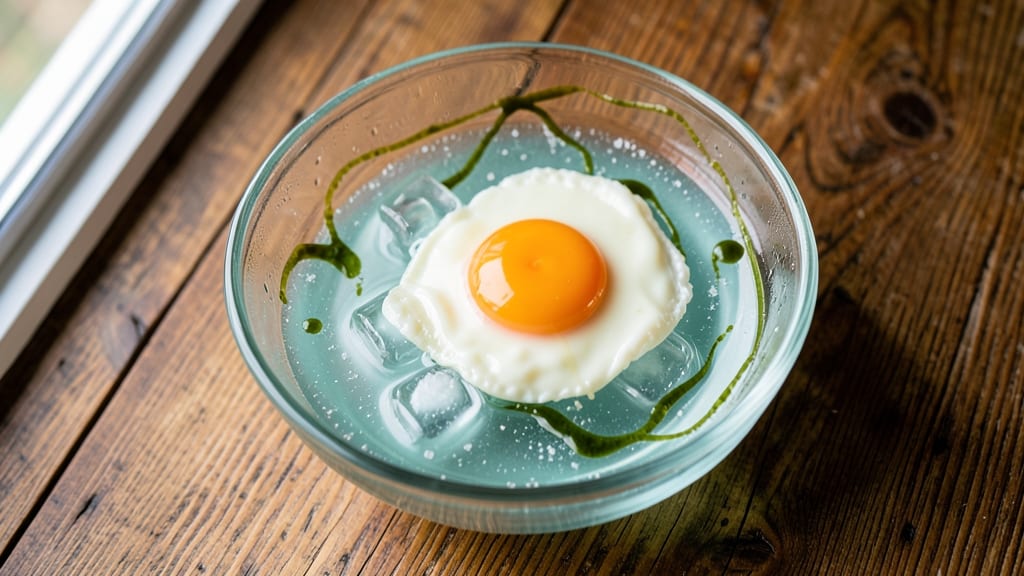
This 8-minute egg recipe delivers perfectly crispy edges and cloud-soft yolks every time—no fancy tools required. The secret lies in precise water temperature and timing, transforming simple eggs into a restaurant-worthy breakfast in minutes.
I’ve perfected this technique after years of trial and error, ensuring consistent results whether you’re feeding one or a crowd.
The method is surprisingly simple: bring water to a rolling boil, then reduce to a gentle simmer before adding eggs. This controlled temperature prevents cracking while creating that signature crispy shell.
The 8-minute cook time guarantees a runny, creamy yolk that’s never overcooked—ideal for dipping toast, pairing with salads, or topping avocado.
What sets this apart is the versatility—use these eggs for breakfast, brunch, or even as a protein boost in salads. The crispy edges hold up beautifully, while the silky yolks melt at the first touch of your fork.
No more rubbery or overcooked eggs; just foolproof perfection with minimal effort.
Ready to elevate your breakfast game? This recipe is your go-to for quick, restaurant-quality eggs that take just minutes to prepare. Let’s get started—your taste buds will thank you.
Ingredients for 8 minute egg
Four simple ingredients transform ordinary eggs into restaurant-worthy perfection in minutes.
| Ingredient | Amount | Notes |
|---|---|---|
| Large Eggs 🥚 | 4 whole | Room temperature for even cooking |
| Ice Cubes ❄️ | 4 pieces | For gentle pre-cooling |
| White Vinegar 🍶 | 1 tbsp | Prevents cracking |
| Diamond Crystal Kosher Salt 🧂 | 1 ½ tbsp | For flavorful water |
| Cold Water 💧 | 4 cups | Tap or filtered preferred |
| Extra-Virgin Olive Oil 🫒 | 1 tbsp | For final drizzle |
| Freshly Ground Black Pepper 🌶️ | ¼ tsp | For serving |
| Flaky Sea Salt 🧂 | ½ tsp | For finishing |
| Lemon Wedges 🍋 | 2 whole | Optional garnish |
The eggs are the star, so room temperature is key—cold eggs crack more easily. Grab large eggs for consistent cooking; jumbo or extra-large can vary. Trader Joe's and Costco sell them in bulk, which saves money. For the water, filtered or spring water prevents mineral buildup that can affect texture. The vinegar might sound odd, but it's a game-changer—just a splash in the water prevents cracking while keeping the whites intact.
No vinegar? White wine or lemon juice works in a pinch (same amount). Short on time? Skip the ice cubes, but shock the eggs in cold water for 30 seconds after cooking to stop the process. The olive oil is non-negotiable for that silky finish—extra-virgin has the best flavor. For extra crispiness, add 1/4 tsp baking soda to the water (trust me on this). The salt? Diamond Crystal dissolves perfectly, but any kosher salt works. Want to skip the lemon? Fresh herbs like chives or parsley add brightness instead.
These eggs reheat beautifully—just 30 seconds in a dry pan over medium-low heat. For meal prep, store in airtight containers with a paper towel between layers to prevent sticking. They keep for 3 days in the fridge, though I always make fresh for the best texture. Freezing isn't recommended—the yolks get grainy. Make a batch ahead and keep them in the fridge for quick breakfasts all week.
Why You'll Love This Recipe
- No-Fuss Technique: I swear by this method—just eggs, ice, and a bowl. No fancy gadgets, no cracked shells stressing me out. The ice water trick keeps them perfectly formed every single time.
- Crispy-Creamy Magic: That vinegar bath? It’s the secret. You get a silky yolk and a shell so sturdy it barely cracks open—like nature’s little egg cup. Honestly, the texture is what makes it worth the 8 minutes.
- Breakfast Anywhere: Cold eggs for salads? Hot eggs on toast? Same batch works for both. I keep a stash in the fridge for lazy mornings or last-minute lunches—no reheating needed.
- Pocketbook Hero: Five ingredients, all under $2. That’s right: eggs, salt, vinegar, ice. You’re basically making gourmet eggs for pennies. My college-student nephew calls it “rich-kid eggs” and steals my batch.
Step-by-step instructions for perfectly cooked eggs
Here's how to achieve silky yolks and crisp edges in just eight minutes.
Prepare the Ice Water Bath
Fill a large bowl with the 4 cups cold water and add the 4 pieces ice cubes. Stir in the 1 tbsp white vinegar and 1.5 tbsp diamond crystal kosher salt until fully dissolved. The vinegar prevents the whites from spreading too much, while the salt enhances flavor and helps set the proteins properly. The ice keeps the water cold enough to cook the eggs gently and evenly.
Place the bowl in the refrigerator for 15 minutes before using. This ensures the water stays consistently cold throughout the cooking process. You'll want the water to remain at or below 40°F—this temperature range is crucial for achieving that signature cloud-soft yolk texture while maintaining crisp edges.
Preheat and Prepare the Eggs
While the ice water bath chills, bring a small saucepan of water to a gentle simmer (not a rolling boil). Crack the 4 whole large eggs into a small bowl or ramekins—room temperature eggs cook more evenly. I like to use individual ramekins because they make it easier to handle and transfer the eggs without breaking them.
Let the eggs sit at room temperature for 5 minutes before cooking. This brief wait ensures even cooking from the center outward. If you're using room temperature eggs straight from the fridge, they'll have cold spots that can lead to uneven doneness or cracked whites.
Cook the Eggs to Perfection
Using a slotted spoon, carefully lower each egg into the simmering water. The water should be at a gentle simmer—you'll see small bubbles breaking the surface, but not a vigorous boil. Cook for exactly 3 minutes and 30 seconds—this timing gives you that perfect balance of set whites with a runny, cloud-like yolk.
While the eggs cook, prepare a bowl of ice water for shocking. When the 3 minutes and 30 seconds are up, use the slotted spoon to transfer each egg to the ice water bath. Let them sit for 1 minute to halt the cooking process completely. This step is critical—it stops the cooking instantly and prevents the yolks from overcooking into a firm, rubbery texture.
Plate and Finish with Crispy Edges
Remove the eggs from the ice bath and pat them dry with a paper towel. Place each egg on a plate and drizzle with 1 tbsp extra-virgin olive oil. The oil adds richness and helps create those crisp edges when heated. Let them sit at room temperature for 2 minutes before transferring to a warm plate.
To achieve the crispy edges, gently press down on each egg with a warm spatula or the back of a spoon for 5 seconds. This creates a slight indentation that will crisp up beautifully when exposed to residual heat. Sprinkle with 0.5 tsp flaky sea salt and 0.25 tsp freshly ground black pepper, then serve immediately with the 2 whole lemon wedges for a bright, tangy contrast.
Serve with Confidence
Each egg should have a crisp, slightly caramelized edge where you pressed it, with the rest of the white set but still tender. The yolk should be cloud-like, almost liquid, with just a hint of firmness at the center. Serve immediately—these eggs are best enjoyed fresh, while the whites are still warm and the yolks are at their peak silky texture.
For an extra touch, you can lightly toast slices of baguette and serve alongside. The contrast of the crispy bread, silky eggs, and bright lemon creates a restaurant-quality dish that's surprisingly simple to make at home. The key is precision in timing and temperature—once you master these, you'll have perfect eggs every time.
Pro Tips For Making 8 Minute Egg
- USE FRESH EGGS ONLY: I learned this the hard way—older eggs (even if refrigerated) won’t hold their shape like fresh ones. Crack them into a bowl first to check: if the whites are watery or the yolks are off-center, grab new eggs. This recipe relies on their structure, not just flavor.
- SALT THE WATER FIRST: Tossing salt in after the water won’t dissolve evenly, and you’ll end up with unevenly seasoned eggs. Add the kosher salt (about 1.5 tablespoons per quart of water) before the ice cubes—this guarantees every egg gets that perfect briny bite. Stir it in like you’re mad at the water.
- DON’T OVERCROWD THE POT: Three eggs in a 1-quart pot? That’s asking for trouble. The water needs room to circulate, or you’ll end up with pale, rubbery centers. Stick to two eggs max—if you’re feeding a crowd, work in batches. Trust me, your patience here pays off in texture.
- ICE DOWN THE WATER: Dumping ice cubes straight into boiling water creates temperature shock, which can make the whites break apart. Instead, fill the pot with cold water first, then add ice until it’s just below simmer (around 160°F). The eggs will cook evenly without turning into scrambled bits. (Yes, even if you’re impatient like me.)
Perfect pairings for these flavors
Breakfast Pairings
Start your day with toasted sourdough bread—its tangy flavor and crispy crust make the perfect vessel for dipping into those silky yolks. I like to brush it with garlic-infused olive oil and sprinkle with flaky sea salt before toasting.
For a lighter option, serve with avocado slices and a squeeze of lime—the creamy texture balances the eggs beautifully. 🍞
Brunch Elevations
Transform these eggs into a brunch star by pairing them with crispy prosciutto and arugula salad. Toss the arugula with lemon vinaigrette (just 2 tbsp olive oil, 1 tbsp lemon juice, and ½ tsp Dijon mustard) and top with prosciutto for a touch of saltiness.
The peppery greens cut through the richness of the eggs, creating a perfect bite. For extra flair, add cherry tomatoes and shaved Parmesan.
Lunch or Salad Topper
Add these eggs to your grain bowls or salads for a protein boost. I love them over quinoa with roasted sweet potatoes, avocado, and a tahini-lemon dressing. The warm eggs add a luxurious touch without overpowering the dish.
For a quick lunch, toss them with mixed greens, cucumber slices, and crumbled feta—drizzle with balsamic glaze for a sweet-tangy finish. 🥗
Dinner Surprise
Who says eggs are just for breakfast? Serve them over buttery pasta with cherry tomatoes and basil for a quick, elegant dinner. The creamy yolks coat the pasta perfectly, while the crisp edges add texture.
For a lighter option, pair with grilled asparagus and a sprinkle of Parmesan—the bitterness of the asparagus contrasts wonderfully with the rich eggs. 🍝
Sweet Contrasts
Balance the savory eggs with something sweet—try strawberry slices or honey-drizzled toast. The natural sweetness of strawberries pairs surprisingly well with the umami-rich yolks.
For a decadent twist, serve with dark chocolate shavings and a drizzle of honey—the bitterness of the chocolate and sweetness of the honey complement the eggs perfectly. 🍓
Drink Pairings
Kick off your meal with a sparkling water infused with cucumber and mint—the refreshing crispness cleanses your palate. For a boozy brunch, sip on a Prosecco or Sauvignon Blanc—their bright acidity cuts through the richness of the eggs.
If you prefer coffee, a strong espresso with a splash of oat milk balances the meal beautifully. ☕
Nutrition facts
Frequently asked questions
Why does the recipe use vinegar in the water?
The 1 tbsp white vinegar prevents the egg whites from spreading too much and helps them hold their shape better. It also creates a slight barrier that makes the whites firmer, giving you that perfect crispy edge without overcooking the yolk. Think of it as a secret weapon for restaurant-quality results at home!
Can I cook these eggs without the ice water bath?
You can try, but the ice bath is key for stopping the cooking instantly and preventing overcooked yolks. Without it, the eggs will continue cooking slightly when removed from the simmering water, risking a firmer yolk. For a quick alternative, transfer the cooked eggs to a bowl of very cold water (no ice) for 30 seconds—it won't be as effective, but it helps.
What if my eggs crack during cooking?
Cracked whites are normal with soft-boiled eggs! The key is to use room temperature eggs and lower them gently into the simmering water. If they crack, remove them immediately with a slotted spoon and place in the ice bath. The yolks will still be perfect—just serve them with extra flaky sea salt and a drizzle of olive oil to mask any exposed white.
How do I adjust the cook time for firmer yolks?
For slightly firmer yolks (but still creamy), increase the cook time to 4 minutes instead of 3 minutes and 30 seconds. Reduce the ice bath time to 30 seconds to prevent over-shocking. The whites will still be tender, while the yolk will hold its shape better when sliced. Great for salads or grain bowls where you want a bit more structure!
Can I make these eggs ahead of time?
These eggs are best served fresh, but you can prep them 1 day ahead by cooking and shocking them, then storing in an airtight container in the fridge. Reheat for 30 seconds in a dry pan over medium-low heat—the yolks will soften slightly, but the texture remains close to fresh. For the crispiest edges, reheat just before serving and press with a warm spatula for 5 seconds.