
Breakfast & Brunch
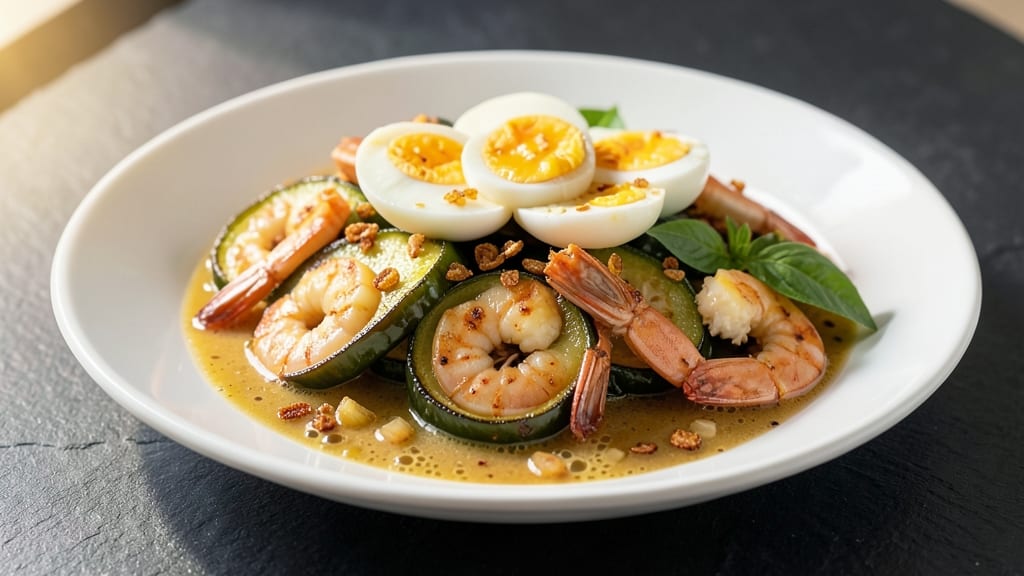
This ampalaya with egg and shrimp recipe transforms a humble Filipino vegetable into a luxurious breakfast dish where silky coconut curry meets fluffy scrambled eggs.
The secret lies in balancing ampalaya's natural bitterness with rich coconut milk and tender shrimp, creating a harmony of textures and flavors that's both comforting and sophisticated.
What makes this recipe truly special is the technique: ampalaya is sautéed until just tender—never mushy—while shrimp cook in minutes to maintain their delicate sweetness. Eggs are scrambled separately and folded in at the end, ensuring they stay light and fluffy rather than absorbing excess moisture.
The coconut milk base infuses every bite with a velvety richness that perfectly complements the dish's other components.
By the time you plate this dish, you'll have a golden-brown presentation with vibrant green ampalaya, pink shrimp, and soft scrambled eggs all nestled in a glossy coconut sauce.
The aroma alone will wake up your kitchen, while the first bite delivers a perfect balance of creamy, savory, and slightly bitter notes that make this breakfast feel like a restaurant-quality meal.
The beauty of this recipe is its versatility—serve it as a hearty breakfast, a light lunch, or even a comforting dinner. Pair it with steamed rice to soak up every last drop of that luxurious coconut sauce. Let's get cooking!
Ingredients for ampalaya with egg and shrimp
Coconut milk, shrimp, and bitter melon create a luxurious Filipino breakfast with restaurant-quality depth.
| Ingredient | Amount | Notes |
|---|---|---|
| Ampalaya (Bitter Melon) 🍆 | 1 ½ lb | Fresh, whole pods, sliced thin |
| Large Shrimp (Peeled & Deveined) 🦐 | ½ lb | 16-20 count, tail-on preferred |
| Large Eggs 🥚 | 4 whole | Freshly beaten for scrambling |
| Coconut Milk (Full-Fat) 🥥 | 13 ½ oz | Canned, unsweetened preferred |
| Yellow Onion 🧅 | 1 whole | Medium, finely diced |
| Garlic Cloves 🧄 | 6 cloves | Fresh, minced |
| Fresh Ginger 🌿 | 1 inch | Peeled, grated |
| Fish Sauce 🍶 | 1 tbsp | Red Boat preferred |
| Sugar 🍚 | 1 tbsp | Granulated, white |
| Vegetable Oil 🫒 | 2 tbsp | High smoke point |
| Salt 🧂 | 1 tsp | Diamond Crystal preferred |
| Black Pepper 🌶️ | ½ tsp | Freshly ground |
| Green Onions 🧅 | 2 whole | Thinly sliced, for garnish |
| Fresh Thai Basil 🌿 | ¼ cup | Chopped, for garnish |
| Steamed Jasmine Rice 🍚 | 2 cups | Cooked, for serving |
Ampalaya's bitterness is the star here—look for firm, vibrant green pods with no soft spots. Asian grocery stores carry the best selection, often pre-cut for convenience. The shrimp should be fresh or previously frozen—never rubbery. For the coconut milk, full-fat canned versions like Aroy-D or Thai Kitchen provide the richest flavor. If you can't find Thai basil, regular basil or cilantro work in a pinch, though the aroma won't be identical. The fish sauce makes or breaks the dish—Red Boat brand is the gold standard for authentic flavor.
No fish sauce? Soy sauce plus a pinch of sugar mimics the umami, though it won't be identical. Substituting regular basil for Thai basil? Add a pinch of lemongrass powder to compensate for the missing citrusy notes. The shrimp can be swapped for scallops or firm white fish, but cooking time will differ. For the ampalaya, zucchini or eggplant can stand in, though the texture won't be the same. The ginger must be fresh—no powdered substitutes here. And for the coconut milk, light coconut milk works but lacks richness—worth splurging on full-fat for this dish.
Shrimp and ampalaya keep best in the fridge for 1-2 days once prepped. The coconut milk can be stored opened for up to 5 days in the fridge, though it separates—just shake before use. For meal prep, cook the sauce base ahead and refrigerate it separately from the eggs, combining just before serving to keep them fluffy. The rice reheats beautifully—microwave with a splash of water to restore moisture. This dish tastes even better the next day as flavors meld, so double the batch if you're craving leftovers.
Why You'll Love This Recipe
- One-Pan Magic: I swear by this recipe when I’m too tired to scrub a million dishes—just sauté the onions, toss in the shrimp and ampalaya, pour in the coconut milk, and crack those eggs right on top. The bitter melon softens into something silky while the shrimp cooks in its own juices, and the eggs poach perfectly without a fuss.
- Creamy-Bitter Balance: Honestly, the flavor combo here is chef’s kiss—the coconut milk smooths out the ampalaya’s bitterness while the shrimp adds a briny sweetness, and those runny yolks? They turn the whole thing into a rich, satisfying sauce. It’s the kind of dish that makes you forget how healthy it is.
- Lunch or Dinner Fix: Between us, this is my go-to for lazy Sundays or when unexpected guests drop by. Serve it over rice for a hearty meal, or let the eggs poach longer for a lighter lunch—it’s that adaptable. My roommate even eats it cold the next day (don’t judge me).
- Budget Meal That Feeds: Ampalaya’s cheap, shrimp’s affordable in bulk, and eggs? Always a pantry staple. I stretch this into three meals—two for dinner, one for lunch—and still have leftovers to freeze. Plus, the coconut milk makes it feel special without breaking the bank. Win-win.
Step-by-step instructions for ampalaya with egg and shrimp
This dish balances rich coconut curry with delicate scrambled eggs—here's how to execute both perfectly.
Prepare the Ampalaya and Aromatics
Slice the 1.5 lb Ampalaya (Bitter Melon) into ¼-inch thick rounds, removing any seedy portions. Rinse immediately in cold water to remove bitterness, then pat completely dry with paper towels. This step is crucial—wet ampalaya will steam instead of sear.
In a large skillet, heat 1 tablespoon of the vegetable oil over medium-high heat. Add the finely diced yellow onion and cook for 3 minutes until translucent. Add the minced garlic cloves and grated fresh ginger, stirring constantly for 30 seconds until fragrant. The aroma should fill your kitchen—this is when the flavors start developing. Push the aromatics to one side of the pan and add the remaining 1 tablespoon vegetable oil. Immediately add the sliced ampalaya in a single layer, cooking undisturbed for 2 minutes before stirring. The ampalaya will release liquid—let it evaporate completely before proceeding.
Build the Coconut Curry Base
Pour in the 13.5 oz Coconut Milk (Full-Fat), scraping up any browned bits from the pan. Add the 1 tablespoon fish sauce and 1 tablespoon sugar, then bring to a gentle simmer. Reduce heat to medium-low and let the mixture cook uncovered for 10 minutes, stirring occasionally. The sauce should thicken slightly and develop a rich, nutty aroma. Taste and adjust seasoning with ½ teaspoon of the salt—the coconut milk should be seasoned but not salty.
While the sauce simmers, add the 0.5 lb Large Shrimp (Peeled & Deveined) to the pan. Cook for 2-3 minutes until they turn pink and opaque, then remove them with a slotted spoon and set aside. The shrimp will finish cooking when combined with the eggs later. This two-stage cooking prevents overcooking the delicate shrimp while developing deep flavor in the sauce.
Scramble the Eggs Separately
In a separate nonstick skillet, heat 1 teaspoon vegetable oil over low heat. Crack the 4 whole Large Eggs directly into the pan and let them sit undisturbed for 10 seconds. Using a silicone spatula, gently push the eggs from one side of the pan to the other in small sections, creating soft curds. Continue this motion for 2-3 minutes until the eggs are just set but still slightly runny—they'll finish cooking when combined with the ampalaya.
Remove the eggs from heat and immediately transfer them to a warm plate. The residual heat will finish setting them while keeping them tender. Here's the thing—overcooking scrambled eggs makes them rubbery, so timing is everything. The eggs should be creamy with no trace of liquid centers.
Combine and Finish the Dish
Return the shrimp to the ampalaya and coconut milk sauce, stirring gently to combine. Add the scrambled eggs and toss everything together, letting the eggs absorb the rich coconut curry flavors for 1 minute. The dish should now have a perfect balance of textures—tender ampalaya, fluffy eggs, and succulent shrimp.
Taste and adjust seasoning with the remaining ½ teaspoon salt and 0.5 teaspoon black pepper if needed. The dish should be harmonious, with the bitterness of the ampalaya balanced by the creaminess of the coconut and the umami from the shrimp and fish sauce. Divide the 2 cups Steamed Jasmine Rice among serving plates and top each portion with the ampalaya mixture.
Garnish and Serve Immediately
Finish each serving with thinly sliced green onions and chopped fresh Thai basil. The basil adds a bright, herbal note that cuts through the richness of the coconut milk. Serve while hot, as the flavors meld best when everything is piping fresh. The contrast between the silky coconut curry, fluffy eggs, and slightly bitter ampalaya creates a truly memorable dish—one where every component plays its part perfectly.
Pro Tips For Making Ampalaya With Egg And Shrimp
- Blister the Ampalaya First: DESCRIPTION: I learned this the hard way—skipping the charring step means the bitter melon stays raw-tasting and watery. Sear the slices in a dry pan over medium-high heat for 1-2 minutes per side until blackened spots appear. This softens the flesh and cuts the bitterness without turning the dish into soup.
- Salt the Shrimp Twice: DESCRIPTION: Toss the peeled shrimp with a pinch of salt before cooking, then again after they’re done. The first salt draws out moisture (so they don’t steam in the coconut milk), and the second ensures they’re properly seasoned. Don’t skip it—your future self will notice the difference.
- Simmer, Don’t Boil: DESCRIPTION: Once the coconut milk hits the pot, keep the heat at a gentle simmer—not a rolling boil. I used to rush this, and the eggs would turn rubbery while the shrimp stayed undercooked. A steady simmer (small bubbles, occasional swirls) keeps everything tender and creamy.
- Crack Eggs Directly In: DESCRIPTION: Skip the bowl—crack the eggs straight into the simmering coconut milk mixture. The gentle heat will cook them evenly without scrambling, and you avoid the mess of transferring raw eggs. Sounds weird, but it works: the eggs poach perfectly in the sauce.
Essential equipment for great ampalaya with egg and shrimp
Skillet Essentials
Start with a 12-inch nonstick skillet—I use Made In for its even heat distribution and easy cleanup. The nonstick surface prevents the ampalaya from sticking while you develop those beautiful caramelized edges.
For the eggs, a separate 8-inch skillet ensures they stay fluffy and don’t absorb excess moisture from the coconut sauce. 🍳
Heat Control Tools
A kitchen thermometer is your best friend here. I keep one handy to monitor the pan temperature—aim for medium-high (375°F) when sautéing the ampalaya and medium-low (300°F) for the coconut milk reduction.
The ThermoWorks Dot is my go-to because it’s precise and wireless. Adjust heat quickly to prevent burning the shrimp or overcooking the eggs.
Knife and Cutting
Invest in a sharp chef’s knife (I love Wüsthof’s 8-inch) and a mandoline for even ampalaya slices. The mandoline ensures ¼-inch thick rounds every time, which cooks uniformly.
For the shrimp, a small boning knife helps remove the veins cleanly. A cutting board with a juice groove (like John Boos) keeps your workspace tidy while prepping.
Measuring Precision
Use a digital scale for the ampalaya and shrimp—1.5 lbs and 0.5 lbs, respectively—to ensure consistency. For liquids, a liquid measuring cup with spouts makes pouring the 13.5 oz coconut milk effortless.
A microplane for the ginger and garlic maximizes flavor extraction without overpowering the dish. Precision here balances the bitterness and richness perfectly. ✨
Garnish Tools
Thinly slice green onions with a Japanese pull knife for clean, paper-thin strips. For Thai basil, a pair of kitchen shears chops it quickly without bruising. A small bowl keeps garnishes organized while plating. These finishing touches elevate the dish from homemade to restaurant-quality in seconds.
Optional Upgrades
For a pro touch, a blender lets you strain the coconut milk for a smoother sauce if you prefer. A steamer basket ensures perfect jasmine rice every time—2 cups cooked pairs beautifully with this dish.
And if you’re feeling fancy, a silicon spatula set helps fold the eggs without breaking them. These extras aren’t mandatory, but they make the process smoother. 💡
Nutrition facts
Frequently asked questions
Why does the recipe call for rinsing ampalaya after slicing?
Rinsing removes the natural bitterness that develops when the vegetable is cut. Ampalaya contains cucurbitacins, which create that sharp taste—pat drying afterward ensures it sears properly rather than steaming. This step is especially important if your ampalaya is particularly bitter.
Can I substitute shrimp with another protein?
Yes! Try scallops (cook for 2-3 minutes until opaque) or firm white fish like cod (cut into chunks, cook 3-4 minutes). For texture contrast, tofu works too—press and pan-fry until golden before adding to the sauce. The key is keeping proteins tender to balance the ampalaya's texture.
How do I fix overcooked shrimp in the dish?
If shrimp turn rubbery, remove them immediately and set aside. For the dish, blend 2 tbsp coconut milk with 1 tsp fish sauce and ½ tsp sugar, then stir into the sauce. The extra coconut will help mask the toughness while maintaining balance. Serve shrimp on the side if the texture is still off.
Can I make this dish ahead of time?
Cook the ampalaya-coconut sauce and shrimp separately, then refrigerate in airtight containers for up to 2 days. Reheat gently on low heat, then scramble fresh eggs and combine everything just before serving. The sauce actually tastes better the next day as flavors meld—just add a splash of water if it thickens too much.
What if I don't have Thai basil for garnish?
No problem! Use regular basil, cilantro, or even green onions alone. For extra brightness, add a pinch of lemon zest or lime juice when plating. The key is balancing the dish's richness—herbs or citrus will cut through the coconut milk beautifully.