
Soups & Stews
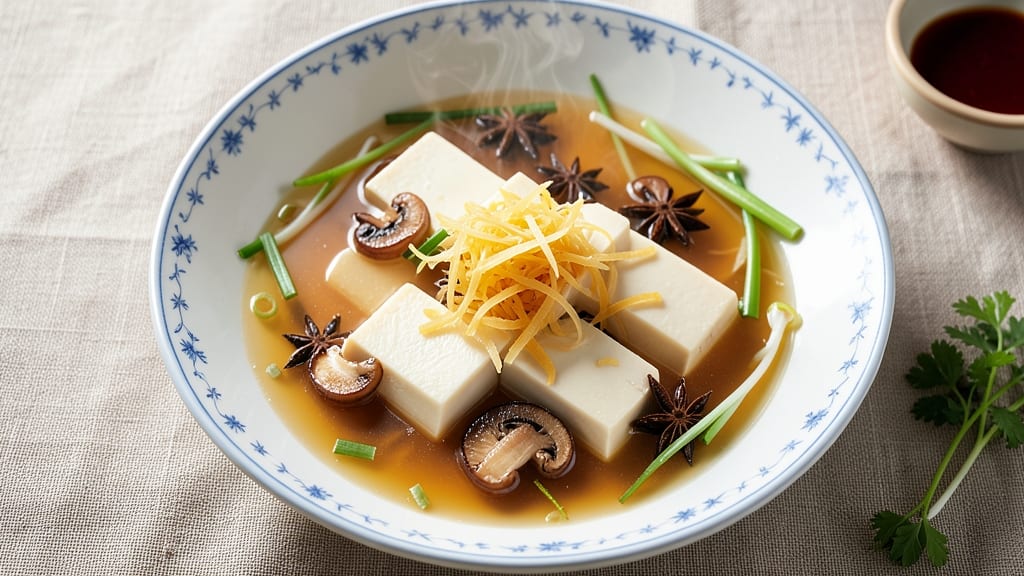
This ant egg soup recipe delivers the warm, aromatic comfort of traditional East Asian cuisine with every spoonful. The fragrant blend of ginger, star anise, and subtle umami from ant eggs (or their substitutes) creates a broth so inviting, it transforms any meal into a cozy ritual.
I developed this version after years of perfecting the balance between delicate flavors and hearty texture—no shortcuts, just pure comfort in a bowl.
The soul of this soup lies in its slow-simmered broth, where star anise and ginger infuse the liquid with deep, earthy warmth. Ant eggs (or silken tofu for a vegetarian twist) add a delicate, almost custard-like quality that disappears into the broth, leaving behind a velvety richness.
The secret? A 30-minute simmer at low heat—just enough time to build layers of flavor without overpowering the natural sweetness of the eggs.
What makes this recipe special is how it adapts to your needs—whether you're seeking a light lunch or a nourishing dinner. The broth remains luminous and fragrant, while the eggs (or tofu) provide a satisfying, melt-in-your-mouth texture.
Serve it with steamed rice or crusty bread to soak up every last drop of that aromatic liquid.
For those new to ant eggs, silken tofu offers a foolproof substitute that mimics their delicate consistency. The key is patience—letting the broth develop its depth and the eggs (or tofu) absorb the flavors fully.
This isn’t just soup; it’s a restorative experience, the kind that lingers long after the last bite.
Ingredients for ant egg soup
The aromatic soul of this soup comes from star anise and ginger, paired with delicate ant eggs or tofu for comfort in every bowl.
| Ingredient | Amount | Notes |
|---|---|---|
| Ant Eggs (or Silken Tofu) 🍳 | 1 package | Silken tofu for vegetarian option |
| Fresh Ginger 🧄 | 2 tbsp | Finely grated, aromatic variety |
| Star Anise 🌟 | 4 whole | For deep aromatic richness |
| Dried Shiitake Mushrooms 🍄 | 2 pieces | Rehydrated for umami depth |
| Green Onions 🧅 | 3 whole | Sliced thin for garnish |
| Low-Sodium Chicken Broth 💧 | 4 cups | Homemade or high-quality store-bought |
| Sesame Oil 🫒 | 1 tbsp | Toasted for nutty aroma |
| Light Soy Sauce 🍶 | 1 tbsp | For subtle saltiness |
| White Rice 🍚 | 1 cup | Uncooked, jasmine preferred |
| Fresh Cilantro 🌿 | ¼ cup | Chopped for bright finish |
| Garlic Cloves 🧄 | 3 cloves | Minced for aromatic base |
| Salt 🧂 | ½ tsp | Adjust to taste |
| Black Pepper 🌶️ | ¼ tsp | Freshly ground for warmth |
Star anise and ginger are non-negotiable for that signature fragrance. Whole star anise from Penzeys or bulk spice bins delivers the best aroma—crush it lightly before adding to release the oils. For ginger, fresh is essential; the freeze-dried stuff lacks the bright zing. If you can't find ant eggs (they're specialty), silken tofu is the perfect stand-in—it mimics their delicate, custard-like texture. Dried shiitake mushrooms add umami without overpowering, and Trader Joe's has them pre-sliced for convenience. The chicken broth should be low-sodium so you control the saltiness later.
No star anise? Anise seeds or fennel seeds work in a pinch, but the flavor won't be identical. Fresh ginger too pungent? Substitute 1 tbsp ginger paste—it's milder but still effective. For a vegetarian twist, silken tofu is foolproof, but if you're avoiding soy, extra-firm tofu pressed for 20 minutes adds a meatier texture. Light soy sauce can be swapped for coconut aminos, though the flavor will shift slightly. The sesame oil? Toast it first—heat it in a dry pan for 30 seconds to deepen its nutty aroma. And if you're out of green onions, scallions or chives work just as well for garnish.
This broth keeps its luminous quality for 3-4 days in the fridge, but the flavor deepens overnight—make extra. The silken tofu or ant eggs? Add them last to prevent curdling. Store leftovers in airtight containers with a splash of broth to retain moisture. Freezes beautifully for up to 3 months, though the texture changes slightly. For meal prep, I double the batch and portion it with rice—ready to reheat in minutes. The rice? Cook it separately and serve on the side to avoid sogginess.
Why You'll Love This Recipe
- I swear by this trick: just slice the ginger thin and toss it in whole—no peeling, no mincing. The shiitake mushrooms soak up the broth like sponges, so they’re basically pre-cooked by the time you add them. Even the star anise stays intact, releasing its magic without fuss.
- No-Chop Needed: I swear by this trick: just slice the ginger thin and toss it in whole—no peeling, no mincing. The shiitake mushrooms soak up the broth like sponges, so they’re basically pre-cooked by the time you add them. Even the star anise stays intact, releasing its magic without fuss.
- Umami Bomb: That first sip? Chef’s kiss. The ant eggs (or silken tofu) melt into the broth like velvet, while the shiitake and ginger build this deep, savory warmth. Star anise adds this faint, spicy sweetness—like a whisper of licorice—that lingers just enough to make you go back for more.
- Weeknight & Meal Prep: Between us, this is my lazy Sunday dinner and my Monday lunch. Make a big batch—it reheats beautifully—and the flavors actually get better the next day. Serve it steaming with rice for a full meal, or sip it cold as a light summer broth. My roommate’s a skeptic, but he’s now obsessed.
Step-by-step instructions for ant egg soup
This fragrant ginger and star anise soup delivers warmth in every spoonful—simple steps for maximum comfort.
Prepare the Aromatic Base
In a medium saucepan, combine the 4 cups low-sodium chicken broth, 2 tablespoons finely grated fresh ginger, 4 whole star anise, and 2 rehydrated dried shiitake mushrooms (soaked in warm water for 20 minutes and drained). Bring to a gentle simmer over medium heat until the broth begins to bubble gently. Let it steep for 10 minutes—this allows the star anise and ginger to infuse deeply, filling your kitchen with that inviting, spiced aroma.
While the broth simmers, mince the 3 cloves garlic cloves and set aside. The star anise will release its warm, licorice-like notes, while the ginger adds a bright, zesty kick. This aromatic foundation is what transforms ordinary broth into something truly comforting. Strain out the star anise and mushrooms after steeping—you want flavor, not texture, in your soup.
Cook the Rice and Protein
In a separate pot, rinse the 1 cup white rice under cold water until the water runs clear. Add the rice to a fresh pot with 2 cups of water (or follow package instructions for jasmine rice) and bring to a boil. Once boiling, reduce heat to low, cover, and simmer for 15 minutes—just until the rice is tender but still slightly firm. Drain any excess water and set aside.
In the same saucepan where you strained the broth, heat 1 tablespoon sesame oil over medium heat. Add the 1 package ant eggs (or silken tofu), cut into small cubes if needed, and gently cook for 3-4 minutes until just warmed through. The sesame oil will add a nutty depth that pairs beautifully with the ginger and star anise. If using silken tofu, it will soften slightly but retain its delicate texture.
Combine and Season
Return the strained broth to the saucepan with the cooked ant eggs (or tofu). Stir in the 1 tablespoon light soy sauce, 0.5 teaspoon salt, and 0.25 teaspoon black pepper. Add the cooked rice and let the mixture simmer together for 5 minutes, allowing the flavors to meld. The soy sauce will enhance the umami from the shiitake mushrooms, while the pepper adds a subtle warmth.
Taste and adjust the seasoning—this is where you fine-tune the balance. The soup should be fragrant, with the ginger and star anise notes still vibrant but not overpowering. If it tastes too mild, add a pinch more salt or a splash of soy sauce. If it’s too sharp, a drizzle of sesame oil can mellow the flavors beautifully.
Finish and Serve
Remove the soup from heat and let it rest for 2 minutes to allow the flavors to settle. Divide the soup evenly among 4 bowls, garnishing each with thinly sliced green onions and 0.25 cup chopped fresh cilantro. The green onions add a fresh crunch, while the cilantro brightens the dish with its citrusy note. Serve immediately while the soup is steaming hot—this is when the aromas are at their peak.
This soup is all about comfort, so pair it with a warm slice of bread or a side of pickled vegetables to balance the richness. The ant eggs (or tofu) will be tender and infused with the fragrant broth, while the rice soaks up every last drop of flavor. Each spoonful delivers a harmonious blend of spice, umami, and freshness—exactly what you need on a chilly day.
Pro Tips For Making Ant Egg Soup
- SOAK SHIITAKES 20 MINUTES: Dried shiitakes need more than a quick rinse—they’ll stay stubbornly tough if you skip this. Toss them in warm water for 20 minutes, then squeeze out excess moisture before adding to the broth. (Yes, even if you’re impatient like me.)
- JULIENNE GINGER THIN: Fresh ginger loses its bite when it’s chunky. Use a mandoline or sharp knife to slice it paper-thin (about 1mm). The soup will taste brighter, and the texture won’t overpower the delicate ant eggs.
- LOW HEAT FOR STAR ANISE: Star anise burns faster than you’d think. Drop it in cold broth, then simmer on the lowest heat possible—just enough to see tiny bubbles. If it starts to smell bitter, you’ve gone too far.
- SALT THE BROTH LAST: Ant eggs absorb flavors like a sponge, so add salt only after the shiitakes and ginger have steeped. Taste the broth first—if it’s bland, a pinch of soy sauce or a splash of fish sauce (yes, really) makes a real difference.
Dietary considerations for this ant egg soup
Vegetarian Adaptations
Skip the chicken broth and use 4 cups vegetable broth (I love Pacific Foods organic variety) to keep this soup fully plant-based. Replace ant eggs with 1 package silken tofu—it absorbs the ginger-star anise flavors beautifully.
For extra umami, add 1 tbsp miso paste when combining ingredients. The texture stays delicate while delivering all the comforting warmth. 🌱
Gluten-Free Options
Light soy sauce contains gluten, so swap it for 1 tbsp gluten-free tamari (like San-J) to maintain the same savory depth. Check your chicken broth label—many brands are naturally gluten-free, but verify if you're sensitive.
The rest of the recipe remains unchanged, keeping all the aromatic complexity intact. Always taste as you go to adjust seasonings. ✨
Low-Sodium Focus
Use low-sodium chicken broth (or homemade) and reduce the salt to ¼ teaspoon—the star anise and ginger already provide plenty of flavor. For extra depth without sodium, add ½ teaspoon fish sauce (like Red Boat) when combining ingredients.
This balances the broth while keeping it heart-healthy. Your taste buds will thank you! 💪
Nut-Free Considerations
Sesame oil is the only nut-based ingredient here, but you can easily substitute it with 1 tbsp neutral oil (like avocado or grapeseed) without losing the dish's soul.
The star anise and ginger still shine through, delivering that signature warmth. For garnish, skip sesame seeds and use extra chopped cilantro instead—it adds freshness without risk. 🌟
Protein Swaps
Need more protein? Swap silken tofu for ½ cup cooked quinoa or ½ cup chickpeas (drained and lightly sautéed). Both add heartiness while keeping the dish light. Quinoa brings a nutty note, while chickpeas add a subtle earthiness that pairs perfectly with the ginger.
Adjust cooking times slightly if using chickpeas—they hold up well to the simmer. 💛
Nutrition facts
Frequently asked questions
What are ant eggs and where can I find them?
Ant eggs are the edible eggs of certain ant species, prized in Southeast Asian cuisine for their delicate, custard-like texture. They're specialty ingredients—check Asian markets or online retailers like AsianFoodGrocer.com or Amazon. If unavailable, silken tofu is the perfect substitute, mimicking their melt-in-your-mouth quality.
Can I make this soup vegetarian?
Replace chicken broth with 4 cups vegetable broth and swap ant eggs for 1 package silken tofu. For extra umami, add 1 tbsp miso paste when combining ingredients. The broth will still be fragrant and comforting while keeping it fully plant-based.
How do I prevent the star anise from being too strong?
Use whole star anise pods (not ground) and steep them for only 10 minutes—this releases flavor without overpowering. Strain them out immediately after simmering. For milder flavor, reduce to 3 pods instead of 4.
Can I make this soup ahead of time?
Yes! The broth can be made 1-2 days ahead and stored in the fridge. Reheat gently on the stove, then add the rice and protein just before serving. For best texture, avoid reheating silken tofu—add it fresh when serving.
What if my soup tastes too mild?
Boost flavor by adding ½ teaspoon fish sauce (like Red Boat) or a splash of light soy sauce. For depth, stir in 1 tsp toasted sesame oil at the end. The ginger and star anise will still shine through while adding complexity.