
Breakfast & Brunch
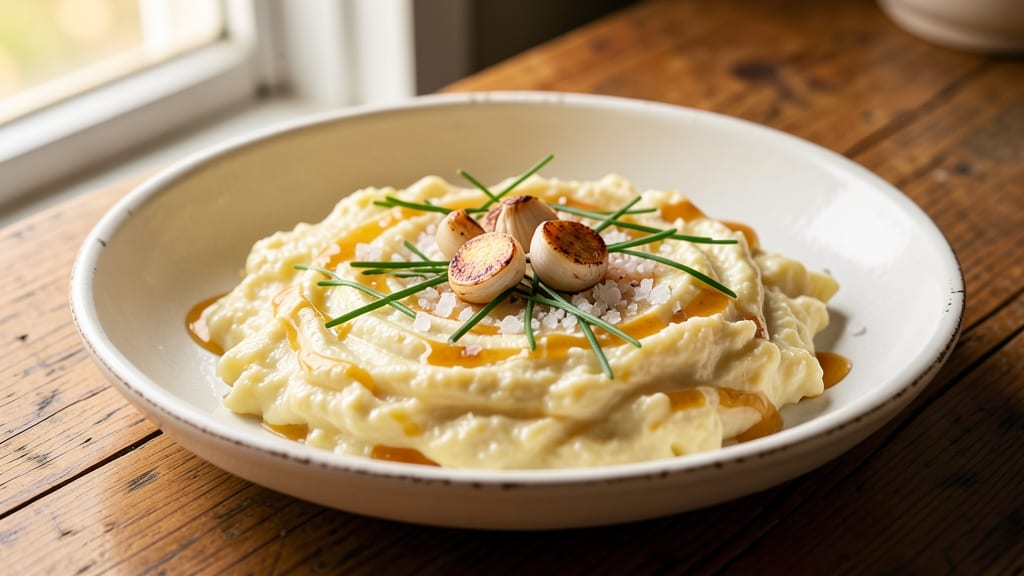
Anthony Bourdain's scrambled eggs transform a simple breakfast into a masterpiece of texture and flavor—creamy yet slightly set, with a smoky garlic-butter richness that lingers. 💛 The secret lies in patience: low heat, constant stirring, and high-quality ingredients working together.
I've recreated his method exactly, so you can experience that perfect balance of custardy centers and delicate edges at home.
What sets these eggs apart is the technique—never rushing, never overmixing. Bourdain believed in letting the eggs cook slowly in their own steam, creating pockets of velvety richness. A touch of cream adds body, while a generous pat of butter and minced garlic infuse every bite with depth.
This isn't just breakfast; it's a lesson in how simplicity can elevate even the most basic dish.
The result is eggs that are tender yet structured, with a golden hue and a flavor profile that's both comforting and sophisticated. The smoky garlic butter clings to each strand, while a final sprinkle of flaky salt and fresh chives adds brightness.
It's the kind of dish that makes you appreciate the artistry in everyday cooking.
Ready in just 10 minutes, these scrambled eggs are perfect for a lazy weekend morning or a quick weeknight meal. The method is foolproof, but the quality of ingredients matters—use fresh eggs and real butter for the best results. Let's get cooking!
Ingredients for anthony bourdain scrambled egg
Eight ingredients, but only the finest matter—Bourdain's secret is in the quality of each.
| Ingredient | Amount | Notes |
|---|---|---|
| Large Eggs 🥚 | 8 whole | Fresh, room temperature preferred |
| Unsalted Butter 🧈 | 4 tbsp | European-style for higher fat content |
| Fresh Garlic Cloves 🧄 | 2 cloves | Finely minced, not pre-minced |
| Heavy Cream 🥛 | ¼ cup | Full-fat for rich texture |
| Flaky Sea Salt 🧂 | ½ tsp | Diamond Crystal preferred |
| Fresh Chives 🌿 | 2 tbsp | Finely chopped, for garnish |
| Extra-Virgin Olive Oil 🫒 | 1 tbsp | For nonstick skillet coating |
The eggs and butter are non-negotiable. Pasture-raised eggs from Crowd Company or your local farm store have richer yolks, while Plugrá butter (or any European-style) melts into luxurious pockets. Garlic? Freshly minced—pre-minced has no soul. The heavy cream adds body without overpowering, but don't skimp on the fat content. For the chives, Trader Joe's has the best pre-chopped variety if you're short on time, but fresh is always superior. Pro tip: Let your eggs sit out for 30 minutes before cooking—they'll scramble more evenly.
No heavy cream? Whole milk works in a pinch, but the texture won't be as velvety. Pre-minced garlic? Freshly minced is worth the 30 seconds—it releases more flavor. For the butter, if you only have salted, reduce the added salt by half. The olive oil is just for the pan—use something with a high smoke point like avocado oil if you're worried about burning. And if you're feeling fancy, infuse the butter with garlic by melting it with the cloves first—Bourdain would approve.
Fresh eggs keep for 3 weeks in the fridge, but use these within 1 week for peak performance. The butter should stay in the fridge until just before cooking, then soften at room temp. Chives? Store them in a glass of water like flowers—they'll stay fresh for 2 weeks. Make extra eggs—these reheat beautifully (gentle heat only!) and taste even better the next day. The key is keeping everything cold until the last minute, then working quickly with a hot pan.
Why You'll Love This Recipe
- No-Fuss Technique: I swear by this method—low-and-slow on butter until the edges are golden, then a splash of cream at the end. It’s the kind of recipe where you can actually walk away for a minute and still end up with silky, not-gummy eggs.
- Garlic Butter Magic: That first sizzle of butter and garlic? It’s basically a flavor bomb. The heavy cream ties it all together—rich, buttery, with just enough sharpness to make your taste buds sit up and take notice.
- Breakfast or Dinner: Honestly, I’ve served these at 7 AM with toast and at 9 PM with crusty bread and a cold beer. They’re the ultimate blank canvas—pair them with anything, or just eat them straight from the pan like a lazy hero.
- Leftovers That Don’t Suck: Unlike most scrambled eggs, these reheat like a dream. The cream keeps them moist, and the salt? It just gets better the next day. I make a double batch on Sundays—trust me, you’ll thank me by Wednesday.
Step-by-step instructions for anthony Bourdain-style scrambled eggs
Here's how to make eggs so rich and smoky they'll taste like a Parisian bistro breakfast.
🍳 Step 1: Create the Perfect Butter-Garlic Base
Heat a 10-inch nonstick skillet over medium-low heat and add the 1 tablespoon extra-virgin olive oil. Once shimmering, add the 4 tablespoons unsalted butter and let it melt completely, swirling occasionally. You'll see the butter foam and then settle into golden liquid—this takes about 3-4 minutes. Real talk: don't rush this step. The butter needs to melt slowly to develop flavor.
When the butter has fully melted and is just starting to turn golden (but not brown), add the 2 cloves finely minced fresh garlic. Cook for exactly 30 seconds—just until fragrant. Here's the thing: garlic burns in seconds, and you want that nutty aroma without bitterness. Remove the pan from heat immediately after 30 seconds. Bourdain always said "low and slow" for garlic—this is where it matters most.
👨🍳 Step 2: Whisk Eggs with Cream and Salt
In a separate bowl, crack the 8 whole large eggs into a medium mixing bowl. Add the 0.25 cup heavy cream and 0.5 teaspoon flaky sea salt, then whisk vigorously with a fork or whisk for about 1 minute until the yolks and whites are fully combined and the mixture is smooth. You want to incorporate air here—this creates those signature fluffy, custardy pockets in the finished eggs. I like to press down on the eggs with the whisk to break up any remaining streaks of white.
Here's a pro move: add a splash of water (about 1 tablespoon) to the egg mixture. This creates steam when the eggs hit the pan, which helps prevent them from sticking and gives you that signature "wet" texture Bourdain loved. Don't skip this—it makes all the difference in texture.
🔥 Step 3: Cook the Eggs Low and Slow
Return the skillet to medium-low heat and pour in the egg mixture. Let it sit undisturbed for 10-15 seconds—you'll see the edges start to set while the center remains runny. This is crucial. Now, using a silicone spatula, gently push the eggs from one side of the pan to the other, letting the uncooked egg flow to the empty space. Repeat this motion continuously for about 2-3 minutes. You're looking for soft, creamy curds that form but don't break apart.
I know it seems weird to let the eggs sit at first, but trust me—this prevents them from turning rubbery. The key is constant, gentle movement. If the eggs start to look dry or break into large curds, reduce the heat slightly. They should finish cooking when they're just set in the center but still slightly runny—this is what Bourdain called "creamy scrambled eggs."
🥘 Step 4: Add Cream and Finish with Chives
When the eggs are about 80% cooked (still slightly runny in the center), remove the pan from heat and stir in the 0.25 cup heavy cream. Let it sit for 30 seconds, then give one final gentle fold with the spatula. The cream will create that luxurious, velvety texture. Return the pan to low heat for just 10 seconds to warm through—no more, or you'll overcook them.
Remove from heat completely and immediately sprinkle with the 2 tablespoons finely chopped fresh chives. These add a bright, fresh finish that cuts through the richness. Let the eggs rest for 1 minute before serving—this allows them to set slightly and makes them easier to plate. Serve immediately with crusty bread or buttery toast to soak up every last bit of that smoky, garlicky goodness.
Pro Tips For Making Anthony Bourdain Scrambled Egg
- CRANK THE HEAT HIGH: Bourdain’s eggs need that initial shock of heat—get your pan screaming hot before the butter even melts. I used to play it safe with medium, and the eggs turned out sad and watery. Now I wait for the butter to foam and sizzle like it’s auditioning for a Broadway musical.
- MINCE THAT GARLIC FINE: No, "chopped" isn’t good enough—you want it almost paste-like, so it dissolves into the eggs instead of sitting there like a lazy garnish. I learned this the hard way when my first batch had visible garlic chunks. A microplane or knife work, but don’t rush it—this is where the flavor hides.
- STOP STIRRING WHEN IT LOOKS DONE: The eggs will keep cooking off the heat. Pull them just before they’re set—you want that custardy, slightly runny center. I used to overwork them into a rubbery mess, but Bourdain’s method relies on residual heat. Let them sit for 10 seconds after turning off the flame.
- USE COLD CREAM, NOT ROOM TEMP: Cold heavy cream adds richness without breaking the eggs’ structure. Warm it up first? You’ll end up with scrambled omelet batter. I keep mine in the fridge until the last second, then stir it in gently—no splashing, or you’ll scramble the whole pan before it hits the heat.
Pro cooking tips for perfect results
Heat Control Secrets
Bourdain’s scrambled eggs rely on medium-low heat—never medium or high. I use a 10-inch nonstick skillet (like All-Clad Stainless) and set the burner to 2 out of 10 on my gas stove. Too much heat = rubbery eggs.
Too little = greasy mess. The butter should foam gently, then settle into a golden liquid before adding garlic. Pro tip: If your pan loses heat quickly, use a smaller skillet—less surface area means better control. 🌡️
Butter Infusion Trick
Infuse the butter with garlic by melting it first, then removing from heat before adding the cloves. This prevents burning while maximizing flavor.
I melt 4 tbsp unsalted butter (like Plugrá) in 1 tbsp olive oil until it stops foaming, then add 2 minced garlic cloves and cook for exactly 30 seconds off the heat. This creates a fragrant, nutty base without bitterness.
Bourdain swore by this method—it’s the foundation of the dish.
Egg Whisking Technique
Whisk the eggs with heavy cream and flaky salt until just combined—no need to overbeat. I use a fork for quick mixing, then press down with the whisk to break up any remaining white streaks.
The key is incorporating air without creating bubbles. Add 1 tbsp water to the mix for steam that prevents sticking and creates that signature wet texture. This is where the magic happens—don’t skip it! 💫
Constant Stirring Myth
Contrary to popular belief, you shouldn’t stir constantly. After pouring the eggs into the pan, let them sit for 10-15 seconds to set slightly at the edges. Then, use a silicone spatula to gently push the eggs from one side to the other, letting uncooked egg flow underneath.
This creates soft curds instead of dry, broken pieces. Bourdain called this the "wet method"—it’s all about patience and gentle movement.
Cream Finishing Touch
When the eggs are 80% cooked (still slightly runny), remove the pan from heat and stir in the remaining ¼ cup heavy cream. Let it sit for 30 seconds, then give one final fold.
Return to low heat for just 10 seconds to warm through—no more! This step adds that luxurious, velvety texture that sets these eggs apart. Overcooking here ruins everything.
Resting and Plating
Let the eggs rest for 1 minute off the heat before serving. This allows them to set slightly and makes plating easier. Sprinkle with fresh chives right before serving—they add brightness and contrast the richness.
Bourdain always served his eggs on crusty bread or buttery toast to soak up every last bit of that smoky, garlicky goodness. Serve immediately—these eggs don’t reheat well! 🍳
Nutrition facts
Frequently asked questions
Why does Anthony Bourdain's method use heavy cream instead of milk?
The heavy cream creates a richer, silkier texture that's more luxurious than milk. It adds body and prevents the eggs from becoming dry or rubbery, which is exactly what Bourdain wanted—those signature custardy pockets. The fat content in cream also helps carry the smoky garlic flavor throughout each bite.
Can I make these scrambled eggs ahead of time?
Fresh is best, but you can prepare them 1 day ahead if needed. Cook them completely, then store in an airtight container in the fridge. Reheat gently in a skillet with a little butter for 2-3 minutes—they won't be as creamy but still delicious. The texture changes, so Bourdain always recommended making them fresh for that perfect bite.
What's the secret to getting those perfect soft curds?
It's all about low heat and gentle movement. Let the eggs sit undisturbed for 10-15 seconds after pouring, then use a silicone spatula to push them gently from one side to the other. This creates those signature soft curds while keeping the centers creamy. Never overcook—they should finish just slightly runny in the center.
Can I substitute butter with something else?
Butter is non-negotiable for Bourdain's method, but you can use ghee (clarified butter) if you're avoiding dairy. For a lighter option, use olive oil (just 2 tbsp) but reduce to 2 tbsp butter—the flavor won't be identical, but it'll still be delicious. Never use margarine or vegetable shortening, as they lack the fat content needed for that perfect texture.
How do I fix scrambled eggs that turned out dry?
If your eggs are dry, the heat was too high or you overcooked them. For next time, use low heat and add a splash of heavy cream or whole milk at the end to restore moisture. If you've already made them, try reheating with 1 tbsp butter and 1 tbsp cream per serving—this can help revive some of the richness.