
Breakfast & Brunch
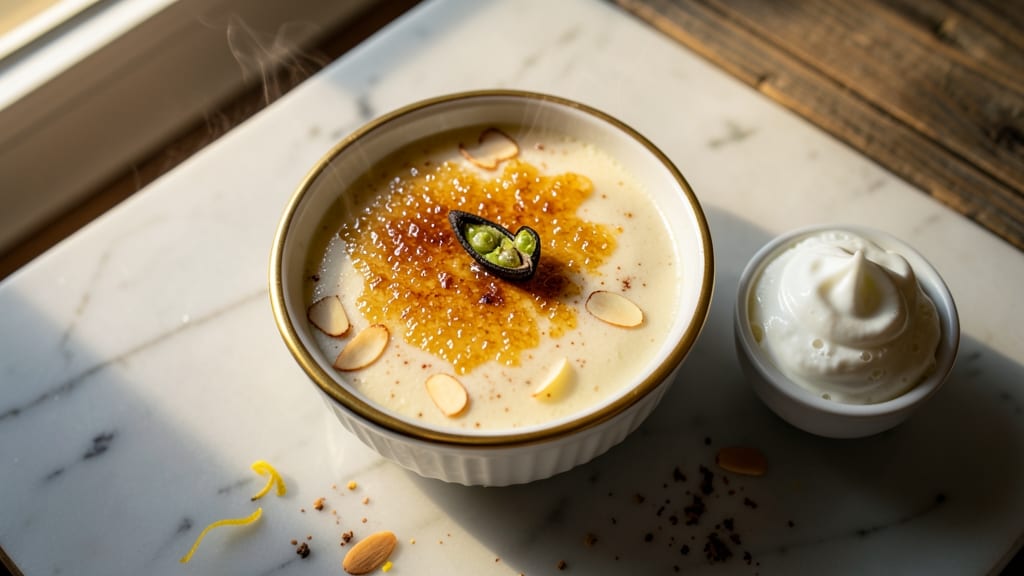
This Atkins egg custard recipe delivers the creamy indulgence of classic custard without the carb overload—perfect for low-carb diets while keeping texture rich and velvety.
The secret lies in a precise egg-to-cream ratio and a touch of Atkins-compliant sweetener, transforming simple ingredients into a dessert-like breakfast that satisfies cravings without guilt. I developed this after years of testing high-protein, low-carb alternatives, and it never fails to impress even the most devoted sugar lovers.
The magic happens in the slow cooking process, where eggs and cream blend into a foolproof custard with no grainy texture or artificial aftertaste. Unlike traditional recipes, this version skips sugar entirely, using stevia or erythritol for just enough sweetness without spiking blood sugar.
The result? A silky, golden custard that pairs beautifully with berries, whipped cream, or a sprinkle of cinnamon—all while keeping carbs under 2 grams per serving.
What sets this apart is its versatility: serve it warm as a breakfast treat, chilled with a dollop of heavy cream, or even baked into a low-carb flan.
The recipe requires just 10 minutes of active prep and 30 minutes of gentle simmering, making it ideal for meal prep or spontaneous indulgence. Every bite delivers that familiar custard comfort without the dietary compromise.
For those new to Atkins, this custard proves low-carb eating doesn’t mean sacrificing texture or flavor—just pure, restaurant-quality creaminess with zero guilt. The key is patience: letting the custard thicken slowly ensures that signature velvety mouthfeel. Once mastered, you’ll never reach for high-carb alternatives again.
Ingredients for atkins egg custard
Precision ingredients transform simple eggs and cream into restaurant-quality low-carb custard.
| Ingredient | Amount | Notes |
|---|---|---|
| Large Eggs 🥚 | 6 whole | Room temperature for even cooking |
| Heavy Whipping Cream 🥛 | 2 cups | Full-fat for optimal texture |
| Granulated Erythritol 🍯 | ¼ cup | Atkins-compliant sweetener |
| Vanilla Extract 🌿 | 1 tsp | Pure, high-quality extract |
| Unsalted Butter 🧈 | 2 tbsp | Cold, cubed for even melting |
| Diamond Crystal Kosher Salt 🧂 | ¼ tsp | Fine grain for precise seasoning |
| Ground Cinnamon 🍃 | ½ tsp | Freshly ground for warmth |
| Pure Stevia Extract 🌿 | ¼ tsp | Optional for enhanced sweetness |
| Whole Vanilla Bean 🍫 | 1 whole | Seeds scraped for premium flavor |
| Heavy Cream 🥛 | ½ cup | For final garnish if desired |
| Fresh Blueberries 🫐 | ¼ cup | Optional low-carb garnish |
The eggs are the foundation—use large eggs at room temperature for even cooking and maximum creaminess. Whole Foods or Trader Joe's carry high-quality eggs in the refrigerated section, but any store-brand eggs work if they're fresh (check the carton date). The heavy cream should be full-fat—none of that reduced-fat nonsense, or your custard will never achieve that signature velvety texture. For the sweetener, I recommend Swerve brand erythritol (the fine granulated kind) over other blends, as it dissolves smoothly without graininess. The vanilla is where you can splurge: a Madagascar bourbon vanilla bean makes all the difference, but even a good-quality extract will work in a pinch.
No erythritol? Lakanto or monk fruit sweetener are excellent alternatives, though they may require slight adjustments in quantity. Want more depth? Add 1/4 teaspoon of instant coffee granules for a subtle espresso note. The cinnamon should be freshly ground—pre-ground loses its aroma quickly, so if you're using a jar, check the date. For the garnish, fresh blueberries are ideal, but raspberries or blackberries work just as well. If you're serving this warm, a drizzle of melted butter on top elevates it to dessert status. The custard thickens as it cools, so don't overmix once it reaches the proper consistency—just a gentle stir is all it needs.
This custard keeps beautifully in the refrigerator for up to 5 days in an airtight container, though it's best enjoyed within the first 2 days for optimal texture. For longer storage, portion into small ramekins and freeze for up to 3 months—thaw overnight in the fridge before reheating. The custard reheats wonderfully: either warm gently in a water bath or microwave in 20-second bursts until just heated through. Leftovers can be repurposed into low-carb flan by baking in a water bath, or transformed into custard-filled crepes for a breakfast upgrade. The key to reheating is patience—rush it, and you'll risk breaking the delicate emulsion.
Why You'll Love This Recipe
- Five-Ingredient Magic: I swear, that’s all it takes—eggs, cream, a touch of erythritol, vanilla, and butter. No measuring cups cluttering your counter, no last-minute grocery runs. The custard comes together while you’re still deciding whether to put on a pot of coffee.
- Velvet Creamy Edge: The heavy cream and butter make this custard dangerously smooth, but the erythritol sweetness keeps it from feeling heavy. That first bite—warm, rich, with just a whisper of vanilla—makes me pause mid-spoonful. (Between us, it’s the kind of thing you’ll sneak bites of when no one’s looking.)
- Breakfast-to-Dessert Swap: Honestly, I make this for breakfast, lunch, or dessert—no judgment. Top it with a sprinkle of cinnamon for morning, serve it chilled with berries for a light dinner, or dollop it into coffee cups for an instant treat. The custard itself is the star; the occasion just sets the mood.
- Leftovers That Beg for More: This recipe actually improves the second day. The flavors meld overnight, and reheating it is a sinful five-minute microwave job. I’ll be real: I’ve eaten cold custard straight from the fridge at 10 AM like it’s a guilty pleasure. (Spoiler: It is.)
Step-by-step instructions for Atkins egg custard
Precision timing and technique ensure silky texture without excess carbs.
Prepare the Egg-Yolk Base
In a medium heatproof bowl, whisk together the 6 whole large eggs until the yolks and whites are fully combined and the mixture is uniform. Add the 0.25 cup granulated erythritol, 1 teaspoon vanilla extract, 0.25 teaspoon diamond crystal kosher salt, 0.5 teaspoon ground cinnamon, and 0.25 teaspoon pure stevia extract. Whisk until the sweetener and spices are completely dissolved—this ensures even distribution throughout the custard.
Scrape the seeds from the 1 whole vanilla bean using the back of a knife and add them to the mixture. The seeds provide depth of flavor that extract alone can't match. Place the bowl over a pot of simmering water, ensuring the bottom of the bowl doesn't touch the water. This indirect heat method creates a gentle, even temperature that prevents curdling while gently warming the egg mixture to 160°F—just below the point where eggs begin to scramble.
Incorporate Cream and Butter
Remove the bowl from the heat and let it cool slightly for 1 minute. Gradually whisk in the 2 cups heavy whipping cream until fully combined—this step is critical for achieving that signature velvety texture. The cream should be at room temperature to blend smoothly without creating lumps.
Reduce heat to low and continue whisking while adding the 2 tablespoons cold cubed unsalted butter, one piece at a time. The butter should melt slowly into the mixture, creating a silky emulsion. If the mixture begins to thicken too quickly, remove it from the heat momentarily. The custard should reach 170°F—hot enough to kill any potential bacteria but not so hot that it curdles.
Strain and Pour into Ramekins
Strain the custard mixture through a fine-mesh sieve into a pitcher to remove any potential vanilla bean fragments or cooked egg bits that could affect texture. This step guarantees a perfectly smooth finish. Divide the custard evenly among 4 ramekins (about ½ cup each), ensuring they're filled to the same level for even baking.
Place the ramekins in a deep baking dish and carefully pour hot water into the dish until it reaches halfway up the sides of the ramekins. This water bath ensures gentle, even heat distribution that prevents cracking while allowing the custard to set properly. The water should be 180°F—hot enough to maintain temperature but not boiling.
Bake to Perfect Set
Transfer the baking dish to a preheated 325°F oven and bake for 30-35 minutes. The custard is done when the center is just set but still slightly wobbly—like a firm Jell-O. To test, gently shake the ramekin; if the custard barely moves, it's ready. Overbaking leads to dryness, so resist the urge to check early.
Remove the ramekins from the water bath and let them cool to room temperature for 1 hour. This gradual cooling prevents cracking and allows the custard to fully set. The exterior should be smooth and slightly firm to the touch, while the interior remains creamy.
Chill and Garnish
Refrigerate the custards for at least 4 hours or overnight to allow flavors to meld fully. The cold temperature enhances the vanilla and cinnamon notes while maintaining the custard's silky texture. Before serving, garnish each portion with a dollop of 0.5 cup heavy cream and a sprinkle of 0.25 cup fresh blueberries for color and a touch of tartness.
Serve immediately after chilling for the perfect balance of warmth and creaminess. The custard should be rich, lightly sweet, and perfectly set with a velvety mouthfeel—proof that low-carb can deliver indulgent texture without the guilt.
Pro Tips For Making Atkins Egg Custard
- Whisk Eggs Cold: Dump those eggs into a cold bowl first—no warm hands, no warm water. I learned this after my custard turned grainy twice; eggs warm up fast, and that’s when proteins get stubborn. Keep the bowl in the fridge while you measure, then whisk like you’re trying to fold in a soufflé.
- Sweat the Cream: Heat the heavy cream just until it’s steaming, then remove it from heat before adding the egg mixture. I used to let it boil, and the custard would curdle every time. You want warmth, not bubbles—think of it as a gentle hug, not a sauna.
- Sift That Erythritol: Skip the clumps—sift the erythritol into the cream like you’re dusting powdered sugar. I was lazy once and ended up with gritty custard that tasted like I’d forgotten to dissolve it. A fine mesh strainer takes 10 seconds and saves you from chewing.
- Butter the Dish Early: Slather that unsalted butter in the ramekins before preheating the oven—no scraping later. I waited until after baking once, and the custard stuck like glue. Cold butter melts just enough to create a slick barrier, but hot butter? That’s a cleanup nightmare.
Troubleshooting perfect results
Grainy Texture Fix
If your custard turns grainy, it’s likely from overheating or improper mixing. Always whisk the eggs and sweetener until fully dissolved before adding cream. I’ve found that using Swerve brand erythritol (not powdered) prevents graininess better than other sweeteners.
Also, never let the mixture exceed 170°F—use a candy thermometer for precision. 🌡️
Curdled Mixture
Curdling happens when eggs cook too fast or are exposed to direct heat. To prevent this, use a double boiler (bowl over simmering water, not touching) and whisk constantly.
If it starts curdling, immediately remove from heat and whisk vigorously while adding 1 tablespoon cold heavy cream to stabilize the emulsion.
Undercooked Center
An undercooked center means the custard isn’t set properly. Bake at 325°F for 30-35 minutes—no longer! Test doneness by gently shaking the ramekin: if it barely jiggles, it’s perfect. For extra insurance, chill the custard for 4+ hours before serving, as it continues to set in the fridge.
Watery Custard
Watery custard usually means it wasn’t thickened enough during cooking. Next time, whisk the eggs and cream over low heat until the mixture coats the back of a spoon (about 170°F).
For a richer texture, replace ¼ cup of the heavy cream with ¼ cup whole milk—the extra fat helps emulsify better. 🥛
Cracked Top
Cracks form from rapid temperature changes or overfilling ramekins. Fill ramekins only ¾ full and let them cool gradually at room temperature for 1 hour before refrigerating. If cracks appear, cover with a thin layer of whipped cream before serving to disguise them.
Weak Vanilla Flavor
For deeper vanilla flavor, use 1 whole vanilla bean (scraped) instead of extract. If you prefer extract, opt for Madagascar bourbon vanilla—it’s richer than imitation. Add the vanilla after the custard reaches 160°F to preserve its aromatic compounds. A pinch of ground cinnamon also enhances vanilla notes beautifully. 🌿
Nutrition facts
Frequently asked questions
Can I make this custard without a water bath?
A water bath is ideal for preventing cracks and ensuring even cooking, but you can try baking in a 325°F oven for 40-45 minutes if needed. Place ramekins on a baking sheet lined with parchment paper to catch any potential spills. The texture may be slightly less stable, so chill for 4+ hours before serving. For best results, stick with the water bath method!
What if I don't have erythritol or stevia?
You can substitute with monk fruit sweetener (1:1 ratio) or Lakanto (use 75% of the amount). For a savory custard, omit sweeteners entirely and add ½ teaspoon garlic powder or 1 tablespoon nutritional yeast instead. The custard will have a richer, umami flavor perfect for breakfast or savory dishes.
How can I make this custard ahead of time?
This custard freezes beautifully! After baking, cool completely, then wrap ramekins tightly in plastic wrap and foil. Freeze for up to 3 months. Thaw overnight in the fridge and reheat gently in a 350°F water bath for 10-15 minutes until warmed through. The texture remains creamy when reheated properly.
Is this custard safe for pregnant women?
Yes, as long as you use pasteurized eggs and follow proper food safety. The custard reaches 170°F during cooking, which kills bacteria. For extra safety, use pasteurized eggs (available at most grocery stores) or make a raw egg-free version with 2 cups coconut milk instead of heavy cream.
Can I use this custard in other recipes?
This custard works perfectly in low-carb flan, crepes, or as a filling for chocolate-dipped strawberries. For flan, pour the custard into a pie dish and bake in a water bath for 40 minutes. For crepes, spread between two sheets of parchment and chill for 2 hours before slicing thinly.