
Breakfast & Brunch
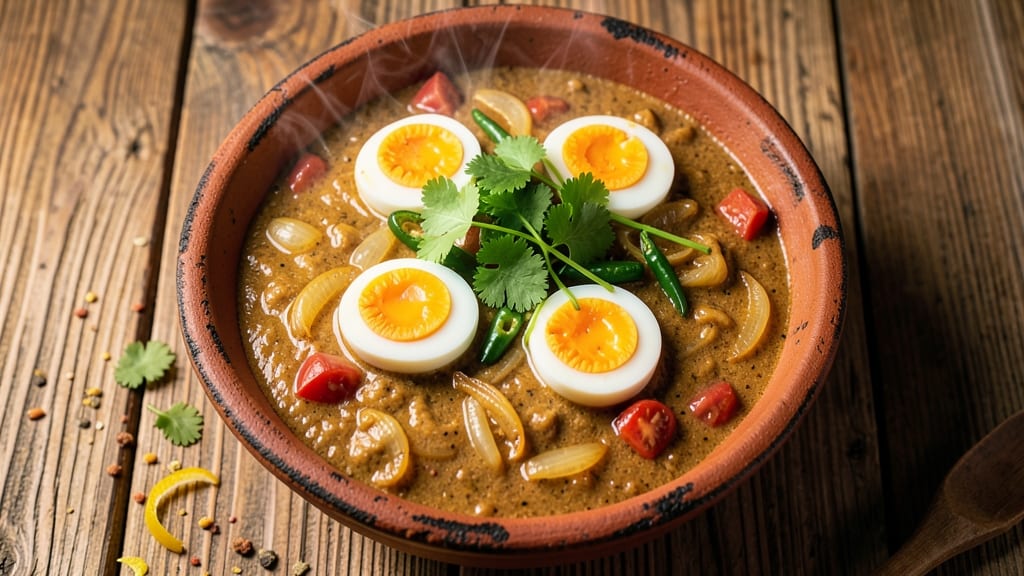
This authentic egg curry recipe brings the soul-warming flavors of South Asian kitchens straight to your stovetop. The secret lies in slow-cooked eggs simmered in a fragrant tomato gravy, where spices like cumin, coriander, and turmeric bloom into deep, aromatic layers.
I’ve perfected this version after years of testing regional variations—it’s rich, balanced, and far from the overly spicy or greasy adaptations you’ll find elsewhere.
The process starts with a spice tempering—toasting whole spices in hot oil to unlock their natural oils and flavors—before building the curry base with onions, garlic, and ginger.
The eggs cook gently in the gravy, absorbing the spices until they’re tender yet firm, with a velvety yolk that melts at the first bite. This isn’t just a breakfast dish; it’s a comforting, restaurant-quality meal that pairs perfectly with steamed basmati rice or warm flatbread.
What makes this curry truly authentic is the harmony of flavors: sweet tomatoes, earthy spices, and the subtle tang of tamarind or yogurt to balance the richness.
The eggs stay intact, soaking up the gravy without falling apart, while the spices—cumin, mustard seeds, and asafoetida—create that unmistakable South Asian aroma that fills your kitchen. It’s the kind of dish that tastes even better the next day, as the flavors deepen with time.
Whether you’re serving it for a brunch gathering or a cozy weeknight dinner, this egg curry delivers restaurant-quality results with minimal effort. The technique is straightforward, but the payoff is undeniable—silky eggs in a fragrant, well-balanced gravy that’s both comforting and exciting. Let’s get cooking!
Ingredients for authentic egg curry
Eight eggs, fourteen spices, one soul-warming dish—this curry delivers restaurant-quality comfort.
| Ingredient | Amount | Notes |
|---|---|---|
| Large Eggs 🥚 | 8 whole | Hard-boiled or fresh for simmering |
| Yellow Onions 🧅 | 1 whole | Finely chopped for base |
| Garlic Cloves 🧄 | 6 cloves | Minced for aromatic base |
| Fresh Ginger 🌿 | 1 inch | Grated, peeled piece |
| Canned Crushed Tomatoes 🍅 | 1 15 oz can | San Marzano preferred |
| Vegetable Oil 🫒 | ½ cup | For spice tempering |
| Cumin Seeds 🌶️ | 1 tbsp | Toasted for depth |
| Mustard Seeds 🌶️ | ½ tbsp | Lightly toasted |
| Ground Cumin 🌶️ | 1 tsp | Freshly ground preferred |
| Ground Coriander 🌿 | 1 tsp | For earthy balance |
| Turmeric Powder 🧂 | ½ tsp | Bright yellow color |
| Garam Masala 🌶️ | 1 tsp | For finishing aroma |
| Asafoetida Powder 🌿 | ¼ tsp | Essential for authentic flavor |
| Plain Yogurt 🥛 | ¼ cup | Whisked smooth |
| Salt 🧂 | 1 tsp | Adjust to taste |
The eggs are non-negotiable—use large eggs for that perfect firm-yet-silky texture. Whole eggs work best, but if you're hard-boiling for prep ahead, keep them intact until simmering. For the tomatoes, San Marzano cans from Whole Foods or Trader Joe's are worth the splurge—they're sweeter and less watery. The asafoetida (that funky powder) is the secret weapon—Penzeys Spices sells it, or check the Indian aisle. Fresh ginger and garlic? Always buy organic—the skin stays on during grating for extra flavor. Toast your whole spices (cumin, mustard seeds) in the oil until they sizzle—this unlocks their full aroma.
No asafoetida? Skip it entirely—the dish still works, but you'll miss that umami punch. Running low on yogurt? Substitute lemon juice or vinegar at half the amount for tang. The garam masala is non-negotiable for finishing—MDH brand is the gold standard, but any good quality blend works. Want to make it vegan? Swap the yogurt for coconut yogurt and use vegetable broth instead of water in the tomato base. The eggs stay intact through gentle simmering, so no need for pre-cooking unless you're prepping ahead. For extra richness, stir in a spoonful of cashew cream at the end—trust me, it's worth it.
This curry tastes even better the next day as flavors meld. Store in an airtight container for 4-5 days in the fridge—reheat gently with a splash of water. Freezes beautifully for 3 months if you portion it into containers. I always make double batches because it disappears fast. The eggs stay perfectly cooked when reheated—just warm through on low heat. For serving, keep a bowl of warm basmati rice and naan ready. The aroma alone will have everyone gathering around the table.
Why You'll Love This Recipe
- No Chopping Chaos: I swear by this recipe because it’s the only egg curry where I only need to dice onions and mince garlic—no finicky ginger grating or tomato peeling. The crushed tomatoes handle all the prep work for me, and the eggs? Just crack, simmer, and boom—perfect every time.
- Spice That Stays: That ginger-garlic base hits different—it builds layers of warmth without overpowering, and the tomatoes keep it rich and balanced. Honestly, the first time I made it, I thought, "This is the kind of curry that makes you want to eat it for breakfast."
- Leftover Goldmine: This curry actually tastes better the next day. I’ve reheated portions for lunch, packed it in wraps for work, and even turned it into a quick omelet by scrambling the leftovers. It’s my go-to when I need a meal that works as hard as I do.
- Pantry Magic: Between us, this recipe is my budget-friendly secret weapon. Eggs, onions, and canned tomatoes? Affordable staples that still deliver restaurant-quality flavor. Plus, it’s the only curry I can make without a dozen specialty ingredients—just basics, done right.
Step-by-step instructions for authentic egg curry
Here's how to craft a rich, aromatic egg curry with layers of spice and silky eggs—just like you'd find in regional Indian kitchens.
Prepare the Spice Base
Heat the 0.5 cup vegetable oil in a heavy-bottomed pot over medium heat. Add the 1 tbsp cumin seeds and 0.5 tbsp mustard seeds, stirring constantly until they begin to sizzle and pop—this should take about 30 seconds. The seeds will darken slightly, releasing their nutty aroma.
Immediately add the 1 whole yellow onions, 6 cloves garlic cloves, and 1 inch fresh ginger. Cook for 5-6 minutes until the onions soften and turn translucent, then deepen to a golden brown. This slow cooking develops their natural sweetness and forms the flavor foundation. Here's the thing—don't rush this step. The onions should caramelize just enough to create that deep, savory base.
Build the Spice Blend
Reduce heat to low and stir in the 1 tsp ground cumin, 1 tsp ground coriander, 0.5 tsp turmeric powder, and 0.25 tsp asafoetida powder. Cook for 1 minute, stirring constantly, until the spices release their aromatic oils and the mixture becomes fragrant. The asafoetida, though used sparingly, adds that unmistakable umami depth that defines authentic curries.
Next, pour in the 1 15 oz can crushed tomatoes and bring to a gentle simmer. Let it cook uncovered for 8-10 minutes, stirring occasionally, until the tomatoes break down and thicken into a rich, glossy sauce. You'll notice the sauce darken and reduce—this is when the flavors meld together. If it gets too thick, add 2-3 tablespoons of water to maintain consistency.
Simmer the Eggs to Perfection
While the tomato base simmers, gently crack the 8 whole large eggs into a bowl and whisk them lightly—just enough to blend the yolks and whites without creating bubbles. Slowly pour the eggs into the simmering curry, stirring gently but constantly to prevent the eggs from curdling. The heat should be low enough to cook the eggs gradually, ensuring they remain silky rather than rubbery.
Cover the pot and let the eggs simmer for 8-10 minutes, stirring every 2 minutes to ensure even cooking. The eggs should become tender but still hold their shape slightly. You'll know they're done when they're fully cooked through but still creamy—almost like poached eggs in a rich gravy. This is the moment that matters: overcooking will turn them into scrambled bits, so watch closely.
Finish with Yogurt and Garam Masala
Remove the pot from heat and stir in the 0.25 cup plain yogurt and 1 tsp salt. The yogurt will cool the curry slightly and add a velvety texture. Return the pot to low heat and let it simmer for another 2-3 minutes, stirring gently to blend everything smoothly. Taste and adjust the salt if needed—authentic curries balance spice with just the right amount of saltiness.
Finally, sprinkle in the 1 tsp garam masala and stir vigorously for 30 seconds. This warming spice blend should infuse the curry with its signature aroma. Let the curry sit off heat for 5 minutes to allow the flavors to fully meld. The result should be a vibrant, aromatic curry with tender eggs suspended in a rich, spiced tomato gravy—ready to serve over steamed basmati rice or with crusty naan.
Pro Tips For Making Authentic Egg Curry
- Sear Eggs in Batches: Don’t toss all the eggs into the pan at once—crowding steams them instead of searing. Work in 2-3 eggs at a time over medium-high heat until golden on both sides (about 3 minutes per side). I learned this the hard way when my first batch turned out rubbery because I rushed it.
- Finely Grate the Ginger: Skip the food processor for ginger—use a microplane or the smallest holes on a box grater. This releases more flavor and blends smoothly into the onion-tomato base. Too chunky? It’ll sit like little specks in your curry, and no one wants that.
- Bloom Spices in Oil: Before adding onions, toast your spices (cumin, coriander, turmeric) in 1 tablespoon oil for 30 seconds until fragrant. This unlocks their flavor—no more tasting like you just sprinkled powder on top. (Yes, even if you’re impatient like me.)
- Simmer Tomatoes Low and Slow: After adding crushed tomatoes, reduce heat to low and let them cook uncovered for 10 minutes. This thickens the sauce naturally without burning it. I used to crank the heat, and my curry always ended up watery—don’t make my mistake.
Regional styles of authentic egg curry
South Indian Style
In South India, this egg curry often includes coconut milk for a richer, creamier texture. I add ½ cup coconut milk when simmering the tomatoes, along with 1 tsp fenugreek seeds for a distinct bitterness that balances the sweetness.
The eggs stay whole but absorb the coconut flavor beautifully. Serve with steamed rice and a side of mango pickle for that signature South Indian tang. 🥥
Punjabi Egg Curry
Punjabi versions lean heavier on garlic and ginger, with a touch of kasuri methi (dried fenugreek leaves) for earthiness. I boost the garlic to 8 cloves and add ½ tsp kasuri methi powder at the end.
The curry is slightly thicker, almost like a dal, and often served with butter naan or roti. For extra richness, stir in 2 tbsp ghee at the finish. 🧄
Bengali Egg Curry
Bengali egg curry, or "anda bhaja", skips tomatoes entirely and uses mustard oil for a pungent kick. I heat ½ cup mustard oil until it reaches 275°F (just before smoking), then cool it slightly before adding onions and spices.
The curry includes poppy seeds and nutmeg for warmth, and the eggs are often lightly fried in the oil before simmering. Serve with steamed rice and luchi (deep-fried bread). 🌶️
Goan Egg Curry
Goan cuisine brings vinegar and coconut to the table. I add 1 tbsp vinegar to the tomato base and ¼ cup desiccated coconut at the end for texture. The curry also includes curry leaves and black pepper, giving it a vibrant, slightly tangy profile.
The eggs stay intact but develop a delicate crunch from the coconut. Pair with Goan-style bread or steamed rice. 🌿
Hyderabadi Egg Curry
Hyderabadi style is all about slow-cooked richness. I simmer the curry for 20 minutes after adding eggs, stirring in 1 tbsp rose water at the end for a floral touch.
The dish often includes saffron strands and is finished with fried onions for crunch. Serve with mirchi ka salan (chili curry) and sheermal (saffron-infused bread). 🌹
Nutrition facts
Frequently asked questions about authentic egg curry
Can I use hard-boiled eggs instead of fresh?
Yes, but with a few adjustments! Use pre-cooked eggs (peeled) and simmer them in the curry for just 3-4 minutes to warm through—overcooking turns them rubbery. For best results, add them at the very end when the gravy is nearly done. Fresh eggs absorb more flavor during the 8-10 minute simmer.
How do I make this curry less spicy?
Reduce the mustard seeds and red chili powder (if added) by half, or omit asafoetida—it carries heat. For mildness, increase the yogurt to ½ cup and add 1 tsp sugar to balance. The recipe’s base spices (cumin, coriander) are naturally mild—focus on adjusting the finishing garam masala.
What’s the secret to keeping eggs whole in the curry?
Low, gentle heat is key! Simmer on low-medium (not boiling) and stir every 2 minutes to prevent sticking. Use whole eggs (cracked, not broken) and add them to the gravy when it’s just simmering—not rolling. The yogurt at the end also helps stabilize the eggs.
Can I make this curry ahead of time?
Absolutely—it tastes even better reheated! Store in an airtight container for 4-5 days in the fridge. Reheat gently on low heat with 1-2 tbsp water to restore moisture. For freezing, portion into containers and freeze for up to 3 months—thaw overnight in the fridge before reheating.
What’s the best way to serve this egg curry?
Pair it with steamed basmati rice or warm naan/roti for the full experience. For extra authenticity, add a side of cucumber raita (yogurt dip) or pickled onions. The curry’s richness balances perfectly with something cool and creamy—like a simple salad or papadums.