
Breakfast & Brunch
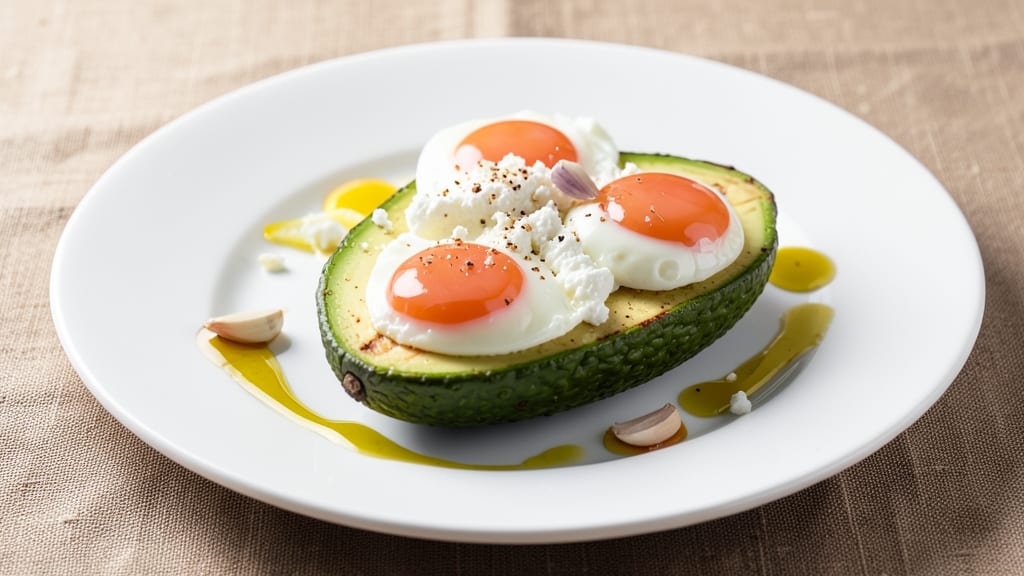
This avocado egg cottage cheese recipe transforms simple ingredients into a creamy, protein-packed breakfast that comes together in 10 minutes. The perfect balance of rich avocado, fluffy eggs, and tangy cottage cheese creates a dish that's both satisfying and nutritious—ideal for busy mornings or a light lunch.
I developed this recipe after realizing how often we overlook the power of combining these three ingredients into one cohesive, flavorful meal.
The magic lies in the textures: velvety avocado provides healthy fats, softly scrambled eggs add protein, and cottage cheese brings a tangy contrast that keeps every bite interesting. No fancy techniques required—just a skillet, a few fresh ingredients, and a sprinkle of seasoning.
This isn't just another breakfast; it's a meal that delivers restaurant-quality satisfaction with minimal effort.
What makes this dish truly special is its versatility. Serve it as a hearty breakfast bowl, a light lunch salad topping, or even as an appetizer with crispy toast on the side. The combination of flavors and textures makes it equally appealing for brunch gatherings or solo meals.
The best part? It's ready in less than 15 minutes, with no complicated steps or last-minute grocery runs.
Whether you're looking to boost your protein intake, enjoy a creamy yet fresh meal, or simply want something delicious without spending hours in the kitchen, this recipe delivers.
The key is balancing the ingredients so each component shines while complementing the others—creamy avocado, tender eggs, and the subtle tang of cottage cheese come together in perfect harmony. Let's get started!
Ingredients for avocado egg cottage cheese
Six fresh ingredients transform into a velvety, protein-packed breakfast that's ready in 10 minutes.
| Ingredient | Amount | Notes |
|---|---|---|
| Ripe Avocados 🥑 | 2 whole | Pitted, flesh scooped |
| Large Eggs 🥚 | 6 whole | Freshly beaten, room temp |
| Small-Curd Cottage Cheese 🧀 | 1 cup | 2% fat, drained overnight |
| Extra-Virgin Olive Oil 🫒 | 2 tbsp | High-quality, fruity |
| Fresh Lemon Juice 🍋 | 1 tbsp | From 1/2 lemon, freshly squeezed |
| Garlic Cloves 🧄 | 2 cloves | Minced, for depth |
| Diamond Crystal Kosher Salt 🧂 | ½ tsp | Fine grain preferred |
| Freshly Ground Black Pepper 🌶️ | ¼ tsp | Cracked peppercorns |
| Fresh Cilantro Leaves 🌿 | ¼ cup | Chopped, for brightness |
| Red Bell Pepper 🧅 | ½ whole | Diced, for crunch |
| Red Pepper Flakes 🔥 | ¼ tsp | Optional, for heat |
| Toasted Pita Bread 🥖 | 4 slices | For serving, optional |
The avocados are the star—look for ones that yield slightly to gentle pressure but aren't mushy. Whole Foods or local farmers markets often have the ripest selection, but grocery store avocados work too if they're firm with a little give. Cottage cheese can vary wildly in texture; small-curd, 2% fat gives the best balance of creaminess and tang. I always drain mine overnight in a fine-mesh strainer to remove excess whey—game-changer for texture. Eggs should be fresh, cold from the fridge—whisk them vigorously to create airy, fluffy scrambles that hold their shape.
No fresh cilantro? Substitute with chopped parsley or green onion tops—they bring similar brightness. Running out of lemon juice? A splash of apple cider vinegar works in a pinch, though it'll be slightly more tart. The red bell pepper adds crunch; swap with cherry tomatoes if you prefer sweetness over texture. For extra richness, add 1 tbsp sour cream to the cottage cheese mixture. And if you're feeling adventurous, swap half the cottage cheese for Greek yogurt—it's lighter but still tangy. The olive oil matters here too—avoid light or refined oils that lack flavor.
Avocados keep best at room temperature for a day, but store leftovers in an airtight container in the fridge for up to 3 days. The cottage cheese mixture can be prepped ahead—make it the night before and reheat gently in the skillet. For serving, toast those pita slices until they're golden and crisp—they're perfect for scooping up the creamy mixture. This dish reheats beautifully; microwave for 20 seconds if you're in a rush, but skillet reheating keeps everything creamy. Portion into meal prep containers for 3 days of grab-and-go breakfasts—just add fresh avocado when ready to eat.
Why You'll Love This Recipe
- No-Fuss Mash-Up: I swear, this takes less effort than ordering takeout. Mash the avocado, crack eggs into a bowl, mix in cottage cheese—no measuring cups, no fancy tools. Honestly, I’ve made it while standing at the stove, stirring with a fork, and it still comes out creamy perfection.
- Creamy Crunch Combo: That contrast? Chef’s kiss. The cottage cheese adds a tangy thickness, the eggs give you a soft scramble, and the avocado keeps it rich without being heavy. Squeeze in lemon juice at the end—trust me, it brightens everything.
- Breakfast or Lunch: Serve it warm with toast for a lazy weekend brunch, or let it cool slightly for a protein-packed lunch. I’ve even used it as a filling for wraps when I’m in a rush. Between us, it’s the only thing I make that works for both.
- Budget Meal Magic: Eggs, cottage cheese, and avocados stretch so far—this feeds two for dinner or four for breakfast without breaking the bank. Plus, leftovers reheat like a dream (just add a splash of water if it gets dry). My wallet and I both approve.
Step-by-step instructions for avocado egg cottage cheese recipe
Here's how to transform simple ingredients into a velvety, protein-packed masterpiece in minutes.
Prepare the Avocado Base
Cut the 2 whole ripe avocados in half, remove the pits, and scoop the flesh directly into a food processor. I like to use a microplane to scrape every last bit from the skins—no wasted avocado here. Add the 1 cup small-curd cottage cheese, 2 tablespoons extra-virgin olive oil, 1 tablespoon fresh lemon juice, and the 2 minced garlic cloves to the processor.
Pulse everything together until completely smooth, scraping down the sides with a spatula as needed. The mixture should be silky and homogeneous, with no visible texture. This is your flavor foundation—don't rush this step. The cottage cheese adds subtle tang while keeping the dish protein-rich without overpowering the avocado's natural creaminess.
Season and Incorporate Eggs
Transfer the avocado mixture to a large mixing bowl. Add the 6 freshly beaten eggs, 0.5 teaspoon Diamond Crystal kosher salt, and 0.25 teaspoon freshly ground black pepper. Using a hand mixer or whisk, blend everything together until fully combined and the mixture reaches a thick, custard-like consistency.
Here's the thing—you want the eggs to be fully incorporated but still maintain that velvety texture. If the batter looks too thick, add 1 tablespoon water at a time until it reaches a pourable consistency. The ideal texture should be like heavy cream—thick enough to coat a spoon but still flow smoothly. This ensures your finished dish will be creamy rather than dense.
Cook the Mixture Low and Slow
Heat a 10-inch nonstick skillet over medium-low heat. Pour in the avocado-egg mixture, spreading it evenly to create a thin layer about ¼-inch thick. Cook for 3-4 minutes without stirring, until the edges begin to set but the center still looks slightly wet. This gentle cooking method prevents curdling while creating that perfect creamy texture.
I know it seems counterintuitive to cook at such low heat, but this is crucial. High heat will cook the eggs too quickly on the outside while leaving the center undercooked. You're aiming for a uniform texture throughout—creamy, custard-like, and just set enough to hold its shape when sliced. The mixture should still jiggle slightly in the center when you gently shake the pan.
Add the Final Flavor Layers
Remove the skillet from heat and immediately stir in the 0.25 cup chopped fresh cilantro leaves, 0.5 diced red bell pepper, and 0.25 teaspoon red pepper flakes (if using). The residual heat will gently incorporate these ingredients without cooking them down. This is where all the bright, fresh flavors come together—cilantro's citrusy brightness, bell pepper's crunch, and just a hint of heat from the red pepper flakes.
Let the mixture rest in the skillet for 1 minute to allow the flavors to meld together. The bell pepper will soften slightly but maintain its texture, adding a pleasant contrast to the creamy base. This is also when you should taste and adjust seasoning—add more salt if needed, or a splash more lemon juice if you want to brighten the flavors.
Serve Immediately with Toasted Pita
Transfer the avocado egg mixture to a serving dish and immediately serve it with the 4 slices toasted pita bread. The pita adds a wonderful crunch contrast to the creamy filling. I like to serve this warm—it's at its most luxurious state right out of the pan when the textures and temperatures are perfectly balanced.
Each bite should deliver that luxurious avocado creaminess with the protein boost from the eggs and cottage cheese, brightened by the lemon and fresh herbs. The red pepper flakes add just enough heat to make this dish feel special without overpowering. And remember—this dish is best enjoyed immediately while the textures are at their peak. The flavors will only get better as they sit together for a few minutes.
Pro Tips For Making Avocado Egg Cottage Cheese
- MASH THE AVOCADO FIRST: I learned this the hard way—chopping avocado into the mix creates a weird, uneven texture. Instead, scoop out the flesh, mash it with a fork until smooth, then fold in the cottage cheese and eggs. This keeps the final dish silky, not lumpy, and the flavors blend better.
- USE SMALL-CURD COTTAGE CHEESE: Large-curd cottage cheese turns this dish into a mushy disaster. Small-curd breaks down smoothly when mixed with avocado, giving that perfect creamy, spreadable texture. No substitutions here—this is the thing that matters most.
- COOK EGGS LOW AND SLOW: High heat makes eggs rubbery, and that’s the last thing you want in this recipe. Keep the pan on medium-low, stirring gently until just set—about 2-3 minutes. Overcooking turns eggs tough, and you’ll regret it.
- ZEST THE LEMON, DON’T JUST JUICE: A splash of lemon juice is good, but the zest adds a bright, aromatic punch that cuts through the richness. Sprinkle it in at the end while the dish is still warm—it’ll melt into the mix and wake up every bite. (Yes, even if you’re impatient like me.)
Pro cooking tips for this recipe
Low-Heat Cooking Secret
Cooking this mixture at medium-low heat is non-negotiable—high heat will curdle the eggs and make the avocado base grainy. I use a 10-inch nonstick skillet (like my Made In skillet) because it distributes heat evenly.
The key is patience: let the mixture cook 3-4 minutes until just set at the edges but still slightly jiggly in the center. This creates that silky, custard-like texture we're after. 🌡️
Egg Texture Mastery
For the fluffiest, most stable eggs, beat them vigorously with a hand mixer until they're fully aerated. The mixture should be thick but pourable—like heavy cream. If it's too thick, add 1 tablespoon water at a time.
I've found that room-temperature eggs incorporate better than cold ones, so take them out 10 minutes before mixing. This prevents a dense, rubbery final texture.
Cottage Cheese Prep
Draining the cottage cheese overnight in a fine-mesh strainer removes excess whey, which prevents a watery final texture. I use small-curd, 2% fat cottage cheese—it's the perfect balance of creaminess and tang.
For extra richness, mix in 1 tablespoon sour cream with the cottage cheese before processing. This adds a subtle depth that makes the dish feel more luxurious. 🧀
Avocado Ripeness Check
Look for avocados that yield slightly to gentle pressure but aren't mushy. The best ones have dark green skins with no brown spots. I always test one first by cutting it open—if the flesh is dark green near the pit, it's not ripe enough.
If it's too soft, the texture will turn mushy when cooked. For consistent results, buy avocados 1-2 days before you plan to cook and let them ripen at room temperature.
Flavor Layering Technique
Add the cilantro, red bell pepper, and red pepper flakes off the heat to preserve their freshness and crunch. The residual heat from the skillet gently incorporates them without cooking them down. For extra brightness, zest ½ lemon over the top just before serving.
This is where the dish comes together—each ingredient should be distinguishable but harmonious. Taste as you go and adjust seasoning with Diamond Crystal kosher salt or fresh lemon juice.
Skillet Choice Matters
A nonstick skillet is ideal here, but if you don't have one, a well-seasoned cast iron skillet (like my Lodge) works too. Avoid stainless steel—it conducts heat too quickly and can cause uneven cooking. For even better results, preheat the skillet for 1-2 minutes before adding the mixture.
This ensures a smooth release and even cooking throughout. The skillet should be hot but not smoking when you pour in the batter. 🔥
Nutrition facts
Frequently asked questions
Can I make this recipe without cottage cheese?
Replace the cottage cheese with ½ cup Greek yogurt or ¼ cup sour cream for a similar tangy creaminess. For extra protein, add 2 extra egg whites or ¼ cup ricotta cheese. The texture will be slightly lighter but still rich and satisfying.
How do I prevent the avocado from turning brown?
Keep the avocado base in an airtight container and press plastic wrap directly on the surface to minimize air exposure. Add a splash of lemon juice (already in the recipe) or lime juice to slow oxidation. For leftovers, store the cooked mixture with a layer of water or butter on top to preserve color and flavor.
Is this recipe suitable for meal prep?
Yes, but with a few adjustments. Cook the base (avocado-cottage cheese-egg mixture) and store it in airtight containers for up to 3 days. Reheat gently in a skillet or microwave for 20 seconds—just add fresh avocado and toppings when serving. The texture holds up well, but avocado should be added fresh for the best experience.
What if my eggs curdle while cooking?
Curdling happens when heat is too high. Remove the skillet from heat immediately and stir vigorously to recombine. For next time, use medium-low heat and ensure your eggs are fully beaten before cooking. If it's too late, blend the curdled mixture briefly to restore smoothness, though texture may be slightly grainy.
Can I add other vegetables to this dish?
Try diced tomatoes, spinach, or mushrooms for extra nutrition. Add them to the skillet during the last 1-2 minutes of cooking to preserve texture. For heartier meals, stir in chopped bell peppers or zucchini with the bell pepper at the end—just reduce the cooking time to maintain freshness.