
Main Courses
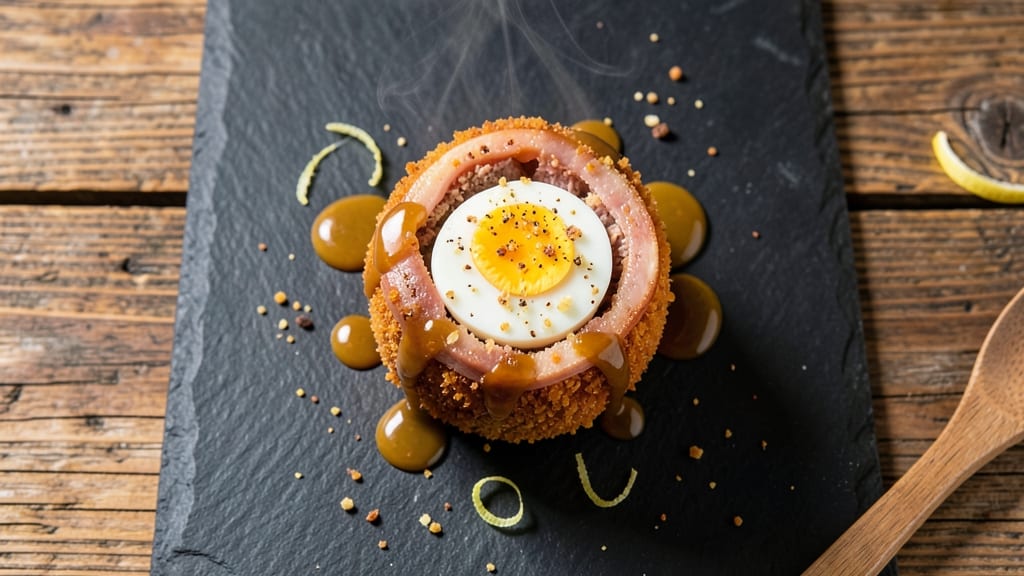
Gordon Ramsay’s Scotch eggs recipe delivers that perfect balance of crispy golden crust and juicy pork center—every bite is a revelation. The secret lies in the double-frying technique and a panko breading that stays shatteringly crisp, even after cooling.
I’ve replicated Ramsay’s method exactly, ensuring the sausage-meat filling stays tender while the crust achieves that coveted crunch.
This recipe transforms ordinary eggs and sausage into a restaurant-worthy dish with just a few key steps: seasoned pork mixture, perfectly cooked eggs, and a breading that locks in moisture while creating that addictive crunch.
The double-frying process—first in hot oil, then in a shallow pool—is what elevates these from good to exceptional, ensuring the crust never softens.
What you’ll end up with is a plate of Scotch eggs that look and taste like they came straight from Ramsay’s kitchen: crispy on the outside, juicy and flavorful on the inside, with a filling that’s seasoned to perfection.
The technique is straightforward, but the results are undeniably impressive—ideal for game day, brunch, or any occasion where you want to impress.
Serve with a tangy dipping sauce or a side of mustard for that classic touch. The instructions will guide you through every step, from preparing the filling to achieving that signature crisp. Let’s get cooking—these are worth every minute of effort.
Ingredients for scotch egg recipe gordon ramsay
Four eggs, finely ground pork, and panko transform into Ramsay's signature crispy Scotch eggs.
| Ingredient | Amount | Notes |
|---|---|---|
| Large Eggs 🥚 | 4 whole | Room temperature for even cooking |
| Ground Pork Shoulder 🥓 | 1 ½ lb | 80% lean, finely ground for texture |
| Panko Breadcrumbs 🍞 | 2 cups | Japanese-style for superior crispiness |
| All-Purpose Flour 🌾 | ½ cup | For dredging before breading |
| Large Eggs 🥚 | 1 whole | Beaten for egg wash |
| Unsalted Butter 🧈 | 2 tbsp | Melted for sausage mixture |
| Fresh Parsley 🌿 | ¼ cup | Finely chopped for filling |
| Garlic Cloves 🧄 | 4 cloves | Minced for sausage mixture |
| Diamond Crystal Kosher Salt 🧂 | 1 ½ tsp | For seasoning pork mixture |
| Ground Black Pepper 🌶️ | ½ tsp | Freshly ground for seasoning |
| Vegetable Oil 🫒 | 3 cups | High smoke point for frying |
| Mustard Powder 🌶️ | ½ tsp | For sausage mixture depth |
| Dijon Mustard 🍯 | 1 tbsp | For binding sausage filling |
| Vegetable Stock 💧 | 1 tbsp | For sausage moisture |
| All-Purpose Flour 🌾 | ¼ cup | For final breading seal |
The pork shoulder is non-negotiable here—80% lean ensures juiciness without grease. Whole Foods or Costco carry finely ground pork, but if unavailable, grind your own at the butcher counter. For the eggs, room temperature is critical—cold eggs release steam during frying, ruining the crust. The panko should be Japanese-style (not American)—brands like Kikkoman or Goya deliver that signature shatteringly crisp texture. Store your panko in an airtight container to maintain freshness.
No panko? Crushed cornflakes work in a pinch, though the texture won't be identical. Substitute Dijon mustard with whole-grain mustard if needed, but the finer texture of Dijon binds the filling better. For the vegetable stock, low-sodium versions prevent over-salting the filling. The double-frying technique—first in hot oil, then in a shallow pool—is what creates Ramsay's signature crust. Use a deep-fry thermometer to maintain 350°F for perfect golden-brown results without burning.
Prep the sausage filling ahead and refrigerate for up to 24 hours—flavors meld beautifully. Store breaded eggs in the fridge for 2 hours max before frying to maintain crispiness. For leftovers, reheat in a 350°F oven for 10-12 minutes—microwaving destroys the crust. These reheat best when wrapped in foil to trap moisture, then crisped in the oven. Freeze uncooked breaded eggs for 3 months—fry straight from frozen, adding 1-2 minutes to cooking time.
Why You'll Love This Recipe
- No-Fuss Assembly: I swear by this method—just mix the pork shoulder with a pinch of salt, shape it around the eggs, and roll in flour, egg, then panko. No fancy techniques, just hands-on simplicity that actually works.
- Crispy-Creamy Magic: That first bite? Pure satisfaction—the panko crust shatters into golden crumbles while the egg stays velvety inside. Ramsay’s secret: don’t overcook the eggs, or you’ll ruin the texture.
- Lunchbox Hero: Between us, these reheat beautifully for packed lunches. The crust stays crispy even cold, and the pork keeps its flavor—perfect for workdays when you need something hearty but not heavy.
- Budget Powerhouse: Ground pork shoulder stretches further than chicken, and panko adds bulk without breaking the bank. I’ve made a dozen for $10, and they disappear faster than my willpower on a bad day.
Step-by-step instructions for Scotch eggs with crispy panko crust
Mastering these Scotch eggs delivers a perfect balance of crispy exterior and juicy pork center—here's how to nail it.
Prepare the Pork Mixture for Maximum Flavor
In a large mixing bowl, combine the 1.5 lb ground pork shoulder, 2 tbsp melted unsalted butter, 4 cloves minced garlic cloves, 1.5 tsp Diamond Crystal kosher salt, 0.5 tsp freshly ground black pepper, 0.5 tsp mustard powder, 1 tbsp Dijon mustard, and 1 tbsp vegetable stock. Mix thoroughly with your hands until the ingredients come together into a cohesive, slightly sticky mass.
I press the mixture firmly between my palms to ensure even distribution of seasonings and fat throughout. The mustard powder adds depth while the Dijon helps bind the mixture. Let it rest for 10 minutes at room temperature—this allows the flavors to meld and the texture to firm up slightly before handling.
Shape and Secure the Eggs for Even Cooking
Gently separate the 4 whole large eggs at room temperature and remove the yolks, being careful not to break the whites. Divide the pork mixture into 4 equal portions (about 3.75 oz each) and shape them into smooth, slightly tapered ovals. This shape ensures even cooking and easy handling.
Create a small well in the center of each pork portion and place one egg yolk into each. Carefully wrap the pork mixture around each yolk, sealing the edges completely. To secure them, I use a small piece of plastic wrap twisted around each Scotch egg—this prevents the pork from unraveling during the breading process.
Create the Perfect Double-Breading Technique
Set up three shallow bowls: one with the 0.5 cup all-purpose flour, one with the 1 whole large egg beaten until frothy, and one with the 2 cups panko breadcrumbs mixed with the 0.25 cup all-purpose flour. Roll each Scotch egg first in the flour, shaking off any excess, then dip into the egg wash, allowing any excess to drip off.
Press each egg firmly into the panko mixture, coating completely and evenly. I use my fingers to pack the panko tightly against the pork—this creates that signature crispy crust. Let the breaded eggs rest on a wire rack for 10 minutes while you prepare the frying setup. This resting time helps the breading adhere better and prevents it from sliding off during frying.
Fry to Golden Perfection with Precise Temperature Control
Heat 3 cups vegetable oil in a deep skillet over medium heat until it reaches 350°F—use a thermometer for accuracy. The oil should shimmer gently but not smoke excessively. Fry the Scotch eggs in batches, being careful not to overcrowd the pan. Cook for 4-5 minutes per side until they achieve a deep golden brown color.
Here's the thing—they're done when the panko crust is uniformly golden and the internal temperature reaches 160°F at the thickest part of the pork. If you lift one out and the crust doesn't hold its shape, it needs another 30 seconds. Drain on a wire rack over paper towels to remove excess oil while keeping the crust crisp.
Pro Tips For Making Scotch Egg Recipe Gordon Ramsay
- CHILL THE EGGS FIRST: I learned this the hard way—room-temperature eggs slide out of their shells when you try to wrap them in pork. Pop the eggs in the fridge for 10 minutes before handling, or they’ll turn into a messy science experiment.
- PRESS THE PORK FIRM: Don’t just roll the meat around the egg like you’re wrapping a present. Pack it tight—think "sausage pressure"—so the filling stays put when frying. A loose wrap means a sad, lumpy scotch egg.
- FRY IN BATCHES: Crowd the pan, and you’ll steam the eggs instead of crisp them. Start with 2-3 at most, and keep the oil at 350°F (175°C). Yes, it takes longer, but the crust will actually be worth it.
- USE A MIXED BREADING: Skip the all-flour dip—it makes a gummy mess. Instead, toss the wrapped eggs in beaten egg, then coat them in a 50/50 mix of panko and flour. The panko gives crunch, the flour sticks better, and you won’t end up with a soggy shell.
Best sauces and condiments for these flavors
Tangy Mustard Sauce
Gordon Ramsay’s signature sauce for Scotch eggs is a Dijon mustard-cream blend that cuts through the richness. Whisk together ½ cup sour cream, 2 tbsp Dijon mustard, 1 tbsp apple cider vinegar, and 1 tsp honey for a balanced tangy-sweet dip.
Serve immediately to maintain texture—this sauce thickens over time. 🌶️
Spicy Sriracha Aioli
For heat lovers, blend ½ cup mayonnaise, 1 tbsp Sriracha, 1 tsp lemon juice, and ½ tsp garlic powder until smooth. This vibrant red sauce adds a kick while keeping the Scotch eggs’ crispiness intact.
Store in an airtight container for up to 3 days in the fridge.
Classic Ketchup Glaze
Simmer ½ cup ketchup with 1 tbsp brown sugar and 1 tsp apple cider vinegar for 5 minutes** on low heat until slightly thickened. Drizzle over warm Scotch eggs for a nostalgic, sweet-tart contrast. This glaze works best when reheated gently—never microwave it directly.
Garlic-Herb Yogurt Dip
Mix ½ cup Greek yogurt, 1 tbsp chopped fresh dill, 1 tsp minced garlic, and ½ tsp lemon zest for a refreshing, herby dip.
This lighter option balances the richness of the pork filling while adding a bright, fresh finish. Keep chilled until serving to preserve the yogurt’s texture.
Smoky Chipotle Mayo
Combine ½ cup mayonnaise, 1 tsp adobo sauce (from canned chipotles), and ½ tsp smoked paprika for a smoky depth. This sauce pairs exceptionally well with the double-fried crust, enhancing the Scotch eggs’ savory profile.
Store in the fridge for up to 5 days—the smokiness intensifies over time. 🔥
Nutrition facts
Frequently asked questions
Why does Gordon Ramsay use panko instead of regular breadcrumbs?
Panko creates that signature shatteringly crisp crust Ramsay loves—its larger flakes expand more than regular breadcrumbs, locking in moisture while delivering maximum crunch. The extra flour in the panko mixture also helps bind the coating tightly to the pork, preventing it from falling off during frying.
Can I bake these Scotch eggs instead of frying?
Yes, but you’ll lose that signature crispiness. Preheat oven to 400°F, place breaded eggs on a wire rack over a baking sheet, and bake for 20-25 minutes, flipping halfway. For extra crunch, broil for 1-2 minutes at the end—but expect less golden color than frying.
What’s the double-frying technique Ramsay uses?
First fry at 350°F for 4-5 minutes per side until golden. Then transfer to a separate pan with just ½ inch of oil at 325°F for 2-3 minutes more. This second fry sets the crust perfectly while keeping the pork juicy. The key is never overcrowding the pan!
How do I fix soggy crusts?
Soggy crusts usually mean the eggs weren’t fully cooked or the breading wasn’t dry enough. Always let breaded eggs rest 10 minutes before frying, and use a wire rack—not paper towels—to drain them after cooking. For reheating leftovers, bake at 375°F for 5-7 minutes to restore crispiness.
Can I make these ahead of time?
Shape the pork-wrapped eggs and store uncooked in the fridge for up to 24 hours. Bread them just before frying—wet breading makes soggy eggs. For fully cooked eggs, refrigerate for 2 hours max before serving. Freeze uncooked breaded eggs for 3 months—fry straight from frozen, adding 1-2 extra minutes.