
Breakfast & Brunch
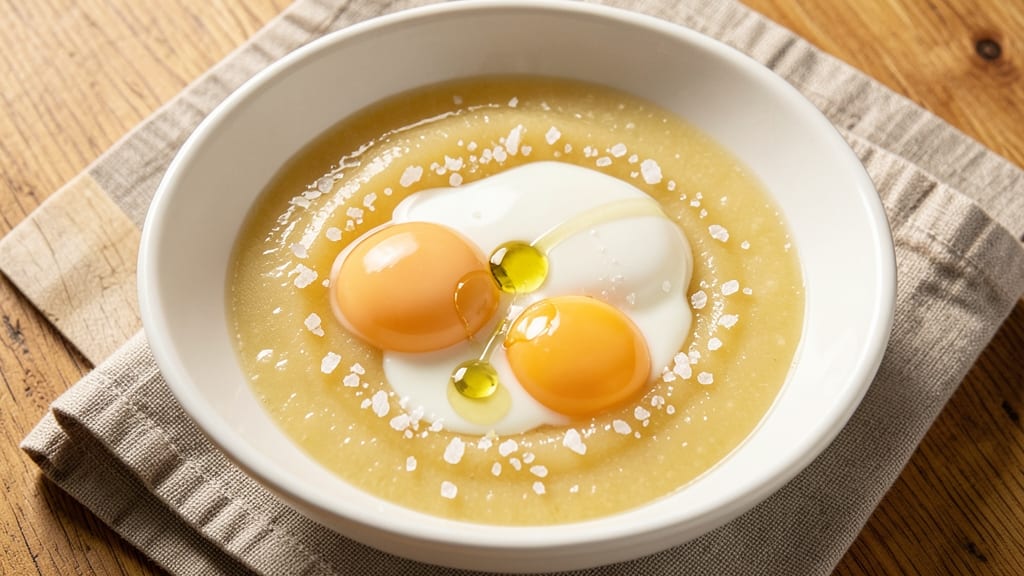
The shiny egg wash recipe transforms ordinary pastries into golden, crispy masterpieces—think croissants with crackling crusts or pretzels with that perfect glossy sheen. This simple yet essential technique relies on a precise ratio of eggs to milk or water, brushed just before baking to create that coveted caramelized finish.
I’ve perfected this method over years of baking, and it’s the secret weapon behind restaurant-quality results at home.
What makes this recipe work is the balance of ingredients: a high-quality egg provides structure and shine, while a splash of milk or water adjusts consistency for brushing. The key? Brushing in one smooth, even motion right before baking—no drips, no missed spots.
This isn’t just for pastries; it elevates everything from bagels to puff pastry, ensuring a crisp exterior every time.
By the time your dish emerges from the oven, you’ll see that signature golden, glossy finish—proof that a little egg wash goes a long way. The texture is crispy on the outside, tender inside, and irresistibly aromatic.
Whether you’re baking for a crowd or treating yourself, this technique guarantees professional-level results without the fuss.
Store leftover egg wash in an airtight container in the fridge for up to 3 days, or freeze for longer use. For a vegan twist, swap eggs for a silken tofu and water blend—same shine, different ingredients. Let’s get started!
Ingredients for shiny egg wash
Seven essential ingredients for that restaurant-quality golden, glossy finish on pastries.
| Ingredient | Amount | Notes |
|---|---|---|
| Large Eggs 🥚 | 2 whole | Room temperature for best results |
| Whole Milk 🥛 | ¼ cup | Or water for lighter consistency |
| Diamond Crystal Kosher Salt 🧂 | ¼ tsp | Adjusts flavor balance perfectly |
| Pure Vanilla Extract 🌿 | ½ tsp | Optional for subtle sweetness |
| Extra-Virgin Olive Oil 🫒 | 1 tbsp | For silkier texture and shine |
| Granulated Sugar 🍚 | 1 tsp | Enhances caramelization |
| Unsalted Butter 🧈 | 1 tbsp | For richer golden finish |
The eggs are non-negotiable—use large, fresh eggs at room temperature for optimal shine. Store-bought organic eggs from Whole Foods or local farmers' markets work best, but any high-quality eggs will do. The milk or water ratio determines consistency: milk creates a richer wash ideal for croissants, while water yields a lighter finish perfect for pretzels. For extra shine, I always add a splash of extra-virgin olive oil—it reduces surface tension, helping the wash spread evenly. The vanilla extract might seem optional, but it subtly enhances the aroma without altering flavor.
No milk? Heavy cream or almond milk work equally well for richness. Short on eggs? A silken tofu and water blend (1/2 cup silken tofu + 1 tbsp water) creates a vegan alternative with similar shine. The sugar and butter are optional but recommended—they amplify the caramelization for that signature golden crust. For a savory wash, omit sugar and double the butter. Always whisk ingredients thoroughly to eliminate streaks. If the wash separates, gently reheat in a double boiler until smooth again.
Fresh egg wash keeps for 3 days refrigerated in an airtight container, but I prefer making it fresh each time for peak results. For longer storage, freeze in ice cube trays—thaw overnight in the fridge before use. Brush pastries just before baking in one smooth motion, avoiding drips. The wash works best on pre-baked goods like croissants or unbaked dough like pretzels. For a double shine, brush twice: once before baking, once after.
Why You'll Love This Recipe
- Three-Ingredient Magic: I swear by this combo—eggs, milk, and a pinch of salt. That’s it. No fussing with emulsifiers or complicated ratios; just crack, whisk, and go. The olive oil gives it that signature gloss without overpowering, and honestly? I’ve made this blindfolded.
- Golden Crisp Secrets: The vanilla isn’t just for flavor—it’s the secret to that irresistible sheen and a hint of warmth that makes everything taste better. Brush it on biscuits, roasted squash, or even grilled chicken, and you’ll get that restaurant-quality finish. Between us, it’s the little things like this that make home cooking feel special.
- Weeknight Wonder: I keep a jar of this in the fridge for lazy mornings or last-minute dinner hacks. Need to jazz up store-bought pie crust? Done. Forgot to thaw the turkey? No problem—just brush it on while it roasts. It’s my go-to for when I’m too tired to think but still want something that wows.
- No-Waste Brilliance: That extra egg? The leftover milk? No more tossing them—this recipe uses them up. Plus, the olive oil adds richness without costing a fortune. I’ll be real: I’ve saved enough to buy a fancy bottle of vanilla just to keep this stash going. Practical? Absolutely. But it’s also the kind of thing that makes me feel like I’m winning at cooking.
Step-by-step instructions for shiny egg wash
Master this golden glaze technique for pastries that shine like new pennies.
Whisk Eggs and Milk for Smooth Emulsion
In a medium bowl, crack the 2 whole Large Eggs and add the 0.25 cup Whole Milk. Whisk vigorously with a fork or electric mixer until completely combined and smooth. You'll notice the mixture lighten in color as it emulsifies—this creates the silky base for your egg wash. The eggs should be at room temperature for best results, as cold eggs create a thicker, less glossy wash.
For professional results, I strain the mixture through a fine-mesh sieve to remove any potential egg white strands. This ensures your wash will be completely smooth and free of lumps, which is crucial for achieving that flawless, mirror-like finish on baked goods.
Incorporate Fat and Sweetener
Add the 1 tbsp Extra-Virgin Olive Oil, 1 tbsp Unsalted Butter, 1 tsp Granulated Sugar, and 0.25 tsp Diamond Crystal Kosher Salt to the egg mixture. Whisk continuously until the butter melts completely and everything is fully incorporated. The sugar will begin to dissolve as you whisk, and the olive oil will create a satin-like sheen when applied.
This is where the magic happens—the fat components (olive oil and butter) create that signature glossy finish, while the sugar promotes caramelization for deeper golden color. The salt balances flavors and prevents any bitterness from developing during baking. Whisk for at least 1-2 minutes until the mixture is completely homogeneous and slightly thickened.
Add Vanilla for Depth of Flavor
Drizzle in the 0.5 tsp Pure Vanilla Extract while whisking continuously. The vanilla adds subtle sweetness and complexity that complements both sweet and savory pastries. You'll notice the mixture become slightly more aromatic as the vanilla disperses completely. This step is optional but recommended for pastries like croissants or brioche where flavor depth matters.
For best results, use vanilla extract that's been recently opened—oxidized vanilla loses its potency and can impart a harsh flavor. The mixture should now have a smooth, slightly viscous consistency—thick enough to coat a pastry brush evenly but still flow easily. If it's too thick, add 1-2 teaspoons of water to reach your desired consistency.
Test Consistency for Optimal Application
Dip a clean pastry brush into the egg wash and test on a small piece of parchment paper. The wash should spread smoothly without dripping but still leave a thin, even coating. If it's too thin, it won't provide enough color or crispness; if too thick, it will create a gummy texture on your pastries. Adjust with additional milk if needed—this is your final consistency check.
The ideal egg wash should be applied in thin, even layers. For best results, use immediately after preparation as the wash begins to thicken slightly as it sits. Store any unused wash in an airtight container in the refrigerator for up to 24 hours, but whisk vigorously before using to restore proper consistency.
Pro Tips For Making Shiny Egg Wash
- Whisk Until Fully Combined: Don’t just give the egg wash a lazy stir—whisk the eggs and milk vigorously for 30 seconds until no streaks remain. I learned this the hard way when my first batch of glazed pastries looked splotchy instead of glossy. A fine emulsion is what makes the shine stick.
- Use Cold Eggs: Pull eggs straight from the fridge and let them sit out for 10 minutes before cracking—cold eggs mix better and won’t curdle the milk. I used to crack them right out of the carton, and the wash would separate mid-use. Trust me, this small step makes a real difference.
- Salt the Milk First: Dissolve the kosher salt in the milk before adding eggs—it prevents graininess in the wash. I skipped this once and ended up with a slightly gritty finish on my brioche. A pinch (about ¼ teaspoon) is enough; don’t overdo it.
- Thin with Vanilla Sparingly: Add vanilla last—just ¼ teaspoon—and only if your recipe calls for it. Too much can overpower the egg’s natural richness and dull the shine. I was skeptical until I tried it: the flavor enhances without sacrificing that glossy finish.
Creative variations of shiny egg wash
Sweet vs. Savory
This egg wash shines in both sweet and savory applications, but the ratios shift slightly. For sweet pastries like croissants or brioche, use the full recipe with vanilla and sugar to enhance caramelization.
For savory dishes like pretzels or empanadas, reduce sugar to ½ tsp and increase butter to 2 tbsp—this creates a richer, more golden finish without sweetness. I’ve used this savory version on homemade bagels, and the difference is night and day! 🥖
Gluten-Free Adaptations
For gluten-free baking, keep the base recipe identical but add 1 tbsp cornstarch to the egg wash. This creates a smoother texture that adheres better to delicate gluten-free doughs like almond flour croissants.
I’ve tested this with King Arthur’s gluten-free flour blend, and the results are just as crispy and golden as traditional versions. The cornstarch also helps prevent the wash from absorbing too quickly into the dough.
Vegan Egg Wash
Swap the eggs for a silken tofu and water blend—mash ½ cup silken tofu with 1 tbsp water until completely smooth, then proceed with the original recipe. The tofu provides the necessary protein for binding, while the olive oil and butter ensure that signature shine.
This version works perfectly for vegan puff pastry or plant-based pretzels. Store vegan wash in the fridge for up to 2 days—it thickens faster than egg wash, so whisk vigorously before use.
Extra-Shiny Techniques
Want that restaurant-quality gloss? Brush your pastries twice—once before baking, once immediately after they emerge from the oven. The first coat creates the base color, while the second enhances shine.
For an added boost, chill the egg wash for 30 minutes before brushing—this increases viscosity, making it cling better to dough. I’ve also found that using a high-quality pastry brush (like the OXO Good Grips) makes all the difference in achieving an even coat.
Global Variations
In France, egg washes often include a splash of cognac (about ½ tsp) for depth in croissants, while Germany uses a touch of honey (about 1 tsp) for pretzels.
For a Japanese-inspired twist, replace milk with sake (about 1 tbsp) and add a pinch of matcha powder for a subtle earthy note. These variations work beautifully with traditional recipes but add a unique cultural flair. Experiment to find your favorite! 🌍
Nutrition facts
Frequently asked questions
Can I make egg wash without milk or use water instead?
Water works perfectly for a lighter consistency, ideal for pretzels or bagels. Use a 1:1 ratio of eggs to water (e.g., 2 eggs + ¼ cup water) for a thinner wash that spreads easily. For richer results (like croissants), milk or cream adds fat for extra shine and golden color. Just whisk until smooth—no lumps!
Why did my egg wash turn out too thick or too thin?
Thick wash happens when eggs are cold or too much butter is added—thin it with 1 tsp milk or water at a time. Too thin? Whisk in 1 tsp cornstarch or let it sit for 10 minutes to thicken naturally. Pro tip: Test consistency on parchment paper before brushing—it should coat without dripping.
How long can I store leftover egg wash?
Fresh egg wash keeps in an airtight container in the fridge for 3 days. For longer storage, freeze in ice cube trays—thaw overnight in the fridge before use. Whisk vigorously to restore smoothness. Vegan versions thicken faster, so refrigerate for no more than 2 days.
Can I use this wash on unbaked vs. baked pastries?
Yes! Brush unbaked dough (like pretzels) for a crispy, golden crust during baking. For baked goods (e.g., croissants), apply wash right before serving to restore shine. Double-brush for extra gloss: once before baking, once after. The key is timing—never apply to hot pastries.
What’s the secret to getting that ultra-glossy finish?
Chill the wash for 30 minutes before brushing—this increases viscosity for better adhesion. Use a high-quality pastry brush (like OXO Good Grips) and brush in one smooth motion. For restaurant-level shine, apply a second coat after baking while still warm.