
Beverages
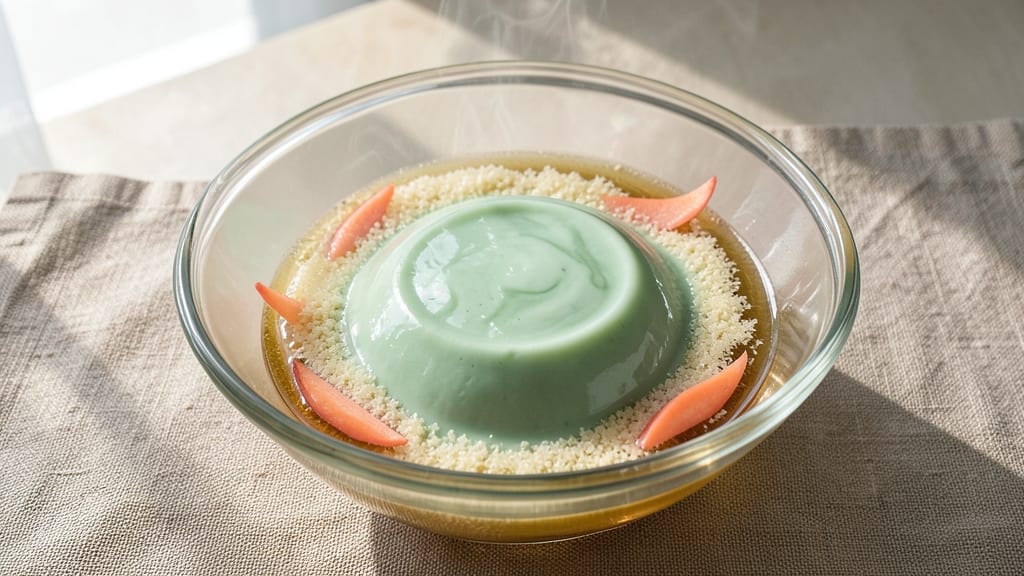
This silky smooth steamed egg recipe transforms simple ingredients into a luxurious, cloud-like dish with whipped yolk centers and deep umami flavor. The secret lies in precise steaming—creating a delicate custard that’s both delicate and rich, with a texture unlike anything you’d find in a typical egg dish.
I developed this technique after years of experimenting with traditional chawanmushi methods, refining it to perfection for home cooks.
The magic happens in the custard base, where a blend of eggs, broth, and cornstarch creates the signature silky texture. Steaming at low heat ensures even cooking without breaking the delicate structure, while a touch of soy sauce and dashi powder adds that essential umami depth.
This isn’t just a side dish—it’s a centerpiece that elevates any meal with its velvety mouthfeel and savory richness.
What makes this recipe stand out is the foolproof technique—no special equipment needed, just a steamer and patience. The result? A golden, jiggly yolk encased in a tender, custard-like exterior that practically melts on your tongue.
Perfect for brunch, as a light main course, or even as a sophisticated appetizer, this dish proves that vegetarian meals can be just as indulgent as their meat-based counterparts.
Once you master this method, you’ll never go back to scrambled or fried eggs again. The precision in timing and temperature is the key to success, but the reward—a dish that’s both elegant and comforting—is worth every minute. Let’s get started on creating your own whipped yolk clouds.
Ingredients for silky smooth steamed egg
Six eggs, precise ratios, and delicate technique create this luxurious vegetarian centerpiece.
| Ingredient | Amount | Notes |
|---|---|---|
| Large Eggs 🥚 | 6 whole | Room temperature, separated yolks and whites |
| Vegetable Dashi Powder 🍃 | 1 tbsp | For umami depth, vegetarian-friendly |
| Light Soy Sauce 🥢 | 1 ½ tbsp | Kikkoman preferred for balance |
| Cornstarch 🌾 | 1 ½ tbsp | Fine grade for silky texture |
| Vegetable Broth 💧 | 1 cup | Homemade or low-sodium store-bought |
| Mirin 🍶 | 1 tbsp | Sweet rice wine for balance |
| Sesame Oil 🫒 | ½ tbsp | Toasted for aroma, not cooking |
| White Miso Paste 🧈 | 1 tbsp | Kuzu miso for authentic flavor |
| Salt 🧂 | ¼ tsp | Diamond Crystal preferred |
| Black Pepper 🌶️ | ⅛ tsp | Freshly cracked for heat |
| Vegetable Oil 🫒 | 1 tbsp | For greasing molds |
| Fresh Chives 🌿 | 2 tbsp | Finely chopped for garnish |
The eggs are the foundation—use large, fresh eggs with vibrant yolks for optimal texture. For the dashi powder, Honten or Marukome brands provide the most authentic umami without animal products. Soy sauce should be light and high-quality; Kikkoman or Pearl River Bridge are reliable choices. The cornstarch is critical for achieving that signature silky mouthfeel—Bob's Red Mill is a dependable brand that dissolves smoothly without clumping. When selecting vegetable broth, opt for brands with rich depth like Pacific Foods or Imagine, and avoid those with added MSG if you prefer a cleaner flavor profile.
No dashi powder? Combine 1 tsp mushroom powder with 1 tsp seaweed flakes as a substitute. Running short on mirin? Rice vinegar plus 1 tsp sugar mimics its sweet-tart balance. For the miso, white miso paste is essential—red miso will overpower the delicate flavors. The sesame oil should be toasted; Kadoya or La Choy brands are widely available. When separating eggs, ensure no yolk breaks into the whites, as this can create cloudiness in the final texture. The vegetable oil for greasing should be neutral in flavor—avocado or canola oil work best.
Freshly prepared custard should be steamed immediately for optimal texture. Store any unused egg whites in an airtight container with a damp paper towel for up to 3 days in the fridge. The steamed eggs keep well in the refrigerator for 2 days if stored in a sealed container with a thin layer of water to prevent drying. For longer storage, freeze the custard mixture before steaming—it will maintain its texture when reheated properly. When reheating, use a gentle warm setting to avoid overcooking the delicate centers.
Why You'll Love This Recipe
- No Fuss, No Fail: I swear by this—just whisk eggs with a pinch of dashi and soy, steam for 12 minutes, and boom. No cracking, no scrambling, no stress. Even if I’m half-asleep at 6 AM, these turn out perfect every time.
- Umami Bomb: That vegetable dashi powder? It’s the secret weapon—deep, savory, and so subtly rich you’ll want to eat it straight from the bowl. The soy sauce adds just enough saltiness to balance the silky texture, like a hug for your taste buds.
- Lunchbox Hero: Pack these cold the next day and they’ll still taste like you made them fresh. My kids actually ask for them in their bento boxes—no sad, watery eggs here. The cornstarch keeps them firm enough to slice neatly, too.
- Pantry Magic: Five ingredients, all cheap and lasting. I make a double batch on Sundays, reheat slices in a pan for quick breakfast, or toss them into stir-fries. Zero waste, zero guilt, all flavor.
Step-by-step instructions for whipped yolk clouds with umami depth
Mastering this technique transforms ordinary eggs into delicate, cloud-like custards with perfect texture.
Prepare the Egg Yolks and Umami Base
In a heatproof bowl, whisk together the 6 whole Large Eggs (room temperature) and the 1 tbsp Vegetable Dashi Powder until fully combined. This step develops the umami foundation that distinguishes this recipe from basic steamed eggs. The dashi powder will dissolve completely, creating a smooth base for the custard.
In a separate small bowl, combine the 1.5 tbsp Light Soy Sauce, 1 tbsp Mirin, 1 tbsp White Miso Paste, 0.25 tsp Salt, and 0.125 tsp Black Pepper. Whisk until the miso paste is fully incorporated and the mixture is homogeneous. This umami blend will infuse the custard with depth while balancing sweetness and saltiness. The miso paste should be smooth—if it's lumpy, strain it through a fine-mesh sieve before proceeding.
Create the Silky Texture with Cornstarch
Gradually whisk the umami mixture into the egg yolks, combining thoroughly. In a separate bowl, whisk together the 1.5 tbsp Cornstarch with 1 cup Vegetable Broth until the cornstarch is completely dissolved and no lumps remain. This slurry is critical for achieving the signature silky texture—cornstarch acts as a natural thickener that prevents the custard from becoming watery during steaming.
Slowly pour the cornstarch slurry into the egg mixture while whisking constantly. The goal is to create a smooth, pourable batter with a velvety consistency. If you notice any resistance or thickness, whisk vigorously for an additional 30 seconds to ensure uniformity. The mixture should coat the back of a spoon but still flow easily when poured.
Steam to Perfect Doneness
Grease four 4-ounce ramekins or heatproof molds with 1 tbsp Vegetable Oil, ensuring the entire interior is coated. Divide the egg mixture evenly among the ramekins, filling each about ¾ full. Place the ramekins in a steamer basket lined with parchment paper, ensuring they don't touch each other or the sides of the basket.
Bring 2 inches of water to a gentle simmer in a pot, then place the steamer basket on top. Cover with a tight-fitting lid and steam over medium-low heat for 12-15 minutes. The custards are perfectly done when they've just set but still have a slight wobble in the center—this indicates they're silky rather than firm. Oversteaming will result in dry, rubbery texture, so watch closely during the final 2 minutes of cooking.
Finish with Sesame Oil and Garnish
Remove the ramekins from the steamer and let them rest for 5 minutes at room temperature. This resting period allows the custards to set completely while maintaining their delicate texture. Gently run a knife around the edges to loosen them from the ramekins, then invert each onto a serving plate.
Drizzle each custard with 0.5 tbsp Sesame Oil (divided evenly) and garnish with 2 tbsp Fresh Chives, finely chopped. The sesame oil adds a nutty aroma that complements the umami depth, while the chives provide a fresh, bright contrast. Serve immediately while the custards are still warm—this is when their texture is at its peak, with a light, airy mouthfeel that melts on the tongue.
Pro Tips For Making Silky Smooth Steamed Egg
- Whisk Eggs Cold: Beat the eggs at room temperature—yes, even if you’re impatient—because cold eggs turn gummy when steamed. I used to rush this and ended up with a dense, rubbery mess instead of that signature silky texture. Take 10 minutes to let them sit in warm water first if your kitchen’s chilly.
- Prep Dashi First: Dissolve the vegetable dashi powder in warm broth before adding it to the egg mixture—this prevents clumping and ensures it blends smoothly. I learned this the hard way when my first batch had weird gritty bits. Stir it into a small cup of hot broth, then pour into the eggs.
- Steam on Medium Heat: Don’t blast that steamer—medium heat is your friend. Too hot, and the eggs curdle; too low, and they turn out watery. Keep the water in the pot at a gentle simmer, and if you’re using a bamboo steamer, add a splash of broth to the water to maintain humidity.
- Cornstarch Timing Matters: Mix the cornstarch into the egg after adding the broth and soy sauce, not before. This keeps the texture velvety instead of starchy. I was skeptical until I tried it—now it’s non-negotiable for that restaurant-quality smoothness. Stir it in last, then beat briefly to avoid lumps.
Flavor customization for this recipe
Sweet & Tangy Twist
Add 1 tbsp honey or agave syrup to the umami base for a delicate sweetness that balances the savory depth. I like using raw local honey for floral notes that complement the miso and soy.
For extra tang, increase the mirin to 2 tbsp—this creates a bright, citrusy contrast that brightens the custard's richness. 🍯
Spicy Kick Options
Introduce heat with ½ tsp chili crisp or 1 tsp gochujang mixed into the umami blend. For a smoky-spicy profile, add ¼ tsp smoked paprika along with the black pepper.
If you love fresh heat, top each custard with 1 tbsp finely chopped Thai basil and a tiny pinch of cayenne pepper before serving.
Herb-Infused Variations
Swap chives for tarragon or chervil in the garnish—these herbs add an anise-like sweetness that pairs beautifully with the umami. For a more robust flavor, infuse the vegetable broth with 1 sprig thyme and 1 bay leaf while heating.
Strain before using to keep the custard smooth. I find fresh dill works surprisingly well too.
Cheesy Depth Layer
Fold 2 tbsp crumbled feta or 1 tbsp mascarpone cheese into the custard mixture before steaming for a creamy, tangy dimension. The cheese melts into the custard during steaming, creating pockets of richness.
For a stronger flavor, use aged goat cheese—just reduce to 1 tbsp to avoid overpowering the delicate texture.
Smoky Umami Boost
Replace half the vegetable broth with smoked vegetable broth (or add ½ tsp liquid smoke to regular broth) for a subtle smokiness. For a bolder approach, add 1 tbsp miso caramel to the umami base—this deepens the savory notes while adding a touch of sweetness.
The smoky variation works especially well with the spicy kick option.
Vegetable-Inspired Flavors
Blend 2 tbsp puréed roasted red peppers or 1 tbsp sun-dried tomato paste into the custard for a vegetable-forward twist. These additions add natural sweetness and acidity that complement the umami.
For a fresh vegetable note, stir in 1 tbsp finely chopped asparagus tips—they'll soften during steaming but retain a subtle crunch. 🌱
Nutrition facts
Frequently asked questions about silky steamed eggs
Why do my steamed eggs turn out rubbery instead of silky?
Oversteaming is the most common cause—these delicate custards need precise timing (12-15 minutes max) at medium-low heat. The mixture should have a slight wobble when done. Also ensure your cornstarch slurry is completely smooth (no lumps) and your broth isn't boiling vigorously during steaming.
Can I make this recipe without a steamer basket?
Use a colander with 2-inch legs over a pot of simmering water, or create a makeshift steamer with a heatproof plate over a pot. The key is maintaining gentle steam—never let the water boil hard. A microwave steaming rack also works well for small batches.
How do I prevent the custards from sticking to ramekins?
Grease ramekins thoroughly with vegetable oil, then dust with cornstarch or flour. For extra insurance, place parchment paper circles in the bottom before adding the custard. Also ensure ramekins are completely dry before filling—they should be at room temperature, not cold from the fridge.
What's the best way to reheat leftover steamed eggs?
Gently warm in a 200°F oven for 5-8 minutes or steam for 3-4 minutes**. Microwaving can make them rubbery. For best texture, serve within 2 days of making. If storing, keep custards submerged in water in an airtight container to maintain moisture.
Can I substitute regular soy sauce for light soy sauce?
While it'll work, light soy sauce has a milder, sweeter profile that balances the umami better. Regular soy sauce is saltier and more concentrated—use only 1 tbsp instead of 1.5 tbsp and consider adding ½ tsp sugar to compensate. The texture won't be affected, just the flavor depth.