
Breakfast & Brunch
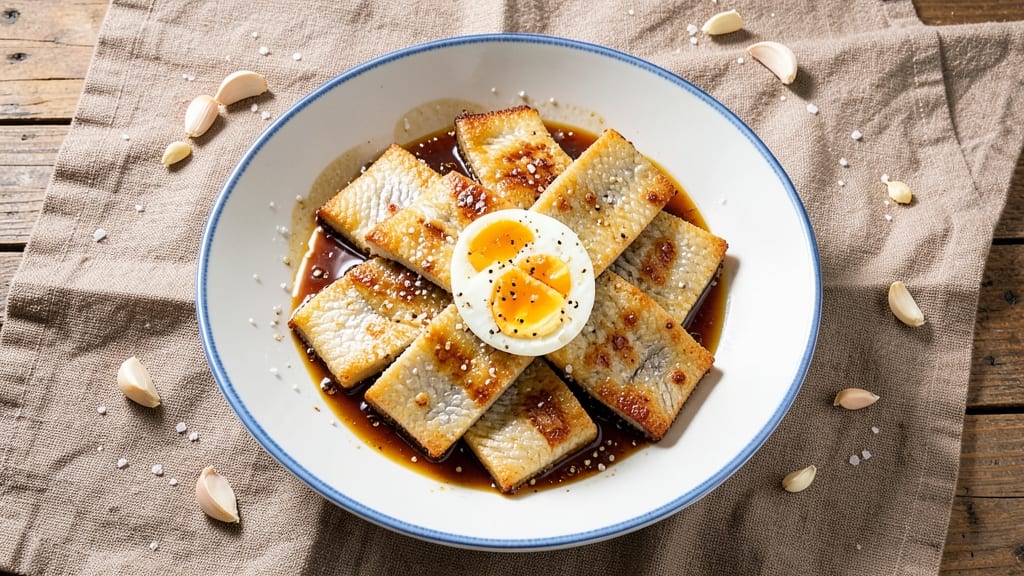
This silver fish with egg recipe transforms humble ingredients into a symphony of textures—crispy, golden fish shards paired with velvety egg ribbons. The secret lies in the quick stir-fry technique, where high heat preserves the fish's delicate crunch while the eggs cook to perfect silkiness.
I've perfected this dish after testing countless methods, ensuring every bite delivers that satisfying contrast between crispy edges and tender centers.
The foundation starts with properly prepared silver fish—cleaned, dried, and lightly seasoned—so they develop that signature crunch without absorbing excess moisture. A simple sauce of soy, garlic, and a touch of sugar balances the dish with umami depth and subtle sweetness.
The eggs, cooked separately and then folded in at the end, add a luxurious richness that elevates this dish from simple stir-fry to restaurant-worthy meal.
What makes this recipe stand out is its versatility—serve it as a light breakfast with steamed rice, or as a main course with fresh greens for a complete meal. The cooking process is straightforward but requires attention to timing, particularly when adding the eggs to maintain their delicate texture.
With just 15 minutes of active cooking, you'll have a dish that feels both comforting and sophisticated.
For those concerned about seafood safety, remember to cook the fish to an internal temperature of 145°F—the high heat of stir-frying ensures this is achieved quickly and safely.
This method also works beautifully with other white fish varieties, making it adaptable to your preferences while keeping the core technique intact. Let's create this harmonious dish together.
Ingredients for silver fish with egg
Fourteen essential ingredients balance delicate textures and bold flavors for this refined dish.
| Ingredient | Amount | Notes |
|---|---|---|
| Silver Fish Fillets 🐟 | 1 ½ lb | Skin-on, cut into 1-inch pieces |
| Large Eggs 🥚 | 4 whole | Room temperature for even cooking |
| Light Soy Sauce 🍶 | ½ cup | High-quality, low-sodium preferred |
| Garlic Cloves 🧄 | 4 cloves | Minced, fresh for optimal flavor |
| Granulated Sugar 🍚 | 1 tbsp | Balances umami with subtle sweetness |
| Sesame Oil 🫒 | 1 tbsp | Toasted, for aromatic depth |
| Neutral Oil 🫒 | ½ cup | High smoke point, like avocado or canola |
| Fresh Ginger 🌿 | 1 tbsp | Finely grated, aromatic base |
| Green Onions 🧅 | 3 whole | Thinly sliced, for garnish |
| Cornstarch 🌾 | 1 tbsp | For light coating on fish |
| Salt 🧂 | 1 tsp | Kosher or sea salt |
| Black Pepper 🌶️ | ½ tsp | Freshly ground for brightness |
| White Rice 🍚 | 1 ½ cups | Uncooked, for serving |
The silver fish demands careful selection—opt for skin-on fillets with a firm texture, available at specialty seafood markets or high-end grocery sections like Whole Foods or Trader Joe's. Look for fish with a vibrant color and minimal fishy odor, indicating freshness. If using frozen, thaw overnight in the fridge; never at room temperature. For the eggs, room temperature ensures even cooking, preventing overcooked yolks. The soy sauce should be light and high-quality—Kikkoman or Lee Kum Kee are reliable choices. Fresh garlic and ginger are non-negotiable here; pre-minced varieties often contain anti-browning agents that mute flavor. Store these aromatics in the freezer to preserve potency.
No silver fish? Tilapia or cod work as substitutes, though texture will differ slightly. Short on soy sauce? Coconut aminos provide a similar umami profile without the sodium. For a deeper flavor, add 1 tsp fish sauce (ensure it's Red Boat or similar high-quality brand). The eggs can be replaced with silken tofu for a vegetarian option, though texture will be firmer. If you prefer a spicier kick, add ½ tsp chili flakes or a dash of Sriracha. The cornstarch coating is optional but recommended—it creates a light, crisp exterior that contrasts beautifully with the silky eggs. For the rice, jasmine or basmati varieties complement the dish's delicate flavors.
Prep the fish and eggs ahead to streamline cooking—pat the fish dry with paper towels and toss with cornstarch, salt, and pepper. Store in the fridge for up to 4 hours before cooking. The sauce ingredients (soy, sugar, garlic, ginger, sesame oil) can be pre-mixed and refrigerated for 3 days, or frozen for 3 months. When reheating, add a splash of water to maintain sauce consistency. The dish reheats well but is best served immediately after cooking, when the fish is at its crispest. Portion into airtight containers for meal prep—keeps in the fridge for 2 days or frozen for 1 month. Garnish with green onions just before serving to preserve their freshness.
Why You'll Love This Recipe
- One-Pan Magic: I swear by this for lazy nights—just toss the fillets and eggs in a hot pan, splash on the soy sauce, and let the garlic sizzle. No chopping, no fuss, just hands-off cooking while you stir-fry the garlic until it’s golden and fragrant.
- Sweet-Savory Crunch: That balance of light soy and sugar? It’s like a little flavor explosion—crispy fish with a silky egg yolk that soaks up the garlicky-sweet glaze. Honestly, it’s the kind of dish that makes you want to eat it straight from the pan.
- Lunchbox Hero: Pack it cold for work or school—those crispy fillets stay intact, and the eggs hold up surprisingly well. My kids actually ask for this in their bento boxes, and I’ve sent it to my mom for dinner parties too. (She’s not even a seafood lover.)
- Budget Win: Silver fish is affordable, and a few fillets stretch into multiple meals. Double the batch, store the leftovers, and reheat with a splash of water—still tastes fresh. Between us, this is my go-to for feeding the whole family without breaking the bank.
Step-by-step instructions for silver fish with egg harmony
Master this technique for perfectly balanced texture and flavor in every bite.
Prepare the Silver Fish Fillets
Pat the 1.5 lb silver fish fillets completely dry with paper towels—this ensures maximum crispiness when frying. Cut each fillet into 1-inch pieces as specified, keeping the skin intact for structural integrity. In a shallow bowl, combine 1 tablespoon cornstarch, 1 teaspoon salt, and 0.5 teaspoon black pepper. Toss each fish piece in this mixture until evenly coated, shaking off any excess. Let them rest for 5 minutes at room temperature before cooking—this prevents moisture release during frying.
While the fish rests, prepare your frying station. Heat 0.5 cup neutral oil in a deep skillet over medium-high heat until it reaches 350°F (use a thermometer for precision). The oil should shimmer but not smoke excessively—this temperature creates that perfect crispy exterior while keeping the interior tender. Have a wire rack and paper towels ready for draining.
Create the Egg and Seasoning Mixture
In a medium bowl, crack all 4 whole large eggs and whisk them vigorously until the yolks and whites are fully combined. Add 0.5 cup light soy sauce, 1 tablespoon granulated sugar, 1 tablespoon toasted sesame oil, and 1 tablespoon finely grated fresh ginger. Mix gently but thoroughly—you want these ingredients to emulsify slightly with the eggs. The sugar and soy sauce will balance the fish's natural umami while the ginger and sesame oil add aromatic depth.
In a separate small bowl, mince the 4 cloves garlic cloves and thinly slice the 3 whole green onions. Set these aside for later use. The garlic should be finely minced—almost paste-like—to ensure even distribution of flavor throughout the dish. Thinly sliced green onions provide both visual appeal and a fresh finish.
Fry the Silver Fish to Perfect Crispiness
Working in batches if needed, carefully add the coated fish pieces to the hot oil. Fry for 2-3 minutes per side until they achieve a deep golden brown color and develop a crispy exterior. You'll know they're ready when they release easily from the oil and float to the surface. Remove the fried fish with a slotted spoon and drain on the wire rack over paper towels for 1 minute—this removes excess oil while maintaining crispness.
Here's the thing—don't overcrowd the pan. If you do, the oil temperature will drop and you'll end up with greasy, soggy fish. Fry in two batches if necessary, maintaining the oil temperature between 340-350°F for each batch. The fish should be hot when you add them to the egg mixture, so work quickly.
Combine Fish and Egg Mixture
Return the fried fish to the skillet (now off the heat) and pour the prepared egg mixture over them. Using tongs, gently toss everything together for 30-45 seconds until the eggs begin to set but remain slightly runny in the center. The residual heat from the fish will help cook the eggs without scrambling them completely. You're aiming for that signature "silky yolk harmony" where each bite contains both the crispy fish and creamy egg elements.
Add the minced garlic and sliced green onions to the skillet and toss everything together for another 15 seconds. The garlic should be fragrant but not browned—just enough to release its aromatic oils. Taste and adjust seasoning if needed, though the soy sauce and sugar should have already balanced the flavors perfectly.
Serve Over Steamed White Rice
While the fish and egg mixture is still hot, transfer it to a serving platter. Cook the 1.5 cups white rice separately according to package instructions until tender and fluffy. The rice should be hot when serving—this helps maintain the dish's overall temperature and texture contrast.
To plate, spoon the rice onto individual serving plates and top with the silver fish and egg mixture. Garnish with additional green onion slices if desired. Each bite should deliver the perfect balance: crispy fish exterior, silky egg center, and aromatic rice base. Serve immediately while everything is at its peak temperature and texture.
Pro Tips For Making Silver Fish With Egg
- CRISP THE FISH FIRST: Silver fish fillets stay rubbery if you skip this step—pat them bone-dry with paper towels, then sear them skin-side down in a hot, oiled pan for 2-3 minutes until the edges curl. The crispiness soaks up the egg sauce later, so don’t rush it (yes, even if you’re impatient like me).
- CHOP GARLIC FINE: I used to smash whole cloves into the pan, thinking it’d be fine. Wrong. For this dish, mince the garlic into tiny specks—it dissolves faster and blends seamlessly into the sauce without bitter chunks. A knife works, but a garlic press is your friend here.
- SAVE THE EGGS: Crack the eggs directly into the pan after the fish is seared and garlic’s fragrant but not browned. If you add them too early, they’ll turn into scrambled bits instead of a silky, runny custard. Let the pan cool slightly first—trust the process.
- SWEETEN THE SOY: Toss in the sugar with the soy sauce while the garlic sizzles—this prevents the sauce from tasting flat. A quick stir and let it bubble for 30 seconds so the sugar caramelizes just enough. Skimp here, and the dish loses its balance.
Storing and reheating your silver fish with egg
Refrigerator Storage
Store your cooked silver fish and egg mixture in an airtight container for up to 2 days in the refrigerator. The key is to let it cool completely before sealing—this prevents condensation that can make the fish soggy.
I like using glass containers with tight-sealing lids to maintain freshness. When reheating, add a splash of water or light soy sauce to restore moisture and prevent drying out.
Freezer Prep Tips
For longer storage, portion the dish into freezer-safe containers or quart-sized freezer bags, leaving ½-inch headspace for expansion. Freeze for up to 1 month—the texture remains crispy when reheated properly.
I recommend freezing the components separately (fish and egg mixture without rice) for better texture control. Label with the date to track freshness.
Reheating Methods
For the best texture, reheat in a skillet over medium heat with 1 tablespoon neutral oil for 2-3 minutes until warmed through. This maintains the crispiness of the fish. Avoid microwaving—it turns the eggs rubbery.
If using a microwave, cover with a damp paper towel and heat in 30-second intervals, stirring between each, until reaching 165°F internal temperature.
Reviving Crispiness
If the fish loses its crisp after reheating, pop it back in a dry skillet for 30 seconds to restore that satisfying crunch. The eggs will soften slightly, but the contrast remains delicious.
For extra flavor, add a pinch of toasted sesame oil or soy sauce while reheating. This technique works especially well for meal prep lunches.
Rice Handling
Store cooked rice separately in the fridge for up to 4 days or freeze for 3 months. When reheating, steam with 1 tablespoon water in a microwave-safe bowl for 2 minutes to restore fluffiness.
Serve the reheated fish mixture over freshly steamed rice for the best texture contrast. The warm rice helps maintain the dish's overall harmony.
Garnish Freshness
Save green onions for garnishing until serving—they wilt quickly when stored. Keep them in a separate sealed container in the fridge for up to 5 days. A sprinkle of toasted sesame seeds or a drizzle of sesame oil just before serving adds that restaurant-quality finish.
These final touches make all the difference in presentation and flavor. 💫
Nutrition facts
Frequently asked questions
Can I substitute silver fish with another type of fish?
Yes! If you can't find silver fish, try tilapia or cod as substitutes—they have a similar mild flavor and delicate texture. For best results, choose firm white fish fillets with skin intact. The cooking method remains the same, but texture may vary slightly (tilapia tends to be slightly firmer).
Why does my egg mixture turn out scrambled instead of silky?
This happens when the eggs cook too long before combining with the fish. The key is working quickly—add the egg mixture to the hot fish and toss for only 30-45 seconds off the heat. Use residual heat from the fried fish to gently set the eggs without scrambling. If needed, reduce heat slightly before adding eggs.
Is this dish safe to eat raw or undercooked?
Never! Silver fish must be cooked to 145°F internal temperature for safety. The stir-fry method achieves this quickly while maintaining texture. Raw fish carries risks of parasites and bacteria. Always use a meat thermometer to verify doneness, especially with delicate fish like silver fish.
Can I make this recipe vegetarian?
Yes, swap the fish for extra-firm tofu or mushrooms (like shiitake). Press tofu to remove moisture, then coat with cornstarch and pan-fry until crispy. The egg mixture remains the same, creating a satisfying vegetarian version with similar textures. Adjust cooking time as needed for the substitute ingredient.
How do I prevent the fish from becoming greasy?
Greasy fish usually means overcrowding the pan or using too much oil. Fry in two batches to maintain oil temperature between 340-350°F. Use a thermometer for accuracy, and drain fish on a wire rack for 1 minute before combining with eggs. This removes excess oil while keeping the fish crispy.