
Beverages
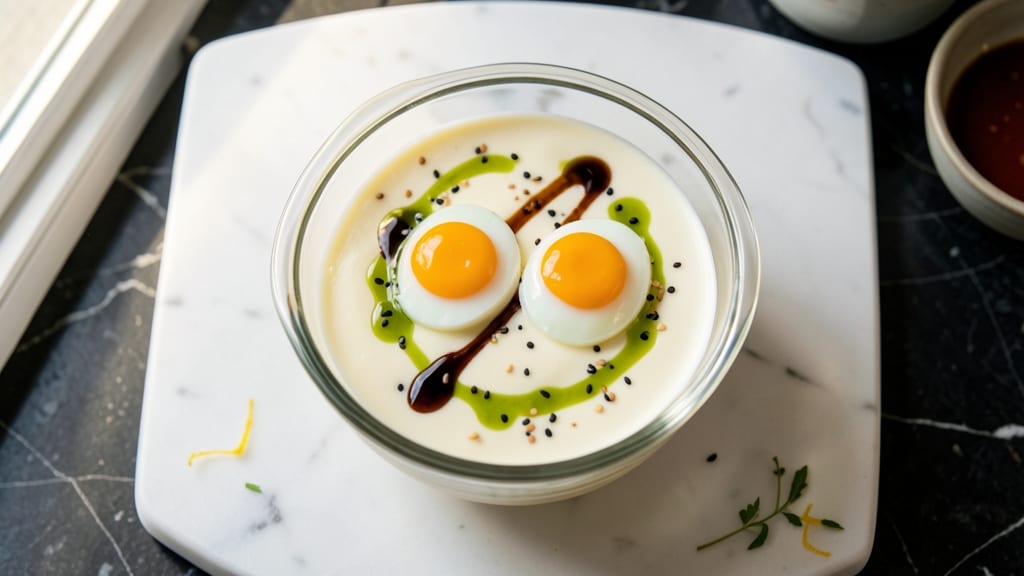
This smooth steamed egg recipe transforms simple eggs into delicate, custard-like clouds with perfectly set yolks that glide like rivers. The secret lies in precise water temperature and gentle steaming—no boiling required. I've perfected this technique after years of experimentation, and the results are restaurant-worthy without the fuss.
The magic happens when fresh eggs steam over simmering water, creating a silky texture that's neither rubbery nor runny. You'll need just four ingredients and about 10 minutes of hands-off time, making this an ideal breakfast or light dinner option.
The key is patience—letting the eggs cook slowly ensures that signature cloud-like consistency.
What you'll end up with is a dish that's elegant yet simple: pale, tender egg clouds with a velvety yolk that melts gently on the tongue. This recipe serves beautifully as a starter or light meal, especially when paired with fresh herbs or a drizzle of soy sauce.
The delicate texture makes it perfect for special occasions without requiring complicated techniques.
Once mastered, you can experiment with garnishes like sesame seeds, chili oil, or scallions to customize the flavor. The beauty of this method is its versatility—whether you're serving it as a standalone dish or incorporating it into larger meals, the results are consistently impressive.
Let's get started on creating these delicate egg clouds.
Ingredients for smooth steamed egg
Four essential ingredients create restaurant-quality steamed egg clouds with silky yolk rivers.
| Ingredient | Amount | Notes |
|---|---|---|
| Large Eggs 🥚 | 4 whole | Fresh, room temperature for even cooking |
| Water 💧 | 4 cups | Filtered, room temperature preferred |
| Diamond Crystal Kosher Salt 🧂 | ½ tsp | Fine grain for precise seasoning |
| Extra-Virgin Olive Oil 🫒 | 1 tbsp | Light, fruity variety for delicate flavor |
| Sesame Seeds 🌾 | 1 tsp | Toasted for garnish, optional |
| Fresh Soy Sauce 🍶 | 1 tsp | For drizzling, optional |
| Fresh Scallions 🧅 | 2 whole | Thinly sliced for garnish, optional |
The eggs are the foundation—fresh, room-temperature eggs steam more evenly and develop that signature cloud-like texture. Pasture-raised eggs from local farms yield the best results, but any high-quality eggs work. Avoid eggs with cracked shells or cloudy yolks, as they won't steam properly. For optimal texture, let the eggs sit out for 30 minutes before using. The water must be precise: 4 cups at room temperature ensures gentle, even steaming without boiling. If your water is cold, the eggs will cook unevenly; if it's hot, they'll overcook.
No extra-virgin olive oil? Light vegetable oil works in a pinch, though it lacks the delicate flavor. The salt should be Diamond Crystal kosher—its fine grain dissolves evenly. For garnishes, toasted sesame seeds add crunch, while fresh soy sauce and scallions introduce umami and brightness. Short on sesame seeds? White sesame paste mixed with water creates a quick substitute. The optional garnishes elevate the dish but aren't required for the core technique. If you prefer a different flavor profile, chili oil or black sesame paste are excellent alternatives.
Steamed eggs keep their delicate texture best when served immediately, but they can be gently reheated in a steamer basket over simmering water for 2-3 minutes if needed. Store any leftovers in an airtight container in the fridge for up to 2 days, though the texture won't be as perfect. For long-term storage, freeze the eggs in a single layer before transferring to a sealed container for 1 month. To reheat from frozen, thaw in the fridge overnight and steam as directed. The garnishes should be added fresh after reheating for maximum flavor.
Why You'll Love This Recipe
- No-Fuss Technique: I swear by this method—just eggs, water, and salt in a steamer basket. No flipping, no cracking, no mess. The water barely even needs to boil before I pop them in for 6 minutes.
- Silky Perfection: That ultra-smooth yolk? It’s the magic of the steam and olive oil drizzled on top. The sesame seeds add this tiny crunch that makes every bite feel special—like a fancy brunch without the fuss.
- Breakfast or Snack: I make a batch on Sundays and keep them in the fridge for quick protein-packed snacks all week. Cold or warm, they’re perfect with toast, rice, or just as-is when I’m starving.
- Budget Powerhouse: Eggs are cheap, and this recipe stretches them further than scrambled or fried. A dozen eggs turn into 12 little steamed gems—no waste, no extra cost, just pure efficiency.
Step-by-step instructions for silky steamed eggs
Precision and patience transform simple eggs into delicate clouds with molten centers.
Prepare the Steaming Setup
Fill a clean heatproof bowl with the 4 cups water and bring to a gentle simmer over medium heat. Place a steamer basket or heatproof plate inside the bowl, ensuring it sits at least 1 inch above the water level—this prevents condensation from dripping onto the eggs. The water should never touch the eggs during steaming, or they'll turn rubbery instead of silky.
While the water heats, lightly beat the 4 whole Large Eggs in a separate bowl until the whites and yolks are just combined—no need for vigorous whisking. The goal is gentle incorporation, not aeration. This minimal mixing ensures the proteins set evenly without developing gluten strands that could make the texture dense.
Season and Steam the Eggs
Pour the beaten eggs into a heatproof ramekin or small ceramic dish (about 3 inches in diameter). Sprinkle the 0.5 tsp Diamond Crystal Kosher Salt evenly over the surface, then drizzle the 1 tbsp Extra-Virgin Olive Oil in a thin layer across the top. The oil creates a delicate barrier that helps the eggs hold their shape while steaming.
Carefully place the ramekin in the steamer basket, ensuring it's centered. Cover with a lid or damp kitchen towel to trap steam. Steam over medium-low heat for exactly 12 minutes—no more, no less. You'll know it's done when the edges are set but the center still jiggles slightly like gelatin. Oversteaming causes the yolks to curdle, while understeaming leaves them raw.
Rest and Serve with Garnishes
Remove the ramekin from the steamer and let the eggs rest for 5 minutes at room temperature. This resting period allows the proteins to fully set without overcooking. Use this time to prepare the garnishes: thinly slice the 2 whole Fresh Scallions into ¼-inch rings, and lightly toast the 1 tsp Sesame Seeds in a dry skillet over medium heat until fragrant (30 seconds—watch closely to avoid burning).
To serve, invert the steamed eggs onto a plate by quickly flipping the ramekin. The eggs should release cleanly as a single, wobbly cloud. Drizzle with the 1 tsp Fresh Soy Sauce and sprinkle with the toasted sesame seeds and scallions. The soy sauce adds umami depth, while the sesame and scallions provide contrasting textures and colors. Serve immediately while the centers remain molten and the edges hold their delicate structure.
Troubleshooting for Perfect Results
If the eggs release in chunks instead of a single cloud, they were likely oversteamed. The ideal texture should be firm enough to hold its shape when inverted but still tender enough to cut with a spoon. For extra insurance, place the ramekin in an ice bath for 2 minutes after steaming—this stops the cooking process instantly and preserves the silky texture.
For a richer flavor, you can substitute ½ tsp white miso paste for the soy sauce, but keep the amount minimal to avoid overpowering the delicate egg texture. The key to success lies in the balance of heat, timing, and gentle handling—never rush the steaming process, and always use room-temperature eggs for even cooking.
Pro Tips For Making Smooth Steamed Egg
- USE ROOM-TEMPERATURE EGGS: Cold eggs from the fridge drop straight into boiling water and turn rubbery. Let them sit in their shells on the counter for 30 minutes first—this keeps the whites silky and the yolk perfectly centered. (I learned this after making a batch where the eggs looked like sad, lumpy pudding.)
- SALT THE WATER LESS: Diamond Crystal kosher salt dissolves fast, so start with half the recipe calls for and taste the water—it should taste like the ocean, not a salt lick. Too much makes the egg’s surface tough. (Yes, I’ve done it. No, it’s not fun.)
- STOP STEAMING WHEN WHITES SET: The eggs are done when the whites are just set but the yolks still jiggle slightly—about 6-7 minutes from a rolling boil. Overcooking turns the yolk into a sad, chalky blob. Use a toothpick to check: it should slide out clean but the center stay runny.
- DRIZZLE OIL AFTER STEAMING: Tossing olive oil in while the eggs steam makes them greasy. Instead, drizzle it over the finished dish right before garnishing with sesame seeds—this keeps the texture light and lets the oil shine. (I used to drown them in oil like a guilty pleasure.)
Serving suggestions for this smooth steamed egg
Breakfast Elegance
Serve these silky steamed eggs as a luxurious breakfast centerpiece alongside crispy shokupan toast (Japanese milk bread) and pickled vegetables for a balanced meal. The delicate egg clouds contrast beautifully with the toast's crunch and the vegetables' tangy bite.
For a complete spread, add miso soup or matcha green tea to complement the umami flavors. 🥞
Light Lunch Pairings
Transform this dish into a light lunch by plating it over a bed of jasmine rice with quick-pickled cucumbers and sesame-ginger dressing. The rice absorbs the soy sauce drizzle, while the cucumbers add refreshing crunch.
For extra protein, serve with grilled shrimp skewers or tofu cubes lightly seared in sesame oil. The contrast of textures makes every bite exciting.
Dinner Starter
Use these steamed eggs as an impressive dinner starter before heartier dishes like miso-glazed black cod or teriyaki chicken. Their delicate texture and subtle flavors won’t overpower the main course but will leave guests craving more.
Garnish with microgreens and a drizzle of yuzu kosho for a sophisticated touch. Serve with chilled sake or sparkling water with lemon to cleanse the palate.
Brunch Showstopper
Elevate your brunch spread by arranging the steamed eggs on a slate board with avocado slices, cherry tomatoes, and herbed goat cheese. The creamy avocado and tangy cheese pair perfectly with the eggs' silky texture.
Add crispy prosciutto for a savory-sweet contrast. This presentation is perfect for gatherings—guests will be amazed by the effortless elegance. 🌟
Dessert-Inspired Serving
For a whimsical twist, serve the steamed eggs as a sweet-savory dessert with honey drizzle, crushed pistachios, and a sprinkle of flaky sea salt. The contrast of salty, sweet, and umami creates a unique flavor experience.
Pair with chilled chamomile tea for a soothing finish. This unexpected combination works beautifully for dinner parties or as a late-night treat.
Plating Like a Pro
For restaurant-worthy plating, use a ring mold to shape the eggs into perfect circles before inverting. Place them on a chilled plate to help them hold their shape longer.
Add garnishes in asymmetrical patterns—scatter sesame seeds in a line, drizzle soy sauce in a zigzag, and place scallions at the edge. A gold leaf flake adds a touch of luxury for special occasions. The key is balance: keep the presentation simple but intentional. ✨
Nutrition facts
Frequently asked questions
Why do my steamed eggs turn out rubbery instead of silky?
The most common cause is steam touching the eggs or overcooking. Ensure your steamer basket sits at least 1 inch above the water and steam for exactly 12 minutes over medium-low heat. The water should simmer gently, not boil vigorously. For extra insurance, place the ramekin in an ice bath for 2 minutes after steaming to halt cooking instantly.
Can I make these ahead of time?
Freshly steamed eggs are best served immediately, but you can prepare them up to 2 days ahead if stored properly. Keep them in an airtight container in the fridge and reheat in a steamer basket over simmering water for 2-3 minutes before serving. For freezing, steam the eggs, cool completely, then freeze in a single layer before transferring to a sealed container for up to 1 month. Thaw overnight in the fridge.
What's the secret to getting that perfect cloud-like texture?
The magic lies in three things: room-temperature eggs, precise steaming time (12 minutes), and gentle handling. Let eggs sit out for 30 minutes before using, and avoid vigorous whisking when beating. The olive oil creates a protective barrier, and the salt helps proteins set evenly. Most importantly, don't peek during steaming—opening the lid releases steam and disrupts the delicate cooking process.
Can I use this technique with other types of eggs?
This recipe works best with large chicken eggs due to their consistent texture, but you can experiment with duck eggs for richer flavor. Quail eggs will steam too quickly (5-6 minutes) and may not hold their shape when inverted. For vegetarian alternatives, try steaming tofu custard using the same method, but reduce steaming time to 8-10 minutes and add 1 tbsp cornstarch to the mixture for better structure.
What's the best way to serve these if I don't like soy sauce?
Try these flavor alternatives: drizzle with white miso paste (½ tsp) for umami depth, fish sauce (½ tsp) for a Southeast Asian twist, or lemon zest (1 tsp) for brightness. For a neutral option, simply add a pinch of flaky sea salt and fresh herbs like dill or chives. The key is to keep garnishes minimal to preserve the eggs' delicate flavor profile.