
Breakfast & Brunch
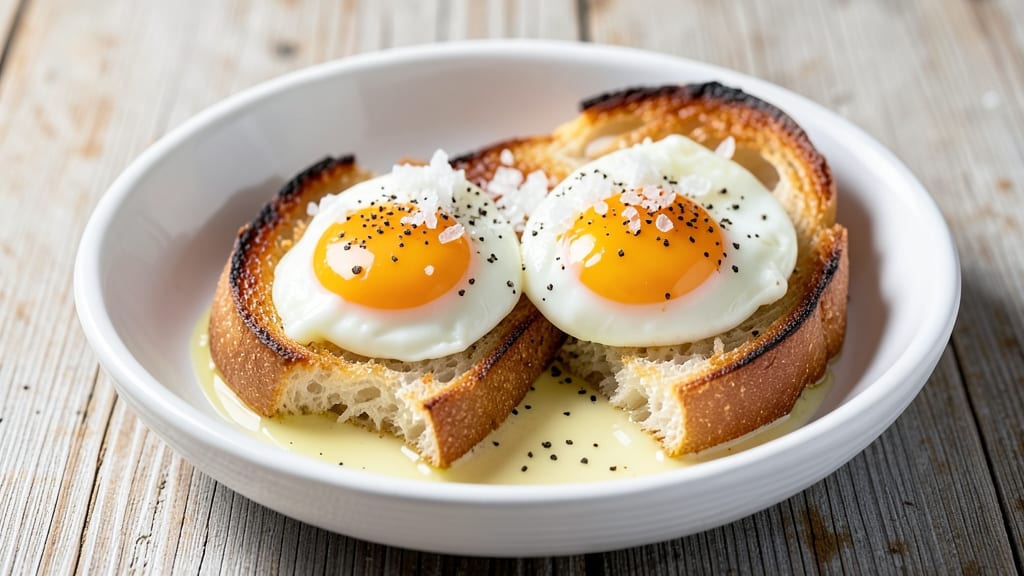
This soft egg recipe delivers the perfect balance of silky yolk and crispy toast in just minutes—no overcooked yolks or rubbery whites here. The secret lies in precise temperature control and timing, ensuring a runny center that pairs beautifully with buttery toast.
I’ve perfected this method after years of trial and error, and it never fails to impress. What sets this recipe apart is the simplicity of the technique: a gentle simmer for soft-boiled eggs or a quick poach for custard-like perfection.
The key is using room-temperature eggs and a steady water temperature—no guesswork, just foolproof results. Every bite is a mix of creamy, velvety yolk and golden toast, making it the ideal breakfast or brunch centerpiece.
The result is a dish that’s both elegant and effortless, with a yolk so rich it practically melts onto your plate. Whether you’re serving it with avocado toast, fresh greens, or a sprinkle of flaky salt, this recipe elevates a simple meal into something special.
The crispy toast adds the perfect contrast to the soft eggs, creating a texture that’s impossible to resist. Ready in under 10 minutes, this recipe is perfect for weekdays or weekend brunches. Here’s how to achieve that perfect silky yolk every time.
Ingredients for soft egg
Four eggs, crispy toast, and a sprinkle of magic—just minutes to breakfast bliss.
| Ingredient | Amount | Notes |
|---|---|---|
| Large Eggs 🥚 | 4 whole | Room temperature preferred |
| Unsalted Butter 🧈 | 4 tbsp | Cold, for crispy toast |
| Baguette Slices 🍞 | 4 pieces | Thinly sliced, crusty bread |
| Flaky Sea Salt 🧂 | 1 tsp | For finishing crispy toast |
| Freshly Ground Black Pepper 🌶️ | ¼ tsp | Freshly cracked for brightness |
| White Vinegar 🍶 | 1 tbsp | For poaching water |
| Granulated Sugar 🍚 | 1 tsp | Optional, for poaching water |
| Avocado Slices 🥑 | 2 pieces | Optional garnish |
| Fresh Chives 🌿 | 2 tbsp | Chopped, for garnish |
| Red Pepper Flakes 🌶️ | ¼ tsp | Optional, for heat |
| Ice Water ❄️ | 1 cup | For shocking eggs |
| Lemon Juice 🍋 | 1 tsp | For finishing eggs |
The eggs are everything here. Room-temperature eggs cook more evenly—pop them out of the fridge 15 minutes before cooking. Look for organic or pasture-raised eggs at Whole Foods or your local farmers' market if you want that extra-rich yolk. The yolk color doesn't matter, but freshness does—crack one open, and if the white spreads like water, it's time for new eggs. For the toast, baguette or sourdough gives the best crunch, but any crusty bread works. Toast it until golden brown—it should crackle when you press it.
No vinegar? White wine or lemon juice works in a pinch for poaching. Running out of butter for toast? Olive oil or coconut oil gives a slightly different flavor but still delivers crispiness. Fresh chives? Dried chives or parsley at half the amount will work, but nothing beats the fresh stuff. The red pepper flakes are optional, but if you love heat, go for the good stuff from Penzeys—it's worth the extra kick. And if you're making this for a crowd, double the eggs and toast—just keep the water temperature steady for perfect results every time.
Eggs cook in minutes, but the magic happens in the timing. Shock them in ice water for 30 seconds after cooking to stop the yolks from overcooking. Store leftover eggs in the fridge for up to 2 days, but honestly, they're best fresh. Toast keeps best at room temperature in a bread bag for 1 day, but it's best eaten crispy and warm. For meal prep, toast the bread ahead and reheat in a toaster or oven until crispy again—just 2 minutes at 350°F. The eggs? Make them fresh, or you'll lose that silky texture.
Why You'll Love This Recipe
- Here’s what sold me: that first bite of warm baguette with the egg yolk still runny, the butter pooling under it like a golden blanket. The flaky sea salt? It’s the secret—cuts through the richness and makes it taste like you actually put in effort (even though you didn’t).
- Five-Ingredient Magic: I swear by this—just eggs, butter, bread, salt, and pepper. That’s it. No fancy prep, no measuring cups, no stress. The butter melts into the eggs while the bread toasts, and suddenly you’ve got something that tastes like a fancy brunch without the fuss.
- Buttery Crispy Luxury: Here’s what sold me: that first bite of warm baguette with the egg yolk still runny, the butter pooling under it like a golden blanket. The flaky sea salt? It’s the secret—cuts through the richness and makes it taste like you actually put in effort (even though you didn’t).
- Breakfast or Snack: Honestly, I make this for everything. Morning breakfast? Check. Late-night snack when I’m craving something warm? Also check. Even at picnics—just pack the eggs raw, toast the bread on-site, and boom. It’s the ultimate no-plate-required meal.
Step-by-step instructions for silky poached eggs with crispy toast
Here's how to make restaurant-quality soft eggs with perfectly crispy toast in just minutes.
Prepare the Poaching Water
Fill a small saucepan with 4 cups water (enough to come about 1 inch up the sides when eggs are added). Add the 1 tablespoon white vinegar and 1 teaspoon granulated sugar (if using) and bring to a gentle simmer over medium-low heat. The vinegar helps the egg whites coagulate faster, while the sugar adds subtle sweetness to balance the richness.
Keep the water at a gentle simmer, not a rolling boil—you want tiny bubbles breaking the surface, not vigorous bubbles. This controlled temperature prevents the eggs from breaking apart while keeping the yolks perfectly runny. Have the 1 cup ice water ready in a separate bowl for shocking the eggs later.
Toast the Baguette Slices
While the water heats, melt the 4 tablespoons unsalted butter in a dry skillet over medium heat. Add the 4 pieces baguette slices and toast for 2-3 minutes per side until deep golden brown and crispy. I press down gently on the slices during the first minute—this prevents them from curling and ensures even contact with the pan.
When the toast is perfectly crisp, transfer it to a plate and season immediately with the 1 teaspoon flaky sea salt and ¼ teaspoon freshly ground black pepper. The salt should melt slightly into the warm butter, creating that perfect salty crust. Keep the toast warm while you cook the eggs.
Poach the Eggs to Perfection
Crack each of the 4 whole large eggs into a small bowl (this prevents shell fragments from falling into your poaching water). Once the water is at a gentle simmer, carefully slide each egg into the water using a spoon. The water should barely ripple—if it bubbles vigorously, your heat is too high. Poach for 3-4 minutes until the whites are set but the yolks remain completely liquid.
Here's the thing—don't overcook! The eggs will continue cooking slightly when you transfer them to the toast. Use a slotted spoon to lift each egg out and immediately transfer it to the 1 cup ice water for 30 seconds. This shocking step stops the cooking process instantly, keeping those yolks silky and runny. Drain the eggs on a paper towel.
Assemble and Finish
Place each crispy toast slice on a plate and top with a perfectly poached egg. Drizzle with a tiny bit of the remaining melted butter from the pan, then finish with the 2 tablespoons chopped fresh chives, 2 pieces avocado slices, and a pinch of red pepper flakes if you like a little heat. The contrast of crispy toast and silky yolk is what makes this dish so special.
For that final touch, squeeze a little lemon juice over each egg—it brightens the flavors and cuts through the richness. Serve immediately while the toast is still crisp and the yolks are warm and liquid. This is the moment that matters: each bite should deliver that perfect combination of textures and flavors.
Pro Tips For Making Soft Egg
- CRACK EGGS ROOM-TEMP: Cold eggs from the fridge drop straight into the pan like rocks and won’t spread properly. Let them sit in their shells on the counter for 10-15 minutes first—warm eggs glide into the butter like silk, giving you that perfect thin, even layer instead of a lumpy mess.
- USE BUTTER’S WATER: That butter’s got moisture, and it’s your friend. After melting the butter in the pan, let it foam and bubble for 30 seconds—it’s preheating the pan and creating steam. This keeps the eggs ultra-soft while toasting the baguette slices at the same time. (Yes, even if you’re impatient like me.)
- TOAST BREAD FIRST: I learned this the hard way—tossing raw bread into the pan with the eggs just makes a soggy disaster. Instead, toast your baguette slices in the same pan for 30 seconds before adding the eggs. The butter will crisp them up, and they’ll soak up the egg goodness without turning to mush.
- SALT THE PAN: Skip the flaky sea salt until the very end—it’s for garnish, not seasoning. Instead, sprinkle a pinch of regular salt into the melted butter while it’s hot. This seasons the eggs as they cook, giving them a subtle depth that flaky salt can’t match. (Your future self will thank you.)
Troubleshooting this dish
Eggs Too Firm?
If your yolks are firm instead of runny, your water temperature was likely too high. I’ve found that a gentle simmer—where you see just tiny bubbles—is key.
For extra insurance, reduce heat to low after adding eggs and cover the pan with a lid. This traps steam and cooks eggs more evenly without overcooking. 🌡️
Whites Break Apart
Eggs breaking in the water usually means the whites are too loose. Try adding ½ teaspoon salt to your poaching water—it helps the whites coagulate faster.
Also, use room-temperature eggs (they’re less likely to crack) and avoid stirring the water while eggs are cooking. A slotted spoon works best for gentle removal.
Toast Too Soft
Buttery toast should be golden brown and crispy—if it’s soggy, your heat was too low. I recommend using a nonstick skillet and keeping heat at medium-high (not medium). For extra crunch, press down on slices with a spatula during the first minute.
If your bread is too fresh, toast it for 3-4 minutes per side until it crackles when pressed.
Yolks Still Runny After Shocking
If yolks remain too liquid after ice water, your eggs weren’t cooked long enough. Aim for 3-4 minutes in simmering water, then shock for full 30 seconds. For a firmer but still creamy yolk, try 2-3 minutes in water, then shock immediately.
The ice water should be right at 32°F—colder water can cause the whites to tighten too much.
Eggs Stick to Pan
This happens when butter burns or eggs aren’t cooked enough. Always use unsalted butter (salt lowers butter’s smoke point) and keep heat at medium. If eggs stick, gently lift them with a spatula and let them finish cooking for 10-15 seconds uncovered.
A well-seasoned cast-iron skillet helps prevent sticking—just avoid overcrowding the pan.
Water Boils Over
Overly vigorous boiling means your heat is too high. Reduce to low and let the water return to a gentle simmer before adding eggs. If it keeps boiling, try a smaller saucepan—less water means better temperature control.
I’ve also had success using a double boiler for extra stability, especially in high-altitude areas where water boils faster.
Nutrition facts
Frequently asked questions
How do I get the perfect soft-boiled egg every time?
Use room-temperature eggs and a gentle simmer—not a rolling boil. For 4 large eggs, cook them for 6-7 minutes in simmering water (add 1 tbsp vinegar to help whites set). Shock in ice water for 30 seconds to stop cooking and keep yolks runny. A kitchen timer is your best friend here!
Can I make these soft eggs ahead of time?
Poached eggs are best served immediately, but you can prep components ahead. Toast the bread and store at room temperature for 1 day (reheat in a toaster). For eggs, cook them 1 minute less than usual, shock, and store in the fridge for up to 2 days. Reheat gently in warm water for 30 seconds before serving—just enough to warm through without overcooking.
What's the best way to reheat leftover soft eggs?
Never microwave! Place eggs in a small saucepan with 1 inch warm water and heat on low for 1-2 minutes. The gentle warmth maintains the silky texture. For poached eggs, you can also reheat them in a 350°F oven for 5 minutes on a baking sheet with a splash of water to keep them moist. Always serve with fresh toast!
Why do my poached eggs turn out rubbery?
Rubbery eggs usually mean overcooking or high heat. Keep water at a gentle simmer (tiny bubbles) and reduce heat to low after adding eggs. Try adding ½ tsp salt to the poaching water—it helps whites set properly. Also, use fresh eggs (older eggs have firmer whites). For extra tenderness, shock in ice water immediately after cooking.
What are the best sides for this soft egg recipe?
Classic pairings include avocado toast, fresh greens with lemon vinaigrette, or crispy potato hash. For a heartier meal, add crispy bacon or smoked salmon. The key is balancing textures—creamy avocado against crispy toast, or crunchy greens with silky yolks. Don't forget a sprinkle of flaky salt and fresh herbs!