
Breakfast & Brunch
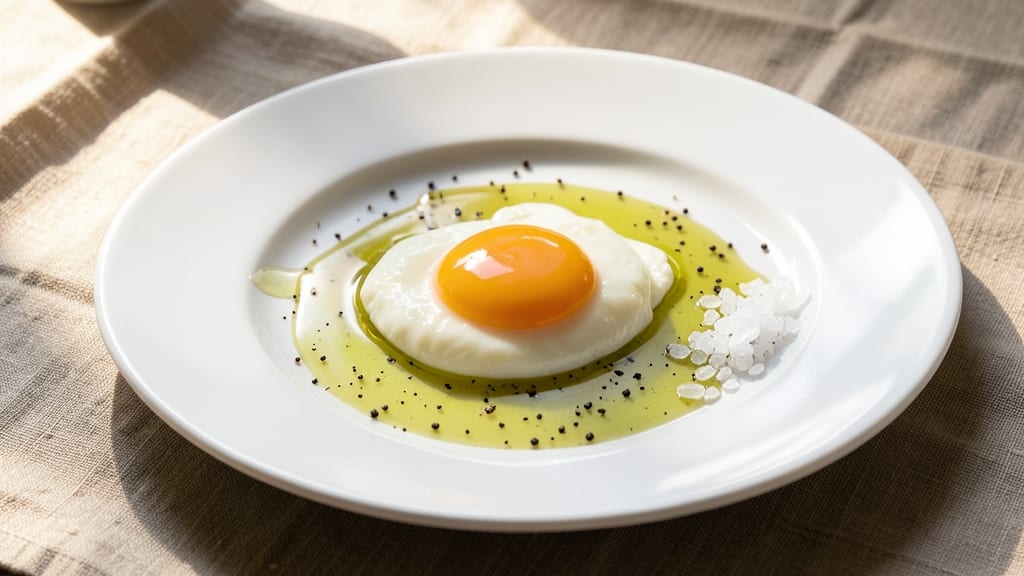
This soft poached egg recipe delivers the perfect runny yolk and silky whites in just 3 minutes—no overcooking, no guesswork. The secret lies in precise water temperature and a simple vinegar trick that keeps the whites beautifully compact.
I've perfected this technique after years of trial and error, and it's become my go-to for elegant breakfasts or restaurant-worthy garnishes.
The magic happens with gentle heat and timing—water should simmer (not boil) and the egg should cook for exactly 2 minutes and 30 seconds for that signature runny center.
A splash of vinegar in the water prevents spreading, while a slotted spoon ensures perfect removal. This method transforms simple eggs into a showstopping dish that feels indulgent yet effortless.
What you'll achieve is an egg with a velvety yolk that oozes when cut and a firm, tender white that holds its shape. The possibilities are endless—serve on buttery toast with smoked salmon, nestle into ramen broth, or use as a garnish for creamy soups.
The result is always the same: restaurant-quality eggs at home.
Whether you're hosting brunch or treating yourself to a luxurious breakfast, this technique delivers consistent, foolproof results every time. The key is patience and precision—once you master it, you'll never buy store-bought again. Let's get started on perfecting your poached eggs!
Ingredients for soft poached egg
Four simple ingredients transform ordinary eggs into restaurant-worthy masterpieces in minutes.
| Ingredient | Amount | Notes |
|---|---|---|
| Large Eggs 🥚 | 4 whole | Freshly refrigerated for best results |
| White Vinegar 🍶 | 2 tbsp | Distilled or apple cider vinegar |
| Water 💧 | 4 cups | Filtered preferred for clarity |
| Diamond Crystal Kosher Salt 🧂 | 1 tsp | For seasoning water |
| Extra-Virgin Olive Oil 🫒 | 2 tbsp | For finishing, fruity variety |
| Freshly Ground Black Pepper 🌶️ | ¼ tsp | For garnish |
| Sliced Smoked Salmon 🐟 | 4 oz | Optional garnish, high-quality |
| Sourdough Bread 🍞 | 4 slices | Toasted for serving |
| Cream Cheese 🧀 | 2 oz | Room temperature for spreading |
| Fresh Dill 🌿 | 2 tbsp | Chopped for garnish |
| Slotted Spoon 🍴 | 1 whole | Long-handled for easy removal |
The eggs are non-negotiable—farm-fresh from the grocery store's refrigerated case gives the best whites. I always grab the organic eggs at Whole Foods when I can, but any high-quality eggs work. The vinegar is your secret weapon here—white vinegar is most effective for compact whites, but apple cider vinegar adds subtle flavor. For the water, filtered is ideal but tap water works in a pinch. Just make sure it's cold when you start. The salt in the water isn't just for flavor—it helps the whites set more evenly. Diamond Crystal kosher salt dissolves perfectly, but any fine sea salt will do.
No vinegar? Lemon juice at half the amount works in a bind, though whites won't be as tight. Running out of olive oil? Avocado oil or melted butter works for finishing. The smoked salmon is optional but makes this feel luxurious—lox from the deli counter is perfect, or even high-quality canned salmon in a pinch. For the bread, sourdough or crusty baguette holds up best, but any sturdy bread works. Fresh dill is ideal, but dried dill at one-third the amount gets you close. The slotted spoon is critical—any long-handled spoon with holes works, even a fork in a true emergency.
Eggs keep best in their cartons in the fridge for up to 3 weeks. Vinegar lasts indefinitely in the pantry, but I like to keep a small bottle just for poaching. The olive oil should be stored in a cool, dark place—6 months to a year after opening. For the salmon, use within 3 days of opening. Fresh dill? Wrap it in damp paper towels and store in a sealed bag for 5 days. This recipe reheats beautifully—just pop the eggs in warm water for 30 seconds to restore that perfect runny center. I always make a double batch—two eggs for me, two to surprise guests.
Why You'll Love This Recipe
- No Fuss Setup: I swear by this method—just vinegar, salt, and water in a pot. No fancy gadgets, no stressing over timing. Honestly, I’ve burned omelets before, but this? Even my toddler could handle it.
- Silky Rich Center: That runny yolk with the tender white? It’s like biting into a cloud. The olive oil finish takes it from good to “I’ll make this again tomorrow” territory.
- Breakfast or Brunch Hero: Toss these on avocado toast, pile them into a salad, or serve them with crusty bread—no rules. I’ve even used them in ramen when I’m lazy. Versatile enough to work for lazy Sundays or rushed mornings.
- Pantry Staple Magic: Eggs are cheap, vinegar’s already there, and you’re done. No last-minute grocery runs, no overcomplicating things. Between us, I’ve made this with eggs that were past their sell-by date, and no one noticed.
Step-by-step instructions for perfect soft poached eggs
Master this technique and you'll achieve silky, runny yolks every time—no fancy gadgets required.
Prepare the Poaching Water
Combine the 4 cups water, 2 tbsp white vinegar, and 1 tsp Diamond Crystal kosher salt in a small saucepan. The vinegar is crucial—it helps the egg whites coagulate faster and keeps them compact. Place the pan over medium-high heat and bring to a gentle simmer. You want small, consistent bubbles breaking the surface, not a rolling boil. If you see large bubbles, reduce the heat slightly—this ensures gentle, even cooking.
I like to use a 6-inch saucepan for this because it gives enough room to poach multiple eggs without overcrowding. Once simmering, maintain the temperature by adjusting the heat as needed. The water should stay at a gentle simmer throughout the entire process—this is what creates those perfect, cloud-like whites with that luxurious, runny yolk.
Crack Eggs and Poach
Crack each of the 4 whole large eggs into a small bowl or ramekin. This prevents shell fragments from falling into your poaching water. Using a slotted spoon, gently lower one egg at a time into the simmering water. The spoon helps you guide the egg without disturbing the water too much—this keeps the whites intact and prevents them from spreading too much.
Poach each egg for 3 minutes. You'll know it's ready when the whites are fully set but the yolk remains completely liquid. If you're unsure, use the slotted spoon to gently lift the egg—if the white holds together and the yolk is still runny, it's perfect. The key here is precision: any longer and you risk overcooking the yolk, any shorter and the whites won't be fully set.
Assemble Your Dish
Toast the 4 slices sourdough bread until golden and crisp. Spread each slice with 2 oz cream cheese—room temperature cream cheese spreads more evenly and gives a smooth, creamy texture. Top each slice with a poached egg, a small handful of 4 oz sliced smoked salmon, and a sprinkle of 0.25 tsp freshly ground black pepper. The salmon adds a smoky depth that pairs beautifully with the rich, runny yolk.
Garnish with 2 tbsp chopped fresh dill for a bright, herby finish. The dill cuts through the richness of the eggs and cream cheese, adding a fresh contrast. Serve immediately while the eggs are still warm and the yolks are at their most luxurious. The toasted sourdough provides the perfect crunch to balance the silky texture of the poached eggs.
Optional Finishing Touches
Drizzle each dish with 2 tbsp extra-virgin olive oil just before serving. The fruity notes of the olive oil complement the smoky salmon and enhance the overall flavor profile. If you're feeling adventurous, you can also add a pinch of flaky sea salt on top—this amplifies the flavors and ties everything together.
Here's the thing—this dish is all about timing. The eggs should be served immediately after poaching, while the yolks are still vibrant and runny. If you're making more than one dish, poach the eggs just before serving to keep them at their best. The combination of toasted sourdough, creamy egg yolks, smoky salmon, and fresh dill creates a dish that's both elegant and comforting—perfect for brunch or a light lunch.
Pro Tips For Making Soft Poached Egg
- USE FRESH COLD EGGS: Older eggs slide better into water, but if you’re using fresh ones, give them a quick chill in the fridge for 10 minutes first. This prevents the whites from spreading like a lazy pancake—your egg will hold its shape like it’s got a backbone.
- SALT THE WATER LIGHTLY: Diamond Crystal kosher salt dissolves fast, but don’t go overboard—just 1 tablespoon in 4 cups of water. Too much salt makes the whites tough, and you’ll end up with a rubbery mess instead of that perfect silky center. Trust me, you’ll taste the difference.
- CONTROL THE HEAT: Start with a rolling boil, then drop the heat to a gentle simmer—think of it like a lazy Sunday morning, not a pressure cooker. If the water’s too aggressive, your egg will jiggle apart like overworked taffy. A steady, low simmer keeps the whites tender and the yolk runny.
- POACH IN VINEGAR WATER: Mix 1 tablespoon white vinegar into the water—it’s not just for flavor, it tightens the whites so they don’t turn into a cloudy soup. Skip it, and you’ll be fishing for egg bits instead of lifting a perfectly formed poached egg. (And yes, it’s fine if you’re not making deviled eggs.)
Dietary considerations for these flavors
Vegetarian-Friendly Foundation
Soft poached eggs are naturally vegetarian, making them perfect for plant-based diets when paired with complementary ingredients. The technique itself doesn't require any animal products—just eggs, vinegar, salt, and water.
I often serve these eggs on toasted sourdough with avocado slices and everything bagel seasoning for a completely vegetarian version. 🌱
Gluten-Free Adaptations
For gluten-free diets, simply replace the sourdough bread with gluten-free toast or cauliflower rice toast. I recommend Canyon Bakehouse gluten-free bread for a sturdy base that holds up to the runny yolk.
You can also serve the eggs over roasted sweet potatoes or sautéed mushrooms for a hearty, gluten-free meal. Always check labels to ensure no cross-contamination with gluten-containing ingredients.
Allergen Considerations
This recipe contains eggs as the primary ingredient, so it's not suitable for those with egg allergies. For egg-free alternatives, you could create a similar presentation using silken tofu spheres poached in the same vinegar water (cook for 2 minutes instead).
For dairy-free diets, simply omit the cream cheese and use vegan cream cheese like Kite Hill or cashew cream instead. Always verify all ingredients for potential allergens.
Low-Cholesterol Options
While eggs do contain cholesterol, the yolk is where most of it resides.
If you're watching cholesterol, you can reduce the amount of yolk by using egg whites only (poach for 2 minutes instead of 3) or by serving the eggs with high-fiber sides like steamed broccoli or quinoa to help balance cholesterol absorption.
The whites provide all the protein without the yolk's saturated fat, making this a heart-healthy option when modified.
Vegan Alternatives
For a completely vegan version, replace the eggs with tofu spheres (marinated in nutritional yeast for an eggy flavor) or chickpea flour "eggs". Poach these in the same vinegar water for 2-3 minutes until set.
I've had great success with Follow Your Heart vegan egg substitute, which mimics the texture beautifully. Serve on gluten-free toast with avocado and hot sauce for a satisfying plant-based alternative.
Nutrition facts
Frequently asked questions
Why do my poached egg whites spread out instead of staying compact?
The vinegar is your secret weapon! Without it, egg whites spread because they don't coagulate quickly enough. Always use 2 tbsp white vinegar in 4 cups water and maintain a gentle simmer—never a rolling boil. Also, crack eggs into a small bowl first to avoid shell fragments disturbing the water.
How do I know when the egg is perfectly poached?
Your egg is ready when the whites are fully set but the yolk remains completely liquid. This happens at exactly 3 minutes in simmering water. Use a slotted spoon to lift it—if the white holds together and the yolk is still runny when cut, you've nailed it! Overcooking by even 10 seconds will turn that perfect yolk into a firm center.
Can I make soft poached eggs ahead of time?
Fresh is best! Poached eggs lose their perfect texture when reheated. However, you can prepare the poaching water and vinegar mixture in advance. For serving, poach eggs just before eating—if you must reheat, place them in warm (not hot) water for 30 seconds maximum. The yolk will never be as luxurious as when freshly poached.
What's the best way to serve these eggs for brunch?
This technique works beautifully for brunch! Try them on toasted sourdough with avocado slices and everything bagel seasoning, or nestle them into hot ramen broth with fresh herbs. For a fancy touch, arrange them on a bed of microgreens with a drizzle of truffle oil. The key is to serve immediately while the yolks are still vibrant!
Do I need a special pan or gadget for perfect poached eggs?
No fancy tools required! A simple 6-inch saucepan and slotted spoon are all you need. The only "special" ingredient is the vinegar—it's what gives you those restaurant-quality, compact whites. If you're worried about precision, use an instant-read thermometer to keep water at 185°F—this is the magic temperature for perfect poaching!