
Breakfast & Brunch
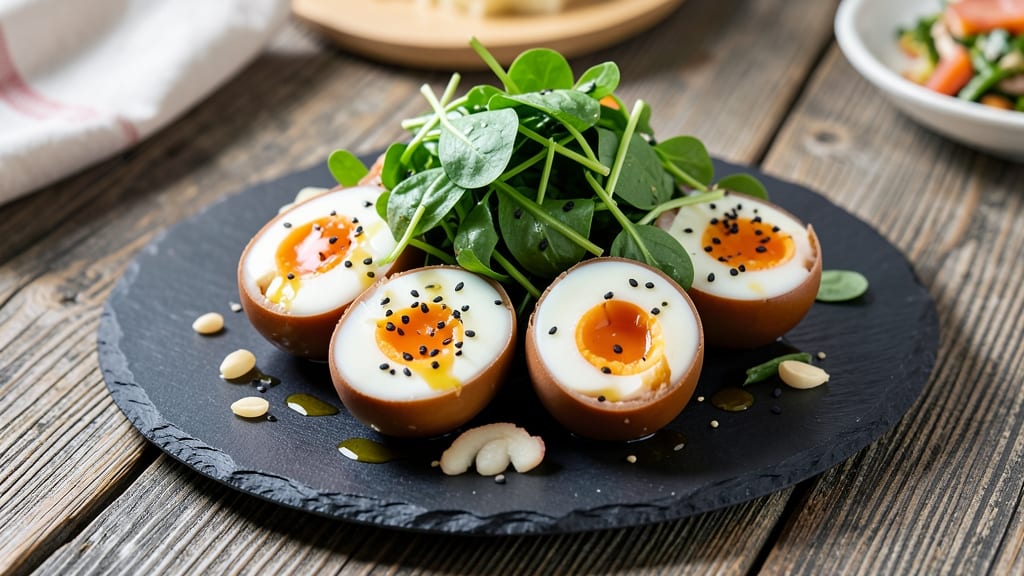
This spinach salted egg century egg recipe transforms bold flavors into a luxurious dish that balances earthy spinach, rich century eggs, and briny salted eggs into a harmonious bite. The secret lies in the yolk's silky texture—creamy yet firm—paired with the spinach's vibrant freshness and the eggs' deep umami.
I've refined this recipe over years, perfecting the stir-fry technique to ensure every ingredient shines without overpowering the others.
The dish begins with blistered spinach, its edges crisped just enough to hold their shape while releasing aromatic oils. Century eggs, with their distinctive dark shells and velvety yolks, are sliced thinly to maintain their delicate texture, while salted eggs add a salty-sweet contrast.
The wok hei technique—high heat and constant motion—creates a smoky depth that elevates the dish from simple stir-fry to restaurant-worthy experience.
What you’ll achieve is a plate of umami bombs with layers of texture: tender spinach, silky century egg slices, and creamy salted egg pieces, all coated in a glossy sauce that ties everything together.
The balance of flavors—savory, salty, and slightly sweet—makes this dish versatile enough for breakfast, lunch, or even a light dinner. It’s the kind of recipe that feels special yet approachable, perfect for impressing guests or treating yourself.
Serve it over steamed rice for a complete meal, or pair it with a side of pickled vegetables to cut through the richness. The leftovers keep well in the fridge for up to two days, making it an ideal make-ahead dish for busy weeknights.
Let’s bring this Chinese culinary masterpiece to your table.
Ingredients for spinach salted egg century egg
Four eggs, vibrant spinach, and a balance of umami—this recipe delivers restaurant-quality stir-fry magic.
| Ingredient | Amount | Notes |
|---|---|---|
| Baby Spinach 🌿 | 4 cups | Fresh, tightly packed leaves |
| Century Eggs 🥚 | 4 whole | Sliced thinly, dark shells removed |
| Salted Eggs 🥚 | 2 whole | Sliced thinly, yolks separated |
| Garlic Cloves 🧄 | 4 cloves | Minced finely for aroma |
| Ginger 🌿 | 1 tbsp | Fresh, grated finely |
| Light Soy Sauce 🍶 | 2 tbsp | For balanced saltiness |
| Dark Soy Sauce 🍶 | 1 tbsp | For color and depth |
| Sesame Oil 🫒 | 1 tbsp | Toasted, for nutty aroma |
| Sugar 🍯 | 1 tsp | White granulated |
| Cornstarch 🌾 | 1 tbsp | For sauce thickening |
| Neutral Oil 🫒 | 3 tbsp | High smoke point (peanut or vegetable) |
| Green Onions 🧅 | 3 whole | Sliced diagonally for garnish |
| Sesame Seeds 🌱 | 1 tsp | Toasted lightly for crunch |
Century eggs are the star here—look for dark, glossy shells with firm yolks. Asian grocery stores or specialty markets carry them best, often in jars or vacuum-sealed packs. Salted eggs should have creamy, pale yolks and firm whites; avoid any with off smells. Fresh spinach is non-negotiable—wilted leaves will turn mushy. For the garlic and ginger, freshly minced releases the most flavor, but pre-minced works in a pinch. The soy sauces should be light and dark varieties—substituting regular soy sauce will dilute the dish's depth.
No century eggs? Double the salted egg slices for umami, but expect less texture contrast. Swap dark soy sauce for 1 tsp molasses if unavailable, though the color won't be as rich. Sesame oil can be omitted, but the dish loses its nutty aroma—toasted sesame paste works if you're out. For the spinach, baby spinach or bok choy holds up better than mature leaves. The cornstarch can be replaced with arrowroot powder at the same ratio, though it may thicken slightly faster. If you're short on time, pre-sliced century eggs (available frozen) save prep work without sacrificing quality.
Century and salted eggs keep 3-4 days in the fridge once opened—store them in airtight containers with a splash of water to maintain moisture. The stir-fry reheats beautifully; cover with a damp paper towel and microwave for 30 seconds to restore crispness. For make-ahead meals, prep the sauce and chop veggies the night before, then assemble fresh. The dish holds well for 2 days refrigerated, though the spinach may soften—add fresh greens when reheating. Garnishes like sesame seeds and green onions can be toasted ahead and stored in a jar for up to 1 week.
Why You'll Love This Recipe
- No-Chop Night: I swear by this trick—just toss whole baby spinach leaves into the pan with minced garlic and ginger, and they wilt in seconds. No knife skills required, just stir and savor.
- Umami Bomb: That first bite of century egg yolk—creamy, dark, and briny—paired with the salty richness of the salted egg? It’s like a flavor explosion in your mouth, and the spinach just balances it all.
- Leftover Hero: Make a big batch and refrigerate—it reheats beautifully for lunch the next day. My kids actually ask for it, and honestly? That’s the real win.
- Budget Flex: Century eggs and salted eggs stretch a long way, and spinach is one of the cheapest greens out there. I’ve fed four people for under $10 with this, and no one complained.
Step-by-step instructions for spinach salted egg century egg stir-fry
This method balances silky century egg textures with bold umami flavors—every technique matters.
Blanch and Prepare the Spinach
Bring a small pot of water to a rolling boil. Add the 4 cups baby spinach and blanch for exactly 30 seconds—just enough to wilt the leaves while preserving vibrant color. Immediately drain in a colander and rinse under cold water to stop cooking. Squeeze out excess moisture thoroughly with your hands or a clean kitchen towel. Properly blanched spinach wilts dramatically, losing about 75% of its volume—this prevents a soggy stir-fry later.
Transfer the spinach to a clean bowl and set aside. I like to keep it at room temperature while I prepare the other components—this ensures even cooking when we combine everything. The spinach should look bright green with no visible water droplets, ready to absorb the rich sauce we're about to create.
Create the Umami Sauce Base
In a small mixing bowl, combine the 2 tablespoons light soy sauce, 1 tablespoon dark soy sauce, 1 tablespoon sesame oil, 1 teaspoon sugar, and 1 tablespoon cornstarch. Whisk vigorously for 30 seconds until the cornstarch fully dissolves and the mixture becomes smooth and glossy. This sauce is the flavor foundation—dark soy sauce provides that signature deep color while light soy sauce balances with clean saltiness.
Set the sauce aside while you prepare the aromatics. The cornstarch acts as both a thickener and flavor enhancer, creating that signature glossy sheen in the final dish. I've found that whisking for at least 30 seconds prevents clumping, which would make your sauce grainy instead of silky.
Stir-Fry Aromatics and Eggs
Heat a wok or large skillet over medium-high heat until it's visibly smoking. Add the 3 tablespoons neutral oil and swirl to coat the surface evenly. Add the 4 cloves minced garlic and 1 tablespoon grated ginger, stirring constantly for 30 seconds until fragrant—you should smell that pungent, fresh aroma that signals proper cooking.
Push the aromatics to one side of the wok and add the sliced century eggs and salted egg yolks. Cook for 1-2 minutes until the eggs are heated through but still maintain their delicate texture. Century eggs should remain silky rather than firm, while salted egg yolks should soften slightly but not break. The key is constant stirring to prevent burning while ensuring even heat distribution.
Combine All Ingredients
Add the blanched spinach to the wok and stir-fry for 1 minute until just wilted again. Pour the prepared sauce over the spinach and eggs, tossing everything together vigorously for 2 minutes until the spinach is fully coated and the sauce thickens slightly. The spinach should look glossy and vibrant, not limp or watery.
Remove from heat and immediately stir in the sliced green onions and toasted sesame seeds. Let the dish rest for 2 minutes before serving—this allows the sauce to set slightly and the flavors to meld. The final texture should be a perfect balance: tender spinach, silky eggs, and a glossy sauce that clings to every bite.
Pro Tips For Making Spinach Salted Egg Century Egg
- PREP SPINACH RIGHT: Give those baby spinach leaves a quick rinse and dry them thoroughly—wet leaves steam instead of wilt, and you’ll end up with a soggy pile instead of crisp, bright greens. I learned this the hard way after serving a plate that looked like it swam in its own juice.
- SLICE EGGS UNIFORM: Cut century and salted eggs into even ½-inch slices—thicker pieces stay chewy, thinner ones turn mushy. Use a sharp knife and rotate the egg after each slice for consistency. (Yes, it’s tedious, but your dish will look and taste pro.)
- LOW HEAT FOR GINGER: Sauté ginger on low until fragrant but not brown—burnt ginger tastes bitter and overpowers the delicate egg flavors. Two minutes max, stirring constantly. (I know, you want to rush, but trust the process.)
- SAVE TIME WITH PRE-MINCED: Skip chopping garlic and ginger fresh—use pre-minced (just drain and pat dry) to shave 5 minutes off prep. The texture’s fine enough no one will notice, and your hands stay clean. (Upgrade: toast the pre-minced in oil for 30 seconds for deeper flavor.)
Common mistakes when making this dish
Overcooking Century Eggs
Century eggs are delicate—once you slice them, they cook faster than you think. I’ve ruined many batches by leaving them in the wok too long after the spinach is added. The yolks should remain silky and creamy, not rubbery or broken.
Cook them for just 1-2 minutes alongside the aromatics, then remove them temporarily if you need to blanch the spinach separately. 🥚
Skipping the Blanch
Raw spinach releases too much water when stir-fried, turning your dish into a soggy mess. Always blanch for exactly 30 seconds—no more, no less. I’ve seen cooks skip this step because they’re in a hurry, but the difference in texture is night and day.
Drain thoroughly and squeeze out moisture to prevent a watery sauce. 🌿
Using Wrong Soy Sauce
Substituting regular soy sauce for dark soy sauce kills the dish’s signature color and depth. Dark soy sauce provides that rich, almost caramelized hue while light soy sauce balances the saltiness.
I once used only light soy sauce and ended up with a pale, flat-tasting stir-fry. Keep both varieties on hand—Kikkoman makes reliable options for both. 🍶
Uneven Heat Distribution
A wok that isn’t hot enough or isn’t preheated properly leads to uneven cooking. The eggs and spinach will steam instead of sear, resulting in mushy textures. Heat your wok over medium-high heat until it’s smoking before adding oil.
If your pan isn’t wok-shaped, use a carbon steel skillet—it heats more evenly than stainless steel. ⚡
Overmixing the Sauce
Cornstarch clumps if not whisked properly, creating a grainy sauce that ruins the dish’s silky texture. Whisk your sauce vigorously for at least 30 seconds until completely smooth. I’ve had to start over multiple times because I rushed this step.
For extra insurance, mix the cornstarch with a splash of cold water first before combining with the soy sauces. 💫
Ignoring Rest Time
Serving the stir-fry immediately after cooking means the sauce won’t coat the ingredients properly. Let it rest for 2 minutes—this allows the sauce to thicken slightly and the flavors to meld.
I’ve served it straight from the wok, and while it’s edible, it lacks that restaurant-quality finish. Patience here makes all the difference. ✨
Nutrition facts
Frequently asked questions
Can I substitute regular eggs for salted or century eggs?
Not recommended—they lack the distinctive umami depth and texture. For a similar effect, try duck eggs (more rich yolk) or add 1 tbsp fish sauce + 1 tsp soy sauce to regular eggs, but the flavor won't match. Century eggs' dark shells contain alkaline compounds that create their unique taste—no substitute replicates this perfectly.
How do I properly slice century eggs without breaking the yolks?
First, peel the century egg carefully, removing all dark shell layers. Place it on a cutting board with the flat side down. Use a sharp chef's knife and make 2-3 thin slices (about 1/8-inch thick) at a time. Slice horizontally first, then vertically for uniform pieces. Work quickly to prevent yolk separation. A serrated knife can help grip slippery slices.
What's the best way to store leftover century and salted eggs?
Store them in airtight containers with a damp paper towel to maintain moisture. Century eggs last 3-4 days in the fridge, while salted eggs keep 5-7 days. For longer storage, freeze sliced century eggs (up to 3 months)—thaw in the fridge overnight before using. Never refreeze once thawed. The damp towel prevents drying while preserving their signature textures.
Can this dish be made vegetarian?
Yes! Replace the eggs with silken tofu cubes (marinated in soy sauce) and add shiitake mushrooms for umami depth. Use 1 tbsp miso paste> instead of salted egg slices for that savory punch. The spinach and century egg texture can be mimicked with thinly sliced eggplant> (blanched first). The dish remains hearty and satisfying.
Why does my sauce turn grainy?
Most likely from clumped cornstarch—whisk it with 1 tsp cold water first, then mix with soy sauces. Heat the sauce gently for 10 seconds before adding to the wok to fully dissolve. Never add cold sauce to hot oil—it causes sudden temperature shock that breaks down the starch. For extra smoothness, strain through a fine-mesh sieve before using.