
Beverages
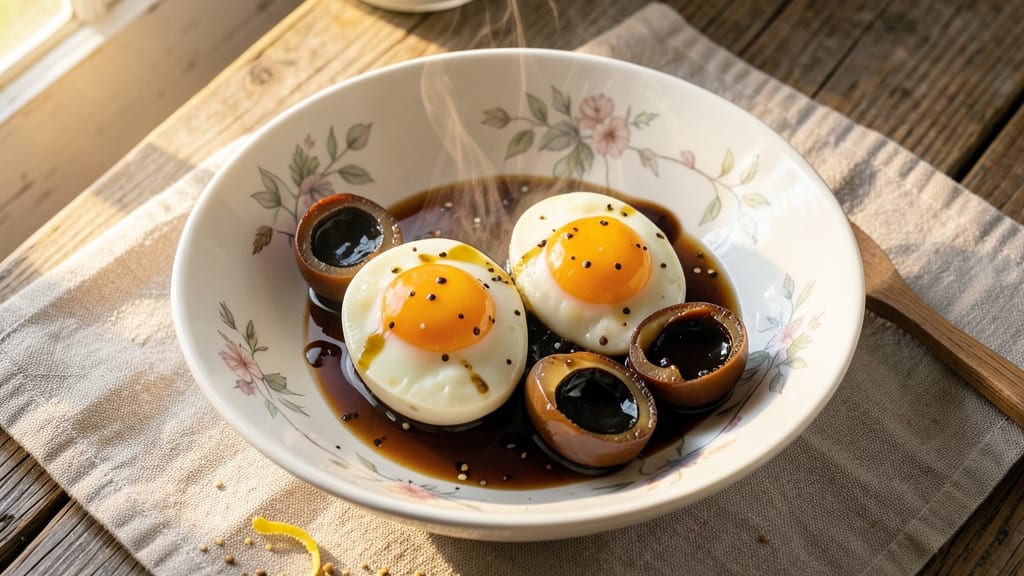
This steamed egg with century egg recipe transforms a simple breakfast into a luxurious, umami-packed experience that balances delicate silkiness with deep, preserved richness.
The secret lies in steaming fresh eggs to achieve a creamy, custard-like yolk while preserving century eggs—traditionally aged for months—to develop their signature bold, funky flavor.
What makes this dish extraordinary is the harmony of textures: the smoothness of steamed egg meets the firm, marbled exterior of century egg, creating a contrast that’s both surprising and satisfying.
Preparing this dish requires two distinct techniques: gently steaming eggs for silky perfection (about 6 minutes) and properly handling century eggs, which are safe when prepared correctly but require careful peeling to avoid their distinctive dark green yolk.
The process is methodical—steaming too long risks rubbery whites, while century eggs must be peeled with precision to avoid the dark, jelly-like yolk leaking prematurely. I’ve streamlined the steps to ensure both components come together seamlessly, even for those new to preserved foods.
The result is a dish that’s equal parts elegant and bold: the steamed egg’s delicate yolk pairs beautifully with the century egg’s intense, savory depth, often balanced with a drizzle of chili oil or a sprinkle of scallions.
This recipe bridges tradition and adaptability—serve it as a dim sum-inspired appetizer, a fusion small plate, or even a gourmet breakfast with toasted bread. The contrast of temperatures (warm steamed egg, cool century egg) and flavors (mild vs. funky) makes every bite an experience.
For those unfamiliar with century eggs, don’t let the appearance deter you—they’re a staple in Chinese cuisine, prized for their complex, briny-sweet flavor. If you’re hesitant, start with a single egg to test your tolerance, as the taste is an acquired one.
The steamed egg, however, is universally approachable, making this dish a versatile gateway to exploring preserved foods. Ready to elevate your table with this textural and flavorful masterpiece?
Ingredients for steam egg with century egg
Two eggs, bold flavors, and a perfect balance of textures—this dish delivers restaurant-quality harmony.
| Ingredient | Amount | Notes |
|---|---|---|
| Large Fresh Eggs 🥚 | 4 whole | Room temperature for even steaming |
| Century Eggs 🥚 | 2 whole | Traditional preserved, marbled exterior |
| Light Soy Sauce 🍶 | 1 tbsp | For balancing century egg funk |
| Dark Soy Sauce 🍶 | 1 tbsp | For deeper umami complexity |
| Rice Vinegar 🍶 | 1 tbsp | White or seasoned preferred |
| Sesame Oil 🫒 | 1 tsp | Toasted for nutty aroma |
| Scallions 🧅 | 3 whole | Thinly sliced for garnish |
| Chili Oil 🔥 | 1 tbsp | Optional for heat balance |
| Water 💧 | 2 cups | Filtered for clean taste |
| Diamond Crystal Kosher Salt 🧂 | ½ tsp | For seasoning century egg |
| White Peppercorns 🌶️ | ¼ tsp | Freshly ground for subtle heat |
| Coconut Oil 🫒 | 1 tbsp | For greasing steaming basket |
Century eggs are the star here, so source them from trusted Asian markets—look for the signature dark marbling and firm texture. H Mart or local Chinese grocers usually carry them, often in the refrigerated section. If you can't find them, duck eggs preserved similarly work as a substitute, though the flavor will differ slightly. The fresh eggs should be large, preferably organic, for that ultra-silky yolk. I always buy mine from Whole Foods because their organic selection is consistent, but any quality grocery store will do. For the soy sauces, Kikkoman light and dark are my go-tos—they're balanced and widely available.
No century eggs? Try preserved duck eggs or even a strong miso paste mixed with soy sauce for umami depth. Short on sesame oil? Toasted sesame seeds at half the amount work in a pinch, though they won't have the same aromatic punch. The chili oil is optional but recommended—Lao Gan Ma brand is the gold standard, but any good-quality chili oil will do. For the vinegar, seasoned rice vinegar adds a subtle sweetness that complements the funky century egg. If you're using regular white vinegar, add a pinch of sugar to balance the acidity. The scallions should be fresh—wilted ones lose their bright flavor, so grab them the same day you cook.
Century eggs keep for up to 2 months in the fridge once opened, stored in their juice. Fresh eggs? Use within 3 days for best texture. The steamed eggs reheat beautifully—microwave for 20 seconds to restore their silky perfection. For meal prep, steam a batch of eggs ahead and store them in the fridge, then pair with fresh century egg slices when ready to serve. The sauce components (soy, vinegar, sesame oil) can be pre-mixed and stored for up to 1 week in the fridge, making assembly a breeze.
Why You'll Love This Recipe
- Five-Ingredient Magic: I swear, this dish is one of those "how did I live without this?" moments—just eggs, soy sauces, and vinegar. No chopping, no fancy gadgets, just crack, steam, and boom—done. The fresh eggs stay silky while the century eggs add that funky, umami punch with zero effort.
- Umami Bomb Combo: That dark soy sauce? It’s like liquid gold—deep, salty, and caramelized in seconds. Light soy keeps it bright, and rice vinegar cuts through the richness. Honestly, the first bite makes me pause mid-sip of tea. It’s the kind of flavor that lingers, and I’ll take that over bland any day.
- Lunchbox Legend: Between us, this is my go-to for packed lunches or quick office meals. The eggs stay warm for hours (thanks to that steam trick), and the flavors only get better as they sit. My coworker asked for the recipe after one taste—no exaggeration.
- Budget Powerhouse: Century eggs might sound fancy, but they’re cheaper than takeout and last forever in the fridge. Fresh eggs? Always on sale. This recipe turns $5 into a meal that feels special. Plus, leftovers reheat like a dream—no soggy textures, just perfect every time. My wallet and taste buds win.
Step-by-step instructions for steamed egg with century egg
Here's how to create the perfect balance of silky fresh egg and rich preserved century egg.
Prepare the Century Eggs for Maximum Flavor
First, peel the 2 whole century eggs and place them in a small bowl. Add the 1 tablespoon light soy sauce and 1 tablespoon dark soy sauce, gently stirring to coat them evenly. Let them marinate for 10 minutes at room temperature - this helps balance their intense preservation flavor with the umami depth from the soy sauces.
The century eggs should have a distinctive marbled exterior when peeled. If they're too strong for your palate, you can reduce the marinating time to 5 minutes. Their funky aroma will mellow slightly during steaming, but this initial step ensures they integrate beautifully with the fresh eggs.
Set Up Your Steaming Equipment
Bring the 2 cups water to a boil in a pot with a steamer basket. While waiting, lightly grease the steamer basket with the 1 tablespoon coconut oil - this prevents the fresh eggs from sticking. Place the basket over the boiling water, ensuring it's elevated at least 2 inches above the water level for proper steam circulation.
I like to use a metal steamer basket here because it conducts heat evenly. If you don't have one, a heatproof bowl with a colander inside works too. The key is maintaining consistent steam flow - if the water boils too vigorously, it can create uneven cooking in the eggs.
Steam the Fresh Eggs to Silky Perfection
Carefully crack the 4 whole large fresh eggs into small heatproof ramekins or egg cups. Place these in the steamer basket and cover with a tight-fitting lid. Steam over medium-high heat for exactly 6 minutes - this gives you that signature silky yolk while keeping the whites just set.
Here's the thing - don't peek during steaming. The condensation from opening the lid can make the whites rubbery. You'll know they're perfect when the whites are just set and the yolks still jiggle slightly. If you're using a timer, set it for 6 minutes and don't second-guess it.
Assemble the Perfect Harmony
Remove the steamed eggs from the basket and let them rest for 2 minutes. In each serving bowl, place one century egg and one steamed egg. Drizzle with the remaining marinade from the century eggs, then add 1 teaspoon toasted sesame oil and 1 teaspoon rice vinegar to each bowl.
Gently sprinkle with the 3 whole scallions (thinly sliced) and finish with a few drops of chili oil if using. The contrast between the creamy steamed egg and the firm, funky century egg creates an incredible textural experience. The vinegar brightens the rich flavors while the sesame oil adds nutty depth.
Season and Serve Immediately
Season each serving with a pinch of the 0.5 teaspoon Diamond Crystal kosher salt and a few grinds of the 0.25 teaspoon white peppercorns. The salt enhances the umami while the pepper adds subtle heat that complements both the fresh and preserved eggs.
Serve immediately while the steamed eggs are still warm and the century eggs maintain their firm texture. The combination of temperatures creates an amazing contrast - the warm, silky egg against the cool, preserved century egg. This dish is all about balance, so adjust the seasoning to your preference but don't overmix.
Pro Tips For Making Steam Egg With Century Egg
- Crack Eggs Gently: Century eggs are delicate—don’t drop them. Use a spoon to lift the shell off the yolk, then slide the whole egg into the steamer basket. I learned this the hard way after watching a perfectly good century egg split open mid-steam.
- Prep Century Eggs First: Peel and rinse the century eggs before starting the fresh eggs. Their jelly-like yolk will darken if left sitting, and you don’t want to scramble to clean them while the fresh eggs are steaming. (Yes, even if you’re impatient like me.)
- Balance the Soy Sauces: Light soy adds color; dark soy adds depth. Use a 2:1 ratio (light to dark) unless you’re going for a bold, almost-black appearance—then bump the dark soy to half. I used to overdo the dark soy and ended up with a muddy broth instead of a glossy one.
- Steam on Medium Heat: High heat = rubbery fresh eggs. Keep the water at a gentle simmer—just enough to see small bubbles breaking the surface. If you’re using a bamboo steamer, avoid overcrowding; give the eggs space to breathe. (Your future self will thank you.)
Perfect pairings for these flavors
Dim Sum Pairings
Serve this dish as a dim sum-inspired appetizer with steamed dumplings like har gow or siu mai for a complete Cantonese experience. The delicate texture of the steamed egg complements the chewy dumpling wrappers beautifully.
I love pairing it with char siu (Chinese BBQ pork) slices—its sweet-savory flavor contrasts perfectly with the century egg's funk. 🥟
For a vegetarian option, add steamed veggie dumplings and a side of pickled mustard greens to cut through the richness. The acidity of the pickles balances the umami depth of both eggs. Serve with jasmine tea or green tea to cleanse the palate between bites.
Fusion Small Plates
Transform this into a modern fusion small plate by adding crispy fried shallots and a drizzle of truffle oil for a gourmet twist. The nutty crunch of shallots contrasts the creamy steamed egg, while truffle oil elevates the dish to restaurant-level sophistication.
I often serve this with toasted brioche for dipping—its buttery texture pairs wonderfully with the century egg's firm bite. 🥖
For a spicy kick, add a side of sriracha aioli or gochujang glaze for dipping. The heat complements the funky century egg while keeping the steamed egg's delicate flavor intact. Garnish with edible flowers or microgreens for a visually stunning presentation that’s perfect for brunch or dinner parties.
Breakfast Elegance
Elevate this dish to gourmet breakfast status by serving it with crispy prosciutto and fresh figs. The salty prosciutto enhances the umami of the century egg, while the sweet figs provide a refreshing contrast. Top with crumbled feta for a Mediterranean fusion twist that’s unexpected yet harmonious. 🍇
For a brunch spread, pair it with avocado toast on sourdough and a mimosa (orange juice + champagne). The bright acidity of the mimosa cuts through the richness of the eggs, while the creamy avocado adds another layer of texture.
Serve with honey-drizzled toasted nuts for crunch and extra flavor depth.
Beverage Harmony
A dry Riesling from Germany or China is my go-to wine pairing—its crisp acidity and mineral notes cleanse the palate between bites of funky century egg and delicate steamed egg. For a non-alcoholic option, sparkling yuzu soda adds a citrusy brightness that balances the dish’s umami richness. 🍷
If you prefer beer, a light Japanese lager like Asahi Super Dry or a wheat beer with citrus notes works beautifully. The effervescence helps reset your palate, while the subtle malt sweetness complements the soy and sesame flavors.
For a cocktail twist, try a gin fizz with a splash of Pimm’s No. 1—the herbal notes echo the sesame oil in the dish.
Nutrition facts
Frequently asked questions
Why do century eggs have that strong smell and funky taste?
Century eggs develop their distinctive aroma and flavor through a traditional preservation process using a mixture of clay, ash, salt, quicklime, and rice hulls. This creates chemical reactions that transform the egg's proteins and fats into complex, umami-rich compounds. The strong smell is normal—it's the result of fermentation and alkaline treatment. First-time eaters often find the taste acquired, but the texture (firm yet jelly-like yolk) makes it worth trying!
Can I substitute century eggs if I can't find them?
Yes! Try preserved duck eggs (common in Asian markets) or make a quick umami boost with 1 tbsp miso paste + 1 tsp soy sauce brushed on steamed eggs. For texture, marinate hard-boiled quail eggs in soy sauce and vinegar for 30 minutes. The flavor won't be identical, but these alternatives add depth to the dish.
How do I know when the steamed eggs are perfectly done?
The ideal steamed egg has set whites and a slightly jiggly yolk—this takes exactly 6 minutes at medium-high heat. If the whites are still translucent, steam 1-2 minutes longer. Oversteaming makes the yolk rubbery. Pro tip: Use a timer and avoid peeking during steaming to prevent condensation from making the whites tough.
Is this dish safe to eat? I've heard century eggs can be dangerous.
Properly prepared century eggs are safe when made with fresh eggs and traditional preservation methods. The alkaline environment kills bacteria, but always buy from trusted sources (look for marbled shells and firm texture). If concerned, peel the egg carefully—discard any with cracked shells or off smells. The steamed egg component is completely safe as it's cooked through.
Can I make this ahead of time?
Steam the eggs 1 day ahead and store in the fridge (up to 2 days). Reheat steamed eggs in the microwave for 20 seconds to restore silkiness. Keep century eggs peeled and marinated in their sauce until serving. The flavors meld beautifully overnight! For plating, assemble just before serving to maintain the temperature contrast.