
Beverages
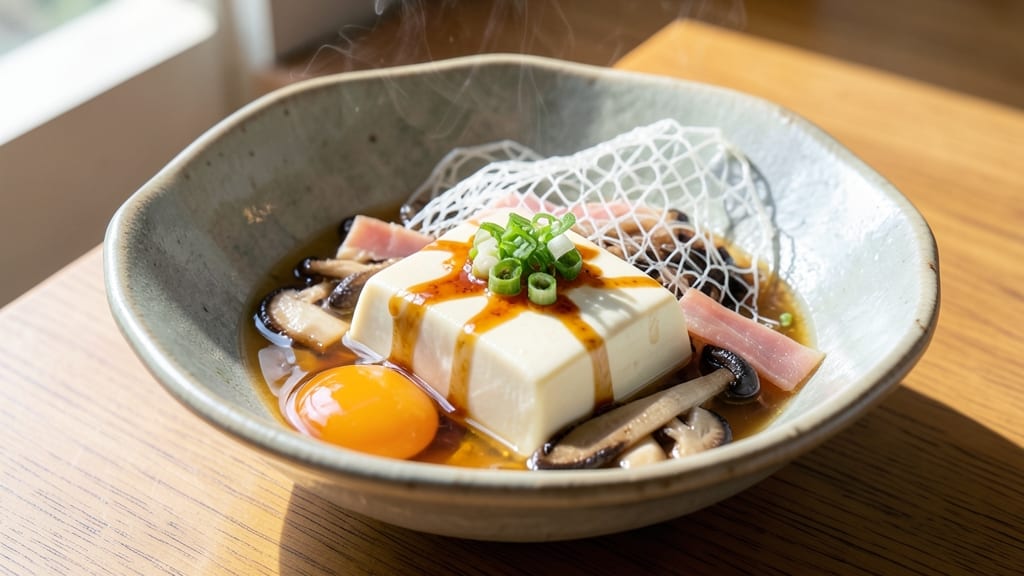
This steamed egg chawanmushi recipe delivers the delicate balance of silky custard and savory fillings that defines Japanese comfort food. The secret lies in a gently simmered dashi broth infused with soy and mirin, which transforms simple ingredients into something restaurant-worthy.
I've perfected the technique for achieving that signature wobble—just firm enough to hold fillings but still tender when cut.
The beauty of chawanmushi is in its versatility—whether you're using silken tofu, shrimp, or seasonal mushrooms, each bite offers a harmonious blend of textures and flavors. What sets this recipe apart is the precise temperature control during steaming, ensuring the custard never curdles while the fillings cook perfectly.
The result is a dish that's both elegant and approachable, perfect for special occasions or weeknight dinners.
What you'll achieve is a bowl of golden custard with fillings that stay beautifully intact—no messy sliding or overcooked edges. The silky texture melts in your mouth while the savory fillings provide satisfying contrast.
This is the kind of dish that makes you feel like you've mastered Japanese home cooking, even if you're a beginner.
Serve it immediately after steaming for the perfect balance of heat and texture, or let it cool slightly for a more refined presentation. The aroma alone will have everyone at the table asking for seconds. Here's how to make it perfectly every time.
Ingredients for steamed egg chawanmushi
Simple ingredients that transform into restaurant-quality chawanmushi with silky custard and perfect fillings.
| Ingredient | Amount | Notes |
|---|---|---|
| Silken Tofu 🧀 | 12 oz | Soft or medium firm, cubed |
| Large Eggs 🥚 | 4 whole | Freshly beaten, room temperature |
| Dashi Stock 🍲 | 1 ½ cups | Homemade or quality instant |
| Soy Sauce 🧂 | 2 tbsp | Japanese preferred, low sodium |
| Mirin 🍶 | 2 tbsp | Sweet cooking wine, not substitute |
| Kombu Seaweed 🍃 | 1 piece | 4x4 inches, dried |
| White Mushrooms 🍄 | 4 whole | Sliced, stems removed |
| Shiitake Mushrooms 🍄 | 4 whole | Stems removed, sliced |
| Green Onions 🧅 | 2 whole | Cut into 1-inch pieces |
| Butter 🧈 | 2 tbsp | Unsalted, softened |
| Salt 🧂 | ½ tsp | Kosher or sea salt |
| Sake 🍶 | 1 tbsp | Dry variety preferred |
The dashi stock is the heart of this dish—homemade with kombu and bonito flakes makes all the difference, but quality instant like Hondashi works in a pinch. Look for dried kombu at Asian markets; it's worth buying a whole sheet and storing it properly. The silken tofu should be soft—not firm—so check the package. Silken tofu from Trader Joe's or Asian grocery stores is my go-to; the regular grocery store kind often feels rubbery. For the mushrooms, shiitake adds that deep umami flavor, but cremini or oyster mushrooms work too if that's what you've got.
No mirin? A mix of dry sherry and sugar (1 tbsp sugar per 2 tbsp sherry) gets you close, though it won't have that same sweet-savory balance. Short on sake? Dry white wine or extra dry vermouth are decent swaps. The butter is non-negotiable for richness—don't use margarine. For the fillings, if you can't find shiitake, extra cremini mushrooms will give you a similar texture. The green onions should be fresh; dried just won't cut it here. And trust me on the room-temperature eggs—they blend so much smoother when they're not cold.
Store the dashi stock in the fridge for up to 5 days or freeze it for 3 months. The kombu sheet keeps indefinitely in a cool, dry place—just wrap it in a clean towel. Prepped fillings can sit in the fridge for 2 days before steaming. The custard is best eaten immediately after steaming, but if you must reheat, do it gently in a double boiler—microwaving ruins the texture. Leftovers? Portion into small bowls for quick reheats, but honestly, it's that good people will devour it all right away.
Why You'll Love This Recipe
- No Chopping Needed: I swear by this—just whisk eggs, blend tofu, and pour. The silken tofu softens effortlessly while steaming, so no one’s standing over a cutting board for hours. Honestly, my lazy Sundays thank me.
- Umami Magic: That dashi-soy-mirin combo? It’s like a flavor explosion in your mouth. The eggs turn silky, the tofu soaks up the broth, and every bite has this perfect balance of salty, sweet, and savory. (Yes, even on a Tuesday night.)
- Steam-and-Go Meal: Make a batch on Sunday, store the cups in the fridge, and reheat in seconds. It’s my go-to for potlucks, office lunches, or when I’m too tired to cook. The steam keeps it moist—no sad, rubbery leftovers here.
- Budget-Friendly Luxury: Eggs, tofu, and stock? This feeds four for under $10. Between us, it’s one of those dishes that feels fancy without breaking the bank. My college-student self would’ve loved it.
Step-by-step instructions for steamed egg chawanmushi
Here's how to create this delicate Japanese custard with perfectly set edges and rich, savory fillings.
Prepare the Dashi and Kombu Base
Place the 1 piece kombu seaweed in a small saucepan and add the 1.5 cups dashi stock. Bring to a gentle simmer over medium heat and let it steep for 5 minutes. This infuses the broth with umami depth from the kombu. Remove the kombu immediately after steeping—don't let it cook further or it'll turn bitter.
Strain the broth through a fine-mesh sieve into a clean bowl to remove any seaweed particles. Return the broth to the saucepan and add 2 tablespoons mirin and 1 tablespoon sake. Bring to a gentle boil over low heat until the liquid reduces slightly—you're aiming for about 1 cup of concentrated, fragrant broth. This reduction intensifies the flavors without making the custard too watery.
Blend the Silken Tofu and Egg Mixture
In a food processor or blender, combine the 12 oz silken tofu (cubed), 4 whole large eggs, 2 tablespoons butter, 0.5 teaspoon salt, and 2 tablespoons soy sauce. Blend until completely smooth, scraping down the sides as needed. The mixture should be velvety with no visible tofu chunks—this ensures your chawanmushi will have that signature silky texture.
With the motor running, slowly pour in the reduced dashi broth. Blend again until fully incorporated. The batter should be thick but pourable—like heavy cream. If it's too thick, add 1 tablespoon water at a time until it reaches the right consistency. This step is crucial: the balance of fat from the butter and eggs with the liquid from the broth creates the perfect custard body.
Assemble the Fillings and Prepare the Molds
In a small bowl, combine the sliced 4 white mushrooms, 4 shiitake mushrooms, and 2 whole green onions (cut into 1-inch pieces). Drizzle with 1 teaspoon soy sauce and toss gently to coat. Let them sit for 5 minutes to absorb the flavors. This simple marinade enhances their natural umami without overpowering the delicate custard.
Lightly grease four ramekins or small heatproof bowls with a tiny bit of butter. Divide the mushroom mixture evenly among them, pressing down gently to create a small well in each. This prevents the fillings from floating to the top when steamed. The ramekins should be about ¾ full—don't overfill or the custard will overflow during steaming.
Steam to Perfect Silky Perfection
Pour the blended custard mixture evenly over the fillings in each ramekin, filling to about ½ inch from the top. Place the ramekins in a steamer basket lined with a damp towel to prevent sticking. Fill the pot below with 2 inches of water and bring to a gentle simmer—the water should not touch the ramekins. Cover with a lid.
Steam over medium-low heat for 12-15 minutes. The custard is perfectly done when the edges are set but the center still has a slight wobble—like a barely-set jelly. If you see water droplets forming on the outside, the heat is too high. Remove from heat immediately when done—overcooking turns the custard rubbery. Let sit for 2 minutes before serving to allow the center to fully set slightly.
Pro Tips For Making Steamed Egg Chawanmushi
- Preheat Your Steamer: I learned this the hard way—skipping it means your chawanmushi will take forever to set. Get that steamer roaring with water at a full boil before adding the ramekins. The eggs need that initial burst of steam to jiggle just enough to form that perfect, wobbly center, not turn into a sad, rubbery block.
- Cut Tofu Like a Pro: Don’t just tear that silken tofu—slice it thinly (about ¼-inch) and evenly so it steams through without falling apart. A sharp knife and a steady hand make all the difference, especially when you’re trying to keep those cubes intact for that elegant presentation.
- Whisk Eggs Until Thick: Your future self will thank you if you whisk those eggs vigorously until they’re thick and glossy—like ribbon pulling back in a slow-motion shot. This isn’t just about aeration; it’s about creating a custard that holds its shape when steamed, not collapsing into a sad puddle.
- Salt the Dashi Early: Sounds weird, but it works: dissolve that soy sauce and mirin directly into the hot dashi stock while it’s still simmering. The flavors meld faster, and you avoid that awkward moment where you realize the seasoning is uneven after you’ve already poured the mixture into the ramekins.
Creative variations of this recipe
Classic Fillings
The traditional combination of shiitake mushrooms, white mushrooms, and green onions creates the perfect umami-sweet balance. For authenticity, I recommend using dried shiitake mushrooms rehydrated in warm water for 10 minutes—they develop a deeper, meatier flavor.
If you can't find them, cremini mushrooms work well as a substitute. The key is to slice them evenly so they cook uniformly during steaming. 🍄
Protein-Packed Twist
Swap the mushrooms for shrimp or chicken breast for a protein-rich version. Poach 4-6 shrimp in 1 tablespoon mirin and 1 tablespoon soy sauce for 2 minutes, then chill before adding to the custard.
For chicken, use 4 oz diced breast sautéed with 1 teaspoon grated ginger and 1 teaspoon sesame oil. The protein stays tender when steamed with the custard. 🦐
Vegetable Variations
For a vegetarian option, try bok choy or spinach with silken tofu cubes. Blanch 2 cups baby bok choy in boiling water for 30 seconds, then shock in ice water to maintain vibrant color.
Mix with ½ cup crumbled tofu and a pinch of white pepper. The bok choy adds a subtle bitterness that complements the custard beautifully. 🥬
Seasonal Adaptations
Spring brings asparagus and peas, while fall is perfect for butternut squash and carrots. For winter, try shimeji mushrooms and leeks—their earthy flavors pair exceptionally well. Always adjust cooking times: denser vegetables like squash need 2-3 minutes less steaming time than delicate mushrooms. 🍂
Sweet-Savory Fusion
Add ½ cup red bean paste or sweet potato cubes for a dessert-like twist. Red bean paste adds natural sweetness, while roasted sweet potatoes bring caramelized depth. Balance with a touch of black sesame paste on top for crunch and aroma.
This variation works beautifully for special occasions or as a unique brunch option. 🍡
Cheese Lover's Version
Stir ¼ cup grated mozzarella or creamy goat cheese into the custard mixture before blending. The cheese melts gently during steaming, creating pockets of creamy goodness.
For extra richness, add 1 tablespoon heavy cream to the custard base. This version feels indulgent yet maintains the delicate texture of traditional chawanmushi. 🧀
Nutrition facts
Frequently asked questions
Can I make chawanmushi ahead of time?
Freshly steamed chawanmushi is best enjoyed immediately, but you can prep components ahead. Assemble the custard mixture and fillings in ramekins, then refrigerate uncovered for 2 hours to chill. Steam directly from the fridge (add 2-3 extra minutes to cooking time). For longer storage, freeze custard mixtures without fillings for 1 month—thaw overnight before adding fillings and steaming.
Why did my chawanmushi turn out watery?
Watery texture usually means the custard mixture was too thin. Check your blending ratio—the eggs and tofu should create a thick batter that's pourable but not runny. If using store-bought dashi, reduce it by ¼ cup to concentrate flavors. Also ensure your steaming water isn't boiling aggressively (keep it at a gentle simmer). For extra insurance, let the custard sit at room temperature for 10 minutes before steaming.
What's the best way to serve chawanmushi?
Traditionally served in small bowls with chopsticks, but modern presentations work too! For elegance, place a small dish of grated daikon radish or pickled ginger on the side. Garnish with microgreens or sesame seeds for color. In Japan, it's often accompanied by steamed rice and miso soup. Pro tip: Serve immediately after steaming when the custard has that perfect wobble—it's the most satisfying texture!
Can I substitute regular tofu for silken tofu?
Not recommended—regular tofu is too firm and won't blend smoothly. The silky texture comes from silken tofu's unique protein structure. If you absolutely must substitute, use extra-firm tofu pressed for 20 minutes and blend with 2 tbsp cornstarch to mimic the silken texture. However, your custard may be slightly denser. For best results, track down silken tofu at Asian markets or specialty stores.
How do I know when it's perfectly cooked?
The perfect doneness is when edges are set but the center has a gentle wobble—like barely-set jelly. Insert a toothpick: it should come out clean but slightly wet. If you see condensation on the ramekin's exterior, your heat is too high. For visual cues, the custard should be golden at the edges with a slight sheen on top. Remove immediately when done—overcooking by even 1 minute makes it rubbery.