
Desserts
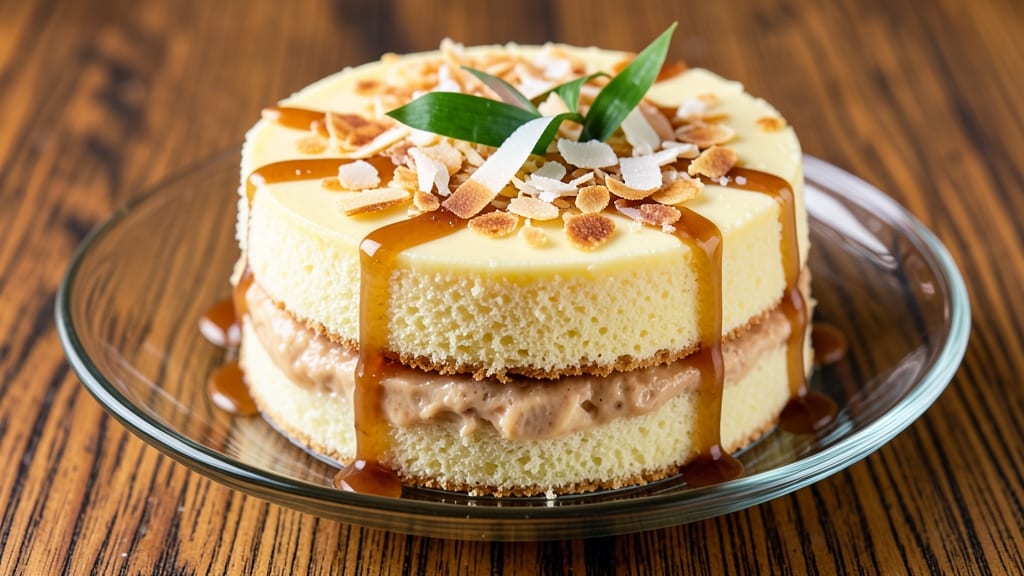
This Thai egg cake recipe transforms simple ingredients into delicate, fragrant bites of coconut-milk heaven—steamed to perfection with pandan's signature floral aroma. 🌿 The secret lies in the balance of sweetened coconut milk and tender egg custard, creating a texture that's both silky and subtly firm, with a golden crust that hints at tradition.
What sets these apart is the steaming method, which develops that signature Thai texture—neither too dense nor too fragile. The pandan extract infuses the coconut milk with a delicate, aromatic sweetness that elevates these beyond ordinary egg cakes.
Each bite delivers a harmonious blend of coconut creaminess and eggy richness, with just the right amount of sweetness. The result is a dessert that's elegant enough for special occasions but simple enough for weeknight treats.
These egg cakes hold their shape beautifully when stacked, making them perfect for gifting or serving at gatherings. The fragrance alone will transport you to Thailand's bustling street markets. For authenticity, serve warm with a dusting of toasted coconut flakes or a drizzle of palm sugar syrup.
Let's create these fragrant delights that taste like a piece of Thailand.
Ingredients for thai egg cake
Six eggs, coconut milk, and pandan extract create these delicate Thai egg cakes.
| Ingredient | Amount | Notes |
|---|---|---|
| Large Eggs 🥚 | 6 whole | Room temperature preferred |
| Sweetened Coconut Milk 🥥 | 1 ½ cups | Full-fat for creaminess |
| Granulated Sugar 🍚 | ½ cup | Or palm sugar for authentic flavor |
| Pandan Extract 🌿 | 1 tsp | Pure, food-grade only |
| All-Purpose Flour 🌾 | ¼ cup | Sifted for smooth batter |
| Unsalted Butter 🧈 | 2 tbsp | Melted for greasing molds |
| Toasted Coconut Flakes 🥥 | ¼ cup | For garnish, store-bought or homemade |
| Salt 🧂 | ¼ tsp | Fine sea salt preferred |
| Vanilla Extract 🌸 | ½ tsp | Pure vanilla for authentic aroma |
| Vegetable Oil 🫒 | 1 tbsp | For greasing molds |
| Palm Sugar Syrup 🍯 | ¼ cup | Optional for drizzling |
The coconut milk is non-negotiable—full-fat canned brands like Thai Kitchen give the richest texture. Look for sweetened versions in the Asian aisle (not the light coconut milk). Pandan extract is the soul of this recipe; Thai & Thai or Mae Ploy brands are reliable. The eggs should be at room temperature for even cooking, so take them out 30 minutes before mixing. If you can't find pandan extract, pandan leaves steeped in warm milk work in a pinch, but the flavor won't be as concentrated.
No palm sugar? Light brown sugar or turbinado sugar mimics the caramel notes, though palm sugar's floral depth is ideal. Swapping sweetened coconut milk for regular? Add 1 extra tablespoon of sugar to compensate. The coconut flakes should be toasted until golden—toast them in a dry pan over medium heat for 3-4 minutes, stirring constantly. For extra fragrance, infuse the coconut milk with pandan by steeping 2-3 strips of pandan leaf in the warm milk for 15 minutes before using, then strain.
These cakes keep beautifully for 2 days in an airtight container at room temperature, though they're best served fresh. Reheat gently in a steamer for 5-7 minutes to restore their silky texture. For make-ahead prep, mix the batter up to 24 hours ahead and refrigerate—bring it to room temperature before steaming. Stack them on a platter with a dusting of toasted coconut flakes and a drizzle of palm sugar syrup for serving. The aroma alone will draw everyone to the table.
Why You'll Love This Recipe
- No Mixer Needed: I swear by this—just whisk eggs and coconut milk until smooth. No stand mixer, no food processor, just a sturdy bowl and your arm. The pandan extract does the work of blending in flavors without extra effort.
- Sweet-Creamy Magic: That first bite of tender egg cake with the faint floral pandan and caramelized sugar? It’s like a dessert you didn’t know you needed. The coconut milk keeps it rich but not heavy, and the sugar melts into little pockets of gooey perfection.
- Breakfast or Dessert: Honestly, I’ve served this for brunch, as a snack with coffee, and even as a makeshift cake for birthdays. The simplicity lets it shine anywhere—just adjust the sugar if you want it sweeter for dessert or less for a savory twist (yes, I’ve tried it with soy sauce).
- Budget-Friendly Staples: You’re using ingredients you already have: eggs, sugar, flour. The coconut milk adds a little luxury, but it’s cheaper than buying a fancy cake mix. Plus, the leftovers? They stay fresh for days—perfect for when you’re too tired to bake again.
Step-by-step instructions for Thai egg cakes
Here's how to create silky, fragrant Thai egg cakes with perfect texture and aroma.
👨🍳 Step 1: Prepare the Batter Base
In a large mixing bowl, combine the 6 whole Large Eggs, 1.5 cups Sweetened Coconut Milk, 0.5 cup Granulated Sugar, 1 tsp Pandan Extract, 0.5 tsp Vanilla Extract, and 0.25 tsp Salt. Use a hand mixer or whisk to blend until the mixture is completely smooth and homogeneous—about 2-3 minutes. This step ensures all ingredients are fully incorporated, which prevents any lumps in your final egg cakes.
I like to use a fine-mesh sieve to sift the 0.25 cup All-Purpose Flour over the mixture while gently stirring with a spatula. This creates a silky texture without developing gluten, which keeps the cakes tender. The batter should be thin but coat the back of a spoon—similar to a light pancake batter. If it's too thick, add 1 tablespoon of water at a time until you reach the right consistency.
🍳 Step 2: Grease the Molds and Pour Batter
Melt the 2 tbsp Unsalted Butter in a small saucepan over low heat until completely liquid, then stir in 1 tbsp Vegetable Oil to create a smooth greasing mixture. Lightly brush this mixture into 4 silicone egg cake molds (or small ramekins) to coat the bottom and sides thoroughly. This prevents sticking and ensures easy release later.
Pour the batter evenly into each mold, filling them about ¾ full. Tap the molds gently on the countertop to remove any air bubbles that may have formed during mixing. Place the filled molds on a heatproof plate or tray—this makes transferring them to the steamer easier without spills. The batter should settle slightly, so don't overfill.
⏰ Step 3: Steam to Perfection
Set up a steamer by filling a large pot with 2-3 inches of water and bringing it to a rolling boil over medium-high heat. Once boiling, reduce heat to medium and place a steamer basket or rack inside. Arrange the molds in the basket, making sure they're not touching each other or the sides—this ensures even heat distribution.
Cover the steamer with a lid and steam for 12-15 minutes. You'll know they're done when the tops are slightly puffed and a toothpick inserted into the center comes out clean. The cakes should have a delicate, jiggly center that sets as they cool. Avoid opening the lid during steaming—this releases steam and can cause uneven cooking. If the water boils dry before the cakes are finished, add more boiling water to the pot.
🥘 Step 4: Finish and Serve
Remove the steamed egg cakes from the molds while they're still warm—this makes them easier to release. Place them on a wire rack to cool for 5 minutes, then transfer to a serving plate. Drizzle each cake with 0.25 cup Palm Sugar Syrup and sprinkle generously with 0.25 cup Toasted Coconut Flakes while still warm. The syrup adds a beautiful caramelized finish, and the coconut flakes provide texture contrast.
Serve immediately while the cakes are warm and fragrant. Each bite should deliver a delicate balance of coconut creaminess, subtle pandan aroma, and a touch of sweetness from the sugar. For an extra touch, garnish with a few extra flakes of toasted coconut or a sprinkle of powdered sugar. These cakes are best enjoyed fresh—they hold their texture for about 2 hours at room temperature before becoming slightly denser.
Pro Tips For Making Thai Egg Cake
- Whisk Eggs Like a Pro: Beat the eggs until they’re actually ribbony—no streaks, no lumps. I used to rush this, and the cake turned out dense. Take 30 seconds extra with a fork or whisk, or pulse in a blender for 10 seconds. Smooth eggs = light, airy texture.
- Bloom the Pandan First: Mix the pandan extract directly into the coconut milk before adding anything else. It dissolves better and infuses the flavor evenly. Skip this, and you’ll taste random pockets of extract instead of a consistent aroma.
- Don’t Overmix the Batter: Once you fold in the flour, stop after one gentle turn. Overmixing develops gluten, and your cake will turn out chewy instead of tender. Think "just combined," not "fluffy pancake batter."
- Preheat the Pan Low: Heat your pan on medium-low—high heat burns the coconut milk before the eggs set. I learned this after the first batch smelled like caramelized coconut instead of sweet, creamy cake. A warm (not hot) pan = even cooking.
Pro cooking tips for thai egg cake
Steam Control Secrets
Steaming is the soul of these egg cakes—never let the water in your pot boil dry during cooking. I keep a small pitcher of hot water nearby to add 1-2 tablespoons whenever the water level drops below 1 inch.
The goal is gentle, even heat—if your cakes brown too quickly, reduce the heat to medium-low and add more water. A steam basket with holes (not a solid plate) ensures proper airflow and prevents soggy bottoms. 🌿
Batter Consistency Tips
The batter should be thin but coat the back of a spoon—like a light pancake batter. If it’s too thick after adding flour, whisk in 1 tablespoon of warm water at a time until it reaches the right consistency.
I test by dipping a spoon in: if the batter slides off smoothly but leaves a slight trail, it’s perfect. Over-thickening leads to dense cakes, while too-thin batter can cause them to collapse during steaming.
Mold Mastery
Use silicone egg cake molds (or small ramekins) for the best results—they release cleanly and create that classic dome shape. Grease them thoroughly with melted butter and oil, then dust lightly with toasted coconut flakes before pouring the batter.
This extra step prevents sticking and adds subtle texture. If you don’t have molds, use greased muffin tins lined with parchment cups, but expect slightly less defined edges.
Pandan Infusion Hacks
For deeper pandan flavor, infuse the coconut milk by steeping 2-3 strips of fresh pandan leaf in ½ cup warm milk for 15 minutes, then strain. If using pandan extract, start with ½ teaspoon and adjust to taste—some extracts are more concentrated than others.
I’ve found Thai & Thai brand extract to be the most balanced. For a visual upgrade, add a drop of green food coloring (optional) to mimic the vibrant hue of traditional Thai versions.
Don’t Oversteam!
These cakes are delicate—oversteaming turns them rubbery. The perfect doneness is when the tops are slightly puffed and a toothpick comes out with moist crumbs (not wet batter). If your cakes aren’t set after 15 minutes, check the water level and steam 2-3 minutes longer.
Let them rest in the molds for 5 minutes after steaming before unmolding—they’ll hold their shape better and release more easily. 💫
Serving Like a Pro
Serve these cakes warm with a drizzle of palm sugar syrup (or honey) and a sprinkle of toasted coconut flakes for texture. For a restaurant-worthy touch, arrange them on a slate board with a side of mango slices or lychee.
The syrup should be warm—microwave it for 10-15 seconds before drizzling. If making ahead, steam the cakes, cool completely, then refrigerate in an airtight container for up to 2 days. Reheat gently in the steamer for 3-4 minutes to restore their silky texture.
Nutrition facts
Frequently asked questions
Can I make these Thai egg cakes without pandan extract?
Yes, but the flavor will be different. For a similar aroma, steep 2-3 pandan leaves in ½ cup warm coconut milk for 15 minutes before using. If unavailable, try ½ teaspoon vanilla extract + ¼ teaspoon lemon zest for a milder floral note. The cakes will still taste delicious but won't have that signature Thai fragrance.
What if I don't have egg cake molds? Can I use ramekins?
Grease small ramekins or muffin tins thoroughly with butter and oil, then line with parchment cups if needed. For a more authentic shape, use greased custard cups (about 4-ounce size). The texture will be similar, though the edges may be less defined than traditional molds.
Why did my egg cakes turn out dense instead of silky?
This usually happens from overmixing the batter or oversteaming. The batter should be smooth but not thick—like light pancake batter. Also, check your steaming time: 12-15 minutes is ideal. If your cakes browned too quickly, reduce the heat and add more water to the pot. Let them rest 5 minutes in molds after steaming before unmolding.
How do I store these egg cakes for later?
Store them in an airtight container at room temperature for up to 2 days. For longer storage, refrigerate for 3 days. To reheat, steam for 3-4 minutes or microwave for 10 seconds (covered) until warm. The texture will be slightly firmer but still delicious!
Can I substitute coconut milk with regular milk?
Not recommended—the rich coconut flavor is essential! If you must, use full-fat evaporated milk and add 1 extra tablespoon of sugar to compensate for the lack of sweetness. However, the texture and aroma won't be the same as traditional Thai egg cakes. For best results, stick with authentic sweetened coconut milk.