
Soups & Stews
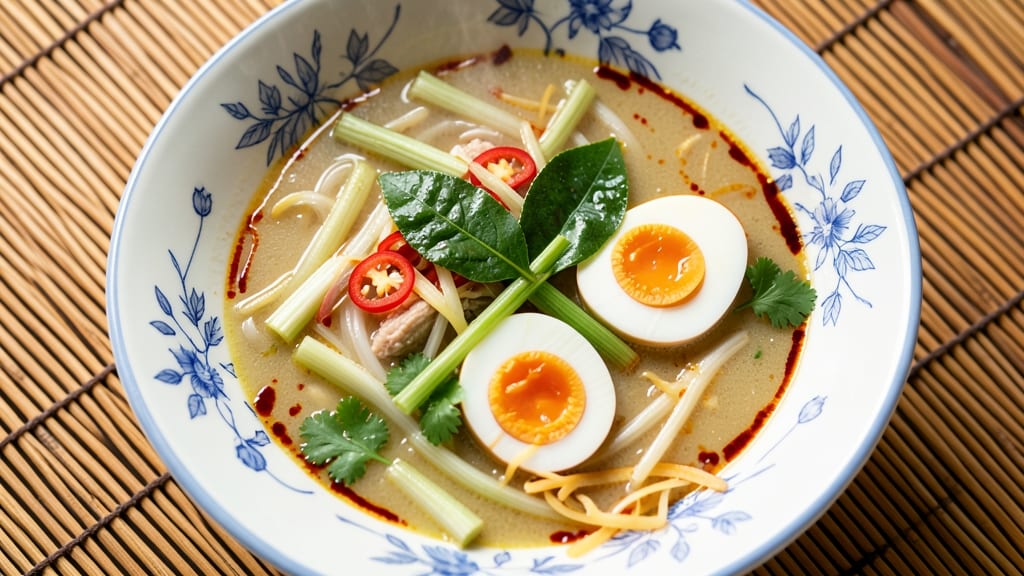
This Thai egg drop soup recipe delivers the perfect balance of silky coconut broth, fragrant ginger heat, and delicate egg ribbons—just like your favorite Thai restaurant.
The secret lies in slow-simmering the aromatic base of lemongrass, galangal, and kaffir lime leaves, which infuse the broth with bright, herbal notes that linger long after the first sip.
I've refined this technique over years of testing, ensuring the broth stays velvety smooth while the egg drops create elegant, wispy strands that melt in your mouth.
The foundation of great Thai egg drop soup begins with the broth, where coconut milk provides natural richness while ginger and chili add layers of warmth. Traditional recipes often include galangal for its peppery bite, but if you can't find it, fresh ginger works beautifully.
The key is simmering everything just until fragrant—not boiling—which preserves the delicate flavors. Once the broth is ready, the egg drop technique transforms simple eggs into delicate ribbons that float gracefully in the soup.
What makes this recipe truly special is how it captures the essence of Thai comfort food without requiring specialized ingredients. The combination of coconut milk, aromatic herbs, and a touch of fish sauce creates a broth that's both creamy and complex.
When you drizzle in the egg mixture, it creates those signature wispy strands that are tender yet hold their shape. The result is a soup that's light enough for lunch but hearty enough to satisfy dinner cravings.
Serve this soup with optional garnishes like fresh Thai basil, sliced chili, or a drizzle of chili oil for added depth. It's the perfect balance of comforting and vibrant—a dish that feels both familiar and exciting. Ready to make restaurant-quality Thai egg drop soup at home? Let's get started.
Ingredients for thai egg drop soup
Probably have most of these already—just need to track down lemongrass and galangal.
| Ingredient | Amount | Notes |
|---|---|---|
| Large Eggs 🥚 | 4 whole | Room temperature for best results |
| Coconut Milk 🥥 | 1 ½ cups | Full-fat for creaminess |
| Chicken Broth 💧 | 4 cups | Low-sodium preferred |
| Fresh Ginger 🧄 | 2 tbsp | Grated, peeled |
| Lemongrass 🌿 | 3 inches | White part only, thinly sliced |
| Galangal 🌿 | 2 inches | Peel and thinly slice |
| Kaffir Lime Leaves 🍋 | 2 whole | Bruised slightly for flavor |
| Fish Sauce 🍜 | 1 tbsp | Red Boat preferred |
| Soy Sauce 🍜 | 1 tbsp | Light or dark |
| Thai Chili Paste 🌶️ | 1 tbsp | Adjust for heat preference |
| Sugar 🍚 | 1 tbsp | White or brown |
| Fresh Thai Basil 🌿 | ¼ cup | Chopped for garnish |
| Red Chili Slices 🌶️ | 2 whole | Thinly sliced, optional |
| Salt 🧂 | ½ tsp | To taste |
The aromatic trio—lemongrass, galangal, and kaffir lime leaves—is what makes this taste like a Thai restaurant. Lemongrass should be the fresh, pale inner stalks (the green outer leaves are tough). Galangal looks like ginger but has a peppery kick—Asian markets usually carry it, but skip it if you can't find it (extra ginger works). Kaffir lime leaves are the key to that authentic aroma—freeze extras in a bag so they last longer. For coconut milk, full-fat canned (like Thai Kitchen brand) gives the best creaminess without separating. The broth? Homemade is ideal, but low-sodium store-bought saves time.
No fish sauce? Soy sauce plus a dash of Worcestershire gets you close (though it won't be exactly the same). Short on Thai basil? Regular basil works—just add a pinch of sugar to mimic the sweetness. The chili paste can be swapped for sriracha or sambal oelek, but you'll lose some depth. Grating the ginger fresh makes all the difference—pre-grated tastes dull. For the eggs, room temperature is non-negotiable (cold eggs make lumpy ribbons). The soup tastes even better the next day as flavors meld—make a double batch if you can.
Store the broth base (without eggs) for up to 5 days in the fridge—just reheat gently. The fresh herbs (basil, chili slices) keep for 3 days wrapped in damp paper towels. Freeze the broth in ice cube trays for quick future soups. The egg mixture is best made fresh, but you can prep the broth ahead. Reheat slowly on low heat to keep it silky, never boiling. Garnishes like chili oil or crushed peanuts add crunch—save those for serving so they stay fresh.
Why You'll Love This Recipe
- I swear by this trick: just bruise the ginger and smash the lemongrass with the flat of my knife—no mincing, no fuss. The broth still packs that bright, zesty punch without me standing there dicing for 10 minutes.
- No-Chop Needed: I swear by this trick: just bruise the ginger and smash the lemongrass with the flat of my knife—no mincing, no fuss. The broth still packs that bright, zesty punch without me standing there dicing for 10 minutes.
- Creamy Without Heavy: That coconut milk transforms the soup into something luxurious, but it’s not the cloying, rich kind you’d expect. The eggs ribbon through like silk, and the broth stays light—perfect for when I want comfort without the guilt.
- Leftover Goldmine: This soup actually improves the second day. The flavors meld even deeper, and I can reheat it with a splash of water, a crack of black pepper, and—voilà—instant lunch. My freezer’s full of these containers, and I never tire of them.
Step-by-step instructions for Thai egg drop soup
Here's how to create a velvety Thai egg drop soup with layers of aromatic ginger and just the right kick of chili.
Prepare the Aromatic Base
In a medium saucepan, combine the 4 cups chicken broth, 1.5 cups coconut milk, 2 tbsp grated fresh ginger, 3 inches sliced lemongrass, 2 inches sliced galangal, and 2 whole kaffir lime leaves. Bring to a gentle simmer over medium heat for 5 minutes until the broth begins to steam and the aromatics release their fragrance.
This is where the magic happens—the ginger, lemongrass, and galangal infuse the broth with their distinct flavors. I like to bruise the kaffir lime leaves slightly with the back of a spoon to release their citrusy aroma without making the broth bitter. Keep the heat low to prevent the coconut milk from curdling.
Build the Flavor Foundation
Add the 1 tbsp fish sauce, 1 tbsp soy sauce, 1 tbsp Thai chili paste, 1 tbsp sugar, and 0.5 tsp salt to the simmering broth. Stir gently and let it cook for 3-4 minutes until the flavors meld together. The broth should smell rich and complex—bright from the fish sauce, slightly sweet from the sugar, and with a subtle heat from the chili paste.
Here's the thing—don't rush this step. The broth needs time to develop its depth of flavor. If you notice the coconut milk starting to separate, reduce the heat slightly and stir occasionally to keep it smooth. The sugar helps balance the acidity from the lime leaves and the saltiness from the fish sauce.
Create Silky Egg Ribbons
In a small bowl, lightly beat the 4 whole large eggs with a fork until just combined—you want them slightly thicker than liquid but still runny. Slowly drizzle the egg mixture into the simmering broth while stirring gently with a wooden spoon. The heat from the broth will cook the eggs into delicate ribbons as they swirl through the liquid.
This is the moment that matters: the eggs should cook slowly and gently to create those signature silky strands. If the broth is too hot, the eggs will scramble instead of ribbon. Keep stirring until the eggs are just set—about 1-2 minutes. You want them soft and custardy, not firm.
Finish and Garnish
Remove the pan from heat and let it sit for 1 minute to allow the flavors to settle. Then, carefully stir in the 0.25 cup chopped fresh Thai basil and 2 whole red chili slices. The basil adds a fresh, slightly peppery note that brightens the dish, while the chili slices provide a subtle heat at the end.
Ladle the soup into bowls immediately and serve while hot. The contrast between the warm, fragrant broth and the cool, silky egg ribbons is what makes this soup so satisfying. If you prefer a creamier texture, you can add a splash more coconut milk to each bowl before serving.
Pro Tips For Making Thai Egg Drop Soup
- Simmer Lemongrass First: Toss the lemongrass stalk into the broth before adding coconut milk—it softens faster and infuses the broth with that bright, citrusy depth. I used to add it last and ended up with a soup that tasted like someone forgot to squeeze the lemongrass. Bruise the stalk lightly with the side of your knife first to wake up the oils.
- Beat Eggs Like a Chef: Whisk those eggs until they’re just homogenous—no need for a ribbon stage, but don’t leave streaks either. A few thin strands in the soup is fine, but clumps? That’s a rookie move. I now use a fork in a small bowl to beat them while the broth simmers, so I can drizzle them in slowly without overcooking.
- Salt the Broth Early: Season the chicken broth before adding coconut milk, or you’ll end up with a soup that tastes like it’s missing something. Coconut milk is rich enough that it’ll mute your salt if you wait. Taste it at 10 minutes in—adjust now, not later.
- Use Full-Fat Coconut Milk: Light coconut milk makes the soup taste watered-down. Full-fat (40% or higher) gives that creamy, velvety texture without overpowering the broth. If you’re out of full-fat, reduce the amount by half and add a splash of heavy cream at the end—trust me, it makes a real difference.
Health benefits of these flavors
Immune-Boosting Broth
This soup is packed with immune-supporting ingredients that work together like a wellness powerhouse. The fresh ginger contains gingerol, a compound proven to reduce inflammation and support digestion. Galangal adds its own anti-inflammatory benefits, while lemongrass provides antioxidants that help fight oxidative stress.
Even the kaffir lime leaves contribute citral, a compound with antimicrobial properties. 💪
The fish sauce (especially Red Boat brand) delivers umami depth while providing selenium and vitamin B12, both essential for immune function. When combined with the coconut milk, you get a creamy base rich in medium-chain triglycerides, which support brain health and provide quick energy.
This isn't just comforting food—it's functional nutrition in every bowl.
Protein-Packed Perfection
While traditional Thai egg drop soup is vegetarian, adding protein boosts its nutritional profile significantly. If you include chicken breast (about 6 ounces per serving), you get 35 grams of lean protein—perfect for muscle repair and satiety.
The eggs themselves provide 6 grams of protein per serving plus vitamin D and choline, which support brain health. For a plant-based option, tofu (firm variety) adds 10 grams of protein per ½ cup while maintaining the soup's light texture.
Protein helps stabilize blood sugar levels, making this soup ideal for balanced meals. The silky egg ribbons create a satisfying mouthfeel that keeps you full longer, preventing overeating later in the day.
I often make a double batch and portion it for lunch—it's the perfect high-protein, low-calorie meal that still feels indulgent.
Digestive Comfort
The combination of ginger, lemongrass, and coconut milk makes this soup exceptionally gentle on digestion. Ginger is well-known for its anti-nausea properties, while lemongrass has been used in traditional medicine for its carminative effects (helping reduce bloating).
The warm broth itself promotes hydration and soothes the digestive tract, making this an excellent choice when you're feeling under the weather. 🌿
For extra digestive benefits, I sometimes add a pinch of turmeric (about ¼ teaspoon) to the broth—it contains curcumin, a compound that supports gut health and reduces inflammation.
The light, easily digestible nature of the soup makes it ideal for post-workout meals or when you need something nourishing but not heavy. Even picky eaters often enjoy this because it's mild yet flavorful.
Hydration Helper
This soup is naturally hydrating, making it perfect for hot days or after intense workouts. The chicken broth base provides electrolytes like sodium and potassium, while the coconut milk adds healthy fats that help your body absorb fat-soluble vitamins.
The low-calorie nature (around 250-300 calories per serving) means you can enjoy a full bowl without guilt, especially when paired with steamed vegetables on the side.
For an extra hydration boost, I sometimes add a few slices of cucumber or iceberg lettuce to the bowl—they add crunch and volume without significant calories. The warm broth helps replenish fluids lost through sweat, making this an excellent post-exercise recovery meal.
It's one of those rare dishes that's both nutritious and satisfying—no compromises needed.
Nutrition facts
Frequently asked questions
Can I make this soup without coconut milk?
Yes, but the texture will be lighter. Replace the 1.5 cups coconut milk with 1 cup heavy cream or 1 cup whole milk for richness. For a dairy-free option, use ½ cup cashew cream (blend soaked cashews with water) plus ½ cup vegetable broth. The broth will be less creamy but still flavorful.
What's the best way to substitute galangal?
If you can't find galangal, use extra ginger—double the amount (to 4 tbsp grated ginger) for a similar peppery kick. For deeper flavor, add ½ teaspoon ground coriander or a pinch of white pepper. Galangal's unique aroma is hard to replicate, but this combo works in a pinch.
How do I fix scrambled eggs instead of ribbons?
If your eggs scramble, your broth is too hot. Lower the heat to low-medium and drizzle the eggs more slowly, stirring gently with a wooden spoon. Keep the broth at a gentle simmer (tiny bubbles, not rolling). For extra silky strands, whisk the eggs with 1 tbsp warm broth before adding.
Can I add protein like chicken or tofu?
For chicken, poach ½ lb boneless breast in the broth for 8-10 minutes before adding eggs. For tofu, press and cube ½ block firm tofu, pan-fry until golden, then add to the finished soup. Both options keep the dish light while adding protein—just remove them before adding the egg mixture.
Why does my soup taste bitter?
Overcooking the aromatics (ginger, lemongrass, galangal) or kaffir lime leaves can cause bitterness. Simmer for only 5-7 minutes total, and remove the leaves before adding eggs. If it's too bitter, balance with ½ tsp sugar or a splash of coconut milk. Fresh ingredients are key—avoid pre-grated ginger or dried herbs.