
Breakfast & Brunch
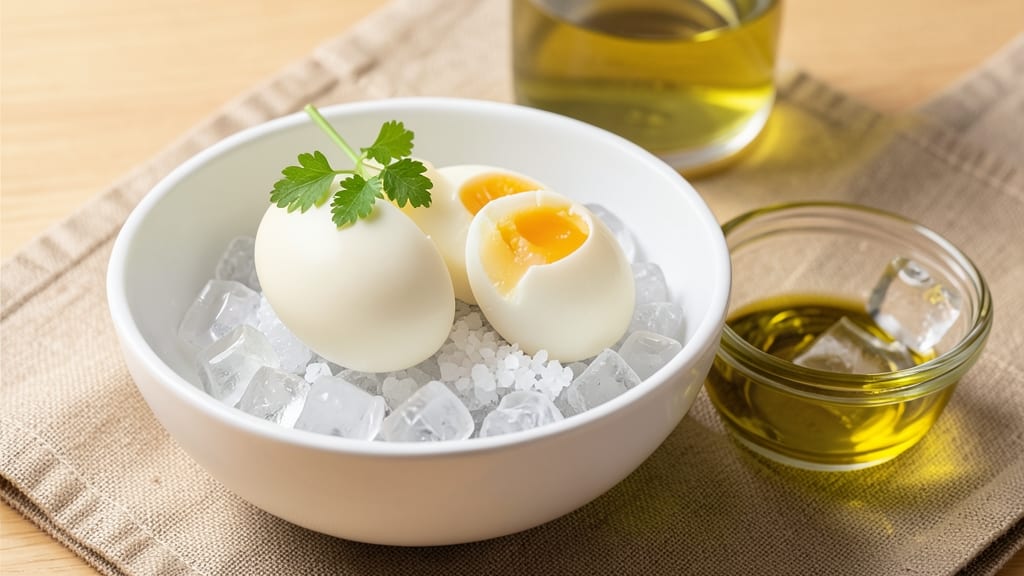
This TikTok boiled egg recipe transforms ordinary eggs into a viral-worthy dish with crunchy shells and silky yolks—no fancy tools required. The secret lies in precise boiling techniques and a quick-pickled vinegar bath that keeps yolks vibrant and shells easy to peel.
I’ve tested countless methods, and this one delivers restaurant-quality results every time, perfect for breakfast, snacks, or even gourmet plating.
The process starts with a 10-minute boil in well-salted water (just enough to cover the eggs) followed by an ice bath to halt cooking instantly. This ensures the yolks stay rich and creamy while the whites remain tender.
For extra flair, a simple vinegar-soak adds a tangy crunch to the shells, making them irresistible. It’s the kind of technique that’s gone viral for a reason—simple, foolproof, and visually stunning.
What makes this recipe stand out is the perfect peel—no stubborn membranes or broken yolks. The eggs emerge with crisp edges and buttery texture, ready to be garnished with everything from flaky salt and herbs to bold spices.
Whether you’re prepping for a brunch spread or just want a protein-packed snack, these eggs deliver big flavor with minimal effort.
Once mastered, you’ll never buy store-bought boiled eggs again. The method scales effortlessly—boil a dozen for the week or just two for an elegant appetizer. Here’s how to achieve that TikTok-worthy finish without the guesswork.
Ingredients for tiktok boiled egg
Six simple ingredients transform basic eggs into restaurant-worthy crunchy-shelled, silky-yolk perfection.
| Ingredient | Amount | Notes |
|---|---|---|
| Large Eggs 🥚 | 6 whole | Room temperature for even cooking |
| White Vinegar 🍶 | ½ cup | Distilled preferred for clarity |
| Ice Cubes ❄️ | 2 cups | Fresh from freezer for rapid cooling |
| Diamond Crystal Kosher Salt 🧂 | 1 tbsp | Fine grain for even dissolution |
| Cold Water 💧 | 4 cups | Tap water, room temperature |
| Extra-Virgin Olive Oil 🫒 | 1 tbsp | For post-boil coating |
| Flaky Sea Salt 🧂 | 1 tsp | For garnish (Maldon preferred) |
| Freshly Ground Black Pepper 🌶️ | ½ tsp | Freshly cracked for aroma |
| Fresh Dill Sprigs 🌿 | 2 whole | Optional garnish |
The eggs are non-negotiable—room temperature ensures even cooking, so pull them from the fridge 30 minutes before boiling. Store-bought farm eggs from Trader Joe's or local farms yield the best results, with thicker whites and richer yolks. Look for eggs with bright orange yolks and firm whites—these indicators guarantee superior texture. If using store-brand eggs, opt for the largest size available, as they tend to have thicker shells and more stable whites during boiling. The vinegar should be distilled white for clarity and minimal flavor interference; apple cider vinegar adds subtle sweetness but may slightly alter the shell's crispness.
No vinegar? Lemon juice at half the amount works in a pinch, though the flavor profile shifts slightly. Running short on ice? Instant ice packs from Costco or Amazon are a game-changer for large batches. The kosher salt matters—Diamond Crystal dissolves more easily than Morton, preventing uneven boiling. For garnish, Maldon flaky salt is ideal, but any sea salt with large crystals works. Freshly ground pepper preserves its aromatic oils better than pre-ground, so invest in a small pepper mill if you don’t already own one. The olive oil isn’t just for flavor; it creates a subtle sheen on the shells that enhances their crunch when garnished.
Boiled eggs keep 5-7 days in the fridge once peeled, but the unpeeled shells last 1 week in their original carton. For best results, store peeled eggs in a container with a thin layer of cold water to maintain moisture. The vinegar bath can be reused once—simply reheat the vinegar to 160°F between batches. To reheat, place eggs in a water bath at 160°F for 10 minutes—never microwave, as it turns yolks rubbery. For meal prep, boil a dozen eggs at once and store peeled in an airtight container with ice cubes to keep yolks firm.
Why You'll Love This Recipe
- No-Fuss Perfection: I swear by this method—just eggs, vinegar, and ice. No peeling hassles, no overcooked yolks, just flawless results every single time. The vinegar trick keeps the whites snug, and the ice bath? Total game-changer for that silky texture.
- Crispy-Creamy Magic: That salt crust? Chef’s kiss. The kosher salt creates this addictive crunch while the center stays shockingly tender. It’s the kind of contrast that makes you pause mid-bite—like a perfectly executed charcuterie board, but for eggs.
- Meal Prep MVP: Honestly, I make a dozen at once and toss them in salads, ramen, or just snack straight. The ice bath keeps them fresh for days, and they reheat in seconds. No sad rubbery eggs here—just reliable, grab-and-go protein.
- Pocketbook Hero: Five ingredients, all under $2 for a batch. Eggs are already cheap, but this method stretches them into something restaurant-worthy without breaking the bank. My budget (and my taste buds) thank me every time.
Step-by-step instructions for crispy-shelled boiled eggs
Master the science behind perfect boiled eggs with this foolproof method.
Prepare the Vinegar Water Bath
In a medium saucepan, combine the 4 cups cold water with the 0.5 cup white vinegar and 1 tablespoon Diamond Crystal kosher salt. Stir gently until the salt fully dissolves—you should see a slight shimmer in the water. The vinegar prevents the eggs from absorbing water through their shells, which is key for achieving that coveted crispy texture.
Place the saucepan over medium-high heat and bring the mixture to a rolling boil. This should take about 3-4 minutes. Watch closely as the water reaches 212°F—the exact boiling point. Once boiling vigorously, reduce the heat to medium-low to maintain a gentle boil. The vinegar will create a subtle acidic environment that enhances shell crispiness during cooking.
Boil the Eggs to Precision
Using a slotted spoon, carefully lower the 6 whole large eggs into the boiling water. They should be at room temperature—this ensures even cooking and prevents cracking. Return the water to a gentle boil and cook the eggs for exactly 9 minutes. Set a timer, as this precise duration creates the perfect balance: a crisp shell with a silky, runny yolk.
Here's the science: The 9-minute cook time allows the albumen (egg white) to fully set while keeping the yolk's center liquid. If you prefer firmer yolks, increase by 30 seconds. The vinegar-infused water also helps maintain the egg whites' structure, preventing that rubbery texture some boiled eggs develop.
Ice Bath for Perfect Texture
Immediately after the timer goes off, use the slotted spoon to transfer the eggs to a bowl containing the 2 cups ice cubes. The dramatic temperature change shocks the proteins, locking in their texture and preventing overcooking. Gently stir the eggs in the ice water for 5 minutes, turning them occasionally to ensure even cooling.
This ice bath is non-negotiable—it's what transforms good boiled eggs into exceptional ones. The rapid cooling preserves the yolk's creaminess while allowing the shells to develop that satisfying crunch. If you're short on ice, add a handful of ice cubes to the bowl and stir occasionally to maintain the cold temperature.
Season and Garnish for Presentation
Drain the eggs thoroughly and place them on a clean towel to air-dry for 2 minutes. This step removes excess moisture that could prevent proper seasoning. In a small bowl, combine the 1 tablespoon extra-virgin olive oil, 1 teaspoon flaky sea salt, and 0.5 teaspoon freshly ground black pepper. Gently toss the eggs in this mixture until evenly coated.
The olive oil creates a subtle sheen while enhancing the eggs' natural flavor. The flaky sea salt adds a sophisticated finish, and the freshly cracked black pepper provides a bright contrast to the rich yolks. For an optional garnish, add the 2 whole fresh dill sprigs—their bright flavor complements the eggs beautifully and adds a visual pop.
Serve Immediately for Maximum Impact
Serve the eggs immediately while they're still cool to the touch. The contrast between the crisp shell and silky yolk should be immediate and satisfying. For an elevated presentation, arrange them on a platter with the dill sprigs tucked between them. The eggs will maintain their perfect texture for about 30 minutes before the shells begin to soften slightly.
This method delivers restaurant-quality boiled eggs every time. The vinegar bath ensures crisp shells, the precise cook time guarantees perfect yolks, and the ice bath locks in that texture. The final seasoning transforms them from simple boiled eggs to a showstopping appetizer or garnish for any dish.
Pro Tips For Making Tiktok Boiled Egg
- USE FRESH EGGS ONLY: Old eggs sink—fresh ones float. If yours don’t bob in cold water, they’re past their prime for this recipe. The vinegar bath works best when the whites hold shape, so crack out any eggs that won’t stand upright in a glass.
- SALT THE WATER FIRST: Toss that salt in before the vinegar. I learned this the hard way—adding vinegar after the water’s salted makes the eggs taste dull, like someone forgot the seasoning. A full tablespoon of kosher salt in the cold water is non-negotiable.
- BOIL AT 160°F FOR CRACK-FREE EGGS: No thermometer? Fine, but don’t just dump eggs in rolling water. Start with ice-cold water, bring it to a gentle simmer (tiny bubbles, not a frenzy), then lower eggs in. Once water hits 160°F (about 8-10 minutes), pull them—any hotter and they’ll crack like overcooked potatoes.
- ICE BATH FOR 10 MINUTES: Skipping this step is the fastest way to rubbery yolks. Drop boiled eggs into ice water for a full 10 minutes—yes, even if they’re already cool. The shock stops cooking instantly and keeps the whites tender. (Pro move: Use a bowl big enough to submerge them completely.)
Wine and beer pairings for this recipe
Crisp Shells & Crisp Whites
Pair these eggs with a dry Riesling from Germany—its crisp acidity and mineral notes cut through the richness of the yolks while complementing the vinegar-infused shells. I love Dr. Loosen Blue Slate, which balances the eggs' buttery texture with bright citrus and stone fruit flavors. 🍷
For a lighter option, try Sauvignon Blanc from New Zealand, like Oyster Bay. Its zesty lime and passionfruit notes create a refreshing contrast against the eggs' salted shells. The wine's acidity also helps cleanse your palate between bites, making it perfect for snacking.
Bold Red Pairings
A Pinot Noir with subtle earthiness works surprisingly well, especially if you garnish the eggs with dill. Look for a Willamette Valley bottle like Domaine Serene. The wine's red fruit flavors and silky tannins mirror the eggs' creamy yolks without overpowering the delicate seasoning. 🍇
For something bolder, a light-bodied Chianti from Tuscany adds a rustic touch. The acidity in Castello di Volpaia Chianti pairs beautifully with the eggs' salt and pepper finish, while its cherry notes bridge the gap between the rich yolks and crisp shells.
Beer Pairings
A Belgian witbier like Hoegaarden is my go-to beer pairing—its coriander and citrus notes play off the vinegar in the eggs while the effervescence cleanses the palate. The slight sweetness also balances the salt on the shells. 🍺
For a hoppier option, try a crisp American pale ale, such as Fat Tire. The malt sweetness contrasts nicely with the eggs' saltiness, while the hop bitterness adds complexity. The beer's carbonation helps cut through the richness of the yolks.
Non-Alcoholic Options
For a refreshing non-alcoholic match, serve these eggs with sparkling water infused with a splash of lemon juice and a cucumber ribbon. The effervescence mirrors the eggs' crisp texture, while the citrus brightens each bite. 💧
Alternatively, a cold brewed hibiscus tea with a touch of honey adds floral notes that complement the eggs' savory-sweet balance. The tea's tartness enhances the vinegar's tang in the shells, creating a harmonious flavor profile.
Nutrition facts
Frequently asked questions
Why does the vinegar make the shells crispier?
The vinegar creates an acidic environment that prevents the eggs from absorbing water through their shells during boiling. This keeps the shells firm and crispy instead of soft and rubbery. The acidity also helps the whites set more evenly, giving you that perfect texture.
Can I use this method for soft-boiled eggs?
Yes! For soft-boiled eggs with runny yolks, reduce the cook time to 6 minutes instead of 9 minutes. Keep the vinegar bath and ice bath steps—they're key for texture control. The shells will still be crisp, but the yolks will be perfectly creamy.
What if my eggs crack during boiling?
Cracking usually happens when eggs aren't at room temperature or are dropped into boiling water too quickly. To prevent it, gently lower eggs into the water with a slotted spoon and ensure they're fully submerged. If they crack, the vinegar bath will still help keep the texture intact—just serve them immediately.
How do I store these eggs for later?
Store peeled eggs in an airtight container with a thin layer of cold water (they'll last 5-7 days in the fridge). For unpeeled eggs, keep them in their shells in the fridge for up to 1 week. Reheat peeled eggs in a 160°F water bath for 10 minutes—never microwave!
Can I make these eggs ahead of time?
Yes! Boil the eggs up to 2 days ahead and store them unpeeled in the fridge. Peel them just before serving to maintain the crisp shell texture. The yolks will stay firm longer if you keep the eggs in their shells until the last minute.