
Sauces & Condiments
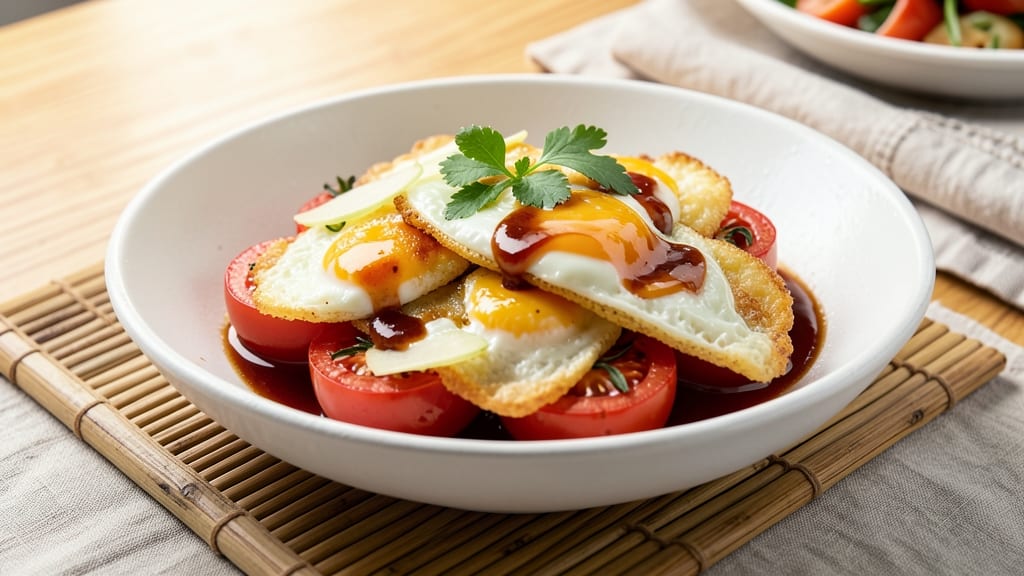
This tomato egg Chinese ketchup recipe transforms simple pantry staples into a bold, umami-rich condiment that elevates stir-fries, noodles, and grilled meats. 🌟 The secret lies in simmering tomatoes and eggs with soy sauce, vinegar, and spices until thickened into a glossy, tangy paste—far more complex than store-bought versions.
I developed this after realizing how much better homemade ketchup tastes when built from scratch, with layers of sweet, salty, and slightly funky depth.
The beauty of this recipe is its versatility—it works as a dipping sauce, stir-fry glaze, or even a marinade, all while keeping ingredients minimal and technique straightforward. The eggs add a velvety texture and subtle richness, while the soy-vinegar base delivers that signature Chinese ketchup tang.
What you'll end up with is a glossy, flavor-packed condiment that clings beautifully to food and stays fresh for weeks in the fridge.
Perfect for weeknight cooking or meal prep, this ketchup requires just 15 minutes of active time and a little patience for simmering. The result? A condiment so good, you'll reach for it every time you crave that perfect balance of sweet, salty, and umami in your dishes.
Whether you're drizzling it over rice bowls or using it as a marinade, this recipe delivers restaurant-quality flavor at home.
Don't be afraid to experiment—add a pinch of chili for heat, extra sugar for sweetness, or even a splash of fermented black vinegar for depth. The possibilities are endless, but the foundation remains simple: tomatoes, eggs, and a few key ingredients that come together to create something truly special.
Ingredients for tomato egg chinese recipe ketchup
Nine essential ingredients transform into a restaurant-quality Chinese ketchup with umami depth and velvety texture.
| Ingredient | Amount | Notes |
|---|---|---|
| Canned Tomatoes 🍅 | 1 lb | San Marzano preferred for sweetness |
| Large Eggs 🥚 | 4 whole | Room temperature for even cooking |
| Light Soy Sauce 🍶 | ½ cup | High-quality, low-sodium preferred |
| Rice Vinegar 🍶 | ¼ cup | Seasoned variety for depth |
| Granulated Sugar 🍚 | ¼ cup | Adjust to taste for sweetness |
| Fresh Ginger 🌿 | 1 tbsp | Finely grated, aromatic |
| Garlic Cloves 🧄 | 4 cloves | Minced, aromatic intensity |
| Sesame Oil 🫒 | 1 tbsp | Toasted, for nutty aroma |
| Cornstarch 🌾 | 1 tbsp | For thickening consistency |
| Red Chili Flakes 🌶️ | ½ tsp | Adjust for heat preference |
The tomatoes form the base—San Marzano delivers the sweetest flavor, but any canned tomatoes work in a pinch. Whole Foods or Trader Joe's carry high-quality options, but don't overlook the store brand if it's vine-ripened. The eggs are non-negotiable for that signature texture; room temperature eggs blend more smoothly. For soy sauce, Kikkoman or Lee Kum Kee are reliable choices, but any light soy will work. Rice vinegar should be seasoned—it adds that subtle tang that sets this apart from Western ketchup. If you can't find it, sub with apple cider vinegar and a pinch of sugar.
No sesame oil? Toasted peanut oil works beautifully, though the flavor profile shifts slightly. Short on cornstarch? Arrowroot powder at the same amount is a perfect substitute. The ginger and garlic are best fresh, but if you're in a bind, powdered ginger at half the amount will get you close. For heat, Sichuan peppercorns toasted and ground add a unique tingling sensation. The sugar can be swapped for honey or maple syrup, though granulated is most precise. Always taste as you go—the balance of sweet, salty, and umami is delicate and worth adjusting.
This ketchup thickens as it cools, so refrigerate it immediately after simmering. Keeps for 3-4 weeks in an airtight jar in the fridge. For longer storage, portion into ice cube trays and freeze—each cube makes a perfect single-use portion. The flavor actually improves after 24 hours as the ingredients meld. Store any unused sesame oil in the fridge after opening to preserve its delicate aroma.
Why You'll Love This Recipe
- Pantry Powerhouse: I swear by this one—just crack eggs into simmering tomatoes, add a splash of soy sauce and vinegar, and let the sugar caramelize. No fresh herbs, no fancy prep, and still ridiculously good.
- Sweet-Savory Magic: That balance of tangy rice vinegar and just enough sugar to round it out? It’s the kind of flavor that makes you pause mid-bite. The eggs soak up the sauce perfectly—creamy yolks against the bright, slightly sticky tomato glaze.
- Leftover Reinvention: Make a big batch and eat it for days. Scramble the leftovers into rice, toss them into noodles, or just eat them straight from the pot with a spoon. (Yes, I’ve done that.)
- Budget Breakfast Win: Canned tomatoes and eggs? Check. Soy sauce and vinegar? Already in your cupboard. This feeds four for under $3 and still feels like a special treat—no takeout needed.
Step-by-step instructions for tomato egg Chinese ketchup
This umami-rich condiment delivers restaurant-quality depth to stir-fries and noodles.
🍳 Step 1: Blend the Tomato Base
Pour the 1 lb canned tomatoes into a blender along with the 0.25 cup rice vinegar and 0.25 cup granulated sugar. I like to use San Marzano tomatoes here—their natural sweetness balances the acidity beautifully. Blend until completely smooth, scraping down the sides as needed. The mixture should be completely free of lumps, with a vibrant red color that signals we're ready for the next stage.
This blending step creates the foundation of our ketchup. The acidity from the vinegar and sweetness from the sugar will meld perfectly with the tomatoes' natural flavors. Don't rush this step—proper blending ensures a silky texture in the final product. If your blender struggles, you can strain the mixture through a fine-mesh sieve afterward to remove any stubborn bits.
👨🍳 Step 2: Prepare the Egg Mixture
In a separate bowl, whisk together the 4 whole large eggs until they're completely homogenous and pale yellow. This is crucial for even cooking later. Add 0.5 cup light soy sauce and 0.5 tsp red chili flakes, whisking until fully incorporated. The eggs should thicken slightly as they absorb the soy sauce and chili.
I always use room-temperature eggs for this recipe—they emulsify better and cook more evenly. The soy sauce adds that essential umami depth while the chili flakes provide a subtle heat that lingers. This mixture will transform into the signature egg ribbons that make this ketchup so special. Keep this bowl ready—we'll combine it with the tomato base in the next step.
🔥 Step 3: Cook the Base and Thicken
Transfer the blended tomato mixture to a medium saucepan and place it over medium-high heat. Add the 1 tbsp finely grated fresh ginger and 4 cloves minced garlic, stirring constantly for 2-3 minutes until the mixture begins to bubble gently. This is where the aromatics infuse their magic—you'll smell that beautiful ginger-garlic combination that's the soul of this condiment.
Once bubbling, reduce heat to medium-low and let it simmer for 10-12 minutes until it thickens slightly. Then, slowly whisk in the egg mixture in a thin stream while stirring constantly. This is the most critical step—adding the eggs too quickly can cause curdling. The mixture should thicken noticeably as it cooks, forming those characteristic egg ribbons that give this ketchup its name.
🥘 Step 4: Finish with Sesame Oil and Cornstarch
After the egg mixture has fully incorporated and the sauce has thickened to your desired consistency (it should coat the back of a spoon), remove the pan from heat. Stir in the 1 tbsp sesame oil and 1 tbsp cornstarch mixed with 2 tablespoons water to create a slurry. The sesame oil adds that nutty aroma that's so characteristic of Chinese cuisine, while the cornstarch slurry helps achieve the perfect glossy finish.
Return the pan to low heat and let it simmer gently for another 3-5 minutes, stirring constantly, until the sauce reaches that perfect balance of thickness and gloss. You're aiming for a consistency that's thicker than store-bought ketchup but still pourable. Taste and adjust the seasoning if needed—you might want to add a bit more sugar for sweetness or a splash more rice vinegar for acidity. The sauce should be complex with layers of sweet, sour, umami, and subtle heat.
⏰ Step 5: Rest and Store Properly
Transfer the finished ketchup to a clean glass jar and let it cool completely at room temperature. I know it's tempting to use it immediately, but allowing it to rest for at least 1 hour (or refrigerate for 30 minutes) lets the flavors meld perfectly. The egg ribbons will set slightly, giving the ketchup its signature texture.
Once cooled, store in the refrigerator where it will keep for up to 2 weeks. This condiment is incredibly versatile—use it as a dipping sauce for dumplings, a stir-fry glaze, or a topping for noodle dishes. The flavors actually improve over time, so make extra if you can. When ready to use, give it a good stir as the egg ribbons may separate slightly during storage. This ketchup delivers that authentic Chinese restaurant taste you love, with its perfect balance of sweet, sour, umami, and just a hint of spice.
Pro Tips For Making Tomato Egg Chinese Recipe Ketchup
- Boil Eggs Until Firm: I learned this the hard way—soft eggs turn mushy when they hit the simmering tomato sauce. Drop them into boiling water for exactly 9 minutes, then plunge into ice water. The yolk should hold its shape when poked, or the sauce will turn into a runny mess.
- Crush Tomatoes by Hand: Skip the blender—canned tomatoes have thick skins and seeds that clog immersion blenders. Grab a wooden spoon and mash them against the pan’s sides until smooth. This also helps release more flavor and avoids that weird pulpy texture in the final sauce.
- Balance Vinegar Gradually: Rice vinegar is the star here, but dumping it all in at once makes the sauce tart and unbalanced. Start with 1 tablespoon, taste, then add another ½ teaspoon at a time. You’re aiming for bright, not sour—trust your tongue, not the recipe.
- Simmer Low and Slow: This isn’t a quick stir-fry. After adding soy sauce and sugar, reduce heat to a gentle simmer and let it cook uncovered for 10–15 minutes. Rushing it leaves the sauce thin and the flavors flat—patience here makes the difference between good and really good.
Serving suggestions for this recipe
Dipping Sauce Perfection
This ketchup shines as a dipping sauce for crispy dumplings or spring rolls. 🥟 Serve it warm in small bowls with a drizzle of sesame oil and extra red chili flakes on the side. For extra flair, sprinkle with toasted sesame seeds right before serving.
The egg ribbons create a luxurious texture that contrasts beautifully with the crunch of fried foods. I like to keep a small jar on hand for quick appetizers—it transforms simple takeout into a restaurant-worthy experience.
Stir-Fry Glaze
Use this ketchup as a finishing sauce for stir-fries, adding 1-2 tablespoons during the last 2 minutes of cooking. Toss with garlic green beans or shrimp and bell peppers for instant depth. The sauce clings beautifully to proteins and vegetables, creating a glossy, flavorful coating.
For extra richness, stir in 1 teaspoon of oyster sauce just before serving. It’s my go-to for quick weeknight meals that still feel special.
Noodle Bowl Topping
Drizzle this ketchup over ramen, udon, or rice noodles for a vibrant, umami-packed topping. Pair it with soft-boiled eggs, sliced scallions, and crispy fried shallots for a balanced bowl. The egg ribbons in the sauce add a silky contrast to the chewy noodles.
I often make a double batch to keep in the fridge—it’s the perfect quick assembly for busy nights when I crave something flavorful but easy.
Marinade Magic
Use this ketchup as a marinade for grilled chicken, pork, or tofu by mixing ¼ cup with 1 tablespoon soy sauce and 1 teaspoon honey. Let the protein marinate for 30-60 minutes before grilling or roasting.
The sauce caramelizes beautifully, creating a sticky, flavorful crust. It’s especially delicious on pork belly slices or chicken thighs, adding a sweet-savory glaze that’s irresistible. 🔥
Sandwich Spread
Spread this ketchup on toasted baguettes with grilled chicken, avocado, and sprouts for a gourmet twist on sandwiches. The tangy-sweet flavor balances rich ingredients perfectly. For extra texture, add a sprinkle of crushed peanuts or pickled jalapeños.
It’s a game-changer for lunchbox meals—packed with flavor but still easy to assemble. I love making a batch on Sundays to use all week.
Garnish Game-Changer
Drizzle this ketchup over steamed buns, bao, or even pizza for a bold flavor boost. The egg ribbons add a luxurious touch, while the umami depth elevates simple dishes. For a fun presentation, swirl the ketchup artistically with a toothpick before serving.
It’s especially delicious on pork buns or as a topping for crepes with fresh fruit. The possibilities are endless—let your creativity shine! ✨
Nutrition facts
Frequently asked questions
Why do I need eggs in this Chinese ketchup?
The eggs create signature egg ribbons that give this sauce its luxurious texture and velvety mouthfeel. When cooked properly, they dissolve into delicate strands that add richness without overpowering the tomato base. This is what sets authentic Chinese ketchup apart from Western versions!
Can I make this ketchup without a blender?
Yes! If you don't have a blender, simply mash the canned tomatoes with a fork or potato masher until smooth. For extra silky texture, strain the mixture through a fine-mesh sieve afterward. The key is removing all lumps so the final sauce is glossy and consistent.
How do I fix curdled eggs in my ketchup?
If your eggs curdle, don't panic! Remove the pan from heat immediately and whisk in 1 teaspoon of cornstarch mixed with 1 tablespoon water to stabilize the mixture. Then return to low heat and cook gently for 2-3 minutes, stirring constantly. The cornstarch will help smooth out the texture while adding body to the sauce.
What's the best way to store leftovers?
Transfer the cooled ketchup to an airtight glass jar and refrigerate. It keeps for 2-3 weeks in the fridge. For longer storage, portion into ice cube trays and freeze—each cube makes a perfect single-use portion. The flavors actually develop more depth over time, so make extra if you can!
Can I adjust the spice level?
For more heat, add ½ teaspoon extra chili flakes or 1 teaspoon of gochujang at the end. For a milder version, reduce the chili to ¼ teaspoon or omit it entirely. You can also add ½ teaspoon of Sichuan peppercorns (toasted and ground) for a unique tingling sensation.