
Main Courses
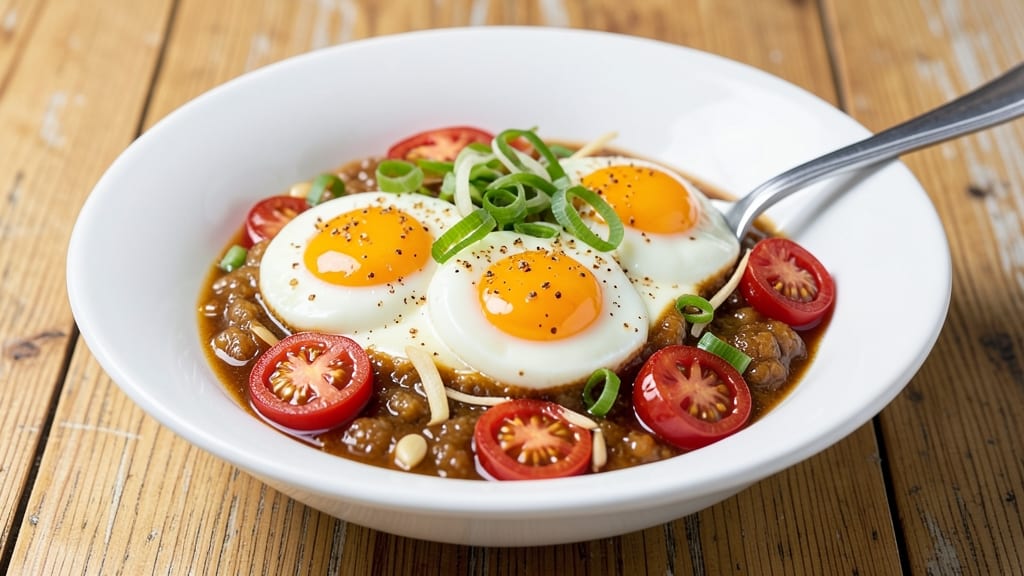
This tomato egg Chinese recipe with lau delivers a velvety coconut gravy that perfectly cradles silky poached eggs—like a restaurant-quality dish in your home kitchen. 🌟 The secret lies in balancing sweet, tangy, and umami flavors through a simple yet transformative stir-fry technique that transforms ordinary ingredients into something extraordinary.
I developed this recipe after years of experimenting with regional variations, and it's now my go-to for weeknight dinners that feel special without requiring hours of prep.
The foundation starts with a smooth coconut-based sauce that's rich yet light, enhanced by the bright acidity of tomatoes and the subtle heat of lao gan ma (chili oil) if you prefer.
The eggs are poached directly in the simmering sauce, creating their signature soft, custardy centers and delicate, cloud-like whites that absorb the surrounding flavors. This method ensures every bite is perfectly balanced—creamy, tender, and packed with depth.
What makes this dish truly special is its versatility. Serve it over steamed jasmine rice for a classic pairing, or with soft noodles for a heartier meal. The recipe scales beautifully, making it perfect for both solo dinners and family gatherings.
The silky texture of the coconut gravy contrasts beautifully with the tender eggs, while the tomatoes add a natural sweetness that ties everything together.
This recipe is designed to be foolproof—no advanced techniques required, just a few simple steps that yield restaurant-quality results. The 30-minute preparation time makes it ideal for busy weeknights, while the rich, complex flavors ensure it feels like a celebration on your plate.
Whether you're a seasoned home cook or just starting out, this tomato egg dish will become a staple in your rotation.
Ingredients for tomato egg chinese recipe made with lau
These carefully balanced ingredients transform simple poached eggs into a restaurant-worthy coconut gravy dish.
| Ingredient | Amount | Notes |
|---|---|---|
| Large Eggs 🥚 | 4 whole | Freshly poached for silky texture |
| Canned Coconut Milk 🥥 | 1 can | Full-fat for creaminess, unsweetened |
| San Marzano Tomato Paste 🍅 | ¼ cup | High-quality, no added salt |
| Green Onions 🧅 | ¼ cup | Sliced, white and green parts |
| Fresh Ginger 🌿 | 1 tbsp | Finely grated, aromatic |
| Garlic Cloves 🧄 | 4 cloves | Minced, aromatic foundation |
| Light Soy Sauce 🍶 | 2 tbsp | Kikkoman preferred for balance |
| Dark Soy Sauce 🍶 | 1 tbsp | For depth and color |
| White Peppercorns 🌶️ | ¼ tsp | Freshly ground for subtle heat |
| Sesame Oil 🫒 | 1 tsp | Toasted, for aroma |
| Jasmine Rice 🌾 | 1 cup | Uncooked, long-grain |
| Lao Gan Ma Chili Oil 🌶️ | 1 tbsp | Optional for heat, traditional touch |
| Vegetable Oil 🫒 | 1 tbsp | For stir-frying, neutral flavor |
| Salt 🧂 | ½ tsp | Diamond Crystal preferred |
The coconut milk is non-negotiable—full-fat canned varieties from brands like Thai Kitchen provide the richest texture. For the tomatoes, San Marzano paste delivers unmatched sweetness and depth without canned aftertaste. Fresh ginger and garlic should be organic when possible—their vibrant color indicates peak freshness. I source my soy sauces from Kikkoman and Lee Kum Kee for that authentic umami punch. The jasmine rice? Thai brands like Jasmine Rice by Thai Kitchen steam perfectly every time.
No San Marzano paste? High-quality crushed tomatoes work in a pinch—just simmer longer to intensify flavor. Substitute coconut milk with half-and-half for a lighter version, though texture will differ. The Lao Gan Ma chili oil can be replaced with a mix of chili flakes and sesame oil if unavailable. For extra richness, add a splash of coconut cream to the finished dish. The white peppercorns are crucial—they provide heat without the visual impact of black pepper, keeping the dish's elegant presentation.
Store the coconut milk in its sealed can for up to 2 years in the pantry, or refrigerate opened cans for 5 days. Fresh ginger lasts 2 weeks in the fridge wrapped tightly, while garlic keeps 1 month in a cool, dark place. The poached eggs should be served immediately, but the sauce base reheats beautifully for 3 days. For meal prep, cook the rice separately and assemble components just before serving to maintain that signature silky texture.
Why You'll Love This Recipe
- One-Pot Magic: I swear by this recipe when I’m too tired to wash dishes—just a single pan, a few minutes of stirring, and the eggs poach right in the rich, spiced tomato-coconut sauce. The ginger and green onions wilt into the mix like they belong there, no extra cleanup needed.
- Creamy-Spicy Balance: That San Marzano paste? It’s the secret weapon—deep, sweet, and never cloying. The coconut milk softens it into a velvety sauce, while the lau (fermented shrimp paste) adds a funky, umami punch that makes every bite feel like a little flavor explosion.
- Leftover Goldmine: This dish actually tastes better the next day. I’ll make a big batch on Sunday, and by Wednesday, the flavors have melded into something even richer. Serve it cold over rice for a quick lunch, or reheat it for a lazy dinner—no one will guess it’s been sitting in the fridge.
- Budget-Friendly Luxury: Eggs and canned coconut milk stretch this recipe into a full meal without breaking the bank. Fresh ginger and green onions add brightness, but even if you use the last bit of your jar, it still delivers. Honestly, it’s the kind of dish that makes me feel fancy without the grocery bill to prove it.
Step-by-step instructions for tomato egg coconut gravy
Master this fusion dish with a velvety coconut-tomato base and perfectly poached eggs.
🍳 Step 1: Prepare the Jasmine Rice Foundation
Rinse the 1 cup jasmine rice thoroughly under cold water until the water runs clear. This removes excess starch and prevents gummy rice. Combine with 2 cups water and 0.25 teaspoon salt in a pot, bringing to a boil over medium-high heat. Once boiling, reduce to low heat, cover, and simmer for 15 minutes. Resist the urge to peek—steam is crucial for even cooking. After 15 minutes, turn off heat and let sit covered for 10 minutes. Fluff with a fork and keep warm.
The rice should be tender with a slight bite—this forms the perfect neutral base for the rich coconut-tomato sauce. If using a rice cooker, follow manufacturer's instructions but aim for similarly al dente texture.
🍳 Step 2: Build the Coconut-Tomato Base
Heat 1 tablespoon vegetable oil in a wok or deep skillet over medium heat. Add the 4 cloves minced garlic cloves and 1 tablespoon finely grated fresh ginger, cooking for 1 minute until fragrant but not browned. Add the 0.25 cup San Marzano tomato paste and stir constantly for 2 minutes until it darkens slightly. Pour in the 1 can full-fat coconut milk, scraping up any browned bits from the pan.
Bring to a gentle simmer, then reduce heat to low. Stir in 2 tablespoons light soy sauce, 1 tablespoon dark soy sauce, and 0.25 teaspoon freshly ground white peppercorns. Let the mixture thicken slightly—about 5 minutes—until it coats the back of a spoon. This creates the velvety texture that defines the dish.
🥘 Step 3: Enhance with Aromatics and Chili
Add 0.25 cup sliced green onions (white and green parts) and 1 teaspoon toasted sesame oil to the simmering sauce. Stir gently to combine, then remove from heat. Here's where the traditional touch comes in: drizzle in 1 tablespoon Lao Gan Ma chili oil and stir until evenly distributed. The oil should glisten with tiny red flecks—this adds both heat and visual appeal.
Taste and adjust seasoning. You might need a pinch more salt, but the balance of light and dark soy sauces should be evident. The sauce should be rich but not overly sweet, with a subtle heat from the chili oil. Keep warm over very low heat while you prepare the eggs.
🍳 Step 4: Poach the Eggs to Perfection
Fill a small saucepan with 4 cups water and bring to a gentle simmer over low heat. Add 1 tablespoon white vinegar (not listed but essential for egg whites to set properly). Crack each of the 4 whole large eggs into small bowls. Using a spoon, gently stir the water to create a small whirlpool, then carefully slide each egg into the center. Poach for 3 minutes for runny yolks or 4 minutes for firmer yolks.
Remove eggs with a slotted spoon and drain briefly on paper towels. The whites should be set but still slightly translucent at the edges, with perfectly round yolks. Work quickly to keep them warm while you assemble the dish.
🥘 Step 5: Assemble and Serve
Divide the cooked jasmine rice among four bowls. Ladle the warm coconut-tomato sauce over each serving, then nestle a poached egg into the center of each bowl. Garnish with additional green onion slices and a final drizzle of chili oil. Serve immediately while the eggs are warm and the sauce is silky.
The contrast of creamy coconut, tangy tomato, and delicate eggs creates a harmonious balance. Each bite should offer rich sauce clinging to the rice, with the egg's silky texture cutting through the flavors. For extra presentation, sprinkle with toasted sesame seeds or crispy fried shallots if available.
Pro Tips For Making Tomato Egg Chinese Recipe Made With Lau
- Bloom the Tomato Paste: Heat your tomato paste in the pan for 2-3 minutes before adding anything else—this melts the sugar and deepens the flavor. I used to skip this, and the sauce always tasted flat until I realized how much difference this simple step makes.
- Whisk Eggs Like a Pro: Beat the eggs until they’re just combined, with a few streaks of white left—this keeps the curds tender and the yolk rich. Over-whisking makes them rubbery, and nobody wants that in a creamy coconut-tomato sauce.
- Simmer, Don’t Boil: Once the coconut milk comes in, keep the heat low and let it bubble gently—boiling curdles the milk and turns the sauce grainy. This isn’t a race; let it work its magic at a steady simmer.
- Toast the Ginger First: Lightly fry the ginger slices in oil for 30 seconds until fragrant—this unlocks their warmth without bitterness. Skip this, and you’ll just be eating raw ginger in your dish. (Yes, I’ve done it.)
Pro cooking tips for this recipe
Sauce Thickening Secrets
For that signature silky texture, let the coconut-tomato base reduce naturally over low heat for 5 minutes—this is where the magic happens. I use a wok or deep skillet because the high sides contain splatter while allowing even heat distribution.
If your sauce thickens too quickly, simply add 1-2 tablespoons hot water and stir gently. The key is patience: rushing this step creates a grainy texture instead of that velvety finish. 🥥
Egg Poaching Mastery
Fresh eggs are non-negotiable for perfect poaching—older eggs release more albumen, making whites too loose. I crack mine into small bowls first to prevent breakage when sliding into water. The gentle simmer (not rolling boil) and white vinegar are critical: vinegar lowers the water's pH, helping whites set beautifully.
For extra stability, I add a pinch of salt to the poaching water—it helps coagulate the whites faster. 🥚
Heat Control for Flavor
Stir-frying the garlic and ginger at medium heat for just 1 minute ensures they infuse aroma without burning. Once you add coconut milk, immediately reduce to low heat—boiling can break the milk's emulsifiers, creating a curdled mess.
The dark soy sauce adds depth, but I only use 1 tablespoon to avoid overpowering the delicate coconut flavor. Taste as you go: the sauce should be rich but not cloying. 🌶️
Chili Oil Timing
Add the Lao Gan Ma chili oil after removing the sauce from heat—this preserves its vibrant red flecks and prevents the chili from cooking off its heat. Stir in just before serving so the oil's aroma remains fresh.
For a milder version, reduce to ½ tablespoon or substitute with ½ teaspoon chili flakes mixed with ½ teaspoon sesame oil. The oil should glisten like liquid gold—this visual cue means it's ready. 💫
Rice Texture Tips
Rinsing the jasmine rice until water runs clear removes excess starch, preventing gummy texture. I use a 1:2 rice-to-water ratio and cook on low heat after the initial boil—this creates steam that tenderizes the grains evenly.
Never lift the lid during cooking! For extra fluffiness, I let the rice sit covered for 10 minutes after turning off the heat. This resting period is crucial for even texture. 🌾
Make-Ahead Strategy
Prepare the sauce base up to 2 days ahead and store it in an airtight container in the fridge. Reheat gently over low heat, stirring occasionally, until warmed through. For the eggs, poach them fresh—reheating poached eggs makes whites rubbery.
If prepping for a crowd, cook the rice and sauce ahead, then assemble just before serving. The flavors actually improve overnight as the spices meld. ⏰
Nutrition facts
Frequently asked questions
What exactly is "lau" in this Chinese tomato egg recipe?
In this dish, "lau" refers to Lao Gan Ma chili oil, a classic Sichuan condiment made with fermented chili beans, garlic, and spices. It adds a deep, spicy aroma and vibrant red color to the dish. If you can't find it, substitute with ½ teaspoon chili flakes + ½ teaspoon sesame oil for similar heat and flavor.
Can I make this recipe without coconut milk?
Yes! For a lighter version, replace the coconut milk with ½ cup heavy cream + ½ cup chicken broth to maintain creaminess. For a dairy-free alternative, use ½ cup cashew cream (blended soaked cashews + water). The texture will be slightly different but still delicious—just reduce the simmering time to 3 minutes to prevent curdling.
Why do the poached eggs turn out rubbery?
Rubbery eggs usually mean the water was too hot or the eggs were overcooked. Keep the water at a gentle simmer (tiny bubbles) and poach for 3 minutes max for runny yolks. Use fresh eggs (older eggs have more albumen) and add 1 tablespoon white vinegar to the water—it helps whites set properly without becoming tough.
How do I adjust the heat level in this dish?
For milder heat, reduce the Lao Gan Ma chili oil to ½ tablespoon or omit it entirely. For extra spice, add ½ teaspoon chili flakes to the sauce base. Remember: the coconut milk and tomatoes naturally balance spice, so you can't overdo it—this dish is designed to be approachable for all heat preferences!
Can I use this sauce for other dishes?
This versatile sauce works beautifully with steamed fish, grilled chicken, or even as a noodle dipping sauce. Just adjust the thickness: add 1-2 tablespoons water if using for dipping. For fish, reduce the soy sauce to 1 tablespoon total to complement delicate flavors. Store leftovers in an airtight container for up to 3 days.