
Breakfast & Brunch
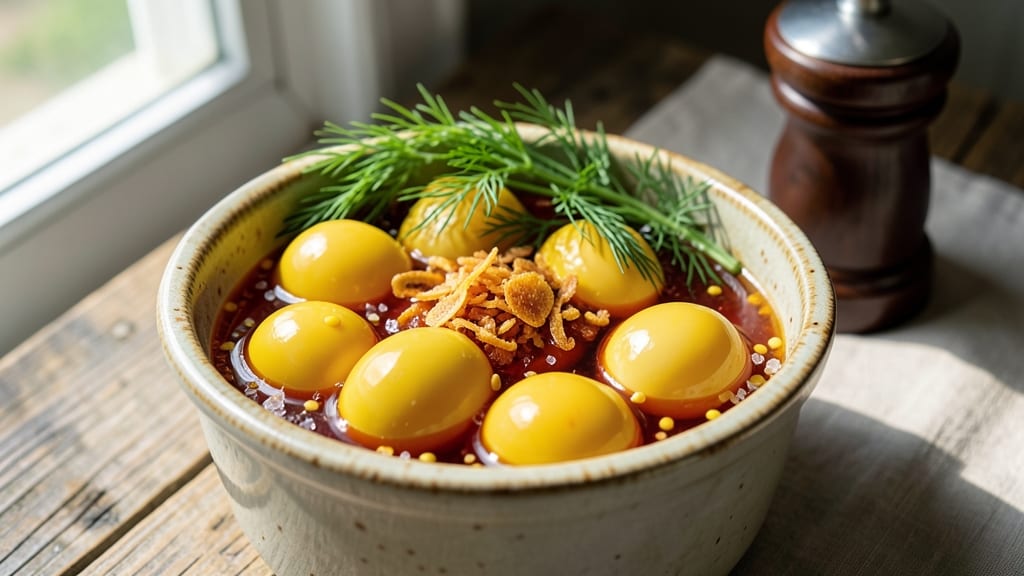
This top-rated pickled eggs recipe transforms simple hard-boiled eggs into vibrant, tangy bites that add a sophisticated crunch to any meal. The secret lies in a precise balance of vinegar, spices, and sugar that creates a bright, zesty brine—perfect for elevating charcuterie boards, salads, or even breakfast platters.
I’ve perfected this method over years, ensuring the eggs stay crisp, flavorful, and safe to enjoy for weeks.
The process begins with properly boiled and peeled eggs, then a carefully measured brine of white vinegar, water, and a blend of mustard seeds, dill, and garlic for depth.
A touch of sugar and salt enhances the tang without overpowering, while a 15-minute soak in ice water after boiling guarantees easy peeling. Safety is critical here—vinegar’s acidity preserves the eggs while preventing spoilage, but refrigeration is non-negotiable.
What you’ll end up with are eggs that burst with crisp texture and bright, herby flavor, their vibrant green or pink hues signaling freshness. The brine infuses them with just the right balance of tang and warmth, making them a standout appetizer or side.
Serve them chilled on a platter with crackers, or toss into salads for a surprising crunch that cuts through rich dishes.
This recipe isn’t just about flavor—it’s about versatility. Use them as a garnish for deviled eggs, a topping for avocado toast, or a bold addition to sandwiches. With proper storage, they’ll keep for up to 2 weeks, making them a pantry staple for quick, flavorful bites.
Let’s get started on creating your own batch of these crowd-pleasing pickled eggs.
Ingredients for top rated pickled egg
Twelve eggs transformed into vibrant, tangy bites with precise vinegar, spices, and sugar balance.
| Ingredient | Amount | Notes |
|---|---|---|
| Large Eggs 🥚 | 12 whole | Freshly boiled, peeled |
| White Vinegar 🍶 | 2 cups | Distilled, 5% acidity |
| Water 💧 | 2 cups | Filtered preferred |
| Granulated Sugar 🍚 | ¼ cup | White or light brown |
| Diamond Crystal Kosher Salt 🧂 | ½ tsp | Fine grain preferred |
| Yellow Mustard Seeds 🌶️ | 1 tsp | Whole, not powdered |
| Dried Dill Weed 🌿 | 1 tbsp | Or 1 tbsp fresh chopped |
| Garlic Cloves 🧄 | 4 cloves | Smashed, not minced |
| Black Peppercorns 🌶️ | 10 whole | Crushed lightly |
| Red Pepper Flakes 🌶️ | ½ tsp | Adjust for heat preference |
| Fresh Dill Sprigs 🌿 | 4 whole | For garnish, optional |
| Lemon Juice 🍋 | 1 tbsp | Freshly squeezed |
The eggs are non-negotiable—farm-fresh or store-bought large eggs work best, as smaller eggs may not hold their shape during pickling. Trader Joe's or local farms often carry eggs with richer yolks that stand up better to the acidity. For boiling, use a 15-minute ice bath immediately after cooking to ensure perfect peeling. The vinegar is critical: distilled white vinegar with 5% acidity preserves best and delivers consistent tang. Avoid apple cider vinegar, which can impart unwanted flavors. Sugar and salt are balanced to enhance the tang without overpowering—Diamond Crystal kosher salt dissolves more evenly than table salt.
No mustard seeds? Substitute 0.5 tsp ground mustard, but texture will differ. Fresh dill is ideal, but dried dill at one-third the amount works in a pinch. The garlic cloves should be smashed—not minced—to prevent bitterness. For heat lovers, add cayenne pepper at 0.25 tsp instead of red pepper flakes. Lemon juice brightens the flavor but can be omitted if you prefer a more traditional vinegar-forward taste. If your vinegar smells sharp or has sediment, replace it immediately—old vinegar can spoil the eggs despite the acidity.
Store the pickled eggs in an airtight glass jar in the refrigerator, where they’ll keep for up to 2 weeks. The brine should cover the eggs completely—add more vinegar-water mix if needed. For longer storage, transfer to sterilized jars with tight lids and refrigerate for up to 1 month. The eggs develop deeper flavor over time, but always check for off smells or sliminess before serving. Garnish with fresh dill sprigs just before serving to maintain vibrant presentation.
Why You'll Love This Recipe
- The secret’s in the boiling: hard-boil the eggs, then shock them in ice water before pickling. That crisp shell and silky yolk? Chef’s kiss. The sugar and salt balance the vinegar so it’s not harsh—just bright, tangy, and perfectly addictive.
- No-Fuss Pantry Staples: I swear by this recipe because it uses exactly what’s already in my kitchen—no fancy ingredients, just eggs, vinegar, sugar, and salt. The vinegar’s tang cuts through the richness of the yolks, and honestly? That’s all you need for something that tastes like it came from a jar at the farmers’ market.
- Crisp-Tender Magic: The secret’s in the boiling: hard-boil the eggs, then shock them in ice water before pickling. That crisp shell and silky yolk? Chef’s kiss. The sugar and salt balance the vinegar so it’s not harsh—just bright, tangy, and perfectly addictive.
- Party in a Jar: Between us, these are my go-to for potlucks or last-minute snacks. Throw a few in a bowl with crackers, or pack them in lunchboxes—kids love the fun color, and adults? They’ll disappear faster than you can say “second helpings.” No reheating, no fuss.
Step-by-step instructions for perfectly zesty pickled eggs
Mastering this classic preservation technique yields vibrant, tangy eggs with a satisfying crunch.
Prepare the Eggs for Pickling
Begin by boiling the 12 whole large eggs for exactly 9 minutes from a rolling boil. This ensures they're fully cooked but still firm enough to hold their shape when pickled. Immediately transfer them to an ice bath to stop the cooking process and make peeling easier.
Once cooled, carefully peel each egg, removing all traces of shell. I use a small spoon to gently lift the shell away from the membrane—this prevents cracking the eggs. For best results, work with freshly boiled eggs as the membrane dries quickly and becomes more difficult to remove.
Create the Pickling Solution
In a medium saucepan, combine the 2 cups white vinegar, 2 cups water, ¼ cup granulated sugar, and ½ teaspoon Diamond Crystal kosher salt. Bring the mixture to a gentle simmer over medium heat, stirring until the sugar and salt dissolve completely. This creates the flavor base that will penetrate the eggs.
While the solution heats, lightly crush the 10 whole black peppercorns and 4 cloves garlic with the flat side of a knife. Add these along with the 1 teaspoon yellow mustard seeds, 1 tablespoon dried dill weed, and ½ teaspoon red pepper flakes to the simmering liquid. Let it steep for 5 minutes to infuse the flavors before removing from heat.
Assemble the Pickling Jars
Place the peeled eggs in clean, sterilized jars or containers. I prefer wide-mouth jars as they make it easier to handle the eggs. Arrange them vertically in a single layer—this ensures even exposure to the pickling solution and prevents breakage.
Pour the warm pickling solution over the eggs, making sure each one is completely submerged. The liquid should cover the eggs by at least 1 inch. This prevents surface mold growth and ensures proper preservation. Leave 1 inch of headspace at the top of the jar.
Add Finishing Touches and Seal
Stir in the 1 tablespoon freshly squeezed lemon juice and add the 4 whole fresh dill sprigs to each jar. The lemon juice brightens the flavor while the fresh dill adds a delicate aroma. Gently press the dill sprigs down to help them release their oils into the liquid.
Seal the jars tightly and refrigerate immediately. The eggs need at least 48 hours to develop their signature tangy flavor, though they're safe to eat after 24 hours of pickling. For best results, wait 3-5 days before serving—this allows the flavors to fully meld and the eggs to develop their characteristic crunch.
Pro Tips For Making Top Rated Pickled Egg
- Boil Eggs Until They’re Firm: I learned this the hard way—soft or medium eggs turn rubbery in vinegar. Use a timer for exactly 9 minutes in simmering water, then plunge them into ice water. That stops the cooking and keeps the yolks intact.
- Use 1:1 Vinegar-to-Water Ratio: The recipe might say "enough vinegar to cover," but I’ve found 1 cup vinegar to 1 cup water gives the perfect tang without drowning the eggs. Too much vinegar makes them taste harsh; too little and they’re bland.
- Dissolve Sugar and Salt First: Stir the sugar and salt into the warm vinegar-water mix until fully dissolved—no grainy bits. I used to skip this, and the eggs always had a weird texture. Takes 30 seconds, but it guarantees smooth flavor.
- Let Eggs Cure 24 Hours: I know, you’re eager to eat them. But rushing it means they’ll taste flat. Give them a full day in the fridge, and the vinegar will penetrate evenly. The first batch I tried after 12 hours? Disappointing.
Regional styles of these flavors
Southern U.S. Style
In the Southern states, pickled eggs often incorporate hot sauce or cayenne pepper for a fiery kick. I love adding 1 teaspoon of Crystal hot sauce to the brine for a bold, tangy heat that pairs perfectly with creamy deviled eggs or fried green tomatoes.
The Southern tradition also calls for pickled mustard seeds—simmer them in the vinegar for an extra layer of crunch and sharpness. 🌶️
Midwest Crunch
The Midwest style leans toward herb-forward flavors with a touch of sweetness. I recommend swapping the red pepper flakes for ½ teaspoon of celery seed and adding 1 teaspoon of whole coriander seeds to the brine.
This creates a bright, slightly sweet, and aromatic profile that works beautifully with Reuben sandwiches or potato salad. The eggs stay crisp and develop a golden hue from the coriander.
East Coast Tang
On the East Coast, especially in New England, pickled eggs often feature dill and lemon as the stars. I boost the flavor by adding 1 extra tablespoon of fresh dill and 1 tablespoon of lemon zest to the brine.
The result is a zesty, herbaceous egg that shines on charcuterie boards or as a topping for lobster rolls. The acidity from the lemon cuts through the richness of seafood perfectly. 🍋
West Coast Fusion
Out West, pickled eggs get a modern twist with global influences. Try adding ½ teaspoon of smoked paprika and 1 teaspoon of sesame seeds to the brine for a smoky, nutty depth.
These eggs are fantastic with sushi rolls or Asian-inspired salads. The smoked paprika adds a subtle BBQ-like note that pairs surprisingly well with avocado toast or tuna melts.
Appalachian Tradition
The Appalachian region often pickles eggs with apple cider vinegar and wild herbs like wild garlic or mountain mint. If you can find wild garlic, finely chop 2 cloves and add them to the brine for an earthy, pungent flavor.
For a sweeter touch, add 1 tablespoon of honey to the vinegar mixture. These eggs are a rustic, hearty side for cornbread or fried chicken.
Global Adaptations
For a Japanese-inspired version, replace the dill with ½ teaspoon of shiso leaves and add 1 teaspoon of rice vinegar to the brine. These eggs are perfect with sushi rice or miso soup.
Meanwhile, a Mexican-style adaptation swaps mustard seeds for 1 teaspoon of ground cumin and adds ½ teaspoon of oregano. Serve with queso fresco and tortilla chips for a festive appetizer. 🌎
Nutrition facts
Frequently asked questions
How long do pickled eggs last in the refrigerator?
Properly stored pickled eggs will keep for up to 2 weeks in the refrigerator. The vinegar brine acts as a natural preservative, but always check for any off smells or sliminess before eating. For longer storage, transfer to sterilized jars and they'll last up to 1 month.
Can I use apple cider vinegar instead of white vinegar?
While apple cider vinegar works, it may impart a slightly sweeter, fruitier flavor that differs from the classic tang of white vinegar. For the most authentic taste, stick with distilled white vinegar at 5% acidity. If you prefer apple cider, use it at a 1:1 ratio but be aware of the flavor difference.
Why do my pickled eggs turn rubbery instead of staying crisp?
Rubbery eggs usually happen when they're overcooked during boiling or soaked in the brine too long. For perfect texture, boil eggs for exactly 9 minutes and transfer to an ice bath immediately. Also ensure the eggs are fully submerged in the brine—if they sit exposed, they'll absorb moisture and lose crispness.
What's the best way to peel boiled eggs for pickling?
After boiling, transfer eggs to an ice bath for 15 minutes to stop cooking and make peeling easier. Then gently tap each egg on a hard surface before rolling to crack the shell, then peel under running water. The membrane should come off cleanly—any remaining bits will make the eggs harder to pickle properly.
Can I make pickled eggs without sugar?
Yes, you can omit the sugar if you prefer a more tart flavor. However, the sugar helps balance the acidity and enhances the overall flavor profile. If you skip it, consider adding a pinch more salt (¼ teaspoon extra) to compensate for the missing sweetness.