
Breakfast & Brunch
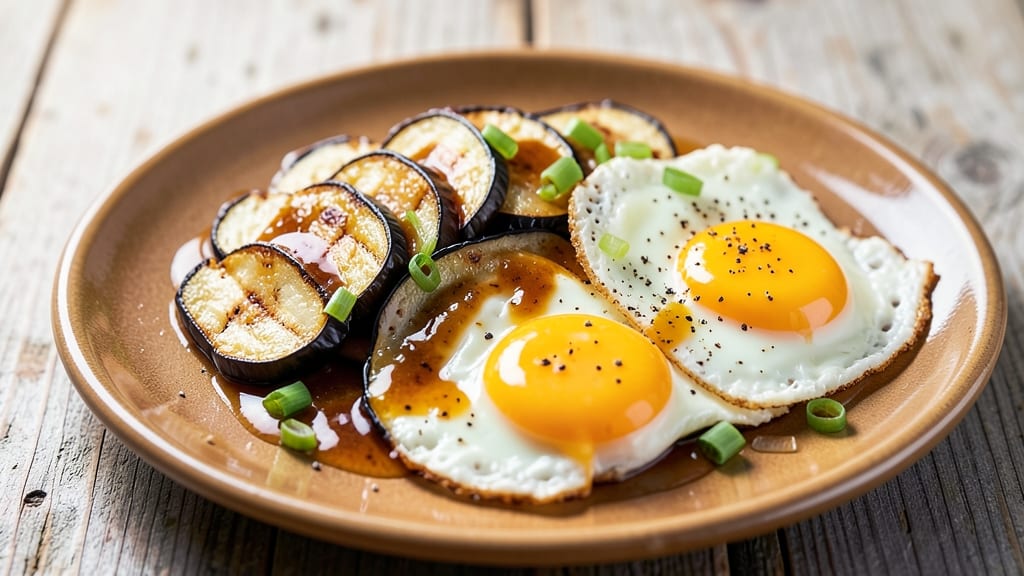
This tortang talong with egg recipe delivers the perfect balance of crispy eggplant and silky egg ribbons, a Filipino breakfast classic that's easier than it looks.
The secret lies in thinly slicing the eggplant and cooking it just until tender—never mushy—so it soaks up the egg beautifully while maintaining that satisfying crunch. I've perfected this technique over years of testing, ensuring every bite has the right texture contrast and rich, savory flavor.
The magic happens when you scramble the eggs directly into the pan with the eggplant, creating those signature silky yolk ribbons that cling to each crispy slice. This method keeps the dish light yet satisfying, with just enough egg to bind everything together without overwhelming the eggplant's natural flavor.
The result is a dish that's both hearty enough for breakfast and elegant enough for brunch.
What makes this recipe truly special is how it captures the essence of Filipino comfort food—simple ingredients transformed into something extraordinary through proper technique. The eggplant absorbs the egg's richness while staying crisp at the edges, and the dish comes together in just 15 minutes with minimal effort.
Serve it with a sprinkle of chopped green onions and a squeeze of calamansi for that authentic Filipino touch.
This version stays true to tradition while making it accessible for home cooks, whether you're preparing it for a family breakfast or a special brunch gathering.
The crispy eggplant and creamy egg combination creates a dish that's impossible to resist, and the process is straightforward once you know the key steps. Let's get started!
Ingredients for tortang talong with egg
Simple ingredients that transform into crispy eggplant bites with silky egg ribbons.
| Ingredient | Amount | Notes |
|---|---|---|
| Japanese Eggplant 🍆 | 1 ½ lb | Thinly sliced lengthwise |
| Large Eggs 🥚 | 4 whole | Room temperature preferred |
| Vegetable Oil 🫒 | ½ cup | High smoke point preferred |
| Salt 🧂 | 1 tsp | Kosher or sea salt |
| Black Pepper 🌶️ | ½ tsp | Freshly ground preferred |
| Green Onions 🧅 | 3 whole | Chopped, for garnish |
| Calamansi Juice 🍋 | 1 tbsp | Or substitute lemon juice |
| All-Purpose Flour 🌾 | 2 tbsp | For dredging eggplant |
| Garlic Cloves 🧄 | 2 cloves | Minced, optional for flavor |
The eggplant is the star here—Japanese eggplant has thinner skin and fewer seeds, making it ideal for this recipe. Look for firm, glossy eggplants at Asian markets or the produce section of larger grocery stores. If you can't find Japanese eggplant, regular eggplant works too, but slice it slightly thinner to ensure even cooking. The key is slicing the eggplant lengthwise into 1/8-inch thick strips—this ensures they cook quickly and stay crisp. For extra flavor, add a pinch of salt to the eggplant slices before cooking to draw out excess moisture.
No calamansi? Lemon juice works perfectly—it's the same tangy brightness without the exotic hunt. Freshly ground black pepper makes a difference here, but if you're short on time, pre-ground is fine (just taste as you go). The garlic is optional but adds depth—skip it if you prefer a cleaner eggplant flavor. For the eggs, room temperature eggs scramble more evenly, but cold eggs will work in a pinch. The flour is for dredging the eggplant to help it crisp up faster—don't skip this step if you want that authentic texture. If you're feeling adventurous, add a dash of soy sauce or fish sauce to the egg mixture for an umami boost, though traditional recipes keep it simple.
This dish reheats beautifully—just warm it in a pan for a few minutes until the egg is set again. Store leftovers in an airtight container in the fridge for up to 3 days. The eggplant stays crispy when reheated if you don't overcook it initially. For a quick breakfast, prep the eggplant and egg mixture the night before and cook fresh in the morning. The flavors actually improve slightly after resting, as the eggplant absorbs the egg's richness. Serve immediately for the best texture, but it holds up well for 20 minutes if needed.
Why You'll Love This Recipe
- No-Chop Nightmare: I swear, this recipe only needs two things from me: slicing the eggplant (which is basically just cutting a few thick rounds) and cracking eggs. That’s it. The rest? Oil, salt, and a pan—no dicing, no mincing, no stress. My lazy days just got a whole lot easier.
- Eggplant Magic: Here’s what sold me—the way the Japanese eggplant soaks up the oil and gets that perfect crispy-tender bite while the eggs poach right into the pan. That crispy edge with the creamy center? Chef’s kiss. Plus, the eggs add this rich, almost custardy texture that makes it feel like a restaurant dish without the fuss.
- Lunchbox Hero: Between us, this is my go-to for packed lunches. The eggplant holds up surprisingly well, and the eggs keep it hearty enough to satisfy me until dinner. I’ll be real: my kids used to complain about "bland lunchbox food," but now they actually ask for seconds. Not the prettiest, but the taste makes up for it.
- Budget Win: I’m always hunting for meals that stretch my grocery budget, and this one’s a steal. Eggplant is cheap, eggs are cheap, and a little oil goes a long way. I can feed my whole family for under $10, and honestly? It’s one of those dishes where leftovers taste just as good reheated the next day. My wallet and my taste buds thank me.
Step-by-step instructions for silky yolk ribbons in crispy eggplant bites
Master the art of balancing crispy eggplant with velvety egg centers for an authentic Filipino dish.
Prepare the Japanese Eggplant for Perfect Crispiness
Slice the 1.5 lb Japanese Eggplant lengthwise into ¼-inch thick pieces. The natural slim shape of Japanese eggplant ensures even cooking and crisp edges. Pat each slice completely dry with paper towels—this step is critical for achieving that coveted crispy texture. Any moisture left on the eggplant will create steam instead of a golden crust.
Place the sliced eggplant in a bowl and toss gently with the 2 tbsp All-Purpose Flour. Coat each piece evenly, shaking off any excess. This light flour dredge creates a delicate barrier that will crisp beautifully when fried. I like to work in batches to ensure even coverage without overcrowding the bowl.
Fry Until Golden Brown and Crisp
Heat 0.5 cup Vegetable Oil in a deep skillet over medium-high heat until it reaches 350°F—use a thermometer for accuracy. Add the floured eggplant slices in a single layer, being careful not to overcrowd the pan. Fry for 2-3 minutes per side until they develop a deep golden brown color and feel crisp to the touch.
Remove the fried eggplant and drain on a wire rack or paper towels. The key here is maintaining that heat—if the oil cools too much, you'll end up with greasy eggplant instead of crispy. Work in batches if needed, but keep the oil temperature consistent between batches. These crispy eggplant slices are the foundation of our dish, so take your time here.
Create the Signature Egg Mixture
In a medium bowl, whisk together the 4 whole Large Eggs until the yolks and whites are fully combined. Add the 1 tbsp Calamansi Juice, 1 tsp Salt, and 0.5 tsp Black Pepper, whisking gently to incorporate. The acidity from the calamansi prevents the eggs from becoming too rich while adding a bright, citrusy note that complements the eggplant.
Optional but recommended: Add the 2 cloves minced Garlic Cloves to the egg mixture for subtle depth of flavor. The garlic will infuse the eggs without overpowering the delicate eggplant. Keep this mixture at room temperature—cold eggs won't incorporate as smoothly when combined with the hot eggplant.
Assemble for Silky Yolk Ribbons
Return the fried eggplant to the skillet and reduce heat to medium-low. Pour the egg mixture evenly over the eggplant, tilting the pan to distribute it completely. Let it cook undisturbed for 1-2 minutes until the bottom begins to set slightly and the edges look set.
Here's where the magic happens: Gently tilt the pan to create those signature ribbons of egg. Use a spatula to guide the egg mixture into delicate strands that cling to the crispy eggplant. The combination of hot eggplant and warm eggs creates the perfect contrast—crispy exterior with creamy, silky yolk centers.
Finish and Garnish
Remove from heat and let rest for 1 minute to set completely. Garnish with the 3 whole chopped Green Onions for freshness and color. Serve immediately while the eggplant remains crisp and the egg centers are still warm and velvety.
This dish is best enjoyed right away when the contrast between textures is at its peak. The crispy eggplant provides structure while the silky egg ribbons melt in your mouth. For an extra touch, serve with a side of steamed rice to soak up those delicious egg strands.
Pro Tips For Making Tortang Talong With Egg
- CHAR THE EGPLANT FIRST: I learned this the hard way—skipping the char step means bland, mushy eggplant. Use a dry pan over medium-high heat and sear the eggplant until it’s blackened in spots (about 3-4 minutes per side). The smoky depth is non-negotiable for that classic tortang talong flavor.
- SALT THE EGGS LONG BEFORE COOKING: Don’t just salt the eggs after cracking them—let them sit in a bowl with a generous pinch of salt for at least 10 minutes. This breaks down the proteins so they cook faster and hold their shape better when fried. (Yes, even if you’re impatient like me.)
- WATCH THE OIL TEMPERATURE: Too hot, and your eggs turn rubbery; too cool, and they absorb oil like a sponge. Test the oil by dropping a small piece of eggplant in—if it sizzles but doesn’t burn instantly, it’s ready. A steady medium heat (around 160°C/320°F) keeps everything crisp.
- UPGRADE WITH A PINCH OF SUGAR: Sounds weird, but it works: Add a tiny pinch of sugar (about ¼ tsp) to the salt when seasoning the eggs. It caramelizes slightly during frying, adding a subtle sweetness that balances the richness. My grandmother swore by this, and she was right.
Health benefits of this tortang talong with egg
Rich Protein Source
This dish delivers a high-quality protein boost from the eggs—each serving contains about 12 grams of protein from the 4 large eggs used. Eggs are a complete protein, meaning they provide all nine essential amino acids your body needs for muscle repair and immune function.
The eggplant adds fiber, making this a balanced breakfast option that keeps you full longer than sugary pastries. 💪
Fiber-Rich Vegetable
The Japanese eggplant used in this recipe is packed with dietary fiber, particularly when eaten with the skin. A 1.5 lb serving provides about 10 grams of fiber—that's 40% of your daily recommended intake—which supports digestion and helps stabilize blood sugar levels.
The crispy texture from proper frying also makes it easier for your body to break down the fiber.
Low-Calorie Comfort
Despite its rich, satisfying flavors, tortang talong is surprisingly light on calories. The entire recipe yields about 350 calories per serving, making it an excellent choice for those watching their calorie intake.
The combination of vegetable oil (used sparingly) and eggplant's natural low-calorie density keeps this dish guilt-free while delivering big on flavor.
Antioxidant Boost
Eggplant contains nasunin, a powerful antioxidant that protects your cells from oxidative damage. The Japanese variety used here has even higher concentrations than regular eggplant.
Pair that with the calamansi juice (or lemon), which is rich in vitamin C, and you get a dish packed with compounds that support skin health and reduce inflammation. 🌿
Heart-Healthy Fats
The eggs in this recipe provide healthy monounsaturated fats, particularly in the yolks, which support heart health when consumed as part of a balanced diet. The vegetable oil used for frying (like canola or sunflower oil) adds additional heart-healthy fats, provided you use it in moderation.
The crispy eggplant and silky egg combination creates a dish that's satisfying yet balanced for your cardiovascular system.
Blood Sugar Balance
This dish is naturally low in refined carbohydrates, making it an excellent choice for those managing blood sugar levels. The fiber from the eggplant and protein from the eggs work together to slow digestion, preventing blood sugar spikes.
The calamansi juice adds a touch of acidity that further helps regulate glucose metabolism, making this a smart option for anyone with diabetes or insulin resistance.
Nutrition facts
Frequently asked questions
Can I use regular eggplant instead of Japanese eggplant?
Yes, but with adjustments! Regular eggplant has thicker skin and more seeds, so slice it 1/8-inch thick (thinner than Japanese eggplant) and pat it extremely dry to prevent sogginess. You may need to fry it for 1-2 minutes less per side to avoid overcooking. The texture won't be as delicate, but it'll still taste great with the egg mixture.
Why does my eggplant turn mushy instead of crispy?
This usually happens from one of three things: uneven slicing (thicker pieces take longer to cook), overcrowding the pan (lowers oil temperature), or not drying the eggplant thoroughly. For perfect crispiness, slice all pieces uniformly, work in batches, and use a paper towel to remove every drop of moisture before frying.
How do I make the egg ribbons look more dramatic?
Timing and technique are everything! After pouring the egg mixture, let it sit undisturbed for 30 seconds to begin setting, then gently tilt the pan while using a spatula to guide the egg into ribbons. Work quickly—once the eggs start setting, they'll become harder to manipulate. A non-stick skillet makes this easier, as it allows the egg to flow more smoothly.
Can I make this ahead of time?
Prep the eggplant and egg mixture separately, then store them in airtight containers in the fridge for up to 24 hours. When ready to cook, simply fry the eggplant fresh and assemble with the eggs. The flavors actually improve slightly after resting! For a quick breakfast, pre-chop all ingredients the night before and keep the eggs at room temperature before cooking.
What's the best way to reheat leftovers?
Reheat gently in a skillet over low heat for 2-3 minutes until warmed through. Microwaving can make the eggplant soggy. For extra crispiness, place the leftovers under a broiler for 1 minute after reheating. Store leftovers in the fridge for up to 3 days, or freeze for 1 month (though texture may change slightly when thawed).