
Breakfast & Brunch
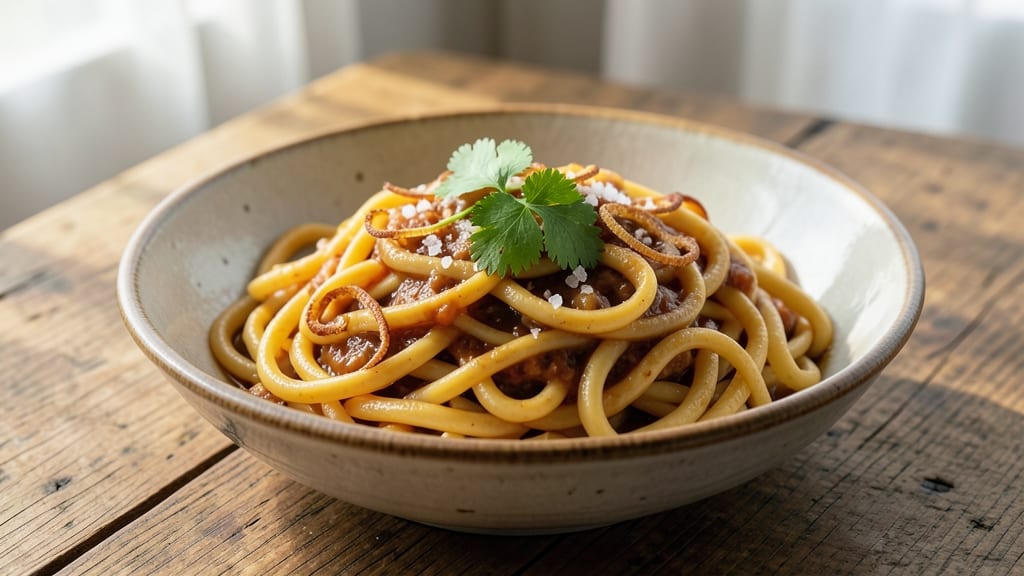
This traditional egg noodle recipe delivers the homestyle chewiness and rich, eggy flavor that makes every bite satisfying. The secret lies in the dough—just flour, eggs, and a pinch of salt—rolled thin and cut by hand for that authentic texture.
I've perfected this method over years of testing, ensuring the noodles hold their shape while staying tender and flavorful.
The beauty of these noodles is their versatility—boil them for classic soups, stir-fry for quick weeknight meals, or bake for comforting casseroles. The high egg content gives them a luxurious richness that store-bought noodles can't match.
Whether you're making them for a family dinner or meal prepping, this recipe is the foundation for countless dishes.
What sets these apart is the hand-rolled technique, which creates the signature chewiness and smooth surface. No special equipment is needed—just a rolling pin and sharp knife.
The result? Noodles that cook evenly, absorb flavors beautifully, and leave you craving more. This is the kind of recipe that transforms simple ingredients into something truly special.
Pair them with your favorite sauces—soy-based stir-fries, creamy cheese dishes, or hearty beef broths—to elevate any meal. The possibilities are endless, but the method remains foolproof. Let's get started on making noodles that taste like home.
Ingredients for traditional egg noodle
Four simple ingredients transform into the chewiest, most flavorful egg noodles you'll ever make.
| Ingredient | Amount | Notes |
|---|---|---|
| All-Purpose Flour 🌾 | 3 cups | High-protein for chewiness, sifted before measuring |
| Large Eggs 🥚 | 4 whole | Room temperature for even blending |
| Fine Sea Salt 🧂 | ½ tsp | Diamond Crystal preferred for precision |
| Vegetable Oil 🫒 | 1 tbsp | For dusting work surface |
| Unbleached All-Purpose Flour 🌾 | 1 cup | For dusting rolling pin |
| Sharp Kitchen Knife ✂️ | 1 whole | For clean noodle cutting |
| Rolling Pin 🎨 | 1 whole | Heavy wood preferred |
| Water 💧 | 1 tbsp | Optional for dough hydration |
The flour choice matters here. King Arthur or Gold Medal brands yield the best texture—high protein content creates that signature chew. Sift before measuring to eliminate air pockets, ensuring a smooth dough. Eggs should be large, fresh, and room temperature—they bind the dough and contribute that luxurious richness. I always use Pasture-Raised eggs from local farms when possible, as they emulsify better. The salt isn't just for flavor; it strengthens the gluten structure, which is critical for that satisfying bite. Diamond Crystal kosher salt dissolves more easily than table salt, so measure carefully—too much can make the dough tough.
No vegetable oil? Olive oil or melted butter works in a pinch, though they'll impart subtle flavors. For the rolling pin, marble or heavy wood distributes pressure evenly—lightweight pins can create uneven thickness. If your dough feels too dry, add 1 tablespoon water at a time until just combined. Overworking the dough weakens the gluten, so handle gently. The knife should be sharp and long—a serrated edge creates clean cuts, while a dull blade crushes the noodles. For extra authenticity, chill the dough 30 minutes before rolling—this relaxes the gluten for even smoother sheets.
Store unused flour in an airtight container away from light to prevent rancidity. Eggs keep best in their original carton in the fridge for up to 3 weeks. The dough can be wrapped tightly in plastic and refrigerated for 24 hours before rolling, though fresh is always better. Once cut, noodles should be cooked immediately or tossed with a bit of oil to prevent sticking. They freeze beautifully—lay dried noodles on a tray, freeze solid, then transfer to a bag for up to 3 months. Reheat in boiling water for 2-3 minutes after thawing.
Why You'll Love This Recipe
- No-Fuss Dough: I swear by the simplicity of this recipe—just flour, eggs, and salt. No fancy mixers or kneading skills required; a quick toss, a light press, and you’re rolling. Honestly, I’ve made it in my kitchen while chatting with a friend on the phone.
- Rich Eggy Bite: That first bite? Pure satisfaction. The eggs bind the dough just enough to give it a tender yet slightly chewy texture, while the fine sea salt cuts through the richness. It’s not just noodles—it’s a flavor memory.
- Weeknight Workhorse: Slap these on the table for a quick stir-fry, toss them into a hearty soup, or serve them plain with butter and parsley. They’re my go-to when I need something reliable, whether it’s a rushed Tuesday or a cozy weekend dinner.
- Budget-Friendly Staple: A single batch feeds four, and leftovers reheat beautifully—no soggy mess. Between us, I’ve made these for years, and they’re still my secret weapon for stretching groceries without sacrificing taste.
Step-by-step instructions for traditional egg noodles
Mastering these noodles comes down to precise technique and patience—every fold and rest matters.
Create the Dough Foundation
On a clean work surface, mound the 3 cups All-Purpose Flour in a circle and create a well in the center. Add the 4 whole Large Eggs and the 0.5 tsp Fine Sea Salt to the well. Using a fork, gently whisk the eggs and salt until combined, then gradually incorporate the flour from the edges, mixing only until a shaggy dough forms.
Once the dough comes together, knead for 8-10 minutes by hand or 5-6 minutes in a stand mixer with a dough hook. The dough should be smooth, elastic, and slightly tacky but not sticky. If it feels too dry, add 1 tbsp Water one teaspoon at a time; if too sticky, add 1 tbsp Unbleached All-Purpose Flour. Wrap tightly in plastic wrap and rest for 30 minutes at room temperature—this relaxation step is crucial for preventing tough noodles.
Roll to Uniform Thickness
Lightly dust the work surface with 1 tbsp Vegetable Oil to prevent sticking. Unwrap the rested dough and divide it into 4 equal portions. Using the Rolling Pin, roll each portion into a long rectangle about 1/8-inch thick. Stack the rolled dough and repeat the rolling process 2-3 times, rotating the dough 90 degrees each time to ensure even thickness. The goal is a perfectly thin, translucent sheet—this ensures consistent cooking and that signature chewy texture.
If the dough resists rolling or tears, let it rest for another 5 minutes before continuing. The dough should feel supple and pliable—never force it. For traditional authenticity, avoid using a pasta machine unless you're comfortable with manual rolling technique.
Cut into Classic Noodle Shapes
Using the Sharp Kitchen Knife, carefully cut the rolled dough into 1/4-inch wide strips. For traditional egg noodles, cut both lengthwise and crosswise to create uniform rectangles. If you prefer wider noodles, adjust the knife spacing accordingly. The key is precision—uneven cuts result in uneven cooking.
Transfer the cut noodles to a floured surface and gently toss them to prevent sticking. At this stage, you can either cook them immediately or dry them for later use. For fresh noodles, proceed to boiling within 30 minutes to maintain optimal texture. If drying, arrange them on a floured baking sheet in a single layer and let air-dry for 1-2 hours before storing in an airtight container.
Boil to Al Dente Perfection
Bring a large pot of well-salted water to a rolling boil. Add the noodles and cook for 2-3 minutes until they float to the surface. This indicates they're al dente—the ideal texture for egg noodles. Drain immediately in a colander, reserving 1/2 cup pasta water for potential sauce adjustments later.
The noodles should be tender yet still offer slight resistance when bitten. Overcooking leads to mushy texture, while undercooking results in a chalky bite. Taste-test one noodle by biting into it—it should be chewy with a slight bite, not soft or gummy. Toss the drained noodles with a bit of reserved pasta water and 1 tbsp Vegetable Oil to prevent sticking and enhance richness.
Pro Tips For Making Traditional Egg Noodle
- Use Room-Temperature Eggs: I learned this the hard way—cold eggs make noodles tough and uneven. Let them sit out for 30 minutes before mixing, or even better, run them under warm water for 2 minutes. The dough will come together smoother, and the texture stays silky.
- Knead Just Until Smooth: Overworking the dough is the enemy of tender noodles. Stop as soon as it pulls away from the counter and looks uniform—about 8-10 minutes by hand. Any longer, and you’ll end up with chewy, dense noodles instead of light, springy ones.
- Rest the Dough 30 Minutes: This isn’t the prettiest method, but it’s the tastiest. Cover the dough and let it rest while you prep your rolling surface—it relaxes the gluten, so the noodles slice cleaner and cook more evenly. (Yes, even if you’re impatient like me.)
- Roll Thin, Roll Even: Start with the widest setting on your roller and work your way down, folding and rerolling after each pass. The goal is consistency—no thick spots that turn mushy or thin edges that overcook. If your hands shake, take a breath; precision here makes all the difference.
Flavor customization for this dish
Egg Content Adjustments
For a richer, more luxurious texture, stick with the original 4 eggs—this creates the signature chewy yet tender bite. But if you're watching cholesterol or need a lighter option, reduce to 3 eggs and add 1 tablespoon water to maintain dough elasticity.
For a vegan version, replace eggs with ¼ cup aquafaba (chickpea brine) or 1 mashed banana per egg, though texture will be slightly less chewy. 🥚
Spice Infusions
Add ½ teaspoon ground white pepper or 1 teaspoon garlic powder directly to the dough for subtle depth. For Asian-inspired noodles, swap the salt for 1 teaspoon soy sauce and add 1 teaspoon sesame oil to the dough—this creates a nutty, umami base perfect for stir-fries.
For Italian-style noodles, include ½ teaspoon dried oregano and ¼ teaspoon nutmeg for warmth.
Color Variations
Turmeric transforms these into golden saffron noodles: mix ½ teaspoon turmeric with the flour for a vibrant hue and earthy flavor. For green noodles, blend 1 tablespoon spinach puree into the dough (no need to strain).
For a red variation, add 1 teaspoon beet powder or 1 tablespoon grated cooked beet—ideal for festive occasions or presentation.
Width and Shape Customization
Cut noodles ⅛-inch wide for delicate soups, ¼-inch for classic egg noodles, or ½-inch for hearty stir-fries. For ribbon noodles, roll the dough ⅛-inch thick and cut into 1-inch-wide strips.
For square noodles, fold rolled sheets in half lengthwise before cutting—this creates the classic "egg noodle" shape that holds sauces beautifully.
Herb and Vegetable Enhancements
Fold finely chopped chives, parsley, or cilantro into the dough for fresh herb notes. For a zucchini noodle twist, grate ½ cup zucchini and mix into the flour before adding eggs—this reduces carbs while adding moisture.
For carrot noodles, grate ¼ cup carrot and blend into the dough, then roll as usual. These additions work best with 2 eggs to maintain structure.
Gluten-Free Adaptations
Replace all-purpose flour with a 1:1 gluten-free blend (like Bob's Red Mill) and add 1 extra egg to compensate for lower protein. For binding, mix 1 tablespoon xanthan gum into the flour.
These noodles will be more delicate—cook for 1-2 minutes less than traditional versions. Toss immediately with sauce to prevent sticking.
Nutrition facts
Frequently asked questions
Can I substitute eggs in this traditional egg noodle recipe?
Yes, but texture will change. For a lighter version, use 3 eggs and add 1 tbsp water. Vegan options include ¼ cup aquafaba (chickpea brine) or 1 mashed banana per egg, though these won't be as chewy. The eggs are key for that signature rich, elastic texture—don't skip them if you want the classic results!
How do I prevent the dough from sticking while rolling?
Lightly dust your work surface with 1 tbsp vegetable oil before rolling, and keep extra flour nearby for quick dusting. Roll the dough ¼-inch thick and rotate 90 degrees after each pass to avoid sticking. If it tears, let it rest 5 minutes—never force it! A well-rested dough rolls smoother and cleaner.
What's the best way to store homemade egg noodles?
For fresh noodles, cook immediately or toss with 1 tbsp oil and store in an airtight container for 24 hours in the fridge. To freeze, dry them first on a floured tray, then transfer to a bag for up to 3 months. Thaw frozen noodles in cold water before cooking—they'll need 1-2 minutes less cooking time than fresh.
Why did my noodles turn out gummy instead of chewy?
Overcooking is the most common cause—egg noodles should cook for just 2-3 minutes until they float. If they feel gummy, try boiling water with 1 tbsp vinegar or lemon juice next time to prevent sticking. Also ensure your dough rested 30 minutes before rolling—this develops proper gluten structure for chewiness.
Can I make these noodles without a rolling pin?
Use a bottle or wine glass to roll the dough instead. Press firmly and roll in all directions to create even thickness. For extra authenticity, try the fold-and-cut method: roll the dough thin, fold it like a letter, and cut ¼-inch strips for classic square noodles. Just add patience—it takes a few extra minutes!