
Breakfast & Brunch
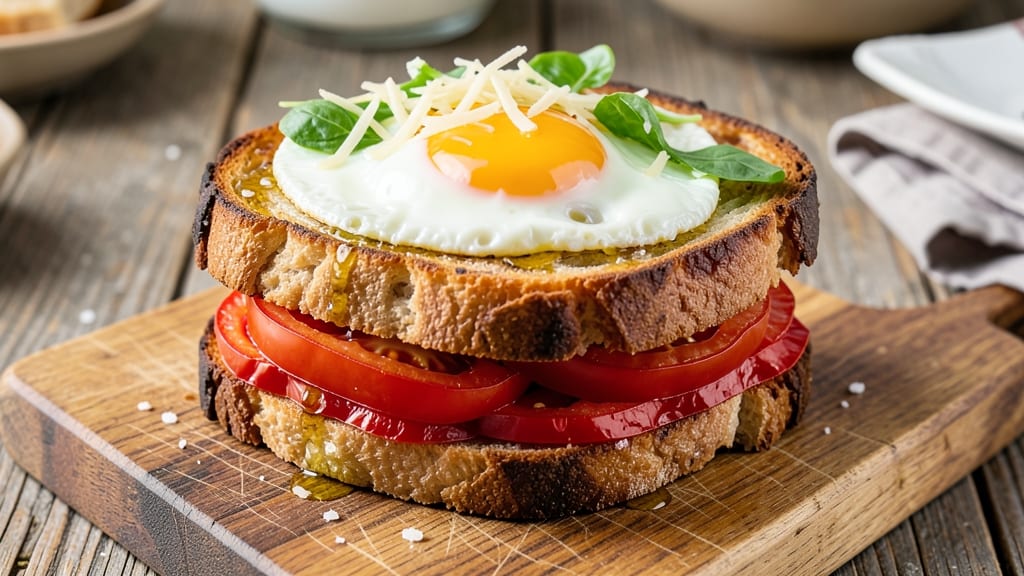
This traditional Italian pepper and egg sandwich delivers the crispy, spicy, and comforting flavors of Italy's street food classics. The secret lies in perfectly toasted bread hugging a vibrant tomato-pepper filling and runny eggs that tie everything together.
I've perfected this recipe after years of testing—each component must be executed precisely for that authentic, restaurant-quality bite.
The foundation starts with a simple yet flavorful tomato-pepper mixture, simmered just enough to develop depth without losing its fresh, bright character.
Freshly grated Pecorino Romano adds a sharp, salty contrast that cuts through the richness, while the bread must be toasted to a golden, crispy finish—this is non-negotiable for texture. The eggs, cooked to your preferred runniness, bring that signature Italian breakfast satisfaction.
What makes this sandwich truly special is the balance: the crispy bread, the spicy-sweet tomato filling, and the creamy eggs all come together in one perfect bite.
The sandwich is simple to assemble but requires attention to detail—each element must be prepared with care to achieve that authentic Italian street food experience. Once you try this, you'll never settle for anything less.
The beauty of this recipe is its versatility. Serve it for breakfast with a side of olives or capers, or enjoy it as a light lunch with a crisp green salad.
The combination of textures and flavors makes it a meal that's both comforting and exciting. Let's get started on creating this Italian classic in your own kitchen.
Ingredients for traditional italian pepper and egg sandwich
Crispy bread, vibrant tomato-pepper filling, and perfectly runny eggs—this Italian classic needs just 12 ingredients.
| Ingredient | Amount | Notes |
|---|---|---|
| Crusty Italian Bread Loaf 🍞 | 1 whole | Baguette or ciabatta preferred |
| Fresh Roma Tomatoes 🍅 | 4 whole | Diced, seeds removed |
| Red Bell Peppers 🧅 | 2 whole | Sliced into thin strips |
| Extra-Virgin Olive Oil 🫒 | ½ cup | High-quality, fruity variety |
| Fresh Basil Leaves 🌿 | ¼ cup | Chopped, stems removed |
| Pecorino Romano Cheese 🧀 | ½ cup | Freshly grated, coarse |
| Large Eggs 🥚 | 4 whole | Fresh, room temperature |
| Garlic Cloves 🧄 | 2 cloves | Minced, for tomato mixture |
| Red Pepper Flakes 🌶️ | 1 tsp | Adjust to taste |
| Kosher Salt 🧂 | 1 ½ tsp | Diamond Crystal preferred |
| Freshly Ground Black Pepper 🌶️ | ½ tsp | Cracked, not powdered |
| Butter 🧈 | 2 tbsp | Unsalted, for toasting bread |
The bread is non-negotiable—crusty Italian loaves like ciabatta or baguettes work best. Trader Joe's and Whole Foods carry excellent options, but any bakery with fresh daily bread will do. Toast it until golden and crispy—this is the foundation of the sandwich. For the tomatoes, Roma tomatoes are ideal because they're meaty and less watery than other varieties. If you can't find them, vine-ripened tomatoes are the next best choice. The Pecorino Romano should be freshly grated; pre-shredded cheese lacks the sharp, salty bite that makes this sandwich authentic.
No fresh basil? Dried basil at half the amount will work in a pinch, but fresh is worth hunting down—it brightens the tomato mixture. Short on red bell peppers? Yellow or orange bell peppers add a subtle sweetness that still pairs well. For the olive oil, avoid anything labeled 'light' or 'pure'—stick with extra-virgin. It should have a peppery kick and a fruity aroma. The eggs should be fresh and at room temperature for the best texture—cold eggs won't cook as smoothly. If you prefer your eggs runnier, pull them out of the pan just when the whites are set but the yolks are still liquid.
Toasted bread stays crispy for about 20 minutes if stored in a paper bag—longer if you wrap it tightly in foil. The tomato-pepper mixture keeps in the fridge for 3 days, making it perfect for prepping ahead. Eggs should be cooked fresh for the best texture, but you can assemble the sandwiches without eggs and cook them later. Freeze the tomato mixture for up to 3 months if you want to make a big batch—just thaw and reheat gently before using. The sandwiches are best eaten immediately after assembly, but they hold together well for 15-20 minutes if wrapped in parchment paper.
Why You'll Love This Recipe
- No-Fuss Assembly: I swear, this comes together in 15 minutes flat. Slice the bread, char the peppers and tomatoes on a pan—no fancy prep—then just layer with eggs and basil. That’s it. Even my "I can’t boil water" cousin could handle it.
- Sunshine in Every Bite: The charred peppers and tomatoes? Sweet, smoky, and just salty enough from the olive oil. Toss in fresh basil, and suddenly you’ve got that bright, summery Italian flavor that makes you want to eat it straight off the cutting board.
- Picnic to Potluck: Take it anywhere—pack for lunch, bring to a BBQ, or serve at a last-minute gathering. The bread holds up, the flavors stay vibrant, and no one will guess it’s something you threw together in a hurry. (Yes, even on a Tuesday night.)
- Leftovers That Don’t Let You Down: Between us, this sandwich tastes better the next day. The bread gets slightly crispier, the peppers mellow into deeper flavor, and you’ve got a cheap, filling meal ready to go. I’ve fed a family of four for under $10 with this—no joke.
Step-by-step instructions for traditional Italian pepper and egg sandwich
Here's how to craft this beloved Italian classic with perfect texture and bold flavors.
Prepare the Spicy Tomato-Pepper Filling
In a large skillet, heat the 0.5 cup extra-virgin olive oil over medium heat. Add the 2 whole red bell peppers sliced into thin strips and cook for 5-6 minutes until they begin to soften and release their moisture. This is where the magic starts—the peppers should look tender but still hold their shape.
Add the 4 whole fresh Roma tomatoes (diced and seeds removed) along with the 2 cloves minced garlic, 1 tsp red pepper flakes, 1.5 tsp kosher salt, and 0.5 tsp freshly ground black pepper. Stir gently and let the mixture simmer for 8-10 minutes until the tomatoes break down into a chunky, saucy consistency. You're aiming for a thick, vibrant filling that clings beautifully to the bread.
Remove the skillet from heat and stir in the 0.25 cup chopped fresh basil leaves. Let the mixture cool slightly—this resting period allows the flavors to meld together. The basil should be just warm enough to release its aroma but not wilt completely. This step is crucial for developing that authentic Italian taste.
Toast the Bread to Crispy Perfection
Slice the 1 whole crusty Italian bread loaf lengthwise into 4 equal portions, creating two long halves. Using a sharp serrated knife, make deep diagonal cuts into the top of each half to create pockets for the filling—this ensures the bread holds everything together beautifully.
In a separate skillet, melt the 2 tbsp unsalted butter over medium heat. Place the bread halves cut-side down and toast for 2-3 minutes until the bread develops golden-brown spots and becomes crispy. Flip each piece and toast the other side for another 2 minutes. The bread should be firm enough to hold its shape but still soft enough to bite into easily.
Here's a pro tip: Don't rush the toasting. You want the bread to develop that perfect balance of crispy exterior and soft interior. If you see the butter browning too quickly, reduce the heat slightly to prevent burning.
Assemble the Sandwiches with Confidence
Once the bread is toasted and the tomato-pepper mixture has cooled slightly, it's time to assemble. Spoon about ¼ cup of the warm filling into each of the bread pockets, pressing down gently to ensure the bread absorbs some of the flavorful juices. This step is where the sandwich truly comes together—you'll see the bread begin to soften slightly as it soaks up the tomato mixture.
Sprinkle 0.125 cup (about 2 tablespoons) of the 0.5 cup freshly grated Pecorino Romano cheese over each sandwich. The cheese should melt just enough to create a creamy, salty contrast to the spicy tomato filling. For the finishing touch, crack 1 large egg over each sandwich and let it sit for 1-2 minutes—just enough time for the egg to begin setting slightly but still remain runny in the center.
This is the moment that matters: the combination of crispy bread, spicy tomato-pepper filling, melted cheese, and that perfect runny egg creates the ultimate Italian street food experience. The sandwich should feel substantial yet balanced, with each component playing its part in harmony.
Serve Immediately for Maximum Enjoyment
Slide the sandwiches back into the skillet for 30-45 seconds to let the egg cook just enough to create a delicate custard-like texture. Watch carefully—the egg should be just set at the edges but still slightly runny in the center. This is what makes these sandwiches so special.
Transfer the sandwiches to a serving platter and let them rest for 1 minute before serving. This brief resting period allows the sandwiches to hold their shape better and prevents the filling from spilling out. Serve immediately while the bread is still crispy and the egg is at its perfect consistency.
For an authentic touch, serve with a side of marinated olives or a simple green salad to complement the rich flavors. Each bite should deliver a perfect balance of textures—crispy bread, creamy egg, spicy tomato-pepper filling, and salty cheese—making this a truly unforgettable Italian experience.
Pro Tips For Making Traditional Italian Pepper And Egg Sandwich
- CHAR THE PEPPERS RIGHT: I learned this the hard way—peppers straight from the fridge won’t char properly. Pat them completely dry first, then sear them over high heat in a dry pan until the skin blackens in spots. That smoky depth is the thing that matters most, not just softness.
- SLICE TOMATOES THICK AND COLD: Thin slices get soggy fast. Cut Roma tomatoes into ¼-inch thick rounds, then chill them for 10 minutes before assembling. Cold tomatoes hold their shape and release less juice, keeping your sandwich from turning into a wet mess.
- TOAST BREAD UNTIL CRISP: Skip the "lightly toasted" trap—this sandwich needs structure. Toast your Italian bread until it’s golden and actually firm to the touch, especially the bottom slice. A soft base ruins the whole experience, and you’ll regret it when the first bite collapses.
- UPGRADE WITH SALTED OIL: Drizzle the finished sandwich with a mix of extra-virgin olive oil and a pinch of flaky sea salt—about ½ teaspoon per tablespoon of oil. It’s not traditional, but it adds a briny punch that cuts through the freshness of the peppers and tomatoes. (Yes, even if you’re skeptical.)
Perfect pairings for traditional italian pepper and egg sandwich
Classic Italian Sides
Serve your sandwiches with a side of marinated olives—I love using Kalamata olives with garlic, oregano, and red wine vinegar. The briny, tangy flavor cuts through the richness of the sandwich beautifully.
Another great option is a simple arugula salad with lemon vinaigrette—just toss 2 cups arugula with 2 tbsp olive oil, 1 tbsp lemon juice, and a pinch of salt. 🥗
Wine Pairings
A crisp Italian white wine like Pinot Grigio from Friuli-Venezia Giulia is perfect—its citrus notes complement the tomato filling while balancing the richness of the egg. For something lighter, try a Vermentino from Sardinia. Avoid heavy reds; their tannins can overpower the delicate flavors. 🍷
Beer Complements
A light Italian lager like Peroni or Moretti works wonderfully—its subtle maltiness doesn’t compete with the sandwich’s bold flavors. For craft beer lovers, a Belgian witbier with its citrusy notes adds a refreshing contrast. Skip heavy IPAs or stouts, as they’ll dominate the meal. 🍺
Coffee or Espresso
If you're serving this as breakfast or brunch, a strong espresso or cappuccino pairs beautifully with the sandwich. The bitterness of the coffee enhances the savory, spicy notes in the filling. I often enjoy mine with a sprinkle of cinnamon on top for extra warmth. ☕
Garnish Upgrades
Add a sprinkle of freshly grated Pecorino Romano or Parmigiano-Reggiano right before serving for extra depth. A few basil leaves or a drizzle of high-quality extra-virgin olive oil can elevate the dish to restaurant quality. For a spicy kick, serve with hot honey on the side. 🌿
Nutrition facts
Frequently asked questions
Can I use regular bread instead of crusty Italian bread?
The texture is everything in this sandwich! While you could use regular bread, it won't give you that authentic crispy exterior and soft interior combination. For best results, look for baguettes or ciabatta—their open crumb structure holds the filling beautifully while toasting to perfection. If you're in a pinch, a French bread or even a sourdough loaf works, but avoid soft sandwich breads like white or wheat.
How do I adjust the spice level?
The recipe calls for 1 teaspoon of red pepper flakes, but you can easily adjust this to taste. For a milder version, reduce to ½ teaspoon or even skip it entirely. If you love heat, add up to 1.5 teaspoons or even a pinch of crushed chili flakes for extra depth. Remember, you can always add more spice at the end, but you can't take it out!
What's the best way to store leftovers?
These sandwiches are best eaten fresh, but you can store leftovers for 1-2 days in the fridge. Wrap them tightly in parchment paper to maintain crispiness. To reheat, warm in a skillet over low heat for 1-2 minutes per side until the bread is crispy again. The filling will soften slightly, but the flavors remain delicious. Freezing isn't recommended as it can make the bread soggy.
Can I make this sandwich vegetarian? This recipe is naturally vegetarian, but if you want to add extra protein, consider topping with grilled halloumi cheese or marinated artichoke hearts. Another great option is to add white beans (about ½ cup) to the tomato-pepper mixture for a heartier version. Just
Why is my egg too runny or too dry?
The perfect egg consistency is key! For a runnier yolk, remove the egg from the pan as soon as the whites are set but the yolk is still slightly wobbly. For a firmer egg, let it cook for an extra 10-15 seconds. The secret is timing—watch closely and adjust the heat if needed. If your eggs are too dry, your heat might be too high. Aim for medium-low heat when cooking the eggs to keep them tender.