
Breakfast & Brunch
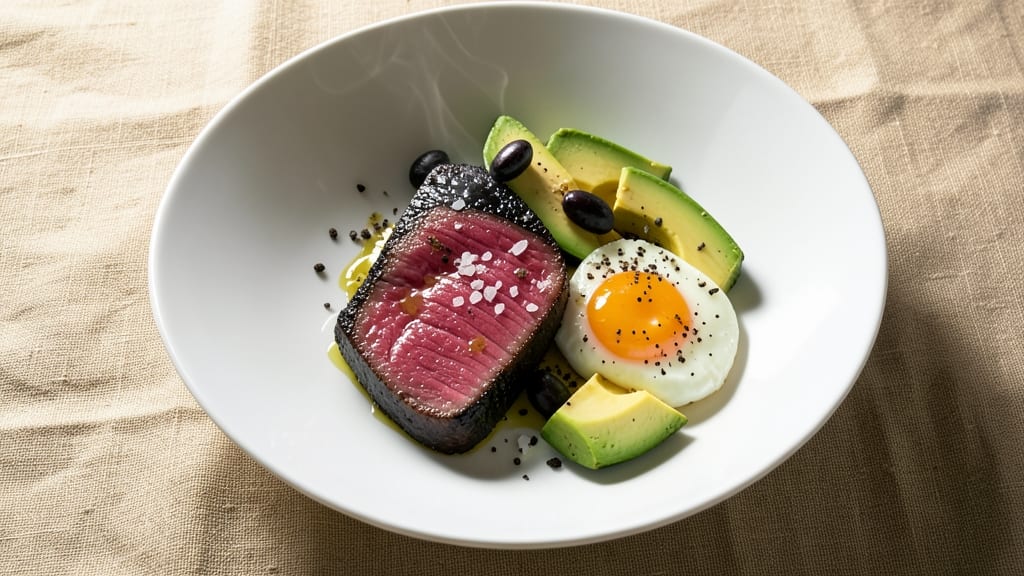
This tuna egg avocado recipe delivers a fast, protein-packed breakfast bowl with velvety textures and bold flavors in just 15 minutes. The secret lies in perfectly seared tuna, runny yolks, and creamy avocado—each element balanced for maximum satisfaction.
I developed this after realizing how quickly fresh ingredients could transform a simple morning meal into something restaurant-worthy.
The magic happens when you sear the tuna just enough to keep it tender yet flavorful, then top it with a perfectly poached egg and ripe avocado slices. The contrast of warm tuna, cool avocado, and rich egg yolk creates a harmony of textures that's impossible to resist.
This isn't just breakfast—it's a meal that feels like a treat, even on busy mornings.
What you'll end up with is a bowl that's creamy yet light, packed with protein but never heavy. The tuna stays moist and flavorful, the eggs provide that perfect runny yolk, and the avocado adds a buttery richness.
It's the kind of dish that makes you want to linger at the table longer than usual—without skipping your morning coffee.
Pair it with a sprinkle of flaky salt, fresh lemon zest, or a side of toasted sourdough for the full experience. Here's how to make it happen—fast and foolproof.
Ingredients for tuna egg avocado
Fresh ingredients that come together in minutes for a breakfast bowl that tastes like a restaurant treat.
| Ingredient | Amount | Notes |
|---|---|---|
| Fresh Sushi-Grade Tuna Steak 🐟 | 6 oz | Thinly sliced, about 1/4-inch thick |
| Large Eggs 🥚 | 2 whole | Fresh, cold eggs for perfect poaching |
| Ripe Hass Avocados 🥑 | 1 whole | Sliced into 1/4-inch thick pieces |
| Extra-Virgin Olive Oil 🫒 | 2 tbsp | For searing tuna and drizzling |
| Flaky Sea Salt 🧂 | 1 tsp | Maldon or Jacobsen preferred |
| Freshly Ground Black Pepper 🌶️ | ½ tsp | Freshly cracked for best flavor |
| Lemon Juice 🍋 | 1 tbsp | Freshly squeezed for brightness |
| Lemon Zest 🍋 | 1 tsp | Fine zest for aromatic finish |
| Sesame Seeds 🌾 | ½ tsp | Toasted lightly for crunch |
| Soy Sauce 🍶 | 1 tsp | For tuna marinade, low-sodium preferred |
| Sesame Oil 🫒 | ½ tsp | For finishing drizzle |
| Sourdough Bread 🍞 | 4 slices | Toasted for serving |
| White Vinegar 🍶 | 1 tbsp | For egg poaching liquid |
| Water 💧 | 2 cups | For egg poaching |
The tuna is everything here—sushi-grade is non-negotiable for both safety and texture. Grab it from the seafood counter, not the canned aisle. Look for bright red color and firm texture. Whole Foods or high-end grocery stores usually have the best selection, but even regular markets carry sushi-grade tuna these days. If you're nervous about handling raw fish, pre-sliced sushi-grade tuna from the deli section works too. The avocados? Ripe is key—press gently, they should yield slightly. Hass avocados are my go-to because they hold up better than other varieties when sliced.
No flaky sea salt? Diamond Crystal kosher salt works in a pinch, but the texture is different. Short on sesame seeds? Toasted pumpkin seeds add a similar crunch. The soy sauce marinade is quick—just toss the tuna slices with it for 5 minutes before cooking. No sesame oil? Extra-virgin olive oil is a decent substitute, though it won't have that nutty aroma. For the eggs, if you're not comfortable poaching, soft-boiled eggs work too—just slice them in half and scoop out the yolk. The lemon zest can be zested by hand or with a microplane—whatever you've got is fine.
Tuna and avocado keep best in the fridge for 1 day if you're not using them immediately, but honestly, they're best eaten fresh. The toasted sourdough stays crisp for 2 hours if you wrap it in a clean kitchen towel. For the egg poaching liquid, you can make it ahead and store it in the fridge for 3 days. I always double the batch—leftovers make a great quick breakfast the next morning. The whole bowl reheats beautifully in the microwave for 20 seconds, though the texture changes slightly.
Why You'll Love This Recipe
- No-Fuss Freshness: The tuna steak and avocado are prepped in minutes—just slice, sear, and serve. Honestly, the hardest part is waiting for the eggs to cook just right, and even that’s only five minutes.
- Rich, Crisp, Creamy: That first bite of warm tuna with its buttery crust, the runny yolk pooling over the cool avocado? It’s the kind of contrast that makes you pause mid-bite. The olive oil ties it all together like a perfect handshake.
- Lunchbox Hero: Pack it for work—no reheating needed. I’ve sent this to my office in a mason jar with a drizzle of olive oil on top, and it’s still fresh hours later. (Yes, even on a Tuesday night.)
- Budget Luxury: Sushi-grade tuna feels fancy, but one steak stretches generously with eggs and avocado. Between us, I’ve made this for $12 and still felt like I was eating at a high-end spot. Leftovers? They’re even better the next day.
Step-by-step instructions for tuna egg avocado breakfast bowl
Here's how to assemble this creamy, protein-packed bowl in under 20 minutes.
Prepare the Tuna Marinade and Sear
In a small bowl, combine the 6 oz fresh sushi-grade tuna steak with 1 tsp soy sauce and 1 tbsp lemon juice. Let it marinate for 5 minutes while you prep the rest. This brief marinade enhances the tuna's natural flavor without overpowering it.
Heat 1 tbsp of the extra-virgin olive oil in a nonstick skillet over medium-high heat. Place the tuna slices in the pan and sear for 1 minute per side until they develop a light golden crust. The tuna should remain tender and slightly translucent in the center—overcooking turns it rubbery. Transfer to a plate and sprinkle immediately with ½ tsp freshly ground black pepper. Cover loosely with foil to keep warm.
Poach Perfect Eggs in Flavorful Water
In a separate saucepan, combine the 2 cups water with 1 tbsp white vinegar and bring to a gentle simmer over medium-low heat. The vinegar lowers the water's surface tension, preventing the eggs from spreading. Crack the 2 whole large eggs into a small bowl and carefully slide them into the simmering water.
Poach for 3-4 minutes for runny yolks (ideal for this dish) or 4-5 minutes for firmer yolks. You'll know they're done when the whites are set but the yolks remain creamy. Use a slotted spoon to transfer the eggs to a paper towel-lined plate. Sprinkle lightly with ½ tsp flaky sea salt while still warm.
Assemble the Creamy Base
Slice the 1 whole ripe Hass avocado into ¼-inch thick pieces and arrange them on two plates. Drizzle each portion with ½ tbsp extra-virgin olive oil and sprinkle with ½ tsp lemon zest and ¼ tsp sesame seeds. The avocado should look vibrant and slightly glistening from the oil.
Add the seared tuna slices and poached eggs to each plate. The contrast of creamy avocado, tender tuna, and perfectly poached eggs creates the ideal texture combination. For extra richness, drizzle each bowl with ¼ tsp sesame oil and a final sprinkle of ¼ tsp flaky sea salt.
Toast the Sourdough and Serve Immediately
While everything else is prepping, toast the 4 slices sourdough bread until golden brown and crisp. The toast should have a slight crunch that contrasts beautifully with the creamy components. Cut each slice diagonally for easy handling.
Serve each bowl with 2 slices of toast on the side. The sourdough's tangy flavor complements the richness of the tuna and avocado perfectly. For an extra burst of flavor, squeeze a little more lemon juice over the top just before serving. This dish is best enjoyed immediately while the avocado is fresh and the eggs are warm.
Pro Tips For Making Tuna Egg Avocado
- SEAR TUNA FAST: Hit the tuna steak with a screaming-hot pan—just 10-15 seconds per side—until it releases easily from the pan. Overcooking turns it rubbery, and nobody wants that with avocado’s creamy contrast. (Yes, even if you’re impatient like me.)
- SALT THE AVOCADO: Sprinkle flaky sea salt right after slicing—it prevents browning and lets the avocado’s natural oils shine. Skip this, and your avocado will look sad and oxidized by the time you plate it.
- RUNNING WATER EGGS: Crack eggs into a bowl of ice water before poaching for perfectly round yolks that stay intact. No more broken yolks ruining the presentation—just slip them into the water, wait 3 minutes, and they’ll be flawless.
- REST THE TUNA: After searing, let the tuna rest 2-3 minutes under foil—this keeps it juicy and makes slicing clean. I learned this the hard way when my first batch turned out dry and crumbly. (Your future self will thank you.)
Essential equipment for this dish
Nonstick Skillet
You'll want a high-quality nonstick skillet like the All-Clad Stainless or Calphalon for searing the tuna. The nonstick surface prevents sticking and allows for quick cooking at medium-high heat.
If you don't have nonstick, a well-seasoned cast iron skillet from Lodge works too—just use less oil and keep heat consistent. A 10-inch skillet is ideal for this recipe. 🔥
Fine-Mesh Strainer
A fine-mesh strainer is essential for poaching the eggs without breaking them. I recommend the OXO Good Grips—it's sturdy and has small enough holes to hold even delicate egg whites.
Place it over a bowl to catch any stray egg bits that slip through. This makes transferring poached eggs to your plate effortless and clean. ✨
Microplane or Zester
For the lemon zest, a Microplane or dedicated zester is a game-changer. A Microplane like the OXO Good Grips gives you fine, even strips of zest without the bitter pith.
If you don't have one, a cheese grater works in a pinch, but it's messier. Fresh zest adds a bright, aromatic finish that elevates the dish. 🍋
Slotted Spoon
Use a slotted spoon to carefully lift the poached eggs from the water. I prefer a long-handled one like the Norpro Silicone for better control. The slots allow water to drain while keeping the egg intact.
This tool is also great for transferring the seared tuna slices without breaking them. 🥄
Digital Thermometer
While not strictly necessary, a digital thermometer helps ensure your eggs are perfectly poached. I use the Thermoworks Thermapen to check the water temperature—it should be 160-170°F for ideal poaching.
This precision keeps the yolks runny and whites set. It's an investment, but it makes a big difference for consistent results. 🌡️
Sharp Chef's Knife
A sharp chef's knife (like the Wüsthof Ikon) is crucial for slicing the avocado and tuna evenly. Dull knives crush the avocado, making it brown and unappetizing.
Keep your knife honed and slice the avocado against the grain for cleaner cuts. A small offset spatula also helps for delicate tasks like arranging avocado slices. 🥑
Nutrition facts
Frequently asked questions
Can I use canned tuna instead of fresh?
The recipe is designed for fresh sushi-grade tuna to achieve that perfect tender texture and rich flavor. Canned tuna won't provide the same delicate mouthfeel or freshness. If you must use canned, opt for high-quality seared tuna-style in water and drain it thoroughly before searing to mimic the texture slightly.
How do I prevent the avocado from browning?
Squeeze a little lemon juice over the avocado slices immediately after cutting and keep them submerged in cold water until ready to use. For extra protection, sprinkle with a pinch of salt—it helps preserve color. Work quickly when assembling the bowl to minimize exposure to air.
What if I don't have sesame oil?
No problem! Substitute with extra-virgin olive oil or even a light drizzle of toasted sesame seeds (toasted in a dry pan for 1 minute until fragrant). The nutty aroma comes from the seeds, not the oil, so you can still achieve that flavor profile.
Can I make this ahead of time?
This dish is best enjoyed fresh, but you can prep components ahead: marinate the tuna (up to 4 hours), slice the avocado (keep submerged in lemon water), and toast the bread. Assemble everything just before serving to maintain perfect textures. The eggs should always be poached fresh.
What's the best way to reheat leftovers?
Microwave the bowl for 20-30 seconds on medium power to warm through, but expect the avocado to soften slightly. For best results, reheat just the tuna and eggs separately, then reassemble with fresh avocado. The texture contrast is what makes this dish special!