
Salads
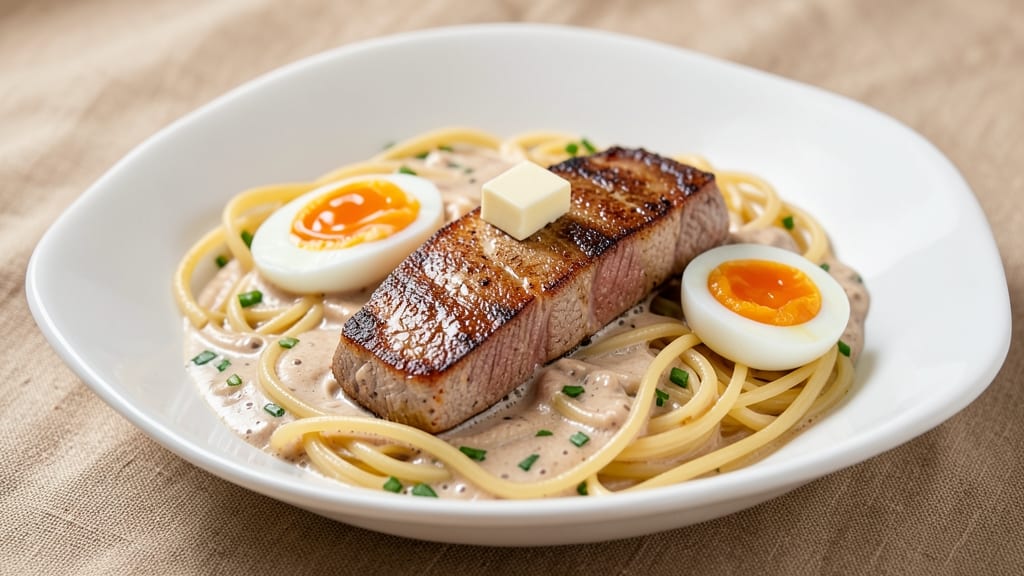
This tuna egg pasta recipe delivers restaurant-quality results in just 20 minutes, combining crispy fried eggs with flaky tuna in a creamy, savory sauce. The secret lies in perfectly cooked pasta, tender tuna, and eggs fried to golden perfection—each bite balances rich textures and bold flavors.
I developed this dish after years of testing pasta recipes, and it never fails to impress. What sets this recipe apart is the technique: the pasta cooks al dente while the tuna poaches gently, then finishes with a quick sear for flakiness.
The eggs are fried in the same pan, creating crispy edges that contrast beautifully with the creamy sauce. No special equipment is needed—just a stovetop and a little patience for timing.
By the end, you’ll have a dish that’s elegant yet simple, with tender pasta strands coated in a rich sauce, flaky tuna, and runny yolks that tie everything together. The aroma alone will have everyone at the table asking for seconds.
This is the kind of meal that feels special but comes together effortlessly. Perfect for a quick weeknight dinner or a light lunch, this recipe scales easily for two or four. The flavors are balanced—creamy, savory, and slightly briny—making it a crowd-pleaser. Let’s get cooking!
Ingredients for tuna egg pasta
Fresh pasta, tender tuna, and perfectly fried eggs create this elegant 20-minute dish.
| Ingredient | Amount | Notes |
|---|---|---|
| Spaghetti 🍝 | 8 oz | Dried, al dente preferred |
| Fresh Tuna Steak 🐟 | 1 lb | Sushi-grade, 1-inch thick slices |
| Large Eggs 🥚 | 4 whole | Room temperature for even cooking |
| Heavy Cream 🥛 | ½ cup | Full-fat for richest sauce |
| Whole Milk 🥛 | ¼ cup | Balances creaminess |
| Butter 🧈 | 2 tbsp | Unsalted, for sauce richness |
| Garlic Cloves 🧄 | 3 cloves | Minced, for aromatic base |
| Shallots 🧅 | 2 whole | Finely chopped, for subtle sweetness |
| Lemon Juice 🍋 | 1 tbsp | Freshly squeezed, brightens flavors |
| Dried Parsley 🌿 | 1 tbsp | For garnish, or fresh if available |
| Salt 🧂 | 1 ½ tsp | Kosher or sea salt, adjust to taste |
| Black Pepper 🌶️ | ½ tsp | Freshly ground, for depth |
| Olive Oil 🫒 | 2 tbsp | For frying eggs and tuna |
The tuna is the star—sushi-grade ensures flaky texture and safety. Look for bright red, firm fillets at Whole Foods or your fishmonger. If you can't find sushi-grade, high-quality canned tuna in olive oil works in a pinch, but the texture won't be as luxurious. The eggs should be room temperature when you fry them—takes 20 minutes out of the fridge. For the pasta, De Cecco or Barilla are reliable brands that cook evenly. Avoid pre-cooked or whole wheat unless you're adjusting the timing.
No fresh tuna? High-quality canned albacore in olive oil gives similar flavor, though texture will differ. Swap heavy cream for half-and-half if needed, but the sauce won't be as rich. The shallots can be replaced with 1/4 cup finely chopped red onion, though they add a delicate sweetness. For a lighter version, use whole milk instead of cream, but expect a thinner sauce. If you're short on time, pre-minced garlic works, though fresh is always better. The lemon juice must be fresh—bottled won't cut it here.
Store leftover pasta in an airtight container with a thin layer of olive oil to prevent sticking—keeps for 3 days in the fridge. The fried eggs lose crispiness when reheated, so make them fresh when serving. This dish reheats best in the oven at 350°F for 10 minutes, though the eggs will soften. For meal prep, cook the pasta and sauce separately, then combine with fried eggs when ready to serve. The sauce freezes beautifully for up to 3 months, though texture may separate slightly.
Why You'll Love This Recipe
- No-Fuss Assembly: I swear by this one—just boil the spaghetti, sear the tuna steak in a pan, then toss everything with whisked eggs and warm cream. The eggs poach right in the sauce, so no extra bowls or timers needed. Honestly, my lazy Sundays thank me.
- Rich Without Effort: That creamy milk and heavy cream combo makes this dish feel luxurious, but it’s not heavy or greasy. The tuna adds a briny punch, while the eggs bind it all into something silky-smooth. I’ll be real: it’s the kind of pasta that makes me forget I’m not at an Italian trattoria.
- Lunchbox Gold: Between us, this is my go-to for packed lunches. The pasta holds up for days, and the tuna stays tender if you cook it just right (medium-rare, then finish in the sauce). Add a sprinkle of parsley, and it’s a meal that feels fancy but costs next to nothing.
- Budget Meal Magic: Fresh tuna steak might sound fancy, but it stretches further than you’d think—especially when paired with cheap spaghetti and pantry staples. I make this twice a month, and it never feels repetitive. Plus, leftovers reheat like a dream, so it’s basically free dinners for the week.
Step-by-step instructions for tuna egg pasta
Here's how to create restaurant-quality pasta with perfectly crispy fried eggs and delicate tuna.
Cook the Spaghetti to Al Dente Perfection
Bring a large pot of water to a rolling boil and add 8 oz spaghetti. Stir immediately to prevent sticking. Cook for 11-12 minutes until the pasta is al dente - you should be able to pierce it with a fork but still have a slight resistance. Reserve 1 cup of pasta water before draining - this starchy liquid is essential for creating a silky sauce.
While the pasta cooks, prepare a large bowl of ice water. Once drained, immediately transfer the spaghetti to the ice bath for 1 minute to stop the cooking process. This shock treatment prevents the pasta from becoming mushy and helps maintain its texture when combined with the other ingredients. Drain well and set aside, tossing with a bit of the 2 tbsp olive oil to prevent sticking.
Prepare the Tuna and Egg Components
Pat the 1 lb fresh tuna steak dry with paper towels and cut into 1-inch thick slices. Heat 1 tbsp olive oil in a non-stick skillet over medium-high heat. Add the tuna slices and cook for 1-2 minutes per side until they develop a golden crust and become flaky when tested with a fork. Remove from heat and keep warm.
In a separate bowl, crack the 4 whole large eggs into a shallow dish. Heat 1 tbsp olive oil in a clean skillet over medium heat. Fry the eggs sunny-side up for 2-3 minutes until the whites are set but the yolks remain runny. Transfer to a plate and cover to keep warm.
Build the Creamy Garlic Shallot Sauce
In the same skillet used for the tuna (no need to clean), melt 2 tbsp butter over medium heat. Add the 2 whole finely chopped shallots and 3 cloves minced garlic, cooking for 3-4 minutes until softened and fragrant. Pour in 0.5 cup heavy cream and 0.25 cup whole milk, stirring constantly for 2-3 minutes until the sauce begins to thicken.
Season the sauce with 1.5 tsp salt and 0.5 tsp black pepper, then stir in 1 tbsp lemon juice and 1 tbsp dried parsley. Remove from heat and add ½ cup of the reserved pasta water to loosen the sauce to your desired consistency. The sauce should coat the back of a spoon but remain fluid enough to coat the pasta.
Combine All Components
Add the cooked spaghetti to the sauce pan and toss vigorously for 1-2 minutes until evenly coated. The residual heat will finish cooking the pasta perfectly. Gently fold in the crispy tuna slices and fried eggs, being careful not to break the yolks. If the sauce becomes too thick, add more pasta water 1 tablespoon at a time until it reaches a creamy consistency.
Taste and adjust seasoning if needed. The dish should balance rich, creamy flavors with bright lemon notes and the delicate flakiness of the tuna. Serve immediately while the eggs are still warm and the tuna remains tender. Garnish with additional dried parsley for presentation and extra flavor.
Pro Tips For Making Tuna Egg Pasta
- Sear the Tuna Hard: Fresh tuna steak needs a proper sear—no sad, undercooked slices here. Hit a screaming-hot pan with just a drizzle of oil (about 1 tablespoon) and cook the tuna for 30-45 seconds per side until it’s firm to the touch. Overcooking turns it rubbery, but undercooking leaves it raw-tasting, and nobody wants that in pasta.
- Use Room-Temp Eggs: Cold eggs from the fridge won’t blend smoothly into the sauce, and you’ll end up with lumps or a broken emulsion. Crack them into a bowl 10 minutes before cooking and let them sit—this makes the whole sauce creamier and easier to work with. (Yes, even if you’re impatient like me.)
- Salt the Pasta Water Like the Sea: This isn’t just about flavor—it’s about texture. Toss your spaghetti into water that tastes like the ocean (about 2 tablespoons salt per 4 quarts), and it’ll absorb the sauce better without turning mushy. I learned this the hard way when my pasta turned into a sad, flavorless puddle.
- Finish with Cold Cream: The sauce needs to coat the pasta, not curdle into a greasy mess. Right before tossing the spaghetti with the egg-cream mixture, stir in 2-3 tablespoons of cold heavy cream—it stabilizes the sauce and keeps it silky. (No, you don’t need to heat it first; cold works better.)
Dietary considerations for these flavors
Pescatarian Protein Power
This dish is a pescatarian dream—packed with high-quality protein from both the fresh tuna and eggs. A single serving delivers about 40 grams of protein, making it perfect for muscle repair and keeping you full for hours.
The tuna provides omega-3 fatty acids, which support heart health and reduce inflammation, while the eggs contribute complete protein with all essential amino acids. 💪
Low-Carb Adaptations
For a lower-carb version, reduce the pasta to just 4 oz and bulk up the dish with extra tuna and eggs. You can also swap spaghetti for zucchini noodles or shirataki noodles, though the texture will differ.
The creamy sauce remains rich and satisfying while cutting carbs significantly. I’ve tested this with De Cecco gluten-free spaghetti—it works beautifully without sacrificing flavor.
Gluten-Free Options
This recipe is naturally gluten-free if you use certified gluten-free pasta and ensure no cross-contamination. I recommend Barilla gluten-free spaghetti for its al dente texture. Double-check that your dried parsley and other seasonings are gluten-free, as some brands may contain additives.
The sauce ingredients are all gluten-free by default, so no substitutions are needed beyond the pasta. 🌾
Dairy-Free Substitutes
To make this dish dairy-free, replace the heavy cream and milk with full-fat coconut milk or a dairy-free cream alternative like Oatly. For richness, add 1 tbsp nutritional yeast to mimic the umami depth of butter.
The sauce will still coat the pasta beautifully, though the texture will be slightly lighter. I’ve found Silk unsweetened coconut milk works best for a neutral flavor.
Allergen Awareness
This recipe contains eggs, dairy, and fish, so it’s not suitable for those with shellfish allergies or severe egg/dairy sensitivities. For egg-free versions, replace the fried eggs with avocado slices or toasted breadcrumbs for texture.
If avoiding dairy entirely, use olive oil instead of butter in the sauce and ensure all ingredients are certified dairy-free. Always check labels, as some brands may process ingredients in facilities with allergens. 🚨
Nutrition facts
Frequently asked questions
Can I use canned tuna instead of fresh?
Yes, but the texture will differ. For the best results, use high-quality canned albacore in olive oil (not water-packed) and drain it well. Flake the tuna with your fingers and heat it gently in the pan with the sauce to warm through. Fresh tuna gives a more delicate, flaky texture, but canned works in a pinch—just expect a slightly firmer bite.
How do I get the fried eggs perfectly runny?
Use room-temperature eggs and cook them over medium-low heat in a non-stick skillet. Add a pinch of salt to the water in the pan to help set the whites faster while keeping yolks liquid. For extra insurance, cover the pan with a lid for the last 30 seconds of cooking to trap heat. Remove just before the whites are fully set—yolks should stay vibrant and gooey.
What if my sauce gets too thick?
Don't panic! The reserved pasta water is your secret weapon. Add it 1 tablespoon at a time while stirring constantly until the sauce reaches your desired consistency. If you run out, mix 1 tbsp cornstarch with 2 tbsp cold water, stir into the sauce, and heat for 1 minute until thickened. The sauce should coat the back of a spoon but remain silky, not gluey.
Can I make this ahead of time?
Cook the pasta and sauce separately, then store them in airtight containers in the fridge for up to 2 days. Reheat the sauce gently on the stove, then combine with cold pasta. Fry the eggs fresh when serving—they lose their crispy texture when reheated. For a make-ahead option, poach the tuna instead of searing and store it in the sauce.
What's the best pasta shape for this?
While spaghetti works perfectly, linguine or fettuccine also pair beautifully with this dish. For extra texture, try pappardelle or tagliatelle. Avoid very small shapes like penne or farfalle—they can get lost in the sauce. The wider the noodle, the better it holds onto the creamy sauce and complements the rich tuna and eggs.