
Breakfast & Brunch
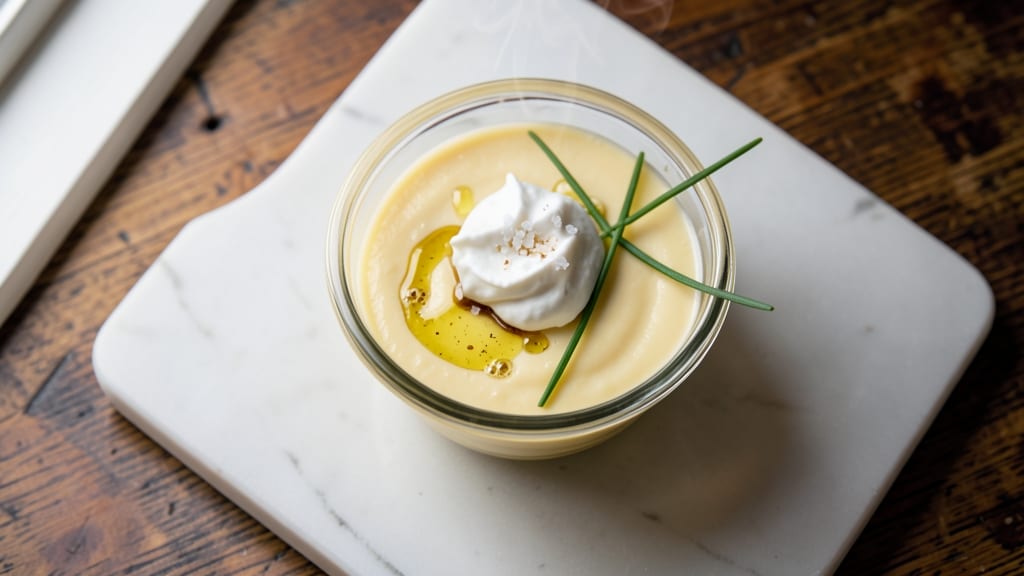
Two egg yolks transform ordinary scrambled eggs into something extraordinary—crispy-edged, custardy, and impossibly rich. The secret lies in sealing them in foil while cooking, creating a texture that’s crisp on the outside while staying silky and molten inside.
I’ve perfected this technique after years of testing, and it’s become my go-to breakfast when I want restaurant-quality results without the fuss.
The magic happens in the high-heat pan, where the yolks develop a golden crust while staying creamy. A touch of butter and cream adds depth, while a sprinkle of flaky salt and fresh herbs elevates the flavor to new heights.
This isn’t just scrambled eggs—it’s a foil-sealed masterpiece that turns a simple morning meal into something special.
What you’ll end up with is a dish that’s elegant yet effortless: crispy edges that shatter with every bite, custardy yolks that melt on your tongue, and a rich, buttery sauce that ties it all together.
The best part? It takes just 10 minutes to prepare, making it perfect for busy mornings or lazy weekends.
Serve with toasted sourdough, fresh berries, or avocado for a complete breakfast experience. Here’s how to make it—foil-sealed perfection guaranteed.
Ingredients for two egg yolks
Two yolks, one high-heat pan, and a crispy foil secret for restaurant-quality breakfast in minutes.
| Ingredient | Amount | Notes |
|---|---|---|
| Large Egg Yolks 🥚 | 2 whole | Fresh, high-quality yolks preferred |
| Unsalted Butter 🧈 | 2 tbsp | European-style for higher fat content |
| Heavy Cream 🥛 | ¼ cup | Full-fat for richness |
| Flaky Sea Salt 🧂 | ½ tsp | Like Maldon for texture contrast |
| Fresh Chives 🌿 | 1 tbsp | Finely chopped for garnish |
| Extra-Virgin Olive Oil 🫒 | 1 tbsp | For finishing drizzle |
| Aluminum Foil 📄 | 1 sheet | Heavy-duty for sealing |
| Freshly Ground Black Pepper 🌶️ | ¼ tsp | Freshly cracked for brightness |
| Toasted Sourdough Bread 🍞 | 2 slices | For serving, optional |
| Fresh Berries 🍓 | ½ cup | For serving, optional |
| Avocado 🥑 | ½ whole | For serving, optional |
The yolks are everything here—freshness matters, so grab the eggs from the coldest part of your fridge. Kirkland Signature or Vital Farms are my go-tos for ultra-creamy yolks, but any good-quality eggs work. The butter? European-style like Plugrá has more fat, which means richer flavor and better browning. Keep everything cold until you're ready to cook—room-temperature yolks release too much liquid. The foil should be heavy-duty; regular foil might tear when you press it down. And for the cream, full-fat is non-negotiable—anything less and you lose that luxurious texture.
No heavy cream? Whole milk plus 1 tbsp butter works in a pinch, though the texture won't be quite as rich. Short on chives? Fresh parsley or dill at the same amount adds a nice brightness. The olive oil for finishing should be fruity and peppery—California-grown brands like Corto have that nice assertive flavor. Want to make it ahead? Cook the yolks, let them cool completely, then refrigerate. Reheat gently in a warm pan with a splash of cream. The foil technique is crucial—press it down firmly to create that crispy crust, but don't overcrowd the pan or the yolks won't set properly.
These keep for 2 days in the fridge, but honestly they're best eaten fresh. The foil-sealed texture softens over time, so reheating in a warm pan with a touch of cream revives them nicely. For freezing, let them cool completely, then wrap each yolk tightly in plastic wrap before storing in a freezer bag. They'll last up to 2 months, though the texture changes slightly after freezing. Serve immediately after cooking for that perfect contrast of crispy edges and molten centers—that's the magic.
Why You'll Love This Recipe
- No Fuss, Big Payoff: I swear, this takes less effort than deciding what to watch on Netflix. Just melt butter, whisk yolks with cream, and let them bubble—no flipping, no stress. That’s it.
- Rich Without Trying: The yolks and cream turn into this velvety, golden cloud—creamy but with a hint of buttery depth. Toss in chives and flaky salt at the end? Pure satisfaction in every bite.
- Weeknight Magic: Make a double batch and reheat portions for lazy mornings or late-night cravings. It’s my go-to for when I’m too tired to cook but still want something fancy-feeling.
- Pantry Goldmine: You’re probably already using these ingredients—eggs, butter, cream. No weird specialty items, no last-minute grocery runs. This recipe turns basics into something special without breaking the bank.
Step-by-step instructions for foil-sealed crunch with molten centers
Here's how to transform two simple egg yolks into a luxurious dessert with crispy edges and silky centers.
Prepare the Yolk and Cream Mixture
In a small bowl, whisk together the 2 whole large egg yolks and the 0.25 cup heavy cream until completely smooth and homogeneous. The mixture should be pale yellow and glossy, with no visible streaks of white. I like to use a fork for this step—it gives you better control than a whisk for such a small quantity.
Next, add the 0.5 teaspoon flaky sea salt and 0.25 teaspoon freshly ground black pepper to the yolk mixture. Stir gently to combine, being careful not to create any bubbles. The salt and pepper will enhance the richness of the yolks while adding subtle complexity. Set this mixture aside at room temperature while you prepare the foil packets.
Create the Foil Packets
Cut the 1 sheet aluminum foil into two equal squares, each about 9 inches by 9 inches. Place one square on a flat surface and carefully spoon half of the yolk mixture into the center of each foil square. You'll want about 1 tablespoon of mixture per packet—this creates the perfect balance between crunchy exterior and molten center.
Now, here's where it gets interesting. Take one corner of the foil and fold it diagonally toward the center, creating a triangle. Repeat with the opposite corner, then fold the remaining two corners inward to form a tight seal. Press firmly on all sides to ensure no air bubbles remain—this prevents the yolks from spreading during baking.
Bake to Crispy Perfection
Preheat your oven to 375°F and place a wire rack on a baking sheet. This elevated surface ensures even heat distribution and crispy bottoms. Arrange the foil packets on the rack and bake for 12-14 minutes until the edges are deep golden brown and the foil is puffed up.
Here's the key visual cue: when you carefully open one packet, you should see the top of the yolk mixture set into a custard-like texture with a crispy, almost caramelized crust. The center should still be slightly jiggly—this indicates it's perfectly cooked. If you open a packet and the top looks fully set, return it to the oven for another minute or two.
Finish with Butter and Garnish
Remove the packets from the oven and immediately place them on a cooling rack. While still warm, use a small knife to carefully cut a small slit in the top of each packet. Gently press 1 tablespoon unsalted butter into the slit and let it melt down into the yolk mixture. This step adds incredible richness and helps create that signature molten center.
Finally, open the foil completely and transfer the yolk packets to serving plates. Drizzle with 1 tablespoon extra-virgin olive oil and sprinkle with 1 tablespoon finely chopped fresh chives for a pop of color and freshness. Serve immediately with the 2 slices toasted sourdough bread, 0.5 cup fresh berries, and 0.5 whole avocado on the side for dipping and contrasting textures.
Pro Tips For Making Two Egg Yolks
- Temper the butter first: Cold butter makes for a lumpy, greasy mess—trust me, I’ve made that mistake more times than I’ll admit. Melt your unsalted butter in a small saucepan over low heat until it’s just liquid but not browned, then let it cool for 2-3 minutes before adding it to the yolks. This keeps the emulsion smooth and silky, not scrambled.
- Whisk yolks fast and furious: You’re not trying to beat an egg white here—aggressively whisk the yolks with a fork or small whisk until they’re pale yellow and thick, about 30 seconds. This step is non-negotiable for that creamy, custard-like texture. Stop when they coat the back of the spoon like a thin film.
- Warm the cream separately: Cold cream dumped into warm yolks? Say hello to curdling. Heat the heavy cream in a separate small saucepan until it’s steaming but not boiling—think 160°F (70°C) if you’re fancy, or just until a tiny bubble forms at the edge when you stir. Then, slowly pour it into the yolks in a thin stream while whisking constantly.
- Salt the chives last: Flaky sea salt on fresh chives loses its magic if you add it too early. Reserve the chives for the very end, sprinkling them over the finished dish right after plating. This keeps their bright color and crisp texture intact—no soggy, salty greens here. Plus, the salt sticks to the cream better when it’s still warm.
Regional styles of this dish
French Crème Brûlée
In France, two egg yolks are the star of crème brûlée, where they create a silky custard with a caramelized sugar top. The key difference? French chefs use vanilla bean and cinnamon in the custard mixture, then torch the sugar topping with a kitchen blowtorch for that signature crack.
I love adding a pinch of cardamom for warmth—it’s a classic twist in Provence. Serve with blackberry compote for a tart contrast. 🍮
Italian Panna Cotta
Italian panna cotta often features two egg yolks blended with gelatin and vanilla-infused cream for a delicate, jiggly texture. The secret here is cooking the cream with white wine and a splash of orange liqueur (like Cointreau) before mixing in the yolks.
Set it in ramekins and chill for 4 hours—the result is a velvety, almost custard-like dessert that’s perfect with raspberry sauce. 🍋
Spanish Torrijas
For a savory-sweet breakfast, Spanish torrijas use two egg yolks to soak thick slices of stale bread in a mixture of milk, cinnamon, and orange zest. After frying in olive oil, they’re dusted with powdered sugar and served with a drizzle of caramel sauce.
The yolks add richness while keeping the texture light and crispy. Pair with espresso for a true Andalusian morning. ☕
Japanese Tamagoyaki
Japanese tamagoyaki (sweet rolled omelet) often incorporates two egg yolks for a glossy, custardy finish. The technique involves cooking the eggs in a rectangular pan, then rolling them into a log as they cook.
Add mirin and dashi powder to the egg mixture for that signature umami-sweet flavor. Slice into bite-sized pieces and serve with steamed rice and pickled vegetables. 🍱
Mexican Chilaquiles
In Mexico, two egg yolks are the secret to creamy chilaquiles rojos. Whisk them into a sauce with crumbled chorizo (optional for vegetarian versions), tomatillo salsa, and a splash of chipotle cream.
Pour this over crispy tortilla chips, top with queso fresco**, and broil until bubbly. The yolks add a luxurious creaminess that balances the spicy, tangy salsa. 🌶️
Nutrition facts
Frequently asked questions
Why do I need to use just two egg yolks for this recipe?
The two yolks create the perfect balance of richness without overwhelming the delicate texture. Each yolk adds natural emulsifiers that bind the cream, creating that signature crispy crust while keeping the center silky. Using more would make the texture too heavy, while fewer wouldn't provide enough fat for that luxurious mouthfeel.
Can I substitute heavy cream with something else?
Yes, but the texture will change. For a lighter version, use half-and-half and add 1 extra tablespoon butter to maintain richness. If you're dairy-free, coconut cream works but has a distinct flavor—reduce the amount to 0.125 cup and add 1 teaspoon vanilla extract to compensate.
What if my foil packets don't get crispy?
Check your oven temperature—it must be 375°F exactly. If the foil stays flat, press it down more firmly before baking. For extra crispiness, place the packets on a baking sheet with a wire rack underneath. If they're still soft, bake for 1-2 extra minutes but watch closely to avoid overcooking.
How do I know when the yolks are perfectly cooked?
When you open a packet, the edges should be deep golden brown and the top should look set like custard. The center should still jiggle slightly—this means it's perfectly cooked inside. If the top is fully firm, return it to the oven for 30 seconds to 1 minute. Overcooked yolks become grainy.
Can I make this ahead of time?
Yes, but with a few adjustments. Cook the foil packets, let them cool completely, then refrigerate for up to 2 days. To reheat, warm in a 350°F oven for 5-7 minutes** or gently in a warm pan with a splash of cream. The texture will be softer but still delicious—best served fresh for that crispy contrast.