Breakfast & Brunch
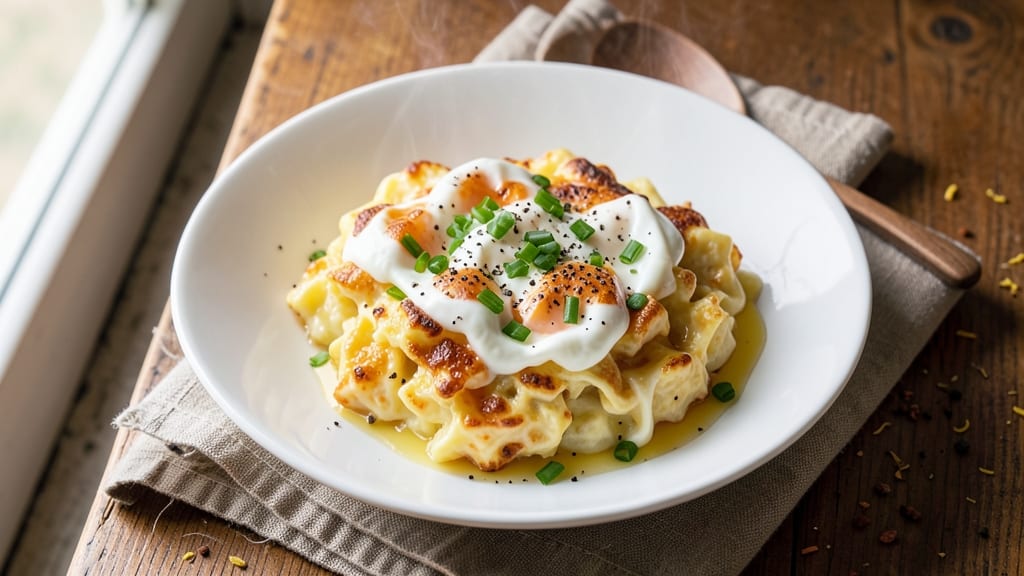
This ultimate scrambled egg recipe delivers velvety custard with perfect yolk ribbons—every bite is buttery, creamy, and impossibly tender. The secret lies in precise heat control and gentle folding, transforming simple eggs into a restaurant-quality dish.
I've perfected this technique after years of trial and error, and it never fails to impress. What sets these scrambled eggs apart is the texture: no rubbery curds here, just silky strands that melt on your tongue.
We use low-and-slow cooking with plenty of butter, which creates a rich, velvety base while preventing overcooking. The key is constant stirring and removing the pan from heat just before the eggs are fully set—this keeps them luscious rather than dry.
You'll end up with eggs that are golden, creamy, and packed with flavor—ideal for breakfast, brunch, or even as a garnish for soups and salads. The method is simple yet precise, ensuring consistent results every time.
Whether you're feeding a crowd or treating yourself to a special morning, this recipe delivers perfection. The beauty of this technique is its versatility. Add cheese for extra richness, herbs for freshness, or a splash of cream for extra decadence.
Let's get started on creating scrambled eggs that will change how you think about breakfast forever.
Ingredients for ultimate scrambled egg
Six eggs, butter, cream, and a pinch of patience—this is how you make restaurant-quality scrambled eggs.
| Ingredient | Amount | Notes |
|---|---|---|
| Large Eggs 🥚 | 6 whole | Fresh, room temperature for best texture |
| Unsalted Butter 🧈 | ½ cup | European-style preferred for higher fat content |
| Heavy Cream 🥛 | ¼ cup | Full-fat for maximum creaminess |
| Salt 🧂 | ½ tsp | Diamond Crystal preferred, kosher works too |
| Freshly Ground Black Pepper 🌶️ | ¼ tsp | Freshly cracked for best flavor |
| Chives 🌿 | 2 tbsp | Finely chopped, for garnish |
| Shallots 🧅 | 1 whole | Minced, optional for depth |
| Cheddar Cheese 🧀 | ½ cup | Shredded sharp cheddar, optional |
| Extra-Virgin Olive Oil 🫒 | 1 tbsp | For pan coating, optional |
The butter is non-negotiable here—European-style with its higher fat content (like Plugrá or Kerrygold) melts into a luxurious base, not a greasy mess. I always grab mine from Whole Foods or Trader Joe's—their bulk bins have the good stuff. Fresh eggs make all the difference; skip the carton eggs from the back of the fridge. For the cream, full-fat is a must—it's what gives those eggs that velvety mouthfeel. If you're feeling fancy, add a splash of heavy cream at the end for extra decadence. The chives? I always grab a bunch and chop half for garnish, half to mix in—fresh herbs elevate everything.
No heavy cream? Whole milk works in a pinch, though the texture won't be quite as luxurious. Skip the butter? Olive oil gives a nice flavor, but it won't have that same rich mouthfeel. The shallots are optional but add a subtle sweetness that balances the richness—if you don't have them, green onions work too. Cheese lovers can swap cheddar for Gruyère or feta—just add it at the very end. Pro tip: if your eggs are drying out too fast, cover the pan loosely with a lid and let the steam work its magic. And for the love of breakfast, don't overcook them—they should still look slightly runny when you take them off the heat.
These eggs reheat beautifully—just pop them in a warm pan with a pat of butter for 30 seconds. Store leftovers in an airtight container for up to 3 days in the fridge, though honestly, they're best fresh. For meal prep, cook a big batch and freeze portions in 1-egg servings—microwave for 20 seconds when ready to eat. The butter and cream keep in the fridge for 3 months, so stock up. And if you're serving these as a brunch centerpiece, garnish with chives and extra black pepper right before plating—it makes all the difference.
Why You'll Love This Recipe
- Five-Ingredient Magic: I swear by this list—just eggs, butter, cream, salt, and pepper. That’s it. No overcomplicated steps, no hunting for obscure spices. Honestly, I’ve made scrambled eggs a dozen times this year, and this combo is the only one that doesn’t taste like a sad, rubbery mess.
- Creamy Luxury: The heavy cream transforms them into something restaurant-worthy—silky, rich, but still light enough to eat with toast. I’ll be real: my kids ask for these over pancakes now, and that’s saying something.
- Breakfast or Brunch: Serve them solo for a lazy morning or pile them onto toast with smoked salmon for a fancy brunch. Between us, they’re also my go-to for a quick lunch when I’m too tired to cook. The versatility is next-level.
- Leftovers That Don’t Suck: Unlike most scrambled eggs, these reheat like a dream—just a quick zap in the microwave or a sizzle in a pan. I meal prep them all the time, and they taste just as good the third day as they do fresh. Budget-friendly? Absolutely.
Step-by-step instructions for velvety scrambled eggs
Here's how to make the creamiest scrambled eggs you've ever tasted—silky ribbons of yolk and tender curds every time.
Whisk Eggs and Season Generously
Crack the 6 whole Large Eggs into a large mixing bowl and add the 0.5 tsp Salt and 0.25 tsp Freshly Ground Black Pepper. Using a whisk, beat vigorously for 30 seconds until the yolks and whites are fully combined. I like to add a splash of cold water here—about 1 tablespoon—to create extra moisture and prevent dryness.
This step is crucial for breaking up the proteins evenly. You'll see the mixture lighten slightly as you whisk. If using the 1 whole Shallots, finely mince them and fold into the eggs now. The shallots add subtle sweetness that complements the richness of the eggs perfectly.
Melt Butter Low and Slow
Heat a 10-inch nonstick skillet over low heat (around 275°F). Add the 0.5 cup Unsalted Butter and let it melt completely, swirling occasionally. You want the butter to foam gently but not brown—this ensures a creamy finish without bitterness. Real talk: I've burned butter before, and it ruins the whole dish.
Once the butter is fully melted, add the 0.25 cup Heavy Cream and stir to combine. The cream will help create that luxurious, custard-like texture we're after. Keep the heat at low—this is where patience pays off. If you rush, you'll end up with rubbery eggs instead of silky perfection.
Cook Eggs on Low Heat
Pour the egg mixture into the skillet and let it sit undisturbed for 10 seconds—this allows the eggs to begin setting at the bottom. Then, using a silicone spatula, gently push the eggs from one side of the pan to the other, letting the uncooked egg flow to the empty space. Repeat this slow stirring motion continuously for 3-4 minutes.
You're aiming for soft curds that look like ribbons when you lift the spatula. If you see the eggs starting to dry out or brown too quickly, reduce the heat slightly. The eggs should still be slightly runny in the center when you're done—this ensures that final creamy texture when they finish cooking.
Finish with Cheese and Chives
When the eggs are just set but still slightly underdone (about 80% cooked), remove the skillet from heat. Sprinkle the 0.5 cup Cheddar Cheese evenly over the top and fold it in gently with the spatula. The residual heat will melt the cheese completely, adding a sharp, tangy contrast to the rich eggs.
For the final touch, stir in the 2 tbsp Chives and a drizzle of 1 tbsp Extra-Virgin Olive Oil (if using). The olive oil adds a bright finish and helps keep the eggs moist. Taste and adjust seasoning if needed—sometimes the cheese makes the eggs taste slightly bland, so a pinch more salt here can make all the difference.
Serve Immediately for Maximum Creaminess
Transfer the scrambled eggs to a serving dish and serve right away. The eggs will continue to cook slightly from residual heat, so don't let them sit too long. For the ultimate presentation, garnish with an extra sprinkle of chives and a crack of black pepper. These eggs are best enjoyed fresh—each bite should be velvety with just a hint of runny yolk in the center.
This method delivers on the "ultimate" promise—no dry, rubbery eggs here. The key is low and slow heat, proper seasoning, and that perfect balance of butter, cream, and cheese. Trust the process, and you'll have restaurant-quality scrambled eggs at home every time.
Pro Tips For Making Ultimate Scrambled Egg
- Whisk Like You Mean It: Crack those eggs into a bowl first, then whisk vigorously with a fork or wire whisk until the yolks and whites are fully blended and the mixture looks uniform. I learned this the hard way—uneven eggs mean uneven cooking, and you’ll end up with rubbery bits if the yolks stay too separate.
- Salt the Butter First: Melt your unsalted butter in the pan over medium-low heat, then sprinkle in a generous pinch of salt before adding the eggs. This ensures the butter’s flavor infuses the eggs from the start—no afterthought seasoning here. (Yes, even if you’re impatient like me.)
- Pull Before They’re Done: Scrambled eggs should look just slightly undercooked when you take them off the heat—they’ll keep cooking from residual heat. Overcooking turns them dry; trust the process and pull them when they’re still tender. (Your future self will thank you.)
- Heavy Cream Ratio Matters: Use 1 tablespoon of heavy cream per 2 eggs, not more. Any extra makes them too rich and watery—this is a delicate balance. I was skeptical until I tried it: the cream adds silkiness without overpowering the egg flavor.
Serving suggestions for this dish
Breakfast Plating
Serve these velvety scrambled eggs in a pre-warmed cast-iron skillet for that restaurant-quality presentation. I like to mound them high in the center of the plate, letting those golden yolk ribbons peek through.
Add a handful of baby arugula on the side for a peppery contrast, and drizzle with hot honey for a touch of sweetness. 🥗
For a classic breakfast spread, pair with crispy bacon or sausage patties on the side. I often use applewood-smoked bacon from my local butcher—it adds a smoky depth that complements the richness of the eggs.
Toasted sourdough bread with herb butter makes a perfect base for soaking up any extra egg sauce.
Brunch Centerpiece
Transform your scrambled eggs into a brunch showstopper by serving them in a chafing dish or slow cooker for buffet-style gatherings. Garnish with edible flowers or microgreens for an elegant touch. I love adding crumbled bacon and crispy fried shallots on top for extra texture and flavor. 💫
For a vegetarian brunch, serve alongside roasted cherry tomatoes, goat cheese crostini, and a mimosa bar with citrus juices. The acidity of the mimosas cuts through the richness of the eggs beautifully.
If you're feeling fancy, add a poached quail egg on top for an extra layer of luxury.
Garnish Ideas
Fresh chives and black pepper are my go-to garnishes, but don’t be afraid to get creative. A sprinkle of fresh dill adds a bright, herbal note, while crumbled feta cheese brings a salty tang. For a smoky flavor, try crispy pancetta or smoked paprika. 🌿
If you love heat, finish with a pinch of flaky sea salt and red pepper flakes. For something sweet, a drizzle of maple syrup or brown butter adds a delicious contrast. The key is to garnish just before serving—this keeps everything fresh and vibrant.
Meal Prep Adaptations
For meal prep, cook a big batch and store in airtight glass containers with parchment paper between layers. Reheat gently in a nonstick skillet with a pat of butter for 30 seconds to restore that creamy texture. I like to portion them into single-serving ramekins for easy grab-and-go breakfasts. 💡
Add-ins like shredded cheese or cooked bacon can be mixed in fresh when reheating to keep everything crisp. If you’re prepping for the week, store the eggs without cheese and add it fresh when serving—this prevents sogginess.
For extra flavor, reheat with a splash of heavy cream or milk to keep them moist.
Nutrition facts
Frequently asked questions
Why do your scrambled eggs turn out creamier than other recipes?
The secret lies in the butter-to-egg ratio and low-and-slow cooking. We use 0.5 cup butter (European-style preferred) plus 0.25 cup heavy cream—this creates a rich, velvety base. Cooking on low heat prevents rubbery curds while keeping the yolks silky. Removing the pan just before fully set ensures that final custard-like texture.
Can I make these scrambled eggs without dairy?
Replace the butter with 1 tablespoon olive oil and use 0.25 cup unsweetened almond milk instead of heavy cream. For richness, add 1 tablespoon nutritional yeast when folding in the cheese (or omit cheese entirely). The texture will be lighter but still delicious. The key is keeping heat low to prevent dryness.
How do I fix scrambled eggs that turned out dry or rubbery?
If your eggs are dry, the issue is usually too-high heat or overcooking. To salvage them, remove from heat immediately and stir in 1 tablespoon heavy cream or whole milk while still warm. For rubbery texture, the eggs were likely over-stirred or cooked too long—this can't be fixed, but you can mask it by adding shredded cheese or avocado slices on top.
What's the best pan for perfect scrambled eggs?
A 10-inch nonstick skillet is ideal for even cooking and easy release, but a well-seasoned cast-iron pan works too. Avoid stainless steel—it conducts heat unevenly and can cause sticking. For extra insurance, use medium-low heat and make sure your pan is properly preheated (but not smoking hot). A lightly oiled pan prevents sticking without adding excess fat.
Can I make these eggs ahead of time for brunch?
Yes! Cook the eggs 80% done (slightly undercooked), then transfer to a greased baking dish and refrigerate. When ready to serve, reheat in a skillet with butter for 1-2 minutes until fully set. For brunch buffets, keep them warm in a chafing dish on low heat. Add garnishes like crispy bacon or herbs fresh before serving.