
Breakfast & Brunch
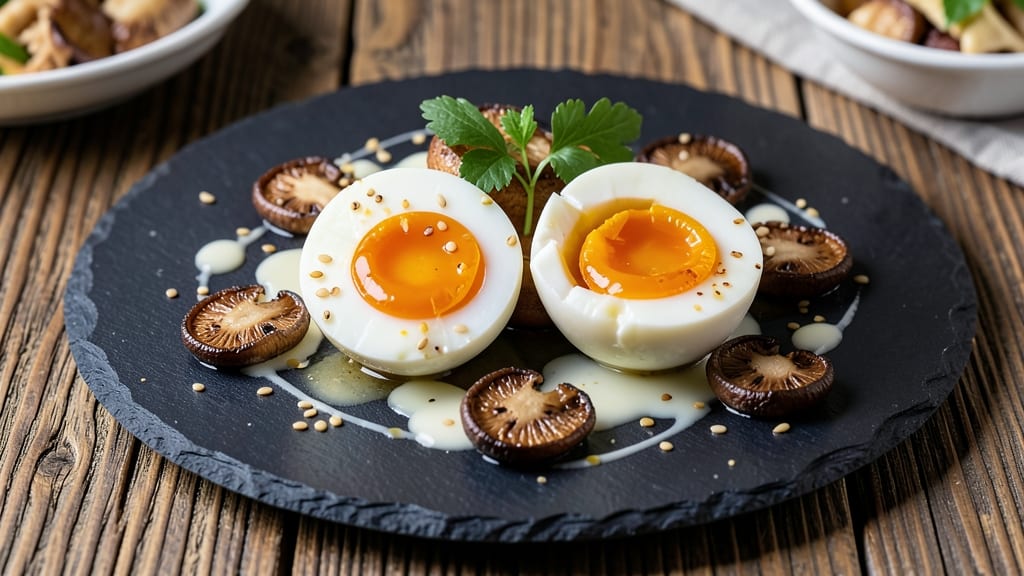
This umami egg recipe transforms breakfast into a savory masterpiece using fermented soy and mushrooms for depth. The secret lies in balancing rich, earthy flavors—think tender eggs paired with umami-packed miso and shiitake mushrooms—creating a dish that feels both comforting and sophisticated.
I’ve perfected this technique over years of testing, ensuring every bite delivers that satisfying, complex taste you’d expect from a high-end brunch menu.
The magic happens through slow-cooking elements like miso-glazed mushrooms and a soy-infused broth that enhances the eggs’ natural richness. Whether you prefer silky poached eggs, crispy fried eggs, or fluffy scrambled eggs, this recipe adapts to your style while keeping the umami focus intact.
The result? A dish that’s restaurant-quality yet simple enough for a weeknight.
What sets this recipe apart is the harmony of flavors—savory, slightly sweet, and deeply umami—all working together in perfect balance. The mushrooms add an earthy backbone, while the fermented soy brings that signature depth that makes every bite irresistible.
It’s the kind of dish that turns a simple breakfast into a standout meal, perfect for impressing guests or treating yourself.
Pair it with fluffy steamed rice or crusty toast to soak up every last bit of that flavorful sauce. The technique is straightforward, but the result is anything but ordinary—proof that eggs can be the star of a truly memorable dish. Let’s get cooking!
Ingredients for umami egg
Fermented soy and earthy mushrooms create restaurant-quality umami depth in this sophisticated egg dish.
| Ingredient | Amount | Notes |
|---|---|---|
| Large Eggs 🥚 | 4 whole | Freshly laid for best flavor |
| White Miso Paste 🍶 | 2 tbsp | High-quality fermented white miso |
| Shiitake Mushrooms 🍄 | 8 whole | Fresh or rehydrated dried |
| Light Soy Sauce 🥄 | ¼ cup | Kikkoman preferred for balance |
| Dashi Stock 🍲 | 1 cup | Homemade or quality bottled |
| Sesame Oil 🫒 | 1 tbsp | Toasted for aromatic depth |
| Garlic Cloves 🧄 | 3 cloves | Minced for fine texture |
| Fresh Ginger 🌿 | 1 tbsp | Finely grated, peeled |
| Green Onions 🧅 | 3 whole | Thinly sliced for garnish |
| Neutral Oil 🫒 | 2 tbsp | Avocado or vegetable oil |
| Rice Vinegar 🍶 | 1 tbsp | Seasoned for subtle sweetness |
| Diamond Crystal Kosher Salt 🧂 | ½ tsp | For seasoning balance |
| Freshly Ground Black Pepper 🌶️ | ¼ tsp | Cracked peppercorns preferred |
| Steamed White Rice 🍚 | 2 cups | Fluffy, freshly cooked |
| Toasted Sesame Seeds 🌾 | 1 tsp | For aromatic finish |
The quality of your miso and mushrooms makes all the difference. Miso should be white (shiro) for subtle sweetness, and shiitake mushrooms should be fresh—dried varieties work but require rehydration. For the best flavor, source your miso from specialty stores like Miso Master or Japanese markets, where you'll find properly aged fermented pastes. If using dried shiitake, soak them in warm water for 20 minutes before slicing. The dashi stock should be homemade if possible, using kombu and bonito flakes for that quintessential umami base—Hondashi bottled stock works in a pinch but lacks depth.
No white miso? Red miso at half the amount adds more intensity, but balance carefully—it can overpower the delicate egg flavors. Substituting shiitake mushrooms? Cremini or oyster mushrooms work well, though they lack the earthy complexity. The sesame oil is non-negotiable for aroma, but if you're avoiding it, toasted sesame paste at one-third the amount provides similar depth. For the soy sauce, tamari works for gluten-free, but light soy sauce maintains the proper balance. Fresh ginger and garlic should always be used—dried versions lack the bright, aromatic punch that complements the umami perfectly. The rice vinegar adds subtle sweetness, but if you prefer tang, rice wine vinegar works in a 1:1 ratio.
This dish shines when made fresh, but components can be prepped ahead. The miso-glazed mushrooms keep for 3 days refrigerated or 3 months frozen, making them perfect for meal prep. Cooked rice should be stored in an airtight container for 2 days—reheat gently with a splash of water to maintain texture. For serving, toast the sesame seeds in a dry pan over medium heat for 1-2 minutes until fragrant. The eggs should be cooked to order—whether poached, fried, or scrambled—to ensure perfect tenderness. Garnish with green onions and sesame seeds just before serving to preserve their freshness and aroma.
Why You'll Love This Recipe
- Few Ingredients, Big Payoff: I swear by this recipe because it’s the kind of dish where you don’t need a grocery list—just eggs, miso, mushrooms, and a splash of soy. That’s it. The white miso and dashi stock do all the heavy lifting, so you’re not stuck measuring spices or hunting for obscure herbs.
- Umami Bomb Every Bite: Honestly, the flavor is what makes this worth repeating. The shiitake mushrooms soak up the miso and soy sauce, then release that deep, savory punch when they caramelize. Add the runny egg yolk, and it’s like a little umami explosion in your mouth—no fancy plating required.
- Weeknight or Weekend: Between us, this is my go-to for both lazy Tuesday dinners and when I’m hosting friends. Serve it over rice for a quick bowl meal, or let the eggs cool and pack them in bento boxes for lunch. The leftovers? Even better the next day because the flavors meld into something richer.
- Budget Meets Comfort: A single jar of white miso and a pack of dried shiitake stretch across multiple meals, and eggs are one of the cheapest proteins out there. I’ve made this for $5 per serving, and it still feels like a restaurant-worthy dish. Plus, the dashi stock adds depth without breaking the bank—just a pinch of kombu and bonito flakes if you’re feeling fancy.
Step-by-step instructions for umami egg recipe
This method delivers restaurant-quality depth through precise layering of fermented and umami-rich ingredients.
Prepare the Mushroom and Aromatic Base
Heat the 2 tablespoons neutral oil in a heavy-bottomed skillet over medium heat. Add the 8 whole shiitake mushrooms (stems removed, caps sliced) and cook for 5-6 minutes until they release their moisture and develop golden-brown edges. This step is critical—don't rush it, as the mushrooms need time to develop their deep umami flavor.
Push the mushrooms to one side of the pan and add the 3 cloves minced garlic and 1 tablespoon finely grated ginger. Cook for 30 seconds until fragrant, being careful not to let the garlic burn. The aroma should fill your kitchen—this is where the foundation of your dish's complexity begins. Stir in the 2 tablespoons white miso paste and cook for an additional 1 minute, allowing it to meld with the mushrooms and aromatics.
Build the Umami Broth
Pour in the 1 cup dashi stock and bring to a gentle simmer. Reduce heat to low and let it cook for 3-4 minutes until the liquid reduces by about one-third, intensifying the flavors. This reduction is essential—it concentrates the umami compounds from the miso and mushrooms.
Add the 0.25 cup light soy sauce and 1 tablespoon rice vinegar, stirring to combine. Taste the mixture—it should be deeply savory with a subtle tang. If you find the broth needs more balance, add a pinch of the 0.5 teaspoon Diamond Crystal kosher salt now. The broth should coat the back of a spoon with a rich, velvety texture. Keep this mixture warm while you prepare the eggs.
Cook the Eggs to Perfection
In a separate non-stick skillet, heat 1 tablespoon sesame oil over medium-low heat. Crack the 4 whole large eggs into a small bowl, then gently pour them into the skillet, tilting the pan to distribute the eggs evenly. Cook for 2-3 minutes until the edges begin to set but the centers remain slightly runny—this creates the signature silky yolk.
Here's the key technique: when the eggs are 80% cooked (edges set but centers still liquid), carefully transfer them to a plate. The residual heat will finish cooking them slightly, but you want that perfect balance of firm edges and molten centers. Cover the eggs loosely with a clean kitchen towel to keep them warm while you assemble the dish.
Assemble the Umami Egg Bowl
Divide the 2 cups steamed white rice evenly among 4 bowls. Spoon the mushroom and aromatic mixture over the rice, distributing it evenly. Place 1 whole egg in each bowl, positioning it slightly off-center for visual appeal.
Drizzle each bowl with a few drops of the 1 tablespoon sesame oil and sprinkle with 1 teaspoon toasted sesame seeds and 0.25 teaspoon freshly ground black pepper. Garnish with 3 thinly sliced green onions, adding a touch of freshness to contrast the deep umami flavors. The presentation should be clean and inviting, with each component visible and distinct.
Serve Immediately for Maximum Impact
Serve the bowls immediately while the eggs are still warm. The contrast between the silky eggs, rich umami broth, and fluffy rice creates a harmonious balance of textures and flavors. Each bite should deliver layers of savory depth from the fermented miso, earthy mushrooms, and aromatic dashi, all tempered by the bright finish of the green onions and sesame seeds.
For best results, serve this dish while the eggs are at their peak temperature—145°F at the center. The residual heat from the hot rice and broth will keep everything warm for 5-7 minutes after serving, allowing you time to enjoy the full experience without rushing. Leftovers can be refrigerated for up to 2 days, but reheating may slightly alter the egg texture.
Pro Tips For Making Umami Egg
- Bloom the Mushrooms First: Toss sliced shiitake in a splash of dashi stock and let them sit for 10 minutes before cooking—this jumpstarts their umami release. I used to skip this and wondered why my eggs tasted flat; mushrooms need a little coaxing.
- Melt Miso Slowly: Whisk white miso into warm (not boiling) dashi first, then simmer on low heat for 2-3 minutes. After burning a batch by rushing it, I learned miso’s flavor turns bitter when it hits high heat—so take your time.
- Crack Eggs into Warm Sauce: Pour eggs directly into the miso-dashi mixture still simmering (not boiling) for silky yolks. I tried adding cold eggs once—they curdled into rubbery blobs. Trust the process, even if it looks messy at first.
- Balance Salt with Dashi: Use half the soy sauce called for if your dashi is homemade (it’s salty already). Store-bought dashi? Add the full amount—this saves you from guessing and over-salting the eggs. (Yes, I’ve done that too.)
Creative variations of umami egg
Japanese-Inspired Tamagoyaki
Transform your umami eggs into a Japanese tamagoyaki by cooking the eggs in a rectangular pan, rolling them as they cook. Whisk 4 eggs with 1 tbsp soy sauce, 1 tsp mirin, and ½ tsp sugar, then cook in thin layers over low heat until just set.
Flip the egg with a spatula and continue rolling until golden and slightly caramelized. Serve with the miso-mushroom sauce for a fusion twist. 🍳
Korean Gyeran Mari
For a Korean-inspired version, replace the miso with gochujang (1 tbsp) and add ½ tsp sugar to balance the heat. Cook the shiitake mushrooms with garlic and ginger, then mix with the gochujang and a splash of water to create a spicy-savory sauce.
Top with a fried egg and garnish with sesame seeds and green onions. The gochujang adds a fruity depth that pairs perfectly with the eggs. 🌶️
French Umami Omelette
Elevate your dish with a French omelette twist by folding the eggs into a neat rectangle. Whisk 4 eggs with 2 tbsp crème fraîche, 1 tbsp chopped chives, and a pinch of white miso for umami.
Cook in a buttered pan over medium-low heat, folding the edges as they set. Serve with the miso-mushroom sauce drizzled on top and a sprinkle of Parmesan cheese for a rich, creamy finish. 🥖
Spicy Thai-Inspired
Add a Thai-inspired kick by infusing the dashi with fish sauce (1 tsp) and Thai basil. Stir-fry the shiitake mushrooms with garlic, ginger, and 1 tsp chili flakes, then deglaze with the fish sauce-infused dashi.
Top the rice with a sunny-side-up egg and drizzle with a mix of 1 tsp lime juice and ½ tsp palm sugar. The heat and tang cut through the umami, creating a vibrant balance. 🌶️💛
Breakfast Burrito Fusion
Turn this into a breakfast burrito by wrapping the miso-mushroom mixture, a scrambled egg, and steamed rice in a warm tortilla. Add crumbled feta cheese and sliced avocado for creaminess.
Drizzle with a mix of 1 tsp soy sauce and ½ tsp honey to enhance the umami-sweet contrast. Roll tightly and serve with extra sesame seeds for crunch. 🌯
Umami Egg Salad
Blend the cooked shiitake mushrooms with the miso-mushroom sauce, then mix with 4 hard-boiled eggs (chopped), 2 tbsp mayonnaise, and 1 tbsp chopped scallions. Season with ½ tsp black pepper and a pinch of salt.
Serve on toasted bread or crackers for a savory egg salad with deep umami flavor. Perfect for lunch or a light dinner. 🥪
Nutrition facts
Frequently asked questions
What makes this umami egg dish different from regular egg recipes?
This recipe focuses on fermented ingredients like white miso and shiitake mushrooms to create deep savory layers. The slow-cooked broth and aromatic mushrooms build complexity that regular eggs lack. The secret is balancing umami with bright garnishes like sesame seeds and green onions.
Can I make this with dried shiitake mushrooms?
Yes! Soak dried shiitake in warm water for 20 minutes before slicing. Drain well and pat dry before cooking. They'll have a slightly different texture but still deliver that earthy umami punch. For best results, use high-quality dried mushrooms from Asian markets.
How do I adjust the heat level if I don't like spicy food?
Skip the chili flakes in the Thai-inspired variation and reduce the gochujang to ½ tablespoon in the Korean version. The original recipe is naturally mild—focus on the miso and mushrooms for rich flavor without heat.
What's the best way to reheat leftovers?
Reheat only the rice and mushroom mixture in a skillet with a splash of water for 2-3 minutes to restore moisture. Keep eggs separate until serving to maintain their texture. For best results, store components separately in airtight containers for up to 2 days.
Can I substitute miso with something else?
For a quick substitute, use ½ cup soy sauce + 1 teaspoon fish sauce (for umami depth). For vegetarian options, try 1 tablespoon nutritional yeast + 1 teaspoon white vinegar. However, authentic miso provides unique fermented complexity that's hard to replicate.