
Breakfast & Brunch
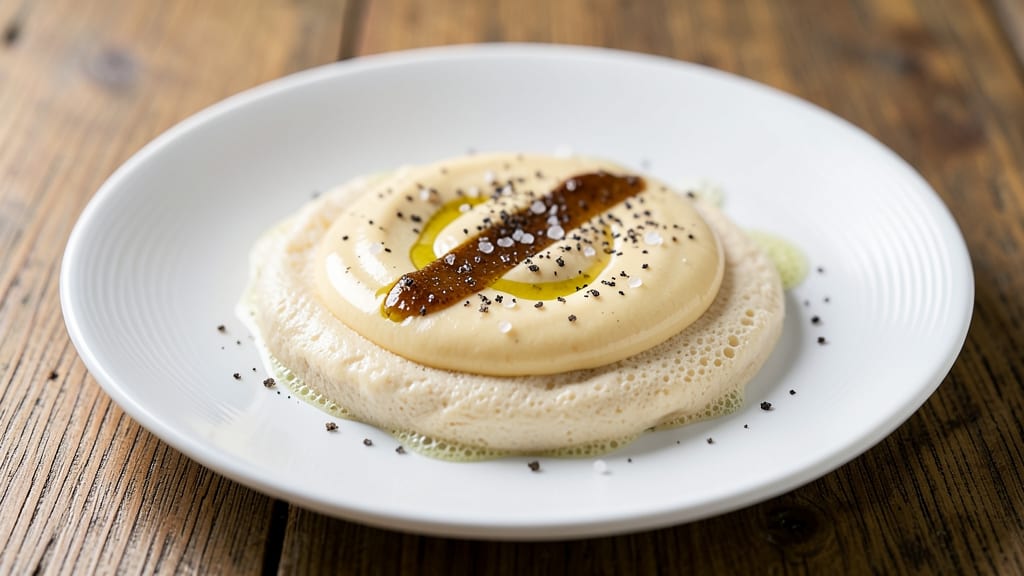
This vegan egg mayonnaise recipe delivers the same creamy, dreamy texture you crave—without a single egg. 💛 The secret lies in a simple yet powerful plant-based emulsion that mimics the richness of traditional mayo, perfect for sandwiches, salads, or dipping.
After years of perfecting vegan alternatives, I’ve developed a foolproof method that stays stable, silky, and packed with flavor.
The magic happens with a combination of silken tofu and aquafaba (chickpea brine), which create that signature creamy consistency while keeping it light and airy. A touch of Dijon mustard adds depth, while apple cider vinegar brightens the flavor, ensuring it’s tangy enough to cut through rich ingredients.
No special equipment is needed—just a few pantry staples and a blender.
What you’ll end up with is a vegan mayo that’s indistinguishable from the classic version—smooth, velvety, and rich enough to hold its own in any dish. It’s perfect for vegan egg salad, sandwiches, or even as a base for creamy dressings.
The best part? It stores beautifully in the fridge for up to a week, so you can make a batch and enjoy it all week long.
Ready to master this plant-based staple? Let’s get blending—your taste buds (and the planet) will thank you.
Ingredients for vegan egg mayonnaise
Nine plant-powered ingredients transform into velvety vegan mayo—creamy, tangy, and utterly addictive.
| Ingredient | Amount | Notes |
|---|---|---|
| Silken Tofu 🍫 | 12 oz | Firm or extra-firm preferred |
| Aquafaba 🥫 | ½ cup | Liquid from canned chickpeas |
| Dijon Mustard 🌶️ | 1 tbsp | High-quality for tang |
| Apple Cider Vinegar 🍎 | 1 tbsp | Raw, unfiltered preferred |
| Extra-Virgin Olive Oil 🫒 | ½ cup | Light, fruity variety |
| Iodized Salt 🧂 | ½ tsp | Fine grain preferred |
| White Miso Paste 🍜 | 1 tbsp | For umami depth |
| Fresh Lemon Juice 🍋 | 1 tsp | Brightens flavor |
| Maple Syrup 🍁 | 1 tsp | Balances tanginess |
| Ground Black Pepper 🌶️ | ¼ tsp | Freshly ground |
Silken tofu is the secret weapon here—look for the extra-firm kind at Trader Joe's or Whole Foods for the best texture. Aquafaba? Save the liquid from your canned chickpeas (or grab a jar of it at Middle Eastern markets if you're feeling fancy). The Dijon mustard brings depth, so Maille or whole-grain varieties elevate this beyond basic. Apple cider vinegar should be raw and unfiltered—Bragg is my go-to—as it adds subtle complexity. For the olive oil, California or Italian varieties work best—their fruity notes shine through.
No aquafaba? Vegan mayo powder (like Follow Your Heart) works in a pinch, but the texture won't be as silky. Short on miso? White soy sauce at half the amount adds umami without overpowering. The maple syrup balances tanginess—substitute agave if you prefer. For extra richness, blend in 1 tbsp neutral oil (like avocado) after blending. Want it spicier? Add a pinch of smoked paprika. The key is blending until it's thick and glossy—no lumps allowed!
This mayo stays fresh for up to 1 week in the fridge, sealed tightly. For longer storage, freeze in ice cube trays—thaw overnight in the fridge. The texture holds beautifully in sandwiches, salads, or even vegan egg salad. Pro tip: Add a splash of water if it thickens too much after blending. And yes, it's 100% egg-free—no one will guess it's plant-based!
Why You'll Love This Recipe
- No Blender Hassle: I blend this in my food processor—no special tools, no sticky cleanup. The silken tofu and aquafaba blend smooth as butter, and honestly? It takes less time than waiting for an egg salad to chill.
- Tangy, Creamy Magic: That Dijon mustard and apple cider vinegar combo? It’s the secret—bright, rich, and just sharp enough to make your taste buds wake up. (Yes, even on a Tuesday night.)
- Picnic & Party Ready: Slather it on sandwiches, toss it in salads, or pack it for lunch. It keeps for days in the fridge, and between us? My kids ask for it more than their favorite chips.
- Pocketbook-Friendly Luxury: Silken tofu and aquafaba cost pennies compared to mayo, but this tastes like a fancy spread. Three ingredients do the heavy lifting—no waste, no guilt, just flavor that doesn’t break the bank.
Step-by-step instructions for vegan egg mayonnaise
This vegan mayo delivers restaurant-quality richness without a single egg—just pure plant-powered magic.
👨🍳 Step 1: Blend Silken Tofu to Ultra-Smooth Perfection
Drain and rinse the 12 oz silken tofu thoroughly to remove excess water, then pat completely dry with paper towels. Place it in a high-speed blender along with 0.5 cup aquafaba and 1 tbsp Dijon mustard. Here's the thing—blending these wet ingredients first creates the perfect emulsion base. Blend on high for 1-2 minutes until completely smooth, scraping down the sides as needed. You're looking for a velvety, almost custard-like texture with no visible lumps.
This initial blend is your secret weapon. The silken tofu provides that signature mayo body, while the aquafaba adds airiness and stability. If your blender struggles, add 1-2 tablespoons of water to help it along—just enough to keep things moving smoothly. The mixture should be completely homogeneous at this stage, with no visible tofu chunks remaining.
🍳 Step 2: Whisk in Acidic and Sweetening Components
Transfer the blended mixture to a mixing bowl and whisk in the 1 tbsp apple cider vinegar, 1 tbsp white miso paste, 1 tsp fresh lemon juice, 1 tsp maple syrup, and 0.5 tsp iodized salt. The acidity from the vinegar and lemon juice is crucial—it's what gives mayo its tangy bite and helps emulsify the oil later. The miso adds that unmistakable umami depth, while the maple syrup balances the acidity and rounds out the flavor profile.
I like to use a balloon whisk for this step—it incorporates air while gently combining the ingredients. The mixture should now have a slightly thickened, pourable consistency. Taste it at this stage (don't skip this!) and adjust seasoning if needed. You might want to add a touch more salt or vinegar to your preference, but remember—you'll be adding more oil next, which can dilute flavors slightly.
🥘 Step 3: Gradually Emulsify the Olive Oil (The Magic Happens Here!)
With the motor running on low speed, very slowly drizzle in the 0.5 cup extra-virgin olive oil through a fine-mesh strainer. This gradual addition is absolutely critical—adding oil too quickly will break the emulsion and leave you with a greasy mess. Start with just a few drops, watching closely as the mixture begins to thicken and take on that classic mayo texture. Once it starts coming together, you can gradually increase the flow to a slow steady stream.
Here's where it gets fun—the mixture should transform from a thick paste into a glossy, creamy emulsion. If it starts to separate (you'll see oil pooling on top), immediately stop adding oil and whisk vigorously to re-emulsify. The final texture should be thick but still pourable, with a velvety smooth consistency that coats the back of a spoon. This process might take 5-8 minutes of careful, patient work.
🔪 Step 4: Finish with Pepper and Final Adjustments
Remove the bowl from the whisk and stir in the 0.25 tsp freshly ground black pepper. The pepper should be freshly ground—pre-ground pepper loses its aromatic punch quickly. At this point, taste your mayo one final time. It should have that perfect balance of tangy, creamy, umami-rich flavors with just a hint of sweetness from the maple syrup. If it needs more acidity, add another ¼ tsp of vinegar or lemon juice. If it's too thick, thin with 1-2 teaspoons of water until it reaches your desired consistency.
Real talk: This vegan mayo keeps beautifully in the fridge for up to 1 week when stored in an airtight container. It's perfect for sandwiches, burgers, potato salad, or even as a creamy dressing. The miso gives it that extra depth that makes it taste anything but plant-based. Trust me when I say this will become your go-to mayo—no one will believe it's egg-free!
Pro Tips For Making Vegan Egg Mayonnaise
- Blend Silken Tofu Cold: I learned this the hard way—warm or room-temperature tofu introduces water, and suddenly your mayo is thin and sad. Scoop straight from the fridge, skin and all, and blend until completely smooth. That’s how you get that thick, creamy texture without extra liquid.
- Whisk Aquafaba Slowly: Dump it in too fast, and you’ll end up with a lumpy mess. Start with just 1 tablespoon of aquafaba, whip until frothy, then add the rest gradually while keeping the mixer moving. Patience here means no scrambled-egg texture in your mayo.
- Use Vinegar Gradually: Pouring all the apple cider vinegar at once can curdle the mix. Add it in two batches—half first, taste, then adjust. You’re aiming for tangy, not sour, and this keeps the emulsion stable without overpowering the flavor.
- Finish with Oil in Drizzles: This isn’t the prettiest method, but it’s the tastiest. Instead of pouring all the olive oil at once, add it tablespoon by tablespoon while blending, letting each drizzle fully incorporate. This guarantees a silky, glossy finish without breaking the emulsion.
Flavor customization for this dish
Spicy Kick
For those who love heat, blend in ½ tsp cayenne pepper or 1 tsp hot sauce (like Cholula or Sriracha) during the final whisking. If you prefer smoky heat, add ¼ tsp smoked paprika—it deepens the flavor without overpowering.
I like to start with just a pinch and adjust to taste, as the miso already adds umami richness that pairs beautifully with spice. 🌶️
Herbaceous Twist
Fresh herbs elevate this mayo to new heights. Whisk in 1 tbsp finely chopped dill or 1 tsp dried tarragon for a bright, garden-fresh flavor. For a Mediterranean touch, blend in 1 tbsp minced shallots or 1 tsp dried oregano.
I find that herbs work best when added after emulsifying the oil, so they stay vibrant and fragrant. A little goes a long way—start with less and taste as you go!
Umami Boost
Craving even more depth? Stir in ½ tsp nutritional yeast or 1 tsp white miso paste (beyond the original amount) for a cheesy, savory note. For a smoky profile, add ½ tsp liquid smoke or 1 tsp soy sauce (use tamari for gluten-free).
These adjustments transform your mayo into a versatile condiment that works in everything from sandwiches to vegan Caesar dressing. 🍜
Sweet & Tangy
Balance the richness with extra sweetness or acidity. For a sweeter mayo, add 1 tsp agave nectar or ½ tsp vanilla extract. For more tang, increase the vinegar to 1.5 tbsp or add ½ tsp lemon zest.
I love using this version on sweet potato fries or in vegan egg salad—it adds a bright, unexpected twist. Taste as you go, and adjust to match your favorite flavor profile!
Nutty Crunch
For texture lovers, blend in 1 tbsp tahini or finely ground walnuts (about 2 tbsp) for a nutty crunch. This works especially well with Mediterranean-inspired dishes or as a dip for veggie sticks.
If using nuts, pulse them briefly in a food processor first to avoid graininess. The result? A mayo with both creamy and crunchy layers that’s anything but boring. 🌰
Global Flavors
Inspired by different cuisines? Try these twists: For a Japanese touch, add ½ tsp grated ginger and 1 tsp rice vinegar. For a Mexican flair, stir in ½ tsp cumin and 1 tsp lime juice.
A Middle Eastern version shines with 1 tsp za’atar and ½ tsp garlic powder**. Each variation keeps the creamy base while adding bold, regional flavors. 🌍
Nutrition facts
Frequently asked questions
Can I make this vegan mayo without aquafaba?
If you don’t have aquafaba, substitute it with ½ cup unsweetened soy milk or ¼ cup neutral oil (like avocado) blended with 1 tbsp cornstarch to help stabilize the emulsion. The texture will be slightly denser but still creamy. For best results, use a high-speed blender to ensure smoothness.
Why did my vegan mayo break/separate?
This usually happens when oil is added too quickly or the mixture isn’t emulsified properly. Slow down the oil stream, whisk vigorously, or add 1 tsp Dijon mustard to help re-stabilize. If it’s too thick, thin with 1 tsp water or lemon juice. The key is patience—gradual addition is everything!
How do I adjust the flavor if it tastes too tangy or bland?
For more tang, add ¼ tsp extra apple cider vinegar or lemon juice. If it’s bland, boost umami with ½ tsp white miso paste or 1 tsp soy sauce. Need sweetness? Stir in ½ tsp maple syrup. Always taste as you go—small adjustments make all the difference!
Can I use this mayo in hot dishes like pasta or soups?
This vegan mayo is best for cold or room-temperature applications (sandwiches, salads, dips). For hot dishes, the oil may separate or the texture may thin out. For soups or pasta, try blending in 1 tbsp cornstarch or arrowroot powder to thicken it first, or use it as a garnish instead.
What’s the best way to store leftover vegan mayo?
Transfer to an airtight container and refrigerate for up to 1 week. For longer storage, freeze in ice cube trays (thaw overnight in the fridge). If it thickens after refrigeration, stir in 1-2 tsp water to restore consistency. The miso and vinegar help preserve freshness longer than traditional mayo!