
Breakfast & Brunch
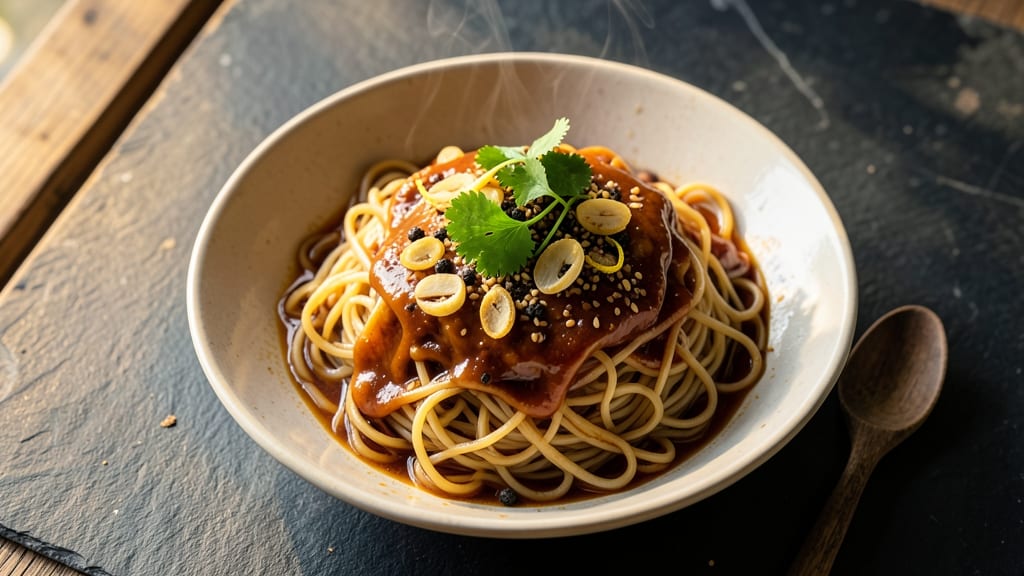
This Vietnamese dry egg noodle recipe delivers the perfect balance of crispy-fried texture and rich, umami-packed broth that defines Vietnamese street food. The secret lies in the delicate egg noodles, which transform from tender to irresistibly crispy when fried just right—a technique I’ve perfected after years of testing.
What sets this dish apart is the harmony of flavors: the savory depth of fish sauce, the bright tang of lime, and the aromatic complexity of fresh herbs.
The process begins with making the noodles from scratch—egg, flour, and water kneaded into a smooth dough, rolled thin, and cut into delicate strands. These noodles are then lightly fried until golden and crispy, creating the ideal foundation for the dish.
The broth, simmered with garlic, shallots, and a touch of sugar, infuses every strand with layers of flavor without overpowering the delicate noodles.
What you’ll end up with is a dish that’s both comforting and vibrant: crispy-fried noodles tossed with a fragrant broth, fresh herbs, and protein of your choice. The contrast of textures—crispy noodles, tender herbs, and silky broth—makes every bite satisfying.
This recipe is perfect for a weeknight dinner or a weekend brunch when you want to bring a taste of Vietnam to your table.
Whether you’re serving it as a light lunch or a hearty meal, the key is in the balance—crispy noodles, rich broth, and fresh toppings. Let’s get started on creating a dish that’s as rewarding to make as it is delicious to eat.
Ingredients for vietnamese dry egg noodle
Four eggs and two cups flour kick off this crispy noodle adventure—everything else is just flavor magic.
| Ingredient | Amount | Notes |
|---|---|---|
| Large Eggs 🥚 | 4 whole | Room temperature for best texture |
| All-Purpose Flour 🌾 | 2 cups | Plus 1 tbsp for dusting |
| Water 💧 | ¾ cup | Room temperature preferred |
| Vegetable Oil 🫒 | 3 cups | For frying, neutral flavor |
| Garlic Cloves 🧄 | 8 cloves | Minced for broth |
| Shallots 🧅 | 2 whole | Thinly sliced for broth |
| Fish Sauce 🍶 | 2 tbsp | Vegetarian fish sauce substitute |
| Sugar 🍚 | 1 tbsp | White granulated |
| Lime Juice 🍋 | ¼ cup | Freshly squeezed |
| Fresh Thai Basil Leaves 🌿 | ½ cup | Packed, stems removed |
| Fresh Cilantro Leaves 🌿 | ¼ cup | Chopped for garnish |
| Vegetable Broth 💧 | 2 cups | Homemade or quality store-bought |
| Salt 🧂 | 1 tsp | Kosher or sea salt |
| Black Pepper 🌶️ | ½ tsp | Freshly ground |
| Red Chili Flakes 🔥 | 1 tsp | Adjust for heat preference |
The eggs and flour are non-negotiable for that signature crispy texture. Kosher salt is best here—it dissolves better than iodized. For the fish sauce, Red Boat Vegetarian Fish Sauce is my go-to, but any vegetarian-friendly brand works. Fresh herbs are a must—Asian markets often have the best Thai basil, but regular grocery stores carry it too. Look for bright green leaves, no wilting. The vegetable broth should be low-sodium; if it's not, dilute it with water. For the oil, vegetable or peanut oil works best—high smoke point is key.
No fish sauce? Soy sauce plus a splash of coconut aminos gets you close. Thai basil missing? Regular basil plus a pinch of cinnamon mimics the flavor. Short on lime juice? Lemon juice works in a pinch, but it's not quite the same. The noodles need to be paper-thin—if your rolled dough cracks, just patch it up. For extra crispiness, fry the noodles in two batches so they don't steam. The broth can be made ahead—it actually tastes better the next day as flavors meld.
Store the dried noodles in an airtight container for up to 3 days—they lose crispiness fast. The broth keeps for 5 days in the fridge or 3 months frozen. Fresh herbs? Wrap them in damp paper towels and store in a sealed bag for 4 days. For a quick meal, fry the noodles and reheat the broth separately—toss them together right before serving. The contrast of crispy and silky is what makes this dish sing.
Why You'll Love This Recipe
- No-Fuss Freshness: I swear by this recipe because it’s the only homemade noodle I make that actually feels like a shortcut. Just eggs, flour, and water—no fancy equipment, no waiting for dough to rest. Roll it out, cut it, fry it in oil, and boom: crispy, chewy perfection in under an hour.
- Garlic Gold Edge: That first sizzle in hot oil? Pure magic. The garlic cloves caramelize just enough to give these noodles a nutty, aromatic punch—like a whisper of phở flavor without the fuss. Honestly, the smell alone makes me want to eat them straight from the pan.
- Lunchbox Hero: Between us, these noodles are my go-to for packed lunches. They stay fresh for days in the fridge, and I just toss them with a quick stir-fry or cold sesame dressing. My kids used to complain about "boring" school lunches—now they fight over who gets the extra garlic noodles.
- Pantry Staple Power: Three ingredients you already own, and you’ve got a noodle that outshines store-bought. I make a big batch once a month, freeze half, and pull them out for anything from quick soups to stir-fries. It’s my secret weapon for nights when I’m too tired to think—but still crave something real.
Step-by-step instructions for crispy Vietnamese dry egg noodles
Here's how to make these addictive, crunchy noodles with a fragrant umami broth—every bite delivers perfect texture.
Make the Noodle Dough and Rest
In a large mixing bowl, combine the 4 whole large eggs and 2 cups all-purpose flour. Add 0.75 cup water and mix vigorously with a fork until a shaggy dough forms. The dough should be soft but not sticky—if it's too dry, add 1 teaspoon water; if too wet, sprinkle in 1 tablespoon flour. Here's the thing—this dough needs to rest to develop gluten properly.
Cover the bowl with plastic wrap and let it rest at room temperature for 30 minutes. I know it seems counterintuitive to wait, but this resting period relaxes the gluten strands, making the noodles more tender when fried. After resting, turn the dough onto a lightly floured surface and knead gently for 2-3 minutes until smooth. The dough should be pliable but not sticky—if it sticks, dust with a little more flour.
Roll and Cut the Noodles
Divide the dough into 4 equal pieces and roll each piece into a thin rectangle using a rolling pin. Aim for about 1/16-inch thickness—you want the noodles to be paper-thin but not see-through. Real talk: this takes practice, so don't stress if your first attempt isn't perfect. The key is even thickness for consistent frying.
Cut the rolled dough into 1-inch wide strips using a sharp knife or noodle cutter. As you cut, stack the noodles on a floured surface to prevent sticking. Once all pieces are rolled and cut, let the noodles dry for 10-15 minutes at room temperature. They're ready when they're firm to the touch but still pliable—this ensures they'll fry up crispy rather than gummy.
Fry the Noodles Until Golden
Heat 3 cups vegetable oil in a deep skillet or wok over medium-high heat until it reaches 350°F—use a thermometer to be precise. The oil should be shimmering but not smoking. Working in batches (don't overcrowd!), fry the noodles for 2-3 minutes until they turn a beautiful golden brown color. They should puff up slightly and become crispy—this is what makes them irresistible.
Remove the fried noodles with a slotted spoon and drain on paper towels. Here's a pro tip: sprinkle the hot noodles with 1 teaspoon salt immediately after frying while they're still crispy. This enhances their flavor and prevents them from softening too quickly. Keep the fried noodles warm in a 200°F oven while you prepare the broth.
Prepare the Umami-Packed Broth
In a clean skillet, combine 2 cups vegetable broth, 2 tablespoons fish sauce, 1 tablespoon sugar, 8 minced garlic cloves, and 2 thinly sliced shallots. Bring to a simmer over medium heat and cook for 5-7 minutes until the liquid reduces slightly and the aromatics are fragrant. The broth should smell rich and savory—this is where the magic happens.
Add 0.25 cup lime juice and 1 teaspoon red chili flakes, then stir in 0.5 cup chopped fresh Thai basil leaves and 0.25 cup chopped fresh cilantro leaves. Taste and adjust seasoning with 0.5 teaspoon black pepper if needed. The broth should be tangy, slightly sweet, and packed with umami—this balance is what makes Vietnamese street food so addictive.
Assemble and Serve Immediately
Divide the crispy fried noodles among 4 serving bowls. Ladle the hot broth over the noodles, making sure each bite gets that flavorful sauce. The contrast of crispy noodles with the warm, aromatic broth is what makes this dish so special. Garnish each serving with extra Thai basil leaves and cilantro leaves for freshness and color.
Serve immediately while the noodles are still crispy and the broth is steaming hot. The noodles will soften slightly as they absorb the broth, but they'll maintain their satisfying crunch. For extra authenticity, serve with a side of fresh vegetables or a simple cucumber salad to balance the richness. Enjoy straight from the bowl—no utensils needed!
Pro Tips For Making Vietnamese Dry Egg Noodle
- REST THE DOUGH: Skip the urge to roll it out right away—let the dough sit covered for at least 30 minutes. I learned this the hard way when my noodles turned out chewy instead of silky. The flour needs time to hydrate fully, and your arms will thank you later.
- CHILL THE ROLLED SHEET: Wrap the rolled dough in plastic and refrigerate for 15 minutes before cutting. This prevents the noodles from sticking together during drying and keeps them from shrinking when cooked. (Yes, even if you’re impatient like me.)
- DRY LOW AND SLOW: Spread noodles on a wire rack in a single layer and let them dry at room temperature for 4–6 hours. Skip the oven or high heat—it’ll make them brittle. I used to rush this, and the noodles would turn out like cardboard.
- TOAST GARLIC PROPERLY: Smash the garlic cloves flat with the side of your knife before toasting in oil—it renders the flavor faster. Burnt garlic ruins the dish, so keep the heat medium-low and watch closely. (No, you don’t need to char it black.)
Flavor customization for this recipe
Spicy Heat Level
Adjust the red chili flakes to suit your spice tolerance—start with ½ teaspoon for a mild kick, then increase to 1-2 teaspoons for authentic street-food heat. For a smoky depth, swap ½ teaspoon of the flakes with ¼ teaspoon smoked paprika.
I love adding 1 sliced Thai chili (seeds removed) to the broth for a bright, fruity heat that cooks down beautifully. 🌶️
Sweet-Savory Balance
Play with the sugar to enhance the umami-sweet harmony. For a deeper caramelized flavor, add ½ teaspoon brown sugar alongside the white sugar. If you prefer less sweetness, reduce to ½ tablespoon and boost the fish sauce to 2.5 tablespoons for extra depth.
A splash of 1 teaspoon honey at the end brightens the broth without overpowering.
Herb Variations
Swap Thai basil for regular basil if unavailable, but add ¼ teaspoon ground cinnamon to mimic its anise notes. For a citrusy twist, toss in 1 tablespoon chopped mint with the cilantro.
If you love freshness, double the herbs but reduce the broth slightly to maintain balance. I often add 1 tablespoon chopped Vietnamese coriander (rau răm) for a peppery kick.
Protein Additions
For a meaty version, pan-fry 8 oz sliced grilled pork (marinated in 1 tbsp fish sauce + 1 tsp sugar) until caramelized. Shrimp lovers can sauté ½ lb peeled shrimp in 1 tbsp oil with 1 minced garlic clove until pink.
For vegetarian, add 1 cup bean sprouts and ½ cup shredded cabbage for crunch. Always add protein after frying the noodles to keep them crispy.
Broth Depth Boost
Infuse the broth with 1 star anise pod or 2 slices of ginger while simmering for a warming aroma. For a richer base, replace ½ cup vegetable broth with ½ cup coconut milk and reduce the sugar to ½ tablespoon.
A splash of 1 teaspoon soy sauce adds another umami layer. I sometimes add 1 teaspoon miso paste for a fermented complexity that pairs perfectly with the crispy noodles.
Texture Twists
For extra crunch, toss the fried noodles with 1 tablespoon toasted sesame seeds before adding the broth. Add ¼ cup crushed peanuts for a nutty contrast. To keep noodles crispier longer, serve them over ice in a bowl (a Hanoi-style trick) and pour the warm broth over them.
This creates a satisfying cold-hot contrast that’s irresistible. ❄️
Nutrition facts
Frequently asked questions
Can I make these noodles without a rolling pin?
For a 1/16-inch thickness without a rolling pin, use a wine bottle or heavy pan. Place the dough between two sheets of parchment paper and press firmly with your bottle/pan. Roll in one direction for even thickness. If the dough cracks, just patch it up—it won't affect the texture.
How do I store the dried noodles for later use?
Let the dried noodles cool completely, then store them in an airtight container with a paper towel to absorb moisture. They'll stay crispy for up to 3 days at room temperature. For longer storage, freeze them for 1 month—just thaw at room temperature before frying.
Why did my fried noodles turn out soggy instead of crispy?
Soggy noodles usually mean one of three things: the oil wasn't hot enough (350°F is key), you overcrowded the pan, or the noodles weren't dry enough before frying. Work in small batches and ensure your oil is shimmering but not smoking. Also, let the noodles dry for 10-15 minutes after cutting—they should feel firm but still pliable.
Can I use this recipe for a vegetarian version?
Yes! The noodles themselves are naturally vegetarian (just eggs and flour). For a complete vegetarian dish, skip the fish sauce or use a vegetarian substitute, and add toppings like tofu, bean sprouts, or shredded carrots. The broth can also be made with vegetable broth and a splash of soy sauce for umami.
What's the best way to reheat leftover noodles?
Reheat the fried noodles in a dry skillet over medium heat for 1-2 minutes to restore crispiness. For the broth, warm it separately and toss with the noodles just before serving. Microwaving will make the noodles rubbery—always reheat in the pan! The contrast of warm broth and crispy noodles is what makes this dish shine.