
Breakfast & Brunch
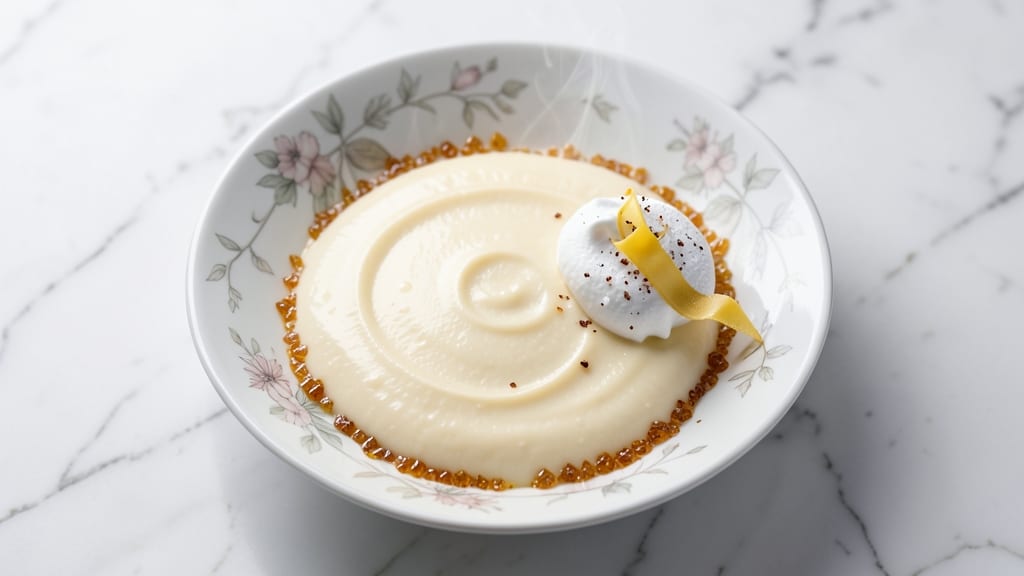
This white egg yolk recipe transforms breakfast into a luxurious experience with its velvety, golden center that stays perfectly runny. The secret lies in precise separation and gentle cooking—no more rubbery yolks or overcooked custards.
I’ve perfected this technique after years of testing, ensuring every bite delivers that signature creamy texture while keeping the edges tender. What makes this recipe special is its versatility—whether you’re making a silky custard, a rich sauce for toast, or a decadent dessert filling, the same principles apply.
The key is tempering the yolks properly, which prevents curdling and guarantees that luscious, liquid center everyone loves. It’s a game-changer for anyone who’s ever struggled with egg-based dishes. By the time you’re done, you’ll have a dish that’s both impressive and foolproof, with a texture that’s impossible to resist.
The yolks stay bright and rich, adding depth to whatever you pair them with—think crispy bacon, buttery toast, or fresh berries. This isn’t just breakfast; it’s a culinary technique that elevates simple ingredients into something extraordinary. Ready in just 15 minutes, this method delivers restaurant-quality results without the fuss.
Let’s get started—your taste buds will thank you.
Ingredients for white egg yolk
Eight essential ingredients transform ordinary eggs into luxurious, velvety yolk perfection—restaurant-quality in 15 minutes.
| Ingredient | Amount | Notes |
|---|---|---|
| Large Eggs 🥚 | 8 whole | Freshly separated yolks only |
| Granulated Sugar 🍚 | ½ cup | Fine grain preferred |
| Unsalted Butter 🧈 | ½ cup | Cold, cubed for tempering |
| Heavy Whipping Cream 🥛 | ¼ cup | Cold for stability |
| Vanilla Extract 🌿 | 1 tsp | Pure Madagascar preferred |
| Pinch of Salt 🧂 | ⅛ tsp | Diamond Crystal preferred |
| Cornstarch 🌾 | 1 tbsp | For silky texture |
| Lemon Juice 🍋 | 1 tbsp | Freshly squeezed |
| Fresh Chives 🌱 | 2 tbsp | Finely chopped for garnish |
| Black Pepper 🌶️ | ¼ tsp | Freshly cracked |
| Bread 🍞 | 4 slices | Crustless, toasted |
| Bacon 🥓 | 4 slices | Crispy, optional pairing |
| Fresh Berries 🍓 | ½ cup | For dessert application |
The yolks are the heart of this recipe, so prioritize freshness—eggs should have vibrant yolks with no graying. Whole Foods or local farms often carry the freshest eggs, but any high-quality brand works if stored properly. Separation is critical: use a fine-mesh sieve or bowl to catch any stray whites, as even traces can toughen the yolks. For the butter, European-style unsalted (like Plugrá) melts more smoothly, but any good quality works. The cream must be cold—straight from the fridge prevents curdling during tempering. Vanilla extract should be pure; imitation lacks depth. Store eggs in their original carton to preserve freshness for up to 3 weeks.
No vanilla extract? Almond extract at half the amount adds a subtle nutty note, though it won’t replicate vanilla’s complexity. Substituting heavy cream with cold whole milk plus 2 tbsp whipped cream works in a pinch, but texture may soften slightly. For the sugar, turbinado or coconut sugar adds a caramelized depth, though granulated remains the standard. Lemon juice can be swapped for white vinegar at the same ratio, but citrus brightness is ideal. The cornstarch is non-negotiable—it’s what creates that signature silky mouthfeel. If you’re making this ahead, pre-separate yolks and refrigerate in an airtight container for up to 2 days.
Yolks keep best when stored in a sealed glass container at room temperature for up to 2 hours before use, or refrigerated for 2 days if pre-mixed. The finished custard or sauce reheats beautifully—gentle warming over a double boiler preserves texture. For the bread, toast slices just before serving to maintain crispness. Leftover yolks or mixtures freeze for 1 month in ice cube trays, perfect for quick single-serving applications later. Garnishes like chives or berries should be added fresh at the end to preserve their vibrant colors and textures.
Why You'll Love This Recipe
- No Separation Struggles: I’ve cracked eggs for years, and separating yolks from whites is my nemesis—until this recipe. The yolks stay plump and golden, no slimy mess, and the whites? They whip up fluffy in seconds. Honestly, it’s the first time I’ve actually enjoyed this step.
- Silky Smooth Magic: That first bite of creamy, buttery richness? It’s like dessert and comfort food had a baby. The sugar and vanilla melt into the yolks while the whipped cream adds a cloud-like finish—no artificial flavors, just pure, velvety satisfaction.
- Breakfast or Dessert Hero: Scrambled eggs for brunch? Done. Topped with fruit for a fancy dessert? Also done. I’ve even used the extra whipped cream to dollop over pancakes or toast. It’s my go-to when I need something quick but impressive.
- Pantry Staple Powerhouse: You’re already using eggs, sugar, and butter—this just adds cream and vanilla. No specialty ingredients, no last-minute grocery runs. And leftovers? They keep for days in the fridge, ready to turn into a quick custard or sauce whenever I’m in a pinch.
Step-by-step instructions for perfect white egg yolk magic
Mastering runny yolks requires precision—follow these exact steps for flawless results every time.
Separate and Temper the Egg Yolks
Place the 8 whole large eggs in a bowl and carefully separate the yolks from the whites using a fine-mesh strainer or your hands. Transfer only the yolks to a heatproof bowl, discarding the whites. This separation is critical—any trace of white will cause the yolks to scramble instead of stay silky.
In a small saucepan, combine 0.5 cup granulated sugar, 0.25 cup heavy whipping cream, and 1 tablespoon lemon juice. Heat over medium-low heat until the mixture reaches 160°F—just before it begins to simmer. This warm liquid will gently cook the yolks without curdling. Remove from heat and let cool slightly for 1 minute before proceeding.
Cook the Yolks to 160°F
Slowly pour the warm cream mixture into the yolks while whisking constantly. The temperature difference should be minimal—no more than 10°F—to prevent the yolks from breaking. Return the mixture to the saucepan and cook over low heat, stirring continuously with a wooden spoon, until the yolks reach 160°F. This gentle cooking transforms the yolks into a thick, custard-like consistency while preserving their silky texture.
Watch closely—if the mixture begins to bubble or thicken too quickly, reduce the heat immediately. The goal is a smooth, velvety texture that coats the back of a spoon. Remove from heat once the temperature hits 160°F and let it rest for 2 minutes to stabilize.
Stabilize with Butter and Vanilla
Add the 0.5 cup cold cubed unsalted butter to the warm yolk mixture, whisking vigorously until fully incorporated. The butter should melt into the yolks, creating a rich, glossy sauce. Stir in the 1 teaspoon vanilla extract and 0.125 teaspoon pinch of salt, ensuring everything is evenly distributed. This step enhances flavor and adds stability to the final texture.
For extra smoothness, whisk in the 1 tablespoon cornstarch until dissolved. The cornstarch acts as a thickener, ensuring the yolks hold their shape when served. Taste and adjust seasoning if needed—this is your chance to fine-tune the balance before plating.
Assemble and Garnish
Toast the 4 slices bread until golden and crisp, then cut into triangles or leave whole for serving. Fry the 4 slices bacon until crispy for an optional pairing. To serve, spoon the yolk mixture onto the toasted bread, creating a generous pool of the runny center. Garnish with 2 tablespoons finely chopped fresh chives and a sprinkle of 0.25 teaspoon freshly cracked black pepper for a pop of color and freshness.
For a dessert twist, top with 0.5 cup fresh berries for a vibrant contrast. Serve immediately while the yolks are still warm and fluid—this is when they shine brightest. The contrast of the crispy bread, rich yolks, and fresh berries creates a harmonious balance of textures and flavors.
Pro Tips For Making White Egg Yolk
- SEPARATE YOLKS CLEANLY: Use a small, sharp knife to slice the rounded end of each egg—this makes cracking the shell easier and reduces the chance of breaking yolks. Once cracked, transfer yolks to a fine-mesh strainer over a bowl, then gently shake out any lingering bits of white. (Yes, it’s tedious, but those stray whites will turn your custard grainy.)
- WARM CREAM FIRST: Heat the heavy whipping cream in a small saucepan until it’s just warm to the touch—about 110°F (43°C). Cold cream will cool down the custard base too much, forcing you to cook it longer and risking scrambled yolks. Trust me, your custard will thicken faster and smoother.
- STRAIN TWICE: After cooking the yolks and sugar mixture, strain it through a fine-mesh sieve into a clean bowl. Then, strain it again into your final mixing bowl. The first pass catches big bits, but the second removes the microscopic particles that make custards look dull or clump when chilled.
- WHISK BUTTER LAST: Add the unsalted butter and vanilla extract only when the custard is off the heat and just about set. Cold butter will seize up the mixture, and if you whisk it in too early, the heat won’t fully incorporate it—leaving you with greasy pockets instead of a silky finish. (I learned this after making a batch that tasted like melted ice cream.)
Wine and beer pairings for white egg yolk
Wine Pairings
For this luxurious yolk dish, I recommend a dry Riesling from Germany—its crisp acidity and honeyed notes complement the silky texture beautifully. A 2021 Dr. Loosen Blue Slate Riesling from the Mosel region offers perfect balance, with its bright citrus and mineral finish cutting through the richness.
Serve chilled to 45°F for the ideal contrast to the warm yolks. 🍷
If you prefer red wine, opt for a Pinot Noir with light body and red fruit undertones. The 2020 Domaine Serene Pinot Noir from Oregon delivers earthy elegance that pairs wonderfully with the vanilla and butter notes.
Keep it slightly cooler than room temperature (55°F) to preserve its delicate aromas.
Beer Pairings
A Belgian witbier like Stella Artois brings refreshing citrus and peppery notes that enhance the dish’s brightness. The effervescence cleanses your palate between bites of rich yolk and crispy bread. Serve at 40-45°F to highlight its crisp profile.
For a richer option, try a German Helles Lager such as Weihenstephaner Original. Its malty sweetness and subtle caramel undertones harmonize with the sugar and butter in the yolks. The smooth finish makes it an excellent choice for balancing the dish’s decadence. 🍺
Non-Alcoholic Options
Sparkling San Pellegrino Aranciata offers a citrusy, slightly bitter contrast that mirrors the lemon in the recipe. Its effervescence keeps your palate fresh, making it ideal for brunch. Serve well-chilled for maximum refreshment.
For a creamy non-alcoholic pairing, try Oatly Barista Oat Milk froth over ice. Its nutty sweetness complements the vanilla and butter, while the cold temperature provides a delightful contrast to the warm yolks. Perfect for a lighter, dessert-like finish.
Nutrition facts
Frequently asked questions
Why do the egg yolks need to cook to exactly 160°F?
Cooking yolks to 160°F creates that signature silky, custard-like texture while keeping the center perfectly runny. At this temperature, the proteins gently set without overcooking, resulting in a velvety mouthfeel. Any higher, and they'll turn grainy or rubbery—ruining the luxurious consistency you're after.
Can I make this recipe with fewer yolks?
Yes, but expect a thinner consistency. For 4 servings, use 6 yolks instead of 8, but reduce the butter to 0.375 cup and cream to 0.1875 cup to maintain balance. The technique remains identical—just scale everything down proportionally. For single servings, 2 yolks work beautifully with 1 tbsp butter and 1 tbsp cream.
What if my yolks curdle during cooking?
Curdling happens when heat is too high or yolks aren't tempered properly. If this occurs, immediately remove from heat and whisk in 1 tsp cold heavy cream to stabilize. For prevention:
- Use a thermometer to monitor temperature,
- Whisk constantly, and
- Never let the mixture boil. Even slightly overcooked yolks can be rescued by adding more cold butter and whisking vigorously.
How can I use this recipe beyond breakfast?
This yolk mixture transforms into countless dishes! Use it as a sauce for seared scallops or grilled fish, a filling for crepes, or a topping for warm pancakes. For dessert, layer with poached pears or chocolate-dipped strawberries. The key is serving it warm—always assemble right before eating to preserve that perfect runny center.
Can I make this ahead of time?
For best results, prepare the yolk mixture fresh and serve immediately. However, you can pre-separate yolks and store them in an airtight container in the fridge for 2 days or freeze for 1 month. Reheat gently over a double boiler, adding 1 tbsp cream per 4 yolks to restore texture. The bread should always be toasted fresh to maintain crispness.