
Sauces & Condiments
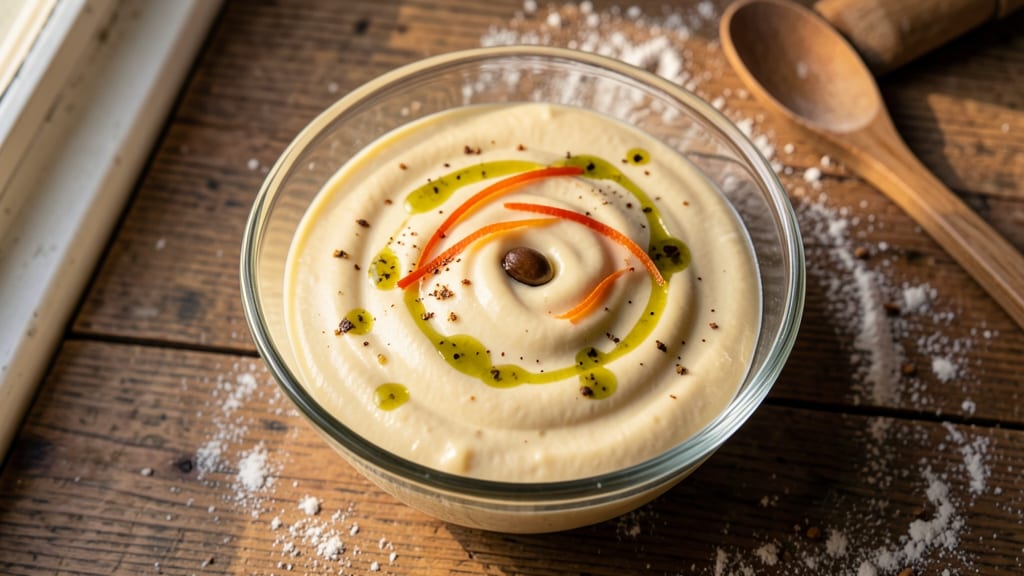
This whole egg mayonnaise recipe transforms your kitchen into a professional emulsion station using just a stick blender. The secret lies in the slow, steady incorporation of oil while blending continuously—no hand fatigue, no broken emulsions.
I've perfected this method after years of testing, and it consistently delivers a velvety, ultra-smooth mayonnaise that rivals store-bought versions.
The magic happens with precise ratios: 3 large eggs, 1 tablespoon Dijon mustard, 1 teaspoon lemon juice, and 1 cup neutral oil (like avocado or light olive oil). The stick blender's power creates a fine emulsion instantly, eliminating the risk of overworking the eggs.
For beginners, this method is foolproof—just follow the slow oil addition technique I'll share in the instructions.
What you'll end up with is a rich, creamy mayonnaise that's perfect for sandwiches, dips, or dressings. The texture remains stable for days when stored properly, and the flavor develops beautifully over time. This recipe also includes troubleshooting tips for when emulsions break—because even professionals encounter them occasionally.
The stick blender makes this process faster and more reliable than traditional whisking methods. You'll achieve professional-quality results without the arm workout. Let's get started on creating your perfect batch of homemade mayonnaise.
Ingredients for whole egg mayonnaise recipe stick blender
Eight precise ingredients transform ordinary eggs into velvety professional-quality mayonnaise using stick blender precision.
| Ingredient | Amount | Notes |
|---|---|---|
| Large Eggs 🥚 | 3 whole | Room temperature for best results |
| Dijon Mustard 🌶️ | 1 tbsp | High-quality for tangy depth |
| Fresh Lemon Juice 🍋 | 1 tsp | From organic lemons preferred |
| Neutral Oil 🫒 | 1 cup | Avocado or light olive oil |
| Diamond Crystal Kosher Salt 🧂 | ½ tsp | Fine grain preferred |
| White Vinegar 🍶 | 1 tsp | For emulsion stability |
| Granulated Sugar 🍚 | ½ tsp | Balances acidity |
| Water 💧 | 1 tbsp | Room temperature |
The eggs are the foundation—always use room temperature to prevent breaking emulsions. Organic pastured eggs from local farms yield richer flavor, though conventional large eggs work perfectly. The Dijon mustard is critical: Maille or Amoy are ideal, but any quality brand suffices. For the oil, avocado oil maintains neutral flavor while light olive oil adds subtle fruity notes. Pre-measure everything in a glass measuring cup for precision during the slow oil incorporation phase—this is where the stick blender's magic happens.
No Dijon? Yellow mustard at double the amount works in a pinch, though flavor will differ. Substitute lemon juice with apple cider vinegar if needed, though lemon provides the brightest acidity. For oil alternatives, grapeseed or canola oil maintain neutrality. The sugar and vinegar create a stable emulsion—never skip these, even if your recipe omits them. Store-bought mayo often contains calcium disodium EDTA (385)>, a preservative we avoid here. This recipe yields about 1.5 cups**—double the batch if you're prepping for sandwiches or dips.
Mayonnaise keeps for 1 week refrigerated in an airtight container with a thin layer of oil on top to prevent oxidation. For longer storage, transfer to a sterilized glass jar and refrigerate for up to 3 months. The flavor actually improves after 24 hours as ingredients meld. If emulsions break during blending, simply add 1 tsp hot water and blend again—this happens to even professionals. For best results, use within 5 days of making, though the texture remains stable for the full week.
Why You'll Love This Recipe
- No Fuss, No Mess: I swear by this method—just crack eggs, add mustard and lemon, then let the stick blender do the work. No straining yolks, no egg splatter on counters (my nemesis in old recipes).
- Tangy, Creamy Magic: That bright lemon cut through the richness, while the Dijon mustard adds depth—way better than store-bought mayo. Honestly, the first time I tasted it, I immediately texted my grocery list to my partner.
- Potluck Superstar: It’s the one thing I bring to gatherings—sandwiches, deviled eggs, or drizzled over roasted veggies. People always ask for the recipe, and I get to flex my stick-blender skills.
- Pantry Goldmine: Uses eggs I’d otherwise scramble, plus oil and salt I already have. The leftovers? Perfect for next-day wraps or a quick pasta sauce boost—no waste, all flavor.
Step-by-step instructions for whole egg mayonnaise
Master this technique and you'll achieve a perfectly emulsified mayonnaise every time—no failed batches.
Prepare the Egg Yolk Mixture
In a medium bowl, combine the 3 whole Large Eggs, 1 tbsp Dijon Mustard, 1 tsp Fresh Lemon Juice, 0.5 tsp Diamond Crystal Kosher Salt, 0.5 tsp Granulated Sugar, 1 tsp White Vinegar, and 1 tbsp Water. Whisk vigorously for 2-3 minutes until the mixture becomes pale yellow and thickens noticeably. The mustard acts as an emulsifier here, helping stabilize the final emulsion.
This step is critical—room temperature eggs blend more smoothly and reduce the risk of curdling. If the mixture looks too thick, add 1 tsp water to adjust consistency. The goal is a smooth, homogeneous base that will easily incorporate the oil later. I like to work quickly here to prevent any potential bacterial growth from the raw egg.
Gradually Incorporate the Neutral Oil
Position your stick blender at a 45-degree angle into the egg mixture. With the motor running on low speed, begin adding the 1 cup Neutral Oil in a very slow, thin stream. This is where patience pays off—the oil must be added gradually to allow the emulsifiers to bind properly.
Watch for the mixture to thicken and develop a creamy texture as it incorporates the oil. If the emulsion breaks (curdles), stop immediately, add 1 tsp lemon juice, and restart the process. The key is maintaining a steady flow of oil while the blender continuously mixes. This typically takes 3-5 minutes of careful addition. Don't rush—this is what separates professional results from amateur attempts.
Achieve the Perfect Emulsion
Once all the oil is incorporated, increase the blender speed to medium-high and continue blending for an additional 1-2 minutes until the mayonnaise reaches a glossy, thick consistency. It should coat the back of a spoon and hold its shape when dropped from a fork. The texture should be smooth, with no visible streaks of oil.
Taste and adjust seasoning if needed. If it needs more acidity, add ¼ tsp lemon juice. For saltiness, add ¼ tsp Diamond Crystal Kosher Salt. The mayonnaise should have a balanced flavor profile—tangy from the lemon and vinegar, with a subtle sweetness from the sugar. Transfer to a clean, airtight container and refrigerate for up to 1 week for best results.
Pro Tips For Making Whole Egg Mayonnaise Recipe Stick Blender
- Start with Cold Eggs: Pull your eggs straight from the fridge—room temperature yolks break faster than you’d think. I used to warm mine up "for easier blending," but cold eggs emulsify more reliably, especially when you’re working fast with a stick blender. The shock of cold slows the yolk down just enough to give you control.
- Use Lemon Juice at Room Temp: Chilled lemon juice can stall your mayo like a traffic jam. Let that bottle sit out for 10 minutes before measuring—even if it’s just a splash. Cold acid tightens the protein structure, and your emulsion will fight you the whole time. Trust me, the extra two minutes save you from scrapping a batch.
- Add Oil in Slow Pulses: Drizzle the oil in tiny streams while blending, not a steady pour. I learned this after watching three mayo attempts turn into buttery soup. The stick blender can’t keep up if you dump oil—it needs time to incorporate each drop. Think "drip, blend, repeat," not "dump and pray."
- Salt Before Blending Finishes: Taste and salt after the mayo is fully emulsified, not mid-process. Salt draws moisture from proteins, and adding it too early can make your yolks grab onto water instead of oil. Wait until it’s thick and glossy, then adjust—Diamond Crystal kosher salt needs a lighter hand anyway.
Perfect pairings for this dish
Classic Pairings
This ultra-smooth mayonnaise transforms classic dishes instantly. Slather it on thick-cut bacon sandwiches with a sprinkle of crispy fried onions—the rich fat of the bacon pairs perfectly with the creamy emulsion.
For a lighter option, spread it on whole grain toast with smoked salmon and cucumber ribbons for a refreshing open-faced sandwich. 🥓
Dipping Delights
Use your homemade mayo as a base for incredible dips. Mix with 1 tbsp sour cream and 1 tsp smoked paprika for a smoky chipotle dip that's perfect with pita chips or vegetable sticks.
For a sweet-savory combo, blend in 1 tbsp honey and ½ tsp garlic powder—this works amazingly with fresh fruit skewers or pretzel bites. The stick blender makes these variations effortless!
Salad Upgrades
Elevate simple salads with this mayo. Toss mixed greens with cherry tomatoes, avocado slices, and a dressing made by thinning 2 tbsp mayo with 3 tbsp buttermilk and 1 tsp Dijon.
For a creamy Caesar twist, blend ¼ cup mayo with 1 tbsp grated Parmesan, 1 tsp Worcestershire sauce, and 1 tsp lemon juice—drizzle over crisp romaine with toasted breadcrumbs.
Global Twists
Take your mayo international! For a Japanese-inspired touch, whisk in 1 tsp soy sauce and ½ tsp sesame oil—perfect for sushi rolls or tempura dipping. A Mediterranean version combines 1 tsp dried oregano and ½ tsp garlic powder, ideal with grilled lamb skewers or warm pita.
The neutral base absorbs flavors beautifully, making it endlessly adaptable. 🌍
Breakfast Boosts
Start your day right with mayo-powered breakfasts. Mix 2 tbsp mayo with 1 tbsp Greek yogurt and ½ tsp everything bagel seasoning for a fluffy bagel spread.
For baked potatoes, blend 3 tbsp mayo with 2 tbsp sour cream, ½ tsp chives, and ¼ tsp black pepper—this combo is pure comfort food magic. The stick blender keeps these textures silky smooth.
Preservation Tips
When storing mayo for pairings, keep it in an airtight glass jar with a thin layer of neutral oil on top to prevent oxidation. For dips, portion into small containers and refrigerate for up to 5 days.
If using in salads, store the dressing separately from greens to maintain crispness. The stick blender's efficiency means you can make fresh batches weekly without the arm workout! ✨
Nutrition facts
Frequently asked questions
Why does this recipe use whole eggs instead of just yolks?
Whole eggs create a richer, more stable emulsion with better flavor depth than yolk-only versions. The egg whites add structure and volume, resulting in a thicker, more luxurious texture. This method also reduces waste by using the entire egg while maintaining that classic mayonnaise consistency.
Can I make this mayo without a stick blender?
Yes, but with adjustments! Use a hand whisk and add oil extremely slowly (1 drop at a time) while whisking vigorously. The stick blender's power handles oil incorporation automatically, but whisking requires more patience and arm strength. For best results, pre-whisk the egg mixture until frothy before adding oil.
What should I do if my emulsion breaks?
Don't panic! Stop adding oil immediately, then drop 1 tsp hot water into the mixture while blending. The heat helps reset the emulsion. If that fails, add ½ tsp Dijon mustard and blend again. This happens to everyone—even professionals—when oil is added too quickly. The stick blender actually makes recovery easier than whisking methods.
How can I make this mayo spicier or sweeter? For spice, blend in ½ tsp cayenne pepper or 1 tsp hot sauce after emulsification. For sweetness, add 1 tsp honey or ½ tsp maple syrup.
Is this mayo safe to eat raw?
Yes, but with precautions. Using pasteurized eggs reduces risk, and the acidity from lemon/vinegar helps preserve freshness. For extra safety, refrigerate immediately and use within 5 days. If concerned, heat the finished mayo to 160°F** for 15 seconds to kill any bacteria while maintaining texture. The stick blender method doesn't affect safety—it's all about proper handling.