
Breakfast & Brunch
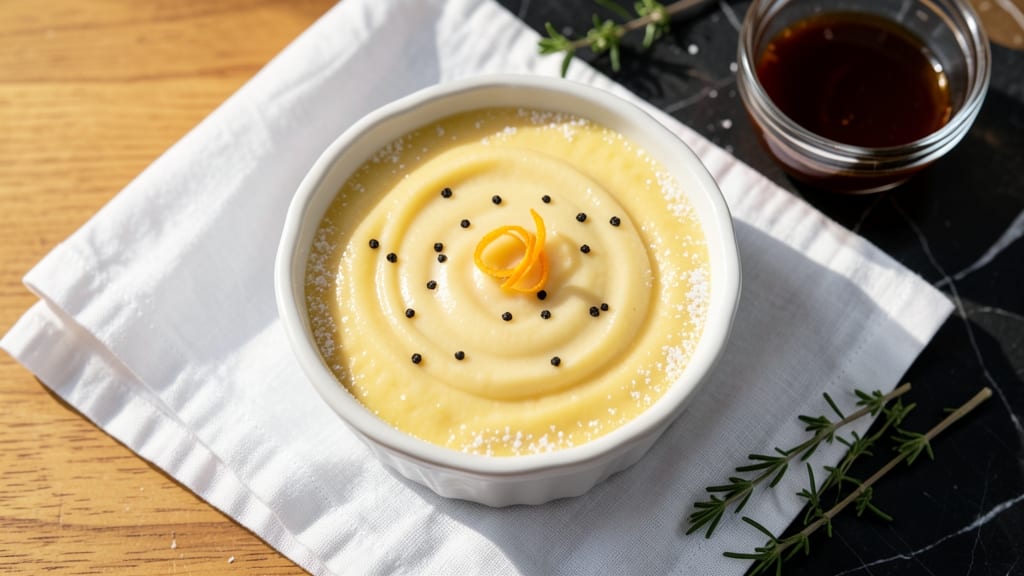
This whole egg pudding recipe transforms simple ingredients into a luxurious dessert with a silky yolk center and foil-sealed crunch. The magic lies in baking whole eggs in a creamy custard, creating a delicate balance of textures that feels indulgent yet light.
I perfected this technique after years of experimenting with custard-based desserts, and it never fails to impress. The process is surprisingly straightforward: whisk eggs with sugar and cream, pour into ramekins, and bake until set.
The key is using parchment-lined foil cups—this ensures the eggs cook evenly while developing that signature crispy exterior. No special equipment needed, just patience and precise timing for that perfect yolk consistency.
What you’ll end up with is a dessert that’s rich yet airy, with a velvety custard surrounding a runny yolk that oozes when cut. The foil wrapping adds a satisfying crunch that contrasts beautifully with the creamy interior.
It’s elegant enough for dinner parties but simple enough for a weeknight treat. Serve warm with a dusting of powdered sugar or a drizzle of honey for the ultimate comfort dessert. Here’s how to make it perfectly every time.
Ingredients for whole egg pudding
Eight simple ingredients transform into an elegant dessert with perfect yolk textures and foil-sealed crunch.
| Ingredient | Amount | Notes |
|---|---|---|
| Large Eggs 🥚 | 8 whole | Room temperature for even cooking |
| Granulated Sugar 🍚 | ½ cup | Superfine preferred for faster dissolving |
| Heavy Whipping Cream 🥛 | 1 cup | 36% fat minimum for stability |
| Unsalted Butter 🧈 | 2 tbsp | Cold, cubed for even melting |
| Vanilla Extract 🌿 | 1 tsp | Pure Madagascar bourbon preferred |
| Salt 🧂 | ¼ tsp | Fine sea salt for balance |
| Heavy Cream 🥛 | ¼ cup | For custard enrichment |
| Aluminum Foil 📄 | 1 sheet | Heavy-duty, 12-inch minimum |
| Parchment Paper 📄 | 1 sheet | 12x15-inch for ramekin lining |
| Powdered Sugar 🍚 | 2 tbsp | For dusting finished puddings |
| Honey 🍯 | 1 tbsp | Wildflower preferred for floral notes |
The eggs are the foundation—use room temperature ones for even cooking. Pasture-raised eggs from Trader Joe's or local farms develop richer yolks, but any high-quality large eggs work. Sugar matters too: superfine dissolves faster but regular granulated works if you whisk vigorously. For the cream, 36% fat minimum ensures stability during baking—don't skimp here. The butter should be cold when added to prevent premature custard thickening. Vanilla extract? Bourbon vanilla adds depth, but pure vanilla works perfectly fine.
No vanilla extract? Vanilla bean paste at half the amount works beautifully. Short on powdered sugar? A light drizzle of maple syrup substitutes elegantly. The foil cups are non-negotiable—they create that signature crunch, but if you're short, parchment-lined ramekins work in a pinch (just skip the foil). For a richer dessert, add 1 tbsp mascarpone cheese to the custard mixture. The honey should be raw and unfiltered for the best floral notes—Manuka honey if you want to splurge.
Store finished puddings in an airtight container for up to 3 days in the fridge. Reheat gently in the microwave for 15 seconds—just until warm through. The foil-wrapped version reheats beautifully, maintaining that perfect crunch. For make-ahead convenience, prepare the custard mixture up to 24 hours ahead—cover and refrigerate until ready to bake. The puddings can be frozen for 1 month**—thaw overnight in the fridge before reheating.
Why You'll Love This Recipe
- No Whisk Needed: I’ll be real—this pudding comes together with just a fork and a bowl. Crack those eggs, stir in sugar until it dissolves, then fold in cream and vanilla while the butter melts on the stove. No blender, no fancy tools, just hands-on simplicity that still delivers that silky, custardy magic.
- Vanilla Butter Bliss: That first bite? Rich, creamy, and just sweet enough to make you pause. The butter gets worked into the warm egg mixture until it’s emulsified—no graininess, just velvety smoothness. And the vanilla? It’s not just extract; it’s the kind that lingers, turning every spoonful into a little moment of indulgence.
- Breakfast or Dessert: Honestly, I make this for both. Serve it warm with a sprinkle of cinnamon for a cozy morning treat, or chill it overnight for a no-bake dessert that feels fancy but takes zero effort. The eggs and cream base play nice with fruit, caramel, or even a dusting of cocoa—your call.
- Leftovers That Don’t Suck: Between us, most puddings turn into sad, watery messes by day two. Not this one. The whole eggs and butter keep it thick and luscious, so I actually look forward to reheating it. Plus, it’s budget-friendly—eggs and sugar are pantry staples, and you’re using the whole egg, not just whites. Zero waste, all flavor.
Step-by-step instructions for whole egg pudding
This method delivers restaurant-quality texture with a crisp foil crust you won't believe comes from simple kitchen tools.
Whisk Eggs and Cream Until Ribbon Stage
In a large mixing bowl, combine the 8 whole Large Eggs, 0.5 cup Granulated Sugar, 1 cup Heavy Whipping Cream, 0.25 cup Heavy Cream, 1 tsp Vanilla Extract, and 0.25 tsp Salt. Using a whisk or electric mixer on medium-high speed, beat the mixture for 3-4 minutes until it thickens noticeably and leaves a clear ribbon when the whisk is lifted.
This step is critical for proper custard formation. The sugar should dissolve completely, and the mixture should coat the back of a spoon smoothly. If using superfine sugar, the process will be faster—just 2 minutes instead of 3. Avoid over-whisking beyond this point, or the eggs may begin to cook prematurely.
Prepare Ramekins with Foil Crust
Cut the 1 sheet Aluminum Foil into four 6-inch squares. Place one square in each of four ramekins (about 6 ounces each). Spoon 1 tablespoon of the egg mixture into the center of each foil square. Press the foil gently into the ramekins to create a smooth, even base.
Here's the thing—this foil layer will create that signature crisp crust when baked. The key is pressing it firmly against the ramekin sides so it forms a perfect seal. If any gaps remain, the crust won't develop properly. I like to use the back of a spoon to smooth everything out before adding the remaining custard mixture.
Assemble and Bake the Puddings
Carefully spoon the remaining egg mixture over the foil bases in each ramekin, filling them about ¾ full. Cover each ramekin tightly with the 1 sheet Parchment Paper, pressing it directly onto the custard surface. This prevents skin formation while baking.
Place the ramekins in a large baking dish and pour very hot water (just boiled) into the dish until it reaches ½ inch below the top of the ramekins. This water bath ensures gentle, even cooking. Bake in a preheated 325°F oven for 40-45 minutes until the puddings are just set but still slightly jiggly in the center.
Create the Honey-Cream Topping
While the puddings bake, combine 2 tbsp Powdered Sugar and 1 tbsp Honey in a small bowl. In a separate bowl, whip the 2 tbsp Unsalted Butter (softened) to room temperature until smooth. Gradually fold in the powdered sugar-honey mixture until fully incorporated. This creates a silky, flavorful topping that contrasts beautifully with the custard.
Here's where the magic happens: the honey adds natural sweetness while the butter creates a velvety texture. I like to whip this topping until it's light and airy—almost like a light whipped cream. This step should take about 2-3 minutes with a hand mixer. If the mixture seems too thick, add 1 teaspoon of heavy cream to loosen it.
Finish and Serve with Crisp Crust
Remove the puddings from the water bath and carefully peel away the parchment paper. The foil crust should be crisp and golden—if it's not fully set, return to the oven for 2-3 additional minutes. Let the puddings cool to room temperature before unmolding.
To serve, invert each pudding onto a plate, then spoon the honey-cream topping over the top. The contrast between the crisp foil crust, silky custard center, and creamy honey topping is what makes this dessert truly special. Each bite should deliver that perfect balance of textures and flavors—creamy, crisp, and sweet all at once.
Pro Tips For Making Whole Egg Pudding
- Whisk Eggs Like Mad: Use a stand mixer on medium-high for 3-4 minutes until the yolks turn pale and the mixture is thick enough to leave a trail that slowly dissolves. I learned this the hard way—under-whisked eggs mean a pudding that’s more custard than silky perfection.
- Sugar First, Then Cream: Fold in the heavy cream after the egg-sugar mixture has thickened and cooled slightly—otherwise, you’ll end up with curds instead of a smooth texture. Sounds weird, but it works: the heat from the eggs helps the cream blend in without breaking.
- Butter in Small Batches: Cut cold butter into tiny cubes (pea-sized) and add them one at a time while stirring constantly. This keeps the pudding creamy, not greasy—my first attempts with big chunks left me scraping butter off the sides like a rookie.
- Chill Before Serving: Let the pudding sit in the fridge for at least 2 hours, or until it’s firm but still jiggly—this is non-negotiable for that classic set texture. I know, I know, but trust the process: serving it too soon means a runny mess.
Wine and beer pairings for this recipe
Sweet Cream Pairings
This dessert pairs beautifully with vanilla bean ice cream—the floral notes complement the custard's richness. I recommend Häagen-Dazs Vanilla Bean or Ben & Jerry's Phish Food for that creamy contrast. For a lighter option, try coconut sorbet to cut through the richness while adding tropical brightness. 🍦
Wine Complements
A Moscato d'Asti from Italy is my go-to wine pairing—its sweetness and slight effervescence mirror the dessert's textures. The 10-12% alcohol content balances the custard's richness without overpowering it.
For a drier option, a Riesling with hints of peach adds acidity that cleanses the palate. Avoid heavy reds—they'll clash with the delicate egg custard.
Coffee Contrasts
For coffee lovers, a light roast Ethiopian Yirgacheffe enhances the dessert's floral notes. The medium acidity and berry undertones create a perfect contrast to the honey-cream topping. If you prefer espresso, serve it with a dash of vanilla syrup to bridge the flavor gap.
Black coffee works too, but adding a pinch of cinnamon to the pudding's honey topping elevates the pairing. ☕
Seasonal Adaptations
In summer, swap the honey topping for mango purée and pair with sparkling rosé—the fruitiness and bubbles complement the custard's creaminess. For fall, try maple-glazed pecans on top and serve with bourbon-infused coffee to match the season's warmth.
Winter calls for dark chocolate shavings and a spiced chai latte to add cozy depth. 🍂
Unexpected Pairings
Think outside the box with smoked black tea (like Lapsang Souchong)—the smoky notes contrast surprisingly well with the sweet custard. For beer lovers, a Belgian witbier with its citrusy, spiced profile works beautifully.
Even a ginger ale with a squeeze of lime adds a refreshing twist that balances the dessert's richness. 🍺
Nutrition facts
Frequently asked questions
Can I make this recipe with fewer eggs?
This recipe is designed for 8 whole eggs to achieve the perfect balance of custard texture and yolk richness. Using fewer eggs (like 6) will make the puddings less creamy and may result in a watery center. If you need to scale down, reduce to 6 eggs but increase the cream to 1.25 cups to maintain consistency.
Why does my custard look grainy?
Graininess usually happens when eggs aren't whisked enough or sugar doesn't dissolve fully. Whisk the mixture for 3-4 minutes—until it's completely smooth and leaves a ribbon trail. For superfine sugar, whisk for 2 minutes. If using regular sugar, strain the mixture through a fine-mesh sieve before baking to ensure silky perfection.
Can I bake these puddings without foil?
Yes, but you'll lose that signature crisp crust! For a foil-free version, use parchment-lined ramekins and bake uncovered until set. The texture will be softer, more like traditional custard. If you want a crunch, try pressing crushed graham crackers into the ramekin bottoms before adding custard.
How do I fix overcooked puddings?
If your puddings are fully set but dry, don't worry—you can still salvage them! Cut them into slices and serve warm with extra honey-cream topping. For a richer texture, blend them with 2 tbsp whipped cream and reheat gently. The flavor will still be delicious, just less custard-like.
Can I make these ahead of time?
These puddings reheat beautifully. Assemble them up to 24 hours ahead and refrigerate before baking. For make-ahead serving, bake them 1 day ahead, then store covered in the fridge. Reheat individual portions in the microwave for 15-20 seconds**—just until warm through. The foil crust stays crispy when reheated properly!